How to Build Flavor Without Bouillon Cubes in Caribbean Cooking
Learning how to build flavor without bouillon cubes can help you create meals that are rich, balanced, and deeply satisfying while relying more on fresh ingredients and traditional Caribbean cooking techniques.
Bouillon cubes have become a common ingredient in many kitchens because they offer a quick and convenient way to add salt, seasoning, and savory flavor to meals. They are often used in soups, rice dishes, beans, stews, sauces, and one-pot meals throughout the Caribbean and beyond.
However, Caribbean cooking has always relied on much more than packaged seasonings alone. Long before bouillon cubes became widely available, Caribbean cooks built flavor using fresh herbs, aromatics, spices, citrus, marinades, smoked ingredients, and slow-cooking methods passed down through generations.
The rich flavors found in Caribbean cuisine do not come from a single ingredient. They are created by layering ingredients and techniques that work together to develop depth, complexity, and balance.
This doesn’t mean you have to stop using bouillon cubes completely. Rather, the goal is to understand how flavor develops so you can cook with greater confidence and create delicious Caribbean meals using a variety of natural flavor-building ingredients.
What Actually Creates Flavor?
Many people think flavor comes from a single seasoning ingredient, but great flavor usually results from several ingredients and techniques working together.
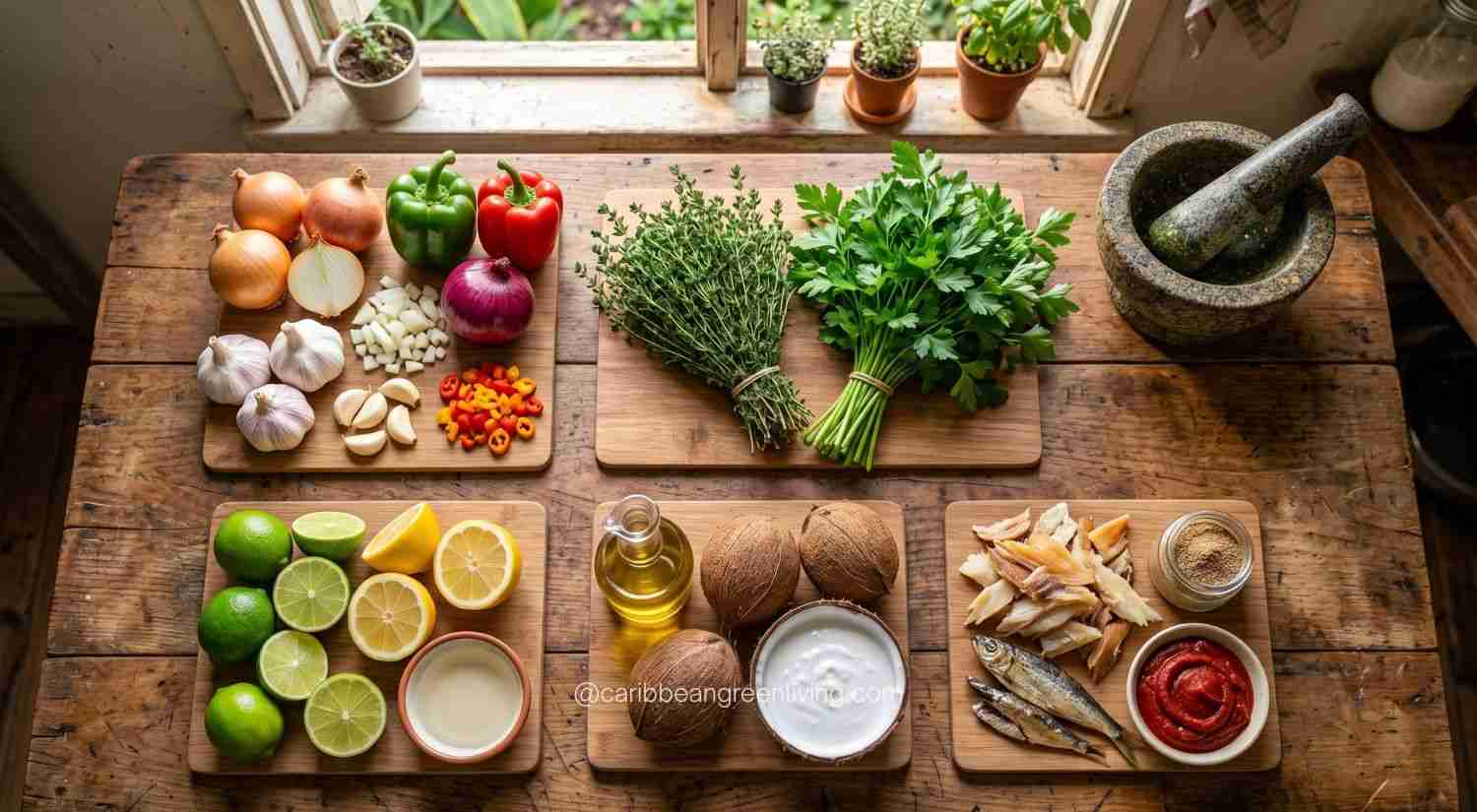
In Caribbean cooking, flavor is often built by combining:
- Aromatics such as onions, garlic, scallions, celery, and peppers
- Fresh herbs like thyme, parsley, cilantro, and basil
- Spices that add warmth, depth, and complexity
- Acids such as lime juice, lemon juice, sour orange, or vinegar
- Fats like cooking oil, butter, or coconut milk
- Natural sources of umami, including smoked seafood, tomato paste, mushroom powder, and homemade broth
- Cooking techniques such as marinating, browning, sautéing, and simmering
When these elements are layered properly, they create the rich, satisfying flavors Caribbean food is known for. Each ingredient contributes something different, and together they build a dish that tastes balanced, complex, and deeply flavorful.
Before looking at specific flavor-building ingredients, let’s explore the components that help create flavor naturally in Caribbean cooking.
Let’s get into it ingredient by ingredient.
Aromatics: The Foundation of Caribbean Flavor
Aromatics are ingredients that release fragrance and flavor when chopped, crushed, blended, or cooked. They form the backbone of many Caribbean dishes and are often the first ingredients added to a pot, pan, or seasoning blend.
Unlike salt, which primarily enhances flavor, aromatics create depth, complexity, sweetness, freshness, and savory notes throughout a dish.
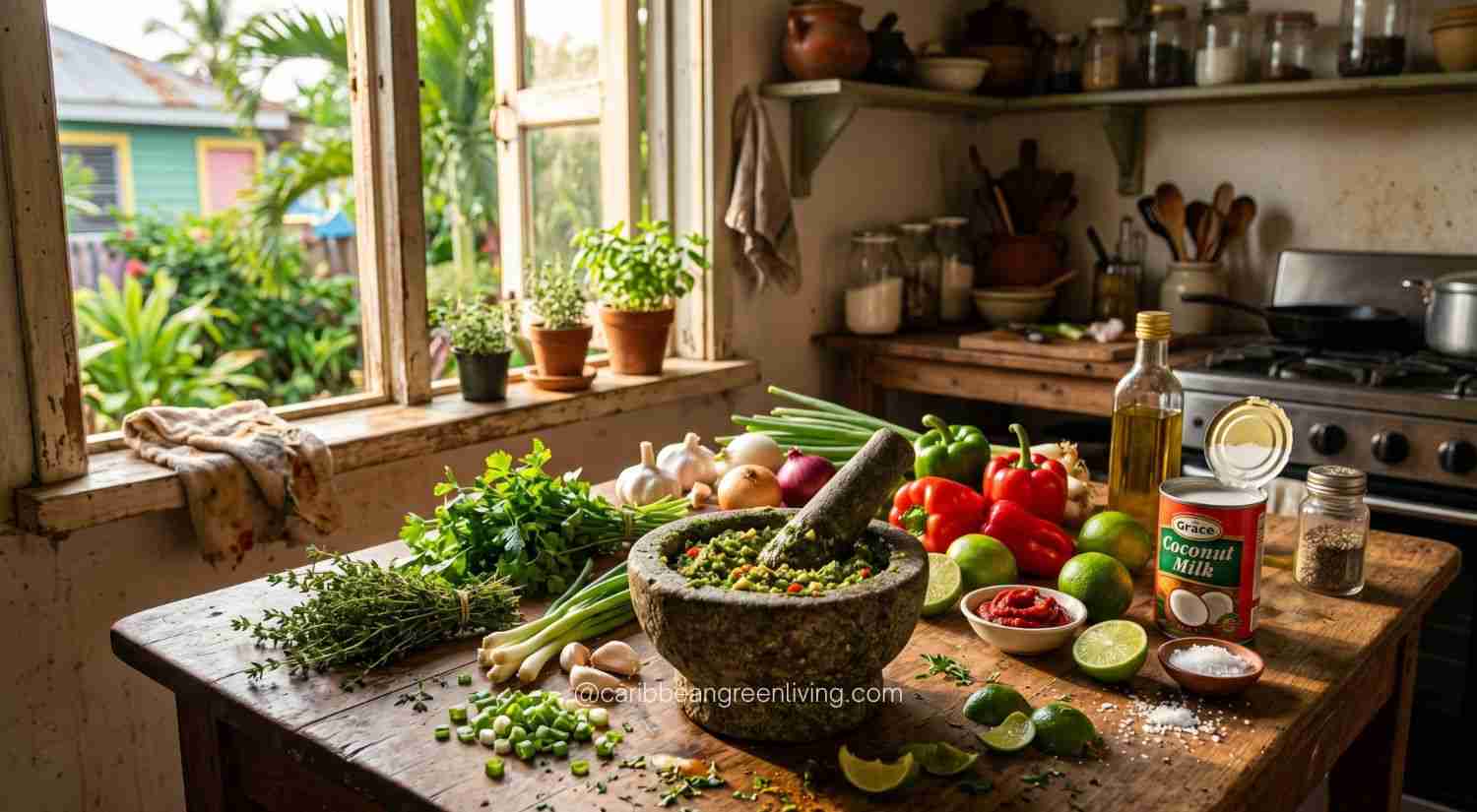
When making epis with a mortar and pestle, something special happens. As the herbs, garlic, onions, and peppers are crushed together, their aromas intensify and begin to blend. For many cooks, this fragrance offers an early preview of the dish’s flavor.
The aroma can help you determine whether the seasoning is balanced or needs adjustment. You may realize it needs more thyme, another clove of garlic, or a little more citrus. In many ways, your nose becomes just as important as your taste buds. Before the food even begins cooking, the scent of the epis helps guide the flavor of the final dish.
Onions
Flavor Profile: Sweet, savory, slightly pungent
When cooked slowly, onions develop natural sugars that create richness and depth. They help balance spicy, acidic, and salty ingredients while providing a strong flavor foundation for soups, stews, rice dishes, beans, and sauces.
Common Uses:
- Rice dishes
- Beans
- Stews
- Pikliz
- Poultry dishes
- Seafood dishes
- Epis and green seasoning
Garlic
Flavor Profile: Sharp, earthy, savory, slightly spicy
Garlic adds bold flavor and aroma. When cooked, it becomes sweeter and more mellow, helping create the savory character found in many Caribbean recipes.
Common Uses:
- Marinades
- Haitian Epis or Green Seasoning
- Stews
- Roasted meats
- Seafood dishes
- Sauces
Scallions (Green Onions)
Flavor Profile: Mild onion flavor with fresh, grassy notes
Scallions provide freshness without the intensity of regular onions. They are commonly blended into seasoning bases and added near the end of cooking to brighten dishes.
Common Uses:
- Epis
- Green seasoning
- Soups
- Rice dishes
- Sauces
- Garnishes
Celery
Flavor Profile: Fresh, herbaceous, slightly peppery
Celery adds subtle earthiness and complexity. While not always the star ingredient, it helps round out flavors and contributes to the savory background of stocks, soups, and stews.
Common Uses:
- Stocks
- Soups
- Stews
- Flavor bases
Bell Peppers
Flavor Profile: Sweet, fresh, slightly fruity
Bell peppers add sweetness, color, and freshness. Green peppers tend to be more vegetal and slightly bitter, while red, orange, and yellow peppers are sweeter.
Common Uses:
- Epis
- Rice dishes
- Stews
- Sauces
- Stuffed dishes
Hot Peppers
Examples include Scotch Bonnet, Habanero, and Caribbean Bird Peppers.
Flavor Profile: Fruity, floral, spicy
Many Caribbean hot peppers provide much more than heat. Scotch Bonnet peppers, for example, contribute a distinctive fruity sweetness and tropical aroma that cannot be replicated with powdered cayenne pepper alone.
Common Uses:
- Marinades
- Soups
- Stews
- Sauces
- Pepper sauces
Shallots
Flavor Profile: Mild onion flavor with slight garlic notes and natural sweetness
Shallots are often used when a more delicate flavor is desired. They blend well into sauces, vinaigrettes, and seafood dishes.
Common Uses:
- Seafood
- Salad dressings
- Sauces
- Marinades
Ginger (Optional but Increasingly Common)
Flavor Profile: Warm, spicy, citrusy
While not traditional in every Caribbean kitchen, ginger adds brightness and warmth and works especially well with poultry, seafood, beverages, and modern Caribbean-inspired recipes.
Common Uses:
- Teas
- Marinades
- Poultry dishes
- Seafood dishes
- Juices

Why Aromatics Matter
Aromatic ingredients work together to create layers of flavor. For example:
- Onion provides sweetness.
- Garlic adds savory depth.
- Scallions contribute freshness.
- Peppers add sweetness or heat.
- Herbs introduce brightness.
- Citrus adds balance.
This combination creates the complex flavors Caribbean food is known for, long before salt or bouillon cubes are added.
Natural Caribbean Flavor Builders
One of the best ways to reduce your dependence on bouillon cubes is to learn how Caribbean cooks traditionally build flavor using fresh ingredients, cooking techniques, and natural sources of umami.
These ingredients work together to create the rich, balanced flavors Caribbean food is known for.
Fresh Herbs
Flavor Profile: Bright, fresh, earthy, slightly floral
Fresh herbs add complexity, aroma, and balance to a dish. They help lighten rich foods while contributing the distinctive flavors found throughout Caribbean cooking.
Popular Herbs:
- Thyme: Earthy and slightly minty
- Parsley: Fresh and clean
- Cilantro: Bright and citrusy
- Basil: Sweet and aromatic
Best For:
- Soups
- Stews
- Marinades
- Seafood
- Poultry
Aromatics
Flavor Profile: Savory, fragrant, sweet, and complex
Aromatics are the foundation of many Caribbean dishes. Ingredients such as onions, garlic, scallions, celery, and peppers create depth and richness before the main ingredients are even added.
Each aromatic contributes something unique:
- Onions: Sweet and savory
- Garlic: Sharp and earthy
- Scallions: Fresh and grassy
- Celery: Herbaceous and slightly peppery
- Bell Peppers: Sweet and mildly fruity
- Hot Peppers: Fruity, floral, and spicy
Best For:
- Rice dishes
- Beans
- Stews
- Soups
- Marinades
- Sauces
Epis and Green Seasoning
Flavor Profile: Fresh, herbaceous, savory, aromatic
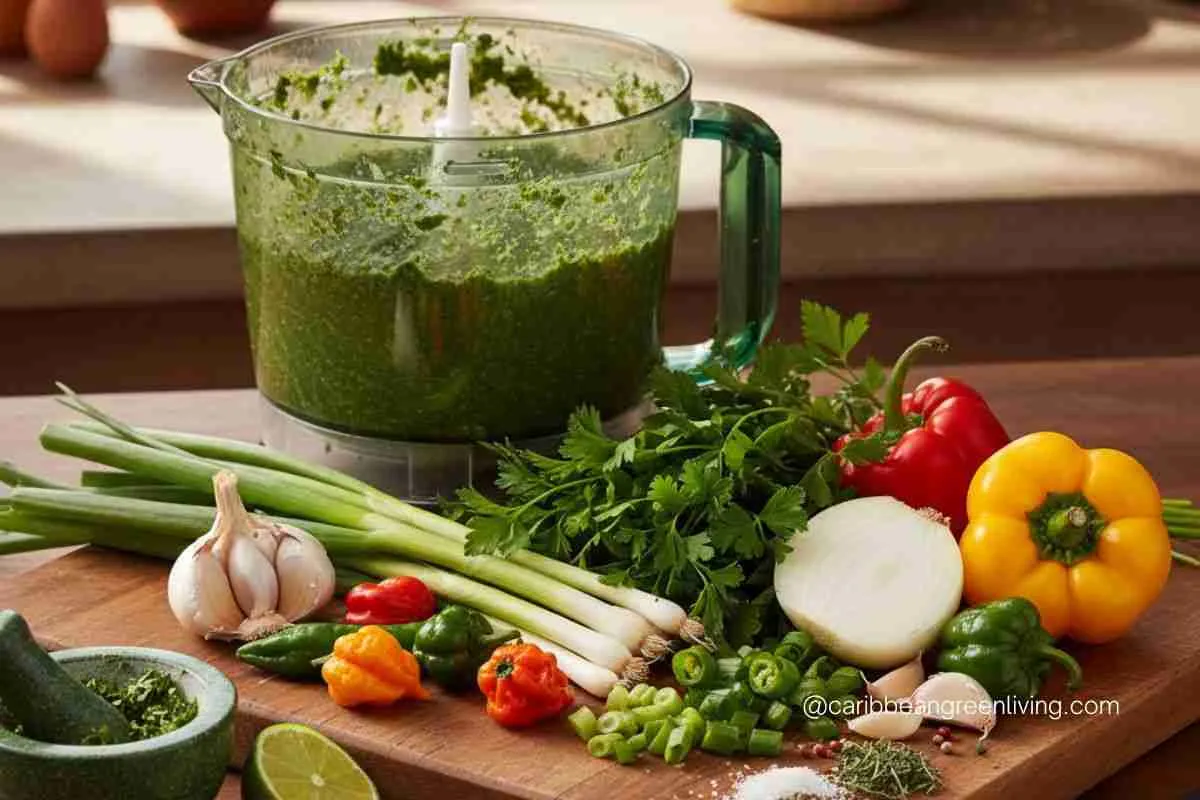
Epis and green seasoning are the backbone of many Caribbean kitchens. Made with herbs, garlic, onions, peppers, and oil, they create multiple layers of flavor before cooking even begins.
A good seasoning base helps flavor penetrate meat, poultry, seafood, and vegetables while providing a consistent flavor foundation throughout the dish.
Best For:
- Poultry
- Seafood
- Beef
- Pork
- Beans
- Rice dishes
Citrus
Flavor Profile: Tangy, bright, refreshing
Lime, lemon, and sour orange help balance rich flavors and cut through fattier ingredients. Citrus also enhances marinades and helps make other seasonings more noticeable.
In Caribbean cooking, citrus is often used to season, marinate, and brighten dishes just before serving.
Best For:
- Fish
- Seafood
- Poultry
- Marinades
- Salad dressings
Coconut Milk
Flavor Profile: Creamy, slightly sweet, rich
Coconut milk contributes body, richness, and subtle sweetness to many Caribbean dishes. It helps balance spicy ingredients while creating a smooth, comforting texture.
Best For:
- Rice and peas
- Seafood dishes
- Vegetable dishes
- Stews
- Soups


Tomato Paste
Flavor Profile: Rich, concentrated, slightly sweet, umami-rich
Many Caribbean cooks overlook tomato paste as a flavor builder. When cooked properly, tomato paste develops sweetness and depth while adding color and richness.
Allowing tomato paste to cook for a few minutes before adding liquid helps unlock its full flavor potential.
Best For:
- Stews
- Creole sauces
- Rice dishes
- Braised meats

Smoked Seafood
Flavor Profile: Smoky, salty, savory, rich
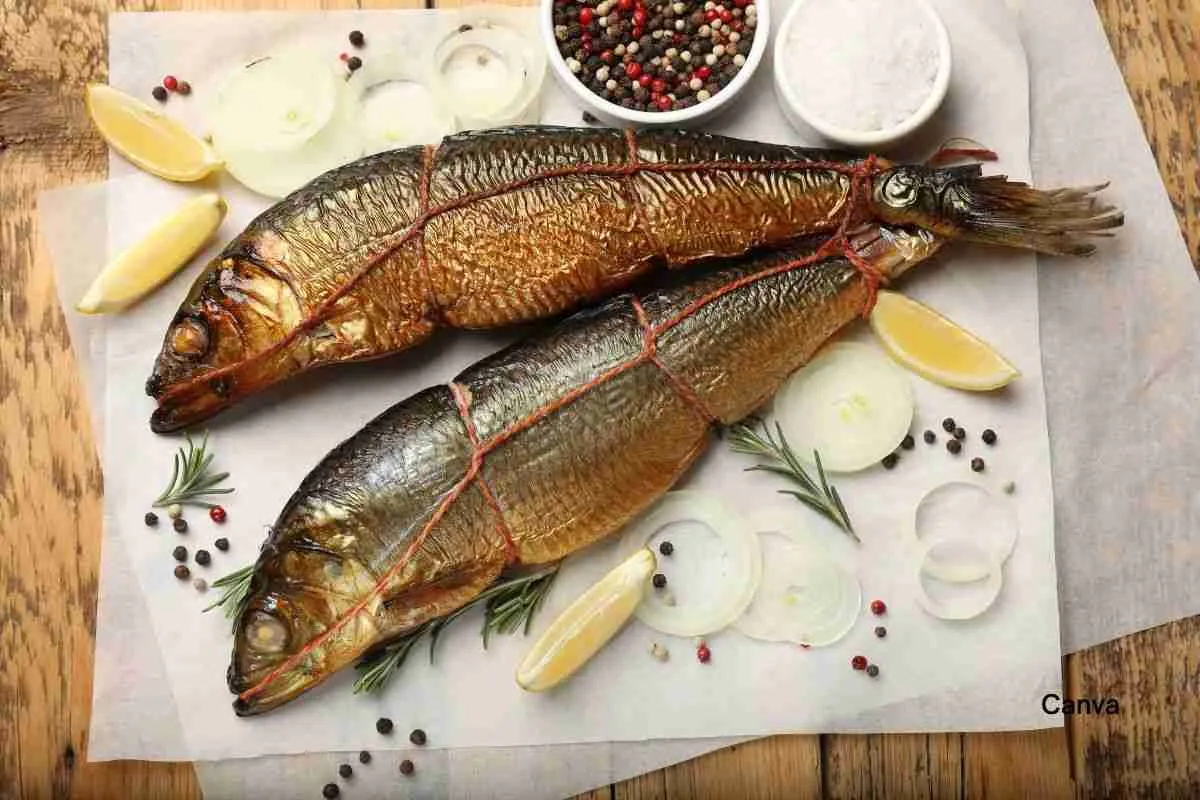
Ingredients such as smoked herring, salted cod, dried shrimp, and smoked mackerel provide deep savory notes that naturally enhance a dish without requiring additional flavor enhancers.
Even a small amount can transform beans, vegetables, rice dishes, and sauces by adding layers of smoky, salty, and umami-rich flavor.
These ingredients have traditionally been used throughout the Caribbean to create depth and complexity in everyday cooking.
Best For:
- Rice and peas
- Bean dishes
- Vegetable dishes
- Stews
- Sauces
Mushroom Powder
Flavor Profile: Earthy, savory, umami-rich
Mushroom powder acts as a natural flavor booster. It adds depth and complexity without overpowering a dish and works especially well in homemade seasoning blends.
For Haitian cooking, djon djon mushroom powder can contribute both flavor and subtle earthy richness.
Best For:
- Seasoning blends
- Soups
- Stews
- Beans
- Rice dishes

Slow-Cooked Aromatics
Flavor Profile: Sweet, rich, savory
One of the easiest ways to build flavor naturally is to take your time with onions, garlic, scallions, and peppers. As they cook, their flavors soften, sweeten, and become more complex.
Many cooks rush this step, but a properly developed aromatic base can dramatically improve the final dish.
Best For:
- Soups
- Beans
- Rice dishes
- Stews
- Sauces
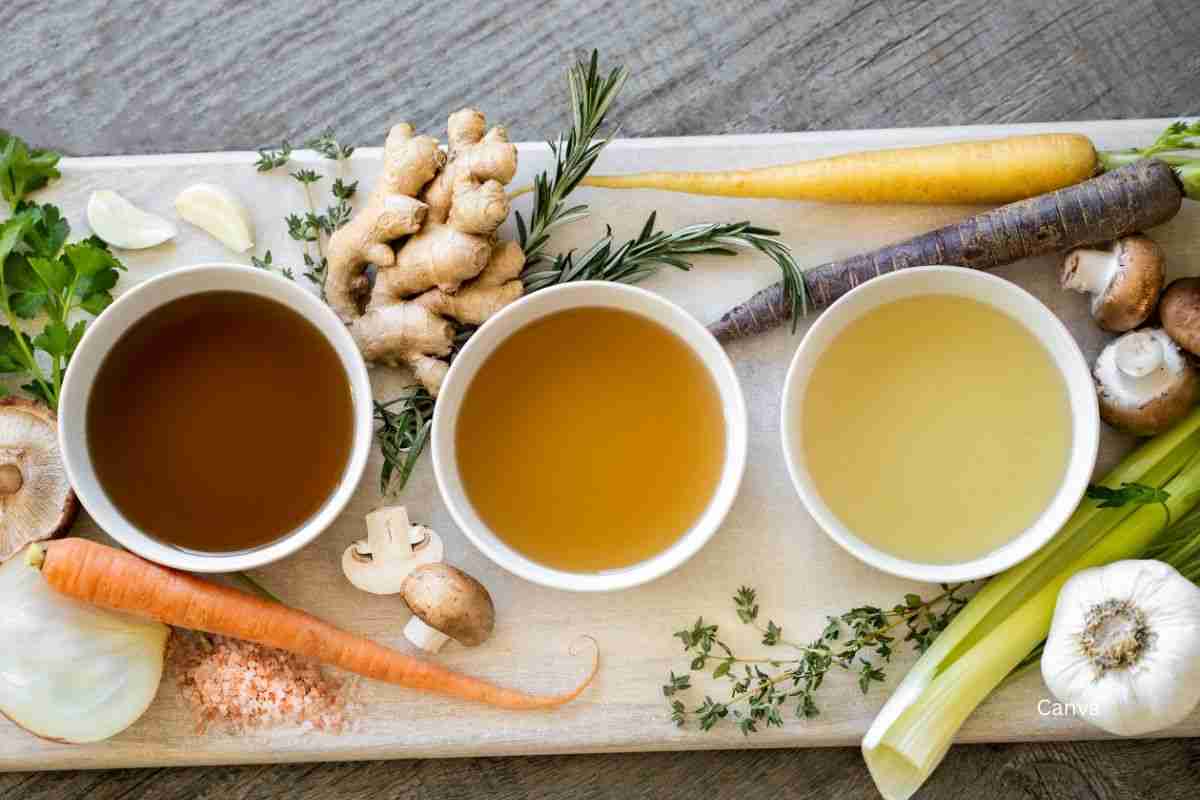
Homemade Broth
Flavor Profile: Rich, savory, balanced
Homemade broth made from chicken, vegetables, herbs, or seafood creates a deeper flavor foundation than water alone. It is also an excellent way to reduce food waste by using vegetable scraps and leftover bones.
Best For:
- Rice dishes
- Soups
- Stews
- Sauces
The Caribbean Flavor Formula
Instead of relying on a bouillon cube, think about building flavor using this simple formula:
Aromatic + Herb + Acid + Fat + Umami + Time = Flavor
Every flavorful Caribbean dish contains some combination of these elements.
Example: Haitian Poultry Dish
- Onion
- Garlic
- Scallions
- Thyme
- Lime juice
- Oil
- Slow cooking

Example: Rice and Beans
- Onion
- Garlic
- Thyme
- Coconut milk
- Smoked herring
- Homemade broth
Example: Seafood Stew
- Epis
- Bell peppers
- Thyme
- Tomato paste
- Lime juice
- Seafood stock
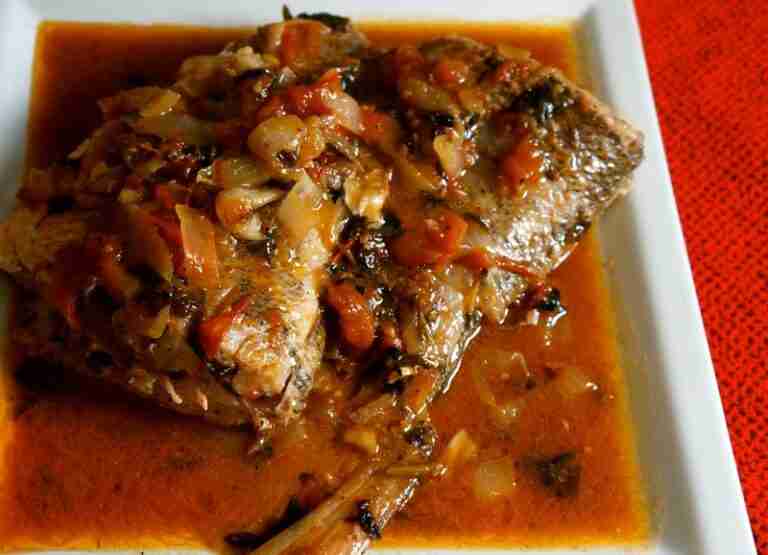
Example: Haitian Legume (Vegetable Stew)
- Epis
- Onion
- Garlic
- Bell peppers
- Tomato paste
- Oil
- Slow simmering
The result is a deep, satisfying flavor without relying on multiple bouillon cubes.

Simple Ways to Reduce Dependence on Bouillon Cubes
Reducing your dependence on bouillon cubes does not mean sacrificing flavor. In fact, many traditional Caribbean dishes develop rich, complex flavors through fresh ingredients, proper seasoning techniques, and patience.
Here are a few practical ways to build flavor naturally in your everyday cooking.
Use More Fresh Herbs
Fresh herbs add aroma, brightness, and complexity that packaged seasonings cannot fully replicate. Thyme, parsley, cilantro, basil, and scallions are commonly used throughout the Caribbean to season meats, soups, stews, beans, and rice dishes.
Instead of reaching for an extra bouillon cube, try adding fresh herbs during cooking and again just before serving to enhance the overall flavor of the dish.
Build Better Marinades
A well-seasoned marinade creates flavor from the inside out. Caribbean marinades often combine epis or green seasoning with citrus juice, garlic, onions, herbs, and spices.
Allowing meat, poultry, seafood, or vegetables to marinate for several hours gives the ingredients time to absorb flavor before cooking even begins.
Cook Aromatics Properly
Many home cooks rush the most important step in flavor development: cooking the aromatics.
Taking the time to sauté onions, garlic, scallions, celery, and peppers allows their natural sugars to develop and their flavors to deepen. This simple technique creates a richer flavor base that reduces the need for additional seasoning later.
Add Acid for Balance
Acid helps brighten and balance flavors.
Lime juice, lemon juice, sour orange juice, and vinegar can bring life to a dish that tastes flat or heavy. A small amount added near the end of cooking often enhances flavors without requiring extra salt.
Taste as You Cook
One of the best habits any cook can develop is tasting throughout the cooking process.
Rather than adding large amounts of seasoning at once, adjust flavors gradually. This allows you to build a more balanced dish and avoid over-seasoning.
Easy Homemade Flavor Boosters
Keeping a few homemade flavor boosters on hand can make it easier to cook flavorful meals without relying heavily on bouillon cubes.
Herb Paste
Blend fresh herbs, garlic, onions, and peppers with a small amount of oil to create a versatile seasoning paste.
Store it in the refrigerator for several days or freeze portions for future use.
Seasoned Oils
Infuse cooking oils with herbs, garlic, peppers, or spices to create an extra layer of flavor.
These oils can be used for sautéing vegetables, marinating proteins, or finishing cooked dishes.
Freezer Herb Cubes
Blend the herbs with a small amount of oil or water, then freeze them in ice cube trays.
These cubes provide a convenient way to add fresh flavor to soups, stews, sauces, and rice dishes.
Mushroom Powder Blends
Mushroom powder is a natural source of umami that can add savory depth to many dishes.
It works particularly well in homemade seasoning blends and can be sprinkled into soups, stews, beans, and sauces.
Roasted Garlic
Roasting garlic transforms its sharp flavor into a sweet, mellow, and rich ingredient.
It can be mashed into sauces, mixed into marinades, or added directly to soups and stews for additional depth.
Common Mistakes When Building Flavor
Understanding what not to do is just as important as knowing which ingredients to use.
Under-Seasoning Early
Flavor develops throughout the cooking process, not just at the end. Adding herbs, aromatics, and seasonings in stages helps create depth and allows flavors to blend naturally as the dish cooks.
Skipping Aromatics
Onions, garlic, scallions, celery, and peppers provide the foundation for many Caribbean dishes. Skipping these ingredients often results in food that tastes one-dimensional, even when additional seasonings are added later.
Relying Only on Salt
Salt enhances flavor, but it does not create flavor. A well-balanced dish depends on herbs, spices, aromatics, acids, fats, and cooking techniques working together.
Not Tasting During Cooking
Waiting until the end to taste a dish can make it difficult to correct seasoning issues. Frequent tasting allows you to make small adjustments as flavors develop.
Adding Too Many Seasonings at Once
More seasoning does not always mean more flavor. Adding too many ingredients at the same time can create confusion rather than complexity. The best Caribbean dishes often rely on carefully layered flavors that complement one another.
Frequently Asked Questions for Build Flavor Without Bouillon Cubes
Can Caribbean food taste good without bouillon cubes?
Absolutely. Traditional Caribbean cooking has long relied on herbs, aromatics, spices, citrus, smoked ingredients, and slow-cooking techniques to create rich and satisfying flavors.
What can I use instead of bouillon cubes?
Natural alternatives include epis, green seasoning, fresh herbs, mushroom powder, homemade broth, roasted garlic, smoked seafood, citrus juice, and slow-cooked aromatics.
Is cooking without bouillon healthier?
Many people choose to reduce their use of bouillon cubes to lower their sodium intake and incorporate more fresh ingredients into their cooking. The healthiest approach depends on your overall dietary needs and preferences.
What is the secret to flavorful Caribbean food?
The secret is layering flavor. Fresh herbs, aromatics, spices, acids, fats, proper marinating, browning, and slow cooking all work together to create the depth of flavor Caribbean cuisine is known for.
Do I need to stop using bouillon cubes completely?
Not at all. Bouillon cubes can be a convenient ingredient when used thoughtfully. The goal is not to eliminate them entirely but to understand how to build flavor naturally so they become one tool among many rather than the primary source of flavor.
Flavor Is Built, Not Added
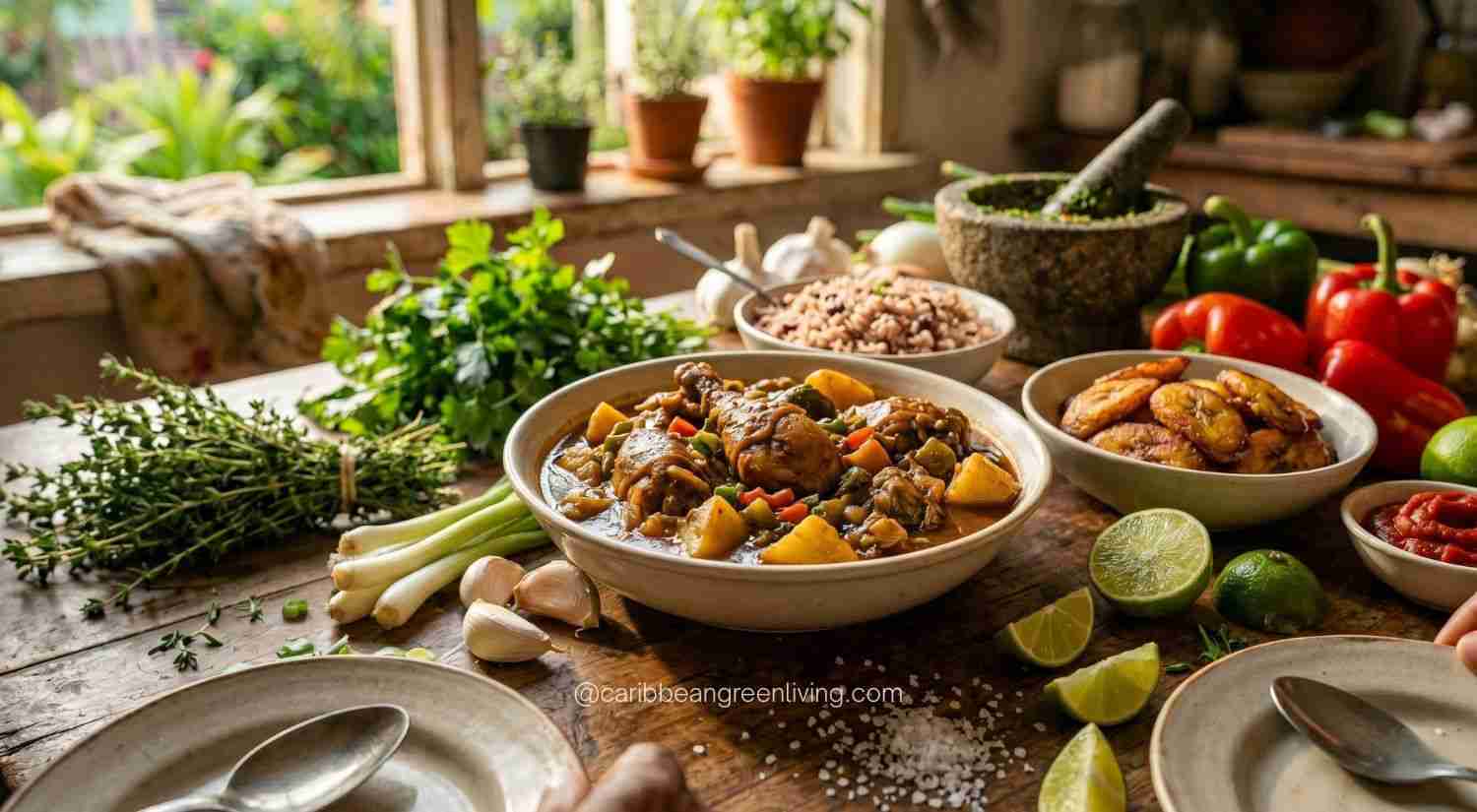
Learning how to build flavor without bouillon cubes starts with understanding how Caribbean cooking works.
One of the biggest misconceptions in cooking is that flavor comes from a single ingredient. In reality, flavor develops through the combination of herbs, aromatics, acids, fats, cooking techniques, and time.
Bouillon cubes can contribute flavor, but they should not be the only source of flavor in a dish. Learning how to build flavor naturally gives you more control over the final taste of your meals and helps you become a more confident cook.
Once you understand these flavor-building blocks, you’ll depend less on bouillon cubes and more on ingredients that naturally create the rich, balanced flavors Caribbean cooking is famous for.