Peaches Guide: How to Choose, Store, Freeze, and Cook with Fresh Peaches
This Peaches Guide covers everything you need to know about choosing, storing, freezing, and cooking with fresh peaches. Whether you’re buying them at the farmers market or picking them straight from the orchard, you’ll learn how to make the most of this delicious summer fruit.
While peaches are not native to the Caribbean, they have become a popular seasonal fruit in many Caribbean households across North America. They’re delicious eaten fresh, transformed into pies and cobblers, mixed into fruit salads, or used to make refreshing beverages.
One of my favorite summer traditions is visiting local pick-your-own farms. Spending a day walking through the orchards, selecting perfectly ripe peaches straight from the trees, is an experience that goes far beyond bringing home fresh fruit. It is an opportunity to reconnect with nature, appreciate the hard work that goes into growing food, and teach children the importance of respecting the environment and reducing food waste. Picking peaches together has become one of those simple family memories that lasts long after the season ends.
This guide covers everything you need to know about peaches—from choosing the best fruit and storing it properly to freezing, cooking, and using every peach before it goes to waste.

Peaches Guide: What Are Peaches?
Peaches (Prunus persica) are stone fruits belonging to the rose family. They are closely related to nectarines, cherries, apricots, almonds, and plums.
Despite their scientific name suggesting Persian origins, peaches actually originated in China over 4,000 years ago before spreading across Asia, Europe, and eventually the Americas.
Every peach contains:
- Soft fuzzy skin
- Sweet juicy flesh
- A hard pit (stone) in the center
Today, peaches are grown throughout the United States, particularly in:
- Georgia
- South Carolina
- California
- New Jersey
- Pennsylvania
Fresh peaches are available from late spring through early fall, with peak season typically from June through September.
Peaches at a Glance
| Feature | Information |
|---|---|
| Botanical Name | Prunus persica |
| Family | Rosaceae |
| Origin | China |
| Season | Late Spring to Early Fall |
| Flavor | Sweet, floral, slightly tangy |
| Texture | Soft, juicy, tender |
| Colors | Yellow, white, blush red |
| Types | Yellow, White, Donut (Flat) |
| Best Uses | Baking, drinks, salads, desserts, sauces |
| Freeze Well | Yes |
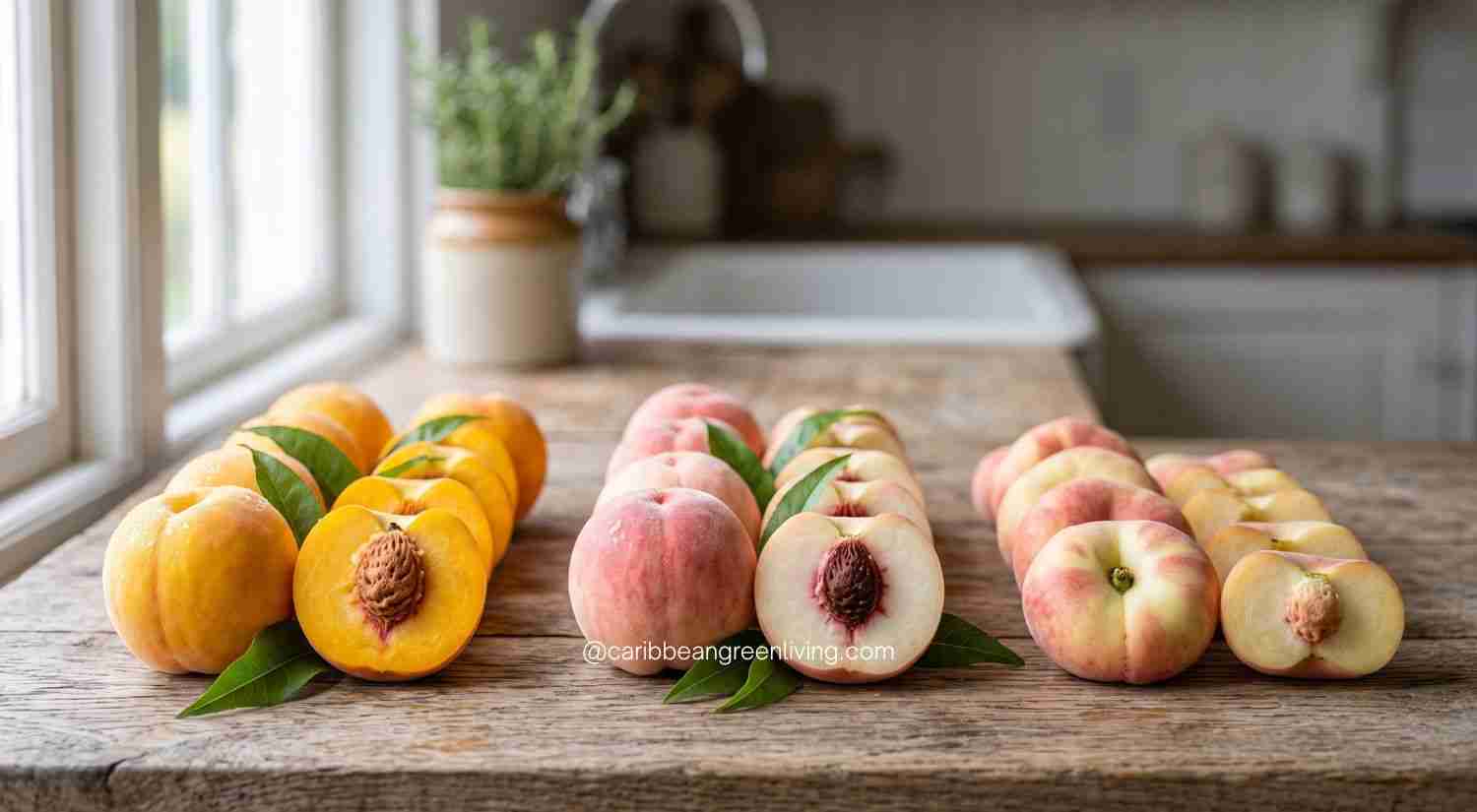
Types of Peaches
Yellow Peaches
Yellow peaches are the most common variety found in grocery stores.
They have:
- bright golden flesh
- balanced sweetness
- noticeable acidity
- firm texture
They’re perfect for:
- pies
- cobblers
- grilling
- roasting
- jams
- compotes
White Peaches
White peaches are sweeter and less acidic than yellow peaches. If you cannot find white peaches at your local supermarket, you may find them at Asian markets and large and specialty supermarket chains.
They have:
- delicate floral aroma
- pale cream-colored flesh
- incredibly juicy texture
- lower acidity
They’re wonderful eaten fresh or in fruit salads.
Donut (Flat) Peaches
Donut peaches, sometimes called Saturn peaches, are flat instead of round. Same for the white peaches; donut peaches are not commonly found in all supermarkets. Try visiting Asian supermarkets and large specialty supermarkets.
They are known for:
- very sweet flavor
- small pit
- tender flesh
- easy snacking
Children especially love these because they’re easier to hold and eat.
What Do Peaches Taste Like?
The flavor depends on the variety.
- Yellow peaches have a balance of sweetness and tanginess.
- White peaches are sweeter with floral notes.
- Donut peaches are exceptionally sweet with very little acidity.
A ripe peach should be:
- juicy
- fragrant
- tender
- naturally sweet
Peaches vs. Nectarines
| Peaches | Nectarines |
|---|---|
| Fuzzy skin | Smooth skin |
| Softer texture | Slightly firmer |
| Sweet | Sweet with more tang |
| Excellent for baking | Excellent fresh or baked |
| Same fruit family | Same fruit family |
Nutrition
One medium peach contains approximately:
- 59 calories
- 1 gram protein
- 14 grams carbohydrates
- 2 grams fiber
- Vitamin C
- Vitamin A
- Potassium
- Niacin
Peaches are naturally:
- fat free
- cholesterol free
- low in sodium
Health Benefits
Eating peaches may help support:
Immune Health
Vitamin C supports normal immune function.
Digestion
Fiber helps promote healthy digestion.
Hydration
Peaches contain nearly 90% water.
Heart Health
Potassium supports healthy blood pressure.
Skin Health
Vitamin A and antioxidants help support healthy skin.
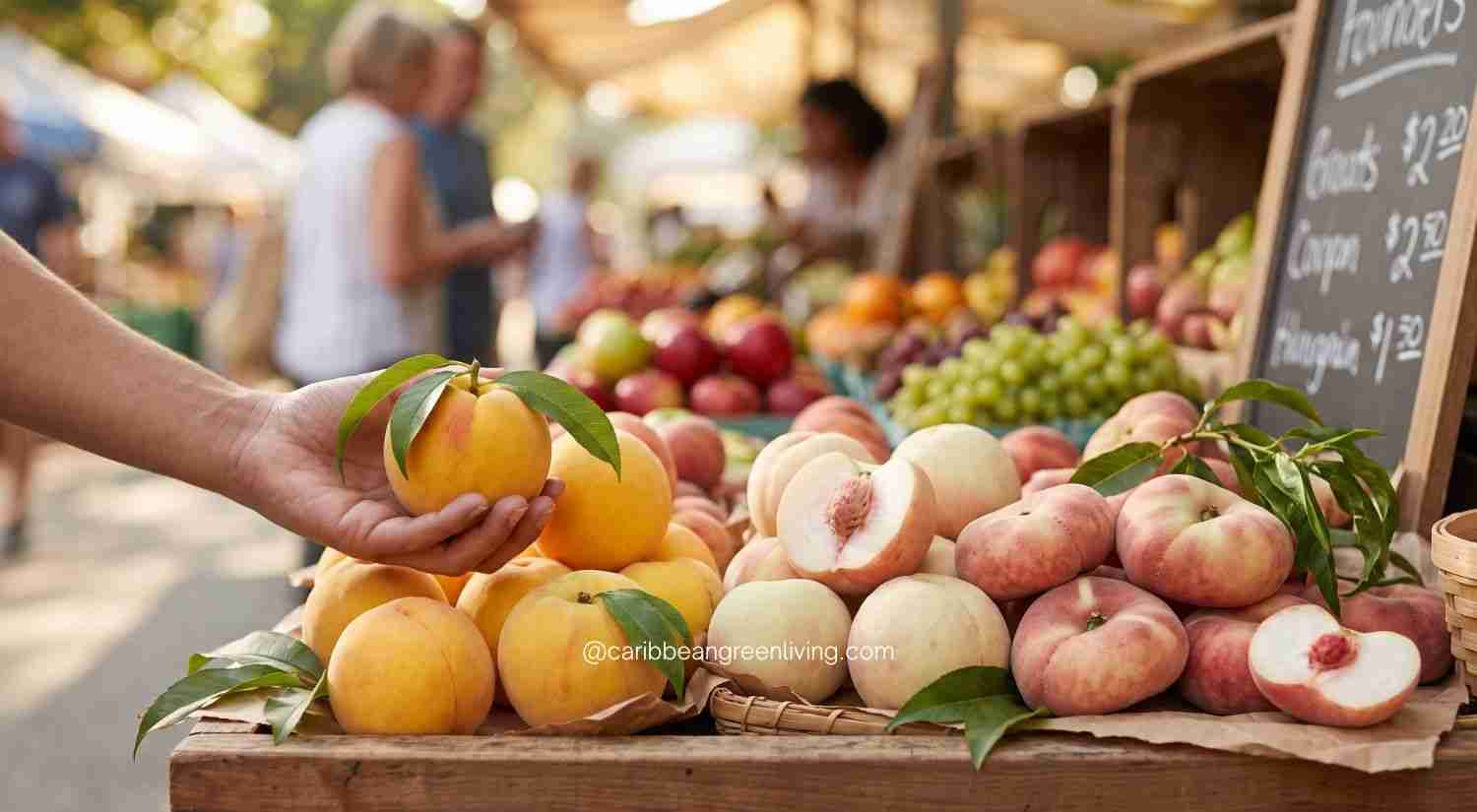
How to Choose Peaches
Choose peaches that are:
✔ fragrant
✔ slightly soft
✔ heavy for their size
✔ free from bruises
Avoid peaches that are:
- green
- rock hard
- wrinkled
- moldy
- leaking juice
How to Ripen Peaches
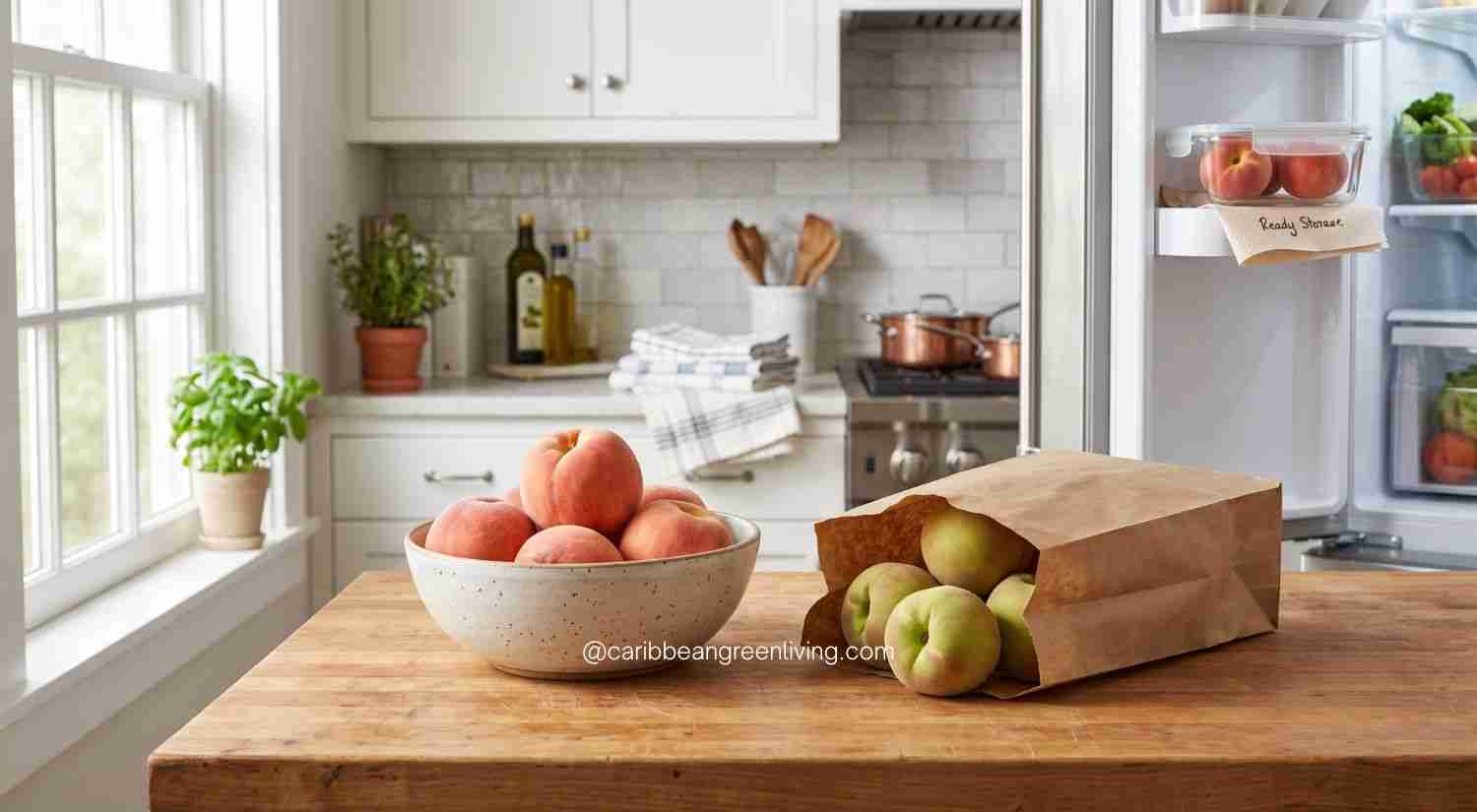
If your peaches are still firm:
Place them in a paper bag at room temperature for 1–3 days.
To speed up ripening, add:
- banana
- apple
The natural ethylene gas speeds the process.
Never refrigerate peaches before they finish ripening. They will start to spoil faster.
How to Wash Peaches
You don’t need special produce washes to clean fresh peaches. A simple vinegar solution works well to remove dirt and surface residue.
If you’re washing one peach at a time, here’s the method I use:
- Lightly spray the entire peach with your vinegar spray solution.
- Gently rub the vinegar over the skin with your hands, making sure to cover the entire fruit.
- Rinse thoroughly under cool running water.
- Pat dry with a clean kitchen towel or paper towel before eating or slicing.
Tip: Wash peaches just before using them rather than before storing them. Keeping the skin dry helps extend their freshness and prevents them from spoiling too quickly.
Avoid using soap.
Can You Eat Peach Skin?
Yes. The skin contains fiber and antioxidants. Simply wash thoroughly before eating.
If you prefer smoother fruit for baking, blanch peaches for about 30 seconds, transfer them to ice water, and the skins will peel off easily.
How to Cut Peaches
- Wash.
- Slice around the pit.
- Twist both halves.
- Remove the pit.
- Slice or dice.
How to Store Peaches
Unripe
Store at room temperature.
Ripe
Refrigerate for up to:
- 5 days
Bring them back to room temperature before serving for the best flavor.
Can You Freeze Peaches?
Yes. Peaches freeze beautifully.
Option 1
Slice and freeze on a baking sheet.
Transfer to freezer bags.
Option 2
Freeze with lemon juice to prevent browning.
Option 3
Freeze peach puree for smoothies.
Frozen peaches keep well for 8–12 months.

Best Ways to Use Peaches
Fresh peaches are delicious in:
- smoothies
- lemonade
- fruit salads
- yogurt
- oatmeal
Cooked peaches work wonderfully in:
- pies
- cobblers
- crisps
- cakes
- sauces
- grilled dishes
Caribbean Uses for Peaches
Although peaches are not a traditional Caribbean fruit, many Caribbean home cooks enjoy them during the summer while they’re in season.
You’ll often find peaches used in:
- homemade desserts
- fruit platters
- refreshing beverages
- sangrias
- summer entertaining
For Caribbean-inspired cooking, peaches pair beautifully with:
- vanilla
- ginger
- lime
- rum
- cinnamon
- nutmeg
- cloves
- allspice
- citrus zest
Zero-Waste Tips
Don’t waste overripe peaches.
Instead:
- make smoothies
- bake muffins
- cook jam
- freeze slices
- blend into sauces
- puree for popsicles
Even bruised peaches can become delicious desserts.
Recipes to Try
Peach Lemonade with Vanilla and Ginger
A refreshing Caribbean-inspired summer drink combining ripe peaches, fresh ginger, vanilla extract, and lemon.
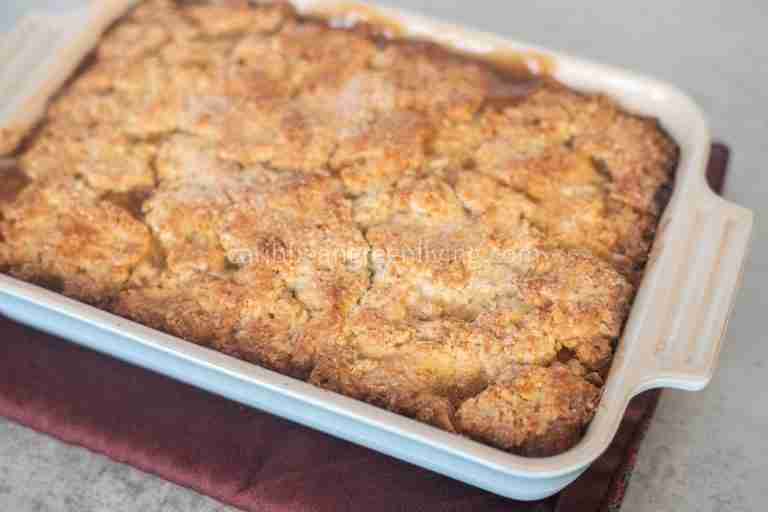
Peach Cobbler
Perfect for showcasing ripe summer peaches with a buttery topping.
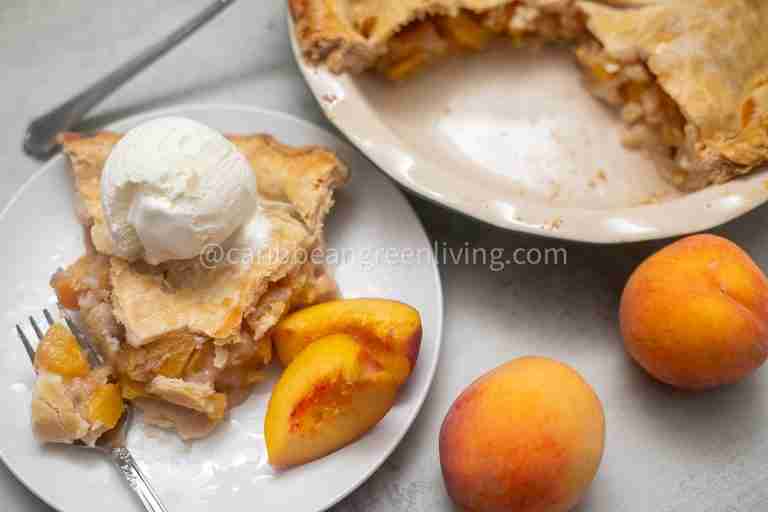
Peach Pie
Classic homemade pie with juicy peach filling.
Peaches and Wine
A simple, elegant dessert for entertaining.
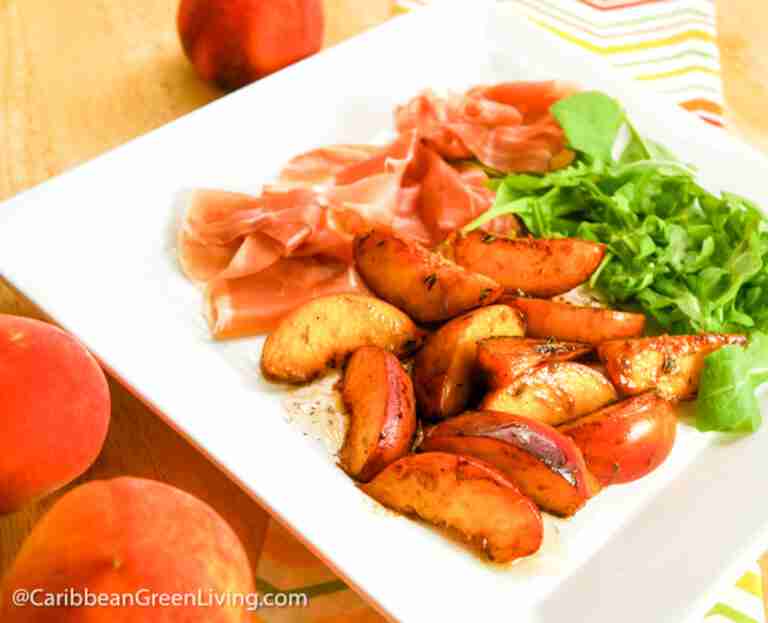
Warm Peach and Prosciutto Salad
A sweet-and-savory combination that’s perfect for summer lunches.

Frequently Asked Questions
Are peaches and nectarines the same fruit?
They are very closely related. The main difference is that peaches have fuzzy skin while nectarines have smooth skin.
Should peaches be refrigerated?
Only after they have ripened.
Can you freeze peaches without sugar?
Yes. Simply slice and freeze.
Can you eat peaches raw?
Absolutely. Fresh peaches are delicious straight from the tree.
Why are my peaches hard?
They were picked before fully ripening. Leave them at room temperature for a few days.
Can dogs eat peaches?
Yes, in moderation and without the pit, but always check with your veterinarian if you have concerns.
Are white peaches sweeter than yellow peaches?
Yes. White peaches usually contain less acidity, making them taste sweeter.
What is the difference between donut peaches and regular peaches?
Donut peaches are flatter, sweeter, and have a smaller pit.
Expert Tips
- Buy local peaches whenever possible.
- Visit pick-your-own orchards during peak season.
- Refrigerate only after peaches become ripe.
- Freeze extra peaches before they become overripe.
- Let refrigerated peaches warm to room temperature before eating.
- Pair peaches with warm spices like cinnamon, ginger, vanilla, and nutmeg for Caribbean-inspired desserts and beverages.
Conclusion
Fresh peaches are one of summer’s greatest pleasures. Whether you enjoy the bright tang of yellow peaches, the delicate sweetness of white peaches, or the candy-like flavor of donut peaches, there’s no shortage of delicious ways to use them. From family trips to local orchards to homemade pies, refreshing drinks, and simple everyday snacks, peaches bring people together around fresh, seasonal food.
With the tips in this guide, you’ll know how to choose the best peaches, store them properly, freeze them for later, and make the most of every fruit. We hope this Peaches Guide helps you enjoy peach season even more. So the next time peach season arrives, grab a basket, visit a local farm if you can, and enjoy every juicy bite while it lasts.