The Influence of African Heritage in Caribbean Culture: A Deep Rooted Legacy with a Haitian Beat
When you think of the Caribbean, you might imagine turquoise waters, swaying palm trees, steelpan beats, and plates stacked with vibrant, flavorful food. And while all that is true and beautiful, there’s a deeper, richer story pulsing through the culture of these islands—a story shaped by survival, resistance, creativity, and spirit. That story is the legacy of Africa.
Across the Caribbean, African heritage isn’t just a part of the culture—it is the culture. From food to music, religion to art, language to storytelling—Africa’s influence is everywhere, and it’s loud, proud, and alive. Let’s take a little journey through this powerful heritage, with a special spotlight on Haiti and the French Caribbean islands.

Haiti: The First Black Republic, Born from Resistance
Let’s start with Haiti—the heartbeat of African legacy in the Caribbean. Haiti isn’t just another island in the sea. It holds the badge of being the first independent Black nation in the world, formed after the only successful slave revolt in history. That’s right—Africans brought to the island as slaves stood up, fought back, and said, “Not today, colonizer!” The Haitian Revolution (1791–1804) wasn’t just a victory; it was a statement. A declaration that African descendants will not be broken.
And that revolutionary spirit? It didn’t just win freedom. It carved a path for the cultural identity that lives on today.
The African Touch in Caribbean Cuisine
Let’s talk food—because if you’re not eating in the Caribbean, are you even living?
African heritage is all over Caribbean kitchens. Think of the staples: yams, plantains, okra, pigeon peas, black-eyed peas—these are all African contributions. Cooking methods like grilling, smoking, barbecuing, stewing, and one-pot meals came from African traditions, especially among enslaved Africans who made magic with what little they had.
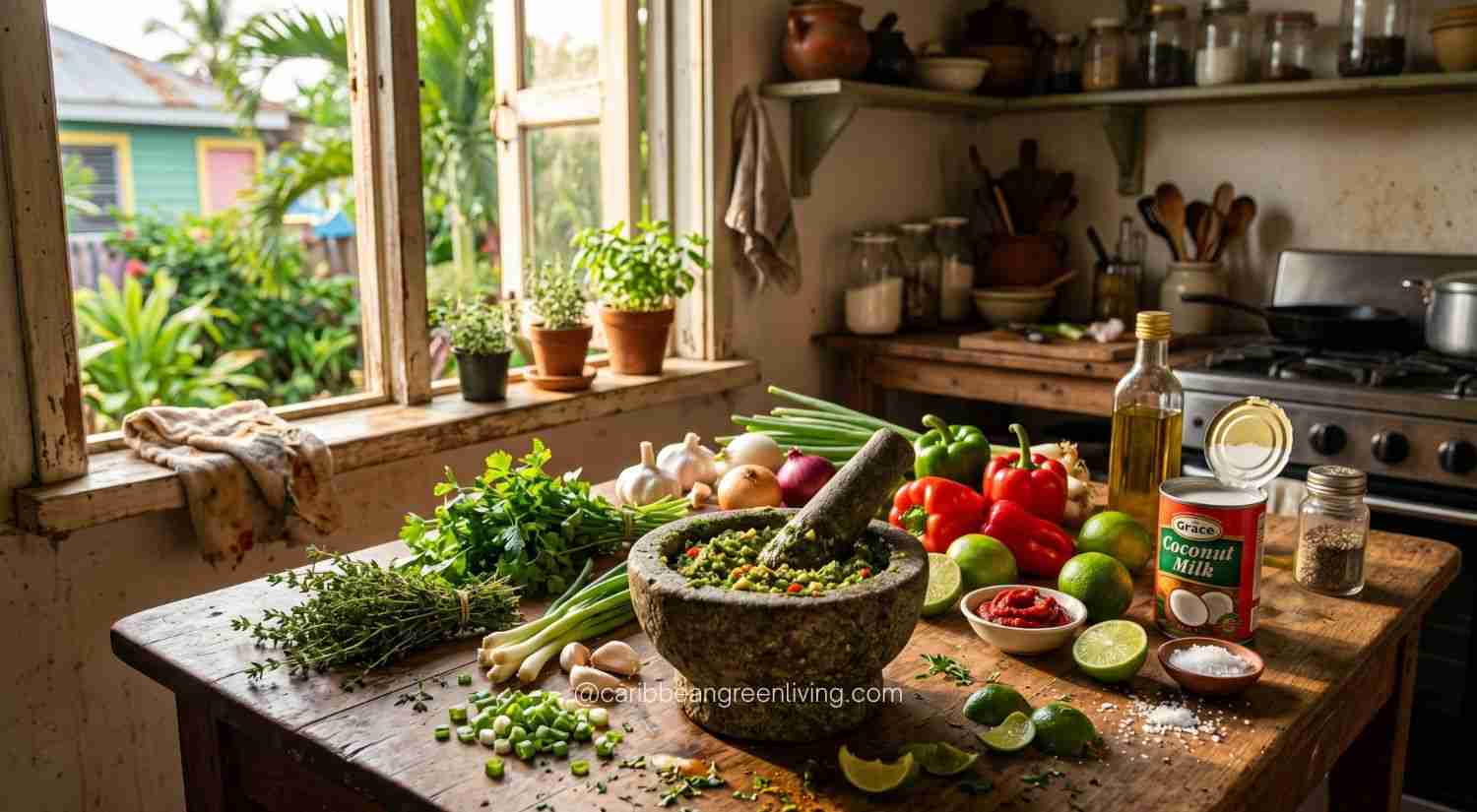
In Haiti and the French Caribbean, dishes like Griot (fried pork), Marinad (spiced fritters), Soup Joumou (freedom soup), and rice and beans are flavored with fresh herbs like thyme, parsley, scallions, epis (a seasoned base sauce), garlic, and Scotch bonnet peppers. That bold layering of flavor? That’s African intuition at work.
The food tells a story of community, survival, and celebration. It’s not just nourishment—it’s heritage on a plate.
Faith: Vodou, Christianity, and Sacred Blends
Religion in the Caribbean, especially in Haiti and the French Antilles, is a fascinating tapestry. Enslaved Africans brought their spiritual beliefs with them—faith systems that honored ancestors, nature, spirits, and the divine.
In Haiti, Vodou (not the Hollywood version!) is a deeply respected and sacred African diasporic religion, blending elements from West African spirituality with Christianity and Indigenous influences. It’s about connecting with the spiritual world, honoring ancestors, and seeking guidance. It’s not about dolls and hexes—get that stereotype out of here.
Christianity, introduced through colonization, was often embraced alongside traditional beliefs. This spiritual blending—called syncretism—is powerful. It’s where saints become lwa (spirits), and altars can hold both crucifixes and candles for African deities. Religion here is layered, vibrant, and full of rhythm.
Music, Dance, and Folklore: Beats of the Ancestors
You ever hear Caribbean drums and feel like your soul just knows the rhythm? That’s the African heartbeat.
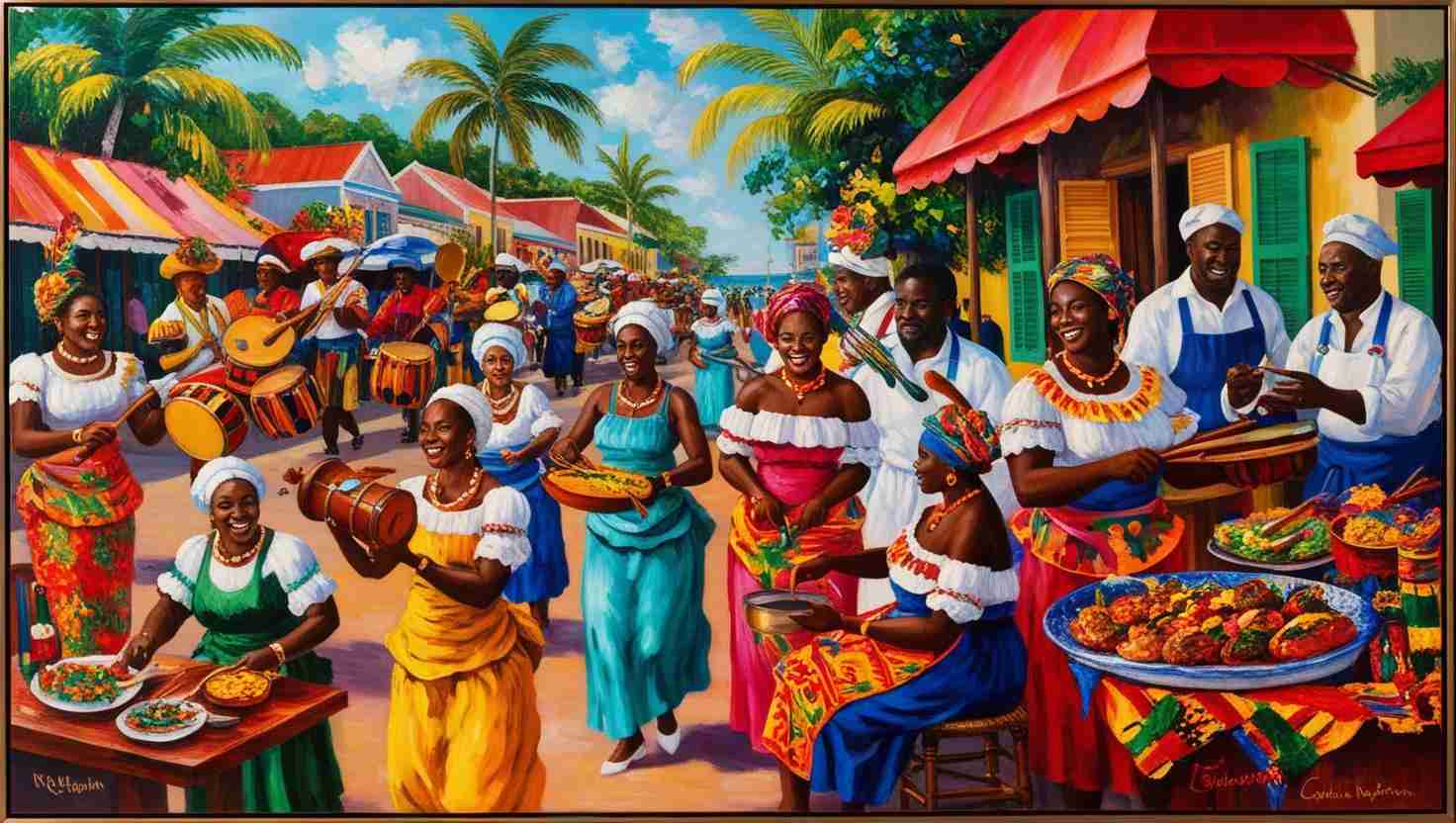
African music gave the Caribbean its drums, call-and-response songs, polyrhythms, dance traditions, and storytelling through sound. In Haiti, you’ve got Rara, Vodou ceremonial music, and traditional folk songs passed down through generations. Over in Guadeloupe and Martinique, Gwo Ka and Bèlè drumming styles, both rooted in African rhythms, are central to cultural expression.
These aren’t just performances—they’re rituals. They connect us to the past, heal communities, and move bodies and spirits alike.

Art, Craft, and Storytelling: Expression with Soul
Caribbean art is soaked in symbolism and storytelling—another African inheritance. Enslaved Africans weren’t allowed to write or read, so they expressed themselves through oral storytelling, vibrant textile patterns, beadwork, woodcarving, painting, and ritual art.
In Haiti, you’ll see stunning metalwork made from recycled oil drums (resourceful and beautiful), colorful paintings bursting with symbolism, and storytelling woven into every brushstroke. From the markets of Port-au-Prince to the galleries in Martinique, the African flair is unmistakable.
Folklore still dances on tongues, too—tales of tricksters, spirits, and ancestral wisdom passed down from grandma’s lips to curious little ears.
Language: Creole Power
Languages like Haitian Creole, Guadeloupean Creole, and Martinican Creole aren’t just French with a twist. They are living, breathing languages born from the fusion of African languages, French, and Indigenous tongues. They’re resistance in words. Every time someone speaks Creole, they honor the people who refused to be silenced.
Final Thoughts: We Are the Legacy
African heritage in the Caribbean isn’t a chapter—it’s the foundation. And Haiti, standing proud as the first Black republic, reminds the world that culture can’t be crushed, and identity can’t be erased.
From the flavors in our food to the rhythm in our feet, the spirit in our prayers, and the stories in our crafts, the Caribbean pulses with African pride. And we keep that legacy alive every single day—in every griot fried, every drumbeat danced to, every Creole word spoken, and every prayer whispered under a candle’s glow.
So, the next time you enjoy a Caribbean meal or vibe to some island music, take a moment to honor where it all started. Africa is not just in our history—it’s in our bones.
Sources: