Avocado Guide: How to Choose, Ripen, Store and Use Avocados
Creamy, mild, and incredibly versatile, avocado is one of those ingredients that can turn a simple meal into something special. In Caribbean cooking, avocado is more than something to mash for guacamole or spread on toast. You can serve a few fresh slices alongside rice and beans, meat, seafood, vegetables, salads, and other everyday dishes.
If you grew up eating the large green avocados commonly found throughout the Caribbean, you may also have noticed that they can look and taste quite different from the small, dark Hass avocados found in most U.S. supermarkets.
This guide explores those differences and covers the practical things you need to know about avocados: how to choose one, ripen it, store it, cut it, prevent browning, pair it with food, and use it in Caribbean meals.

What Is an Avocado?
Avocado (Persea americana) is a tropical and subtropical fruit native to the Americas. Botanically, it is a fruit, more specifically, a berry with a single large seed, even though we usually treat it as a savory ingredient in the kitchen.
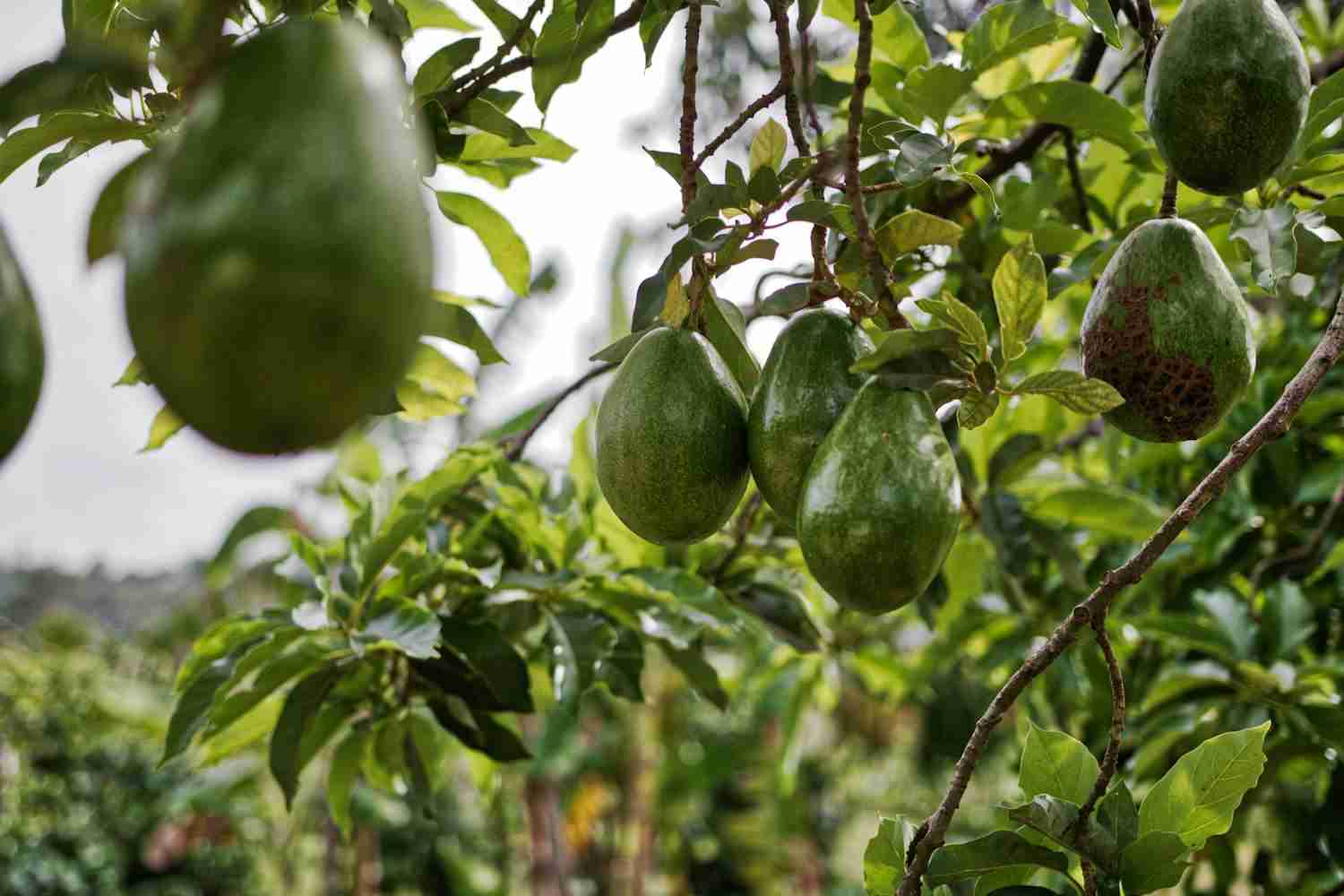
Avocados vary considerably in size, shape, skin color, texture, flavor, and fat content. Some are small with thick, dark, pebbled skin. Others are quite large with smooth, bright-green skin that can remain green even as the fruit ripens.
That is why color alone isn’t a reliable way to tell whether an avocado is ripe.
Avocados are generally grouped into three major horticultural types: West Indian, Guatemalan, and Mexican. Many commercially grown avocados are also hybrids of these groups.
Avocados in Caribbean Cooking
Avocado has a natural place on the Caribbean table.
Rather than always transforming it into another dish, one of the simplest ways to enjoy avocado is to cut it into wedges or slices and serve it alongside the meal. Its mild, creamy flesh provides a pleasant contrast to highly seasoned foods, spicy condiments, beans, rice, meat, and seafood.
Avocado also works beautifully in fresh salads, sandwiches, seafood dishes, grain bowls, and vegetable dishes.
That simplicity is part of its appeal. A ripe avocado doesn’t need much preparation. Sometimes a little salt or citrus is enough, and sometimes it needs nothing at all.

Avocado in Haitian Cuisine
In Haitian cuisine, avocado, zaboka in Haitian Creole, is enjoyed throughout the day, from breakfast to lunch and dinner. It may be served simply sliced alongside a meal, tucked into bread for a sandwich, or paired with other savory foods.
At breakfast, ripe avocado can accompany eggs, smoked herring, or salted codfish prepared in Creole sauce. It also makes a simple and satisfying sandwich with Haitian bread. At lunch or dinner, avocado is commonly served alongside rice and beans, meat, poultry, seafood, vegetables, and other everyday dishes.
Its creamy, mild flavor works especially well with salty, spicy, acidic, or deeply seasoned foods. That contrast is part of what makes avocado such a natural companion to Haitian food. It doesn’t need to be mashed, blended, or turned into a separate recipe; a few generous slices alongside the meal are often enough.
This way of eating avocado extends beyond Haiti. Throughout the Caribbean, avocado can appear at different meals of the day and is often enjoyed simply, allowing the flavor and texture of the ripe fruit to complement whatever else is being served.
Caribbean Avocado vs. Hass Avocado
The term “Caribbean avocado” commonly refers to the large, green-skinned avocados familiar throughout the Caribbean and parts of Florida. It does not refer to one specific cultivar. Many of these avocados are associated with West Indian types or West Indian–Guatemalan hybrids.
Hass is a specific avocado cultivar with characteristics quite different from many larger green varieties.
| Characteristic | Large Green/Caribbean-Type Avocado | Hass Avocado |
|---|---|---|
| Size | Often medium to very large | Usually smaller |
| Skin | Often green and relatively smooth | Thick and pebbled |
| Color when ripe | May remain green | Usually darkens as it ripens |
| Flesh | Creamy but often lighter | Dense, creamy and buttery |
| Fat/oil content | Often lower, depending on variety | Generally higher |
| Flavor | Mild to nutty, depending on variety | Rich and buttery |
| Good uses | Slicing, salads, serving alongside meals | Guacamole, dips, toast, salads and spreads |
Neither type is automatically “better.” They simply offer different eating experiences.
For a plate of rice, beans, meat, or fish, I often appreciate the freshness and generous slices you can get from a large green avocado. For something with a dense, rich texture, such as a spread or dip, Hass may be a better fit.
The best choice ultimately depends on the dish and your preference.

Common Types and Varieties of Avocado
There are hundreds of avocado cultivars, so you don’t need to memorize them all to buy a good avocado.
Some names you may encounter include:
- Hass: Small to medium, pebbled skin, rich flesh, and one of the most common supermarket varieties.
- Simmonds: A large, green-skinned avocado associated with Florida and West Indian types.
- Choquette: Large, green, and commonly grown in Florida.
- Monroe: A large green variety typically available later in the season.
- Lula: A green-skinned variety with Guatemalan and West Indian ancestry.
- Russell: A distinctive green avocado with an elongated shape.
Availability varies considerably by location and season.
Instead of choosing an avocado solely by variety, think about what you want to do with it. For slicing and serving with meals, a firm but ripe green avocado works well. For mashing and spreading, look for an avocado with particularly creamy flesh.
How to Choose a Good Avocado
Start with how the avocado feels rather than relying entirely on its color.
Hold the avocado gently in your palm and apply light pressure. Avoid squeezing it aggressively with your fingertips, which can bruise the flesh.
A ripe avocado should generally yield slightly to gentle pressure without feeling mushy.
If it feels very hard
It probably needs more time to ripen.
If it gives slightly
It is likely ready or nearly ready to eat.
If it feels very soft or has sunken spots
It may be overripe or bruised.
Remember, some green-skinned avocado varieties stay green when ripe. Waiting for every avocado to turn dark can leave you waiting for something that will never happen.

How to Ripen Avocados
Avocados mature on the tree but generally soften and ripen after they are harvested.
If your avocado is hard, leave it at room temperature and check it daily.
To encourage faster ripening, place it in a paper bag with a banana or apple. These fruits naturally release ethylene gas, which can help speed the ripening process.
Don’t refrigerate a hard avocado if you’re trying to ripen it quickly. Cooler temperatures slow ripening.
Once it reaches the texture you want, move it to the refrigerator if you’re not ready to eat it immediately.
How to Store Avocados
How you store an avocado depends on its stage of ripeness.
Unripe avocado:
Keep it at room temperature until it begins to soften.
Ripe whole avocado:
Refrigerate it to slow further ripening.
Cut avocado:
Cover it tightly and refrigerate promptly. For best quality, use it as soon as possible.
Mashed avocado:
Store it in an airtight container in the refrigerator. Limiting exposure to air helps slow browning.
Avocado flesh is delicate once cut, so don’t expect a cut avocado to look freshly opened for days.
How to Keep Cut Avocado From Turning Brown
Avocado turns brown when its cut surface is exposed to oxygen. This is called enzymatic browning.
A little browning doesn’t necessarily mean the avocado has spoiled, but it can make it less appealing.
To slow browning:
- Add lemon or lime juice to the exposed flesh.
- Cover the cut surface tightly.
- Use an airtight container.
- Refrigerate promptly.
- Keep as little exposed surface area as possible.
If only the very top has browned, you can often remove that thin layer and use the green flesh underneath, provided the avocado otherwise smells and looks fresh.

How to Cut an Avocado Safely
Place the avocado on a stable cutting board rather than holding it in your hand.
Cut lengthwise around the fruit until the knife reaches the seed. Rotate the avocado as you cut around it, then gently twist the two halves apart.
Remove the seed carefully. Avoid striking the pit with a knife while holding the avocado in your hand.
You can then scoop the flesh out with a spoon or peel away the skin, depending on the variety and how you plan to use it.
Slice, dice, or mash as needed.
What Does Avocado Taste Like?
Avocado has a mild flavor and smooth, creamy texture, but the exact flavor depends on the variety.
Some avocados are rich, buttery, and slightly nutty. Others are lighter, fresher, and more delicate.
Large green avocados can sometimes contain less oil than Hass and therefore taste lighter. This doesn’t mean they’re flavorless or inferior. Their texture and mild flavor can be exactly what works best alongside a strongly seasoned Caribbean meal.
What Foods Go Well With Avocado?
In Haitian cuisine, avocado is primarily served as a side dish or accompaniment. It is not typically cooked into the food, mashed into dishes, or stirred into beans and legumes. Instead, ripe avocado is sliced and served fresh alongside the meal, often with a simple sprinkle of salt and black pepper.
Rice and traditional grains: Avocado is commonly served alongside white rice, especially when the rice is accompanied by sos pwa (bean sauce), legim (Haitian vegetable stew), or meat prepared in sauce. You may also see avocado served with rice cooked with pigeon peas. Other traditional pairings include mayi moulen (cornmeal/polenta), ble (bulgur wheat), and pitimi (millet).
Meat and poultry: A few slices of avocado make a natural accompaniment to chicken, beef, pork, goat, and other meat dishes, particularly when the meat is served with a Creole-style sauce. The avocado stays separate on the plate rather than being incorporated into the sauce.
Fish and seafood: Avocado is also served alongside fish and seafood. Whether the seafood is prepared in sauce, fried, roasted, or cooked another way, the avocado remains a fresh side dish that provides a creamy contrast to the seasoned food.
Breakfast and lunch: Avocado isn’t reserved for dinner. Haitians enjoy it throughout the day. At breakfast or lunch, it can accompany eggs, smoked herring, or salted codfish in Creole sauce. Fresh avocado also pairs particularly well with Haitian bread and can be tucked inside the bread to make a simple avocado sandwich.
Salads: When avocado is added to a Haitian-style salad, it is generally cubed rather than mashed. The pieces remain distinct so the avocado keeps its texture and complements the other salad ingredients.
With pikliz: Pikliz can be eaten with avocado when the avocado is part of a meal containing meat or seafood. A little pikliz may be placed on top of a slice of avocado before eating it, bringing together the cool, creamy avocado and the sharp, spicy pickled vegetables. Avocado and pikliz are still accompaniments to the main meal rather than a separate avocado-and-pikliz dish.
The simplest preparation is often the most traditional: slice a ripe avocado, place a few pieces alongside the food, and season with a little salt and black pepper. Its mild, creamy flavor balances the sauces, spices, acidity, and stronger flavors already present on a Haitian plate.
Can You Cook Avocado?
Avocado can be cooked, and some cuisines use it in baked, grilled, or other cooked preparations. However, this is not the traditional way avocado is eaten in Haitian cuisine.
In Haitian cooking, avocado is generally served fresh and uncooked. A ripe avocado is sliced and placed alongside the meal as a side dish, often with a little salt and black pepper. It may accompany white rice with sos pwa, legim, meat or poultry in sauce, rice with pigeon peas, mayi moulen, ble, pitimi, fish, or seafood.
Avocado may also be served with breakfast or lunch foods such as eggs, smoked herring, salted codfish in Creole sauce, or Haitian bread. When used in a salad, it is typically cut into cubes and added fresh rather than mashed.
So while avocado certainly can be cooked, for traditional Haitian meals, its role is usually much simpler: ripe, fresh, sliced, and served alongside the food.
I think this version earns its place in the guide because someone searching “Can you cook avocado?” gets an answer, while CGL also provides the cultural context that a generic avocado guide probably won’t.
Avocado Nutrition and Potential Health Benefits
Avocado is unusual among fruits because a significant portion of its calories comes from fat, primarily unsaturated fat.
It also provides dietary fiber and nutrients including potassium, folate, vitamin K, vitamin E, and vitamin C.
The combination of fat and fiber can also make avocado a satisfying addition to a meal.
Rather than thinking of avocado as a miracle “superfood,” it’s more useful to think of it as one nutritious ingredient that can be part of a varied, balanced diet.
Its fat content can also help the body absorb certain fat-soluble nutrients from other foods eaten in the same meal.
Avocados are more calorie-dense than many fruits because of their fat content, so portion size can be adjusted according to the rest of the meal and your individual needs.
Are Avocados Healthier Than Other Fruits?
Not necessarily—and they don’t need to be.
Different fruits provide different nutrients.
Avocados stand out because they contain substantially more fat than most fruits, while also providing fiber, vitamins, minerals, and other plant compounds.
Berries, citrus fruits, mangoes, papayas, bananas, and other fruits bring their own nutritional advantages.
A varied diet is more useful than trying to identify one fruit as the “healthiest.”

Frequently Asked Questions About Avocados
Is avocado a fruit or a vegetable?
Avocado is botanically a fruit. In the kitchen, however, it is usually treated more like a savory vegetable.
How do I know when an avocado is ripe?
Gently press the avocado with your palm. A ripe avocado usually gives slightly without feeling mushy. Don’t rely solely on skin color because some varieties remain green when ripe.
Why is my avocado still green when it feels ripe?
Some avocado varieties naturally retain green skin as they ripen. This is particularly common among many large green avocado varieties.
Should avocados be refrigerated?
Unripe avocados are generally best left at room temperature. Once ripe, refrigeration can help slow further softening.
How can I ripen an avocado faster?
Place it in a paper bag, optionally with an apple or banana, and leave it at room temperature. Check it daily.
Why does avocado turn brown?
Cut avocado reacts with oxygen in the air, causing enzymatic browning. Citrus juice, tight wrapping, refrigeration, and limiting exposure to air can slow the process.
Can you freeze avocado?
Yes. Avocado can be frozen, particularly mashed or pureed, although freezing and thawing can change its texture. Frozen avocado is usually better suited to blended preparations than to dishes where you want neat, fresh slices.
Can you cook avocado?
Yes, avocado can be cooked, and some cuisines use it in grilled, baked, or other cooked preparations. In traditional Haitian cuisine, however, avocado is generally eaten fresh and uncooked. It is sliced and served as a side dish or accompaniment rather than cooked into the meal.
What’s the difference between Caribbean avocado and Hass avocado?
Large green avocados commonly associated with Caribbean and Florida markets are often larger, smoother-skinned, and lighter in texture than Hass. Hass avocados are generally smaller with pebbled skin and richer, higher-oil flesh. Exact characteristics vary by cultivar.
How is avocado eaten in Haiti?
Avocado, or zaboka in Haitian Creole, is enjoyed throughout the day and is usually served fresh. At breakfast or lunch, it may accompany eggs, smoked herring, salted codfish in Creole sauce, or Haitian bread. At dinner, slices may be served alongside white rice with sos pwa, legim, meat or poultry in sauce, rice with pigeon peas, mayi moulen, ble, pitimi, fish, or seafood. Avocado may also be cubed and added to salads. It is typically kept simple, with a little salt and black pepper.
Avocado Recipes to Try
If you have ripe avocados waiting on the counter, here are several ways to put them to good use:
- Grape Salad with Mixed Greens and Avocado — sweet grapes, greens, and creamy avocado make an easy fresh salad.
- Shrimp, Avocado, and Chayote Salad — a combination especially well suited to Caribbean flavors.
- Tuna Salad with Romaine, Avocado, and Pomegranate — creamy avocado balances crisp greens and bright fruit.
- Grilled Shrimp, Avocado, and Tomato Salad — a simple combination of seafood, fresh vegetables, and avocado.
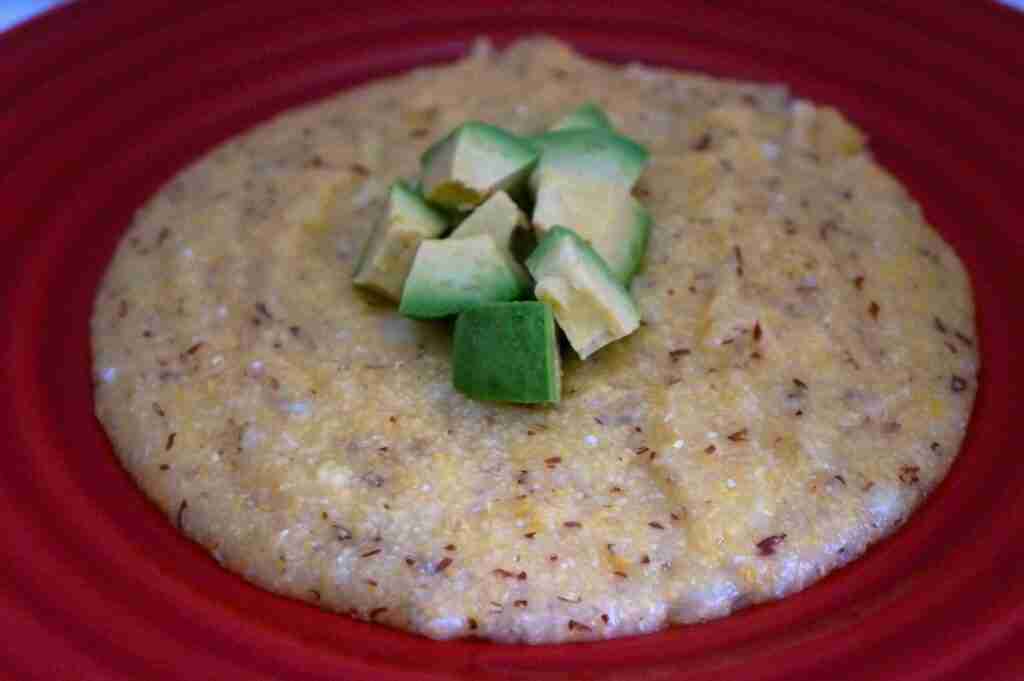
- Polenta with Flaxseed — another meal where fresh avocado can add richness and contrast.
You can also keep things simple: cut a ripe avocado into wedges and serve it with your favorite rice-and-beans dish, seafood, chicken, eggs, or salad.



A Simple Ingredient Worth Keeping Around
Avocado doesn’t need an elaborate recipe to earn its place at the table.
For Caribbean cooking in particular, its strength is often its simplicity. A few slices can bring creaminess and freshness to a plate of rice and beans, balance spicy or acidic flavors, complement seafood or meat, or turn a basic salad into something more satisfying.
Learn how your preferred avocado variety ripens, choose it according to how you plan to use it, and don’t be afraid to enjoy it the simplest way possible.
Sometimes all a good avocado needs is a plate to sit beside.
Sources:
- https://www.bhf.org.uk/informationsupport/heart-matters-magazine/nutrition/ask-the-expert/avocado
- https://www.webmd.com/food-recipes/all-about-avocados
- https://www.webmd.com/diet/foods-high-in-vitamin-e
- https://www.nhs.uk/live-well/eat-well/how-to-eat-a-balanced-diet/eating-a-balanced-diet/
- https://www.nia.nih.gov/health/healthy-eating-nutrition-and-diet/healthy-eating-you-age-know-your-food-groups
- https://www.webmd.com/diet/ss/slideshow-avocados-health-benefits