Cabbage in Caribbean Cuisine: How Chou Dur Powers Stews, Soups, Salads, and Budget-Friendly Meals
Cabbage doesn’t get flashy love in Caribbean cooking, but it absolutely runs the show. In Haitian and French Caribbean kitchens, chou dur (the white or green cabbage) is a workhorse vegetable: reliable, affordable, nourishing, and endlessly adaptable. It stretches meals, feeds crowds, and shows up in everything from everyday dinners to cultural and religious traditions.
Let’s break down why cabbage earns its permanent spot on the Caribbean table.
What We Mean by Cabbage (Chou Dur)
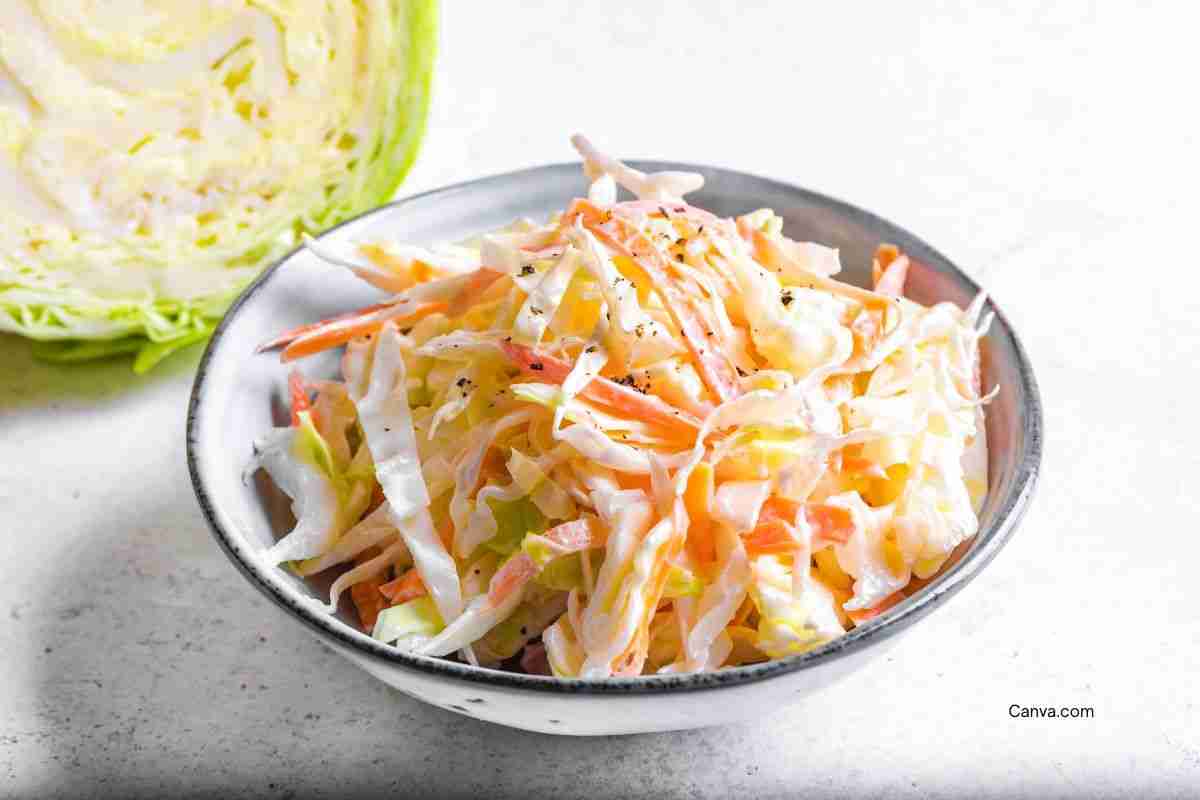
To avoid confusion, this post focuses on chou dur, the French term commonly used in the Caribbean to describe green or white cabbage, not to savoy, Napa, or red cabbage. This is the cabbage you’ll find piled high at markets, tucked into stews or Haitian legim, shredded into pikliz, or quietly simmering on the stove while rice cooks nearby. Simple. Honest. No frills.
How Cabbage Is Used in Caribbean (Haitian & French) Cuisine
1. Cabbage Stew (Chou en Sauce)
Cabbage is often cooked down into a savory stew, sometimes with carrots, onions, herbs, and protein. Soft but not mushy, this dish is typically served with rice or another healthy grain, soaking up all that seasoned goodness. It’s comfort food without trying too hard.
2. Cabbage in Soup (Especially Soup Joumou)
Cabbage is a key supporting player in Soup Joumou, Haiti’s iconic independence soup. Alongside squash, root vegetables, pasta, and meat, cabbage adds body, mild sweetness, and texture. Most Haitian cooks know that the soup wouldn’t be the same without it.

3. Pikliz (That Crunchy, Fiery Staple)
Shredded cabbage is the backbone of pikliz, Haiti’s spicy pickled slaw made with vinegar, peppers, carrots, and aromatics. It brings the crunch, balances heat, and holds up beautifully over time. No cabbage? No real pikliz. Period.
4. Fritters and Accra-Style Bites
Finely shredded cabbage can be folded into fritters or accra-style batters, adding texture and moisture. It’s a smart way to stretch ingredients and sneak vegetables into snacks without announcing it. Vegetables in disguise. Everyone wins.
5. A Good Friday and Everyday Side Dish
One of the simplest and most beloved uses of cabbage is as a boiled side dish, especially for Good Friday meals.
The method is straightforward:
- Cabbage cooked in salted water
- Served with butter, vinaigrette, or completely plain
This same preparation shows up year-round as an easy side for fish, legumes, or rice-based meals. No drama. Just good food.
6. Sautéed Cabbage: Fast, Flavorful, and Everywhere
Sautéed cabbage is one of the most common everyday preparations across Haitian and French Caribbean kitchens. Thinly sliced cabbage is cooked quickly with onions, garlic, herbs, and oil until just tender and not mushy.
This method is popular because it:
- Preserves texture and light sweetness
- Cooks fast (weeknight-friendly)
- Pairs well with rice, fish, poultry, or legumes
- Uses minimal ingredients with maximum flavor
The core of the cabbage can also be sliced thinly and sautéed alongside the leaves, and there is no need to discard it. Once cooked, it softens beautifully and blends right in. That’s zero-waste cooking for you.
This is cabbage doing what it does best: simple, reliable, and adaptable.

7. Cabbage Cooked with Rice, Smoked Fish, or Salted Fish
Cabbage is also commonly cooked directly with rice, especially when paired with smoked or salted fish such as smoked herring or salted cod. This combination is deeply rooted in Caribbean home cooking and speaks to both flavor and practicality.
Why it works so well:
- Smoked or salted fish adds depth and umami
- Cabbage absorbs the seasoned cooking liquid
- Rice becomes more flavorful without extra cost
- One pot feeds many people
This dish is a smart example of stretch cooking and using modest ingredients to create a filling, satisfying meal. It’s especially popular during periods of abstinence from meat, including Good Friday, but it’s just as common on any ordinary day.
Why These Methods Matter
Sautéing cabbage or cooking it with rice and preserved fish highlights why cabbage remains essential in Caribbean cuisine:
- It adapts to quick meals and long-simmered dishes
- It complements bold, salty, and smoky flavors
- It supports budget-conscious, batch-style cooking
- It turns simple staples into complete meals
Cabbage doesn’t just sit on the side of the plate; it integrates into the meal.
Why Cabbage Makes an Excellent Caribbean Side Dish
Cabbage shines as a side because it:
- Absorbs flavor without overpowering the plate
- Works boiled, sautéed, stewed, or raw
- Balances rich or spicy main dishes
- Feeds many people from one head
Thinly slice it for quick sautéing, or shred it raw for fresh salads and slaws. Even the core, and yes, the core, can be sliced thin and cooked down. Zero waste thinking, Caribbean-style.
Health Benefits of Cabbage
Cabbage may be humble, but nutritionally, it shows up strong:
- Rich in fiber, supporting digestion
- High in vitamin C, boosting immunity
- Contains vitamin K for bone health
- Low in calories, high in volume (great for balanced meals)
It’s filling without being heavy, which explains why it appears so often in soups, stews, and vegetable-forward meals.
Budget-Friendly, Batch-Cooking Champion
Let’s be real: cabbage is a budget hero.
- One head goes a long way
- Keeps well in the fridge
- Easy to prep in bulk
- Reheats beautifully
You can cook a large pot once and repurpose it:
- As a side dish
- Stirred into rice
- Added to soups
- Tossed with vinaigrette the next day
This is exactly why cabbage remains essential in Caribbean kitchens—past and present.

How to Freeze Cabbage Properly
Cabbage can be frozen for later use, especially for soups, stews, and sautéed dishes.
Blanching method (best for longer storage):
- Cut or shred the cabbage.
- Blanch briefly in boiling water.
- Drain and let it cool completely.
- Wrap tightly in freezer-safe plastic wrap or store in a freezer bag.
- Freeze immediately.
Blanching helps preserve texture, color, and flavor, allowing cabbage to keep longer in the freezer.
No-blanch method (shorter storage time):
- Cut or shred the cabbage.
- Wrap it tightly or place it in a freezer bag, removing as much air as possible.
- Freeze right away.
This method works, but the cabbage should be used sooner, as its texture and quality decline more quickly.
Important freezing tips:
- Keep your freezer at the proper temperature (0°F/-18 °C).
- Always wrap vegetables tightly to prevent freezer burn.
- Label and date your packages for easy rotation.
Frozen cabbage is best used in cooked dishes, not raw salads.
Cabbage in Caribbean Cuisine: Frequently Asked Questions (FAQ)
1. What is chou dur?
Chou dur is the French term commonly used in Caribbean cooking for green or white cabbage—the classic “regular” cabbage used in stews, soups, salads, and pikliz.
2. How is cabbage used in Haitian and French Caribbean cuisine?
Cabbage is stewed and served with rice, added to soups like Soup Joumou, shredded for pikliz, mixed into fritters, tossed into salads, sautéed as a quick side, and boiled in salted water for traditional Good Friday meals.
3. What’s the easiest way to cook cabbage as a side dish?
Thinly slice cabbage and sauté it with onions, garlic, herbs, and a little oil until tender-crisp. You can also boil it in salted water and serve it with butter, vinaigrette, or plain.
4. Can you cook cabbage with rice?
Yes. Cabbage is often cooked with rice, especially alongside smoked or salted fish, because the cabbage absorbs flavor and makes the meal feel more filling.
5. What fish pairs well with cabbage in Caribbean cooking?
Smoked fish and salted fish are popular pairings, especially smoked herring or salted cod, because their savory flavor balances cabbage’s mild sweetness.
6. Is cabbage good for Soup Joumou?
Yes. Cabbage adds body and texture to Soup Joumou and pairs well with squash, root vegetables, pasta, and protein.
7. Is cabbage healthy?
Cabbage is low in calories and rich in fiber and vitamins, including vitamin C and vitamin K. It’s a satisfying vegetable that supports balanced, everyday meals.
8. Is cabbage budget-friendly for meal prep?
Very. One head of cabbage can make multiple meals, stores well in the fridge, and works in batch cooking, stews, sautéed sides, soups, and slaws.
9. Can you use the cabbage core in cooking?
Yes. Slice the core thin and sauté it, shred it into salads, or simmer it in soups and stews. It softens as it cooks and helps reduce food waste.
10. What’s the best way to store cabbage after cutting it?
Wrap the cut cabbage tightly and store it in the refrigerator. It stays crisp for several days, making it ideal for meal prep and quick weeknight cooking.
Final Thoughts: Cabbage Is Quietly Essential
Cabbage doesn’t shout for attention, but Caribbean cooking would feel incomplete without it. From Soup Joumou to pikliz, from Good Friday plates to everyday stews, chou dur proves that simple ingredients—handled with care—can carry deep cultural and culinary weight.
It’s affordable. It’s flexible. It feeds people well. And honestly? That’s real Caribbean cooking.