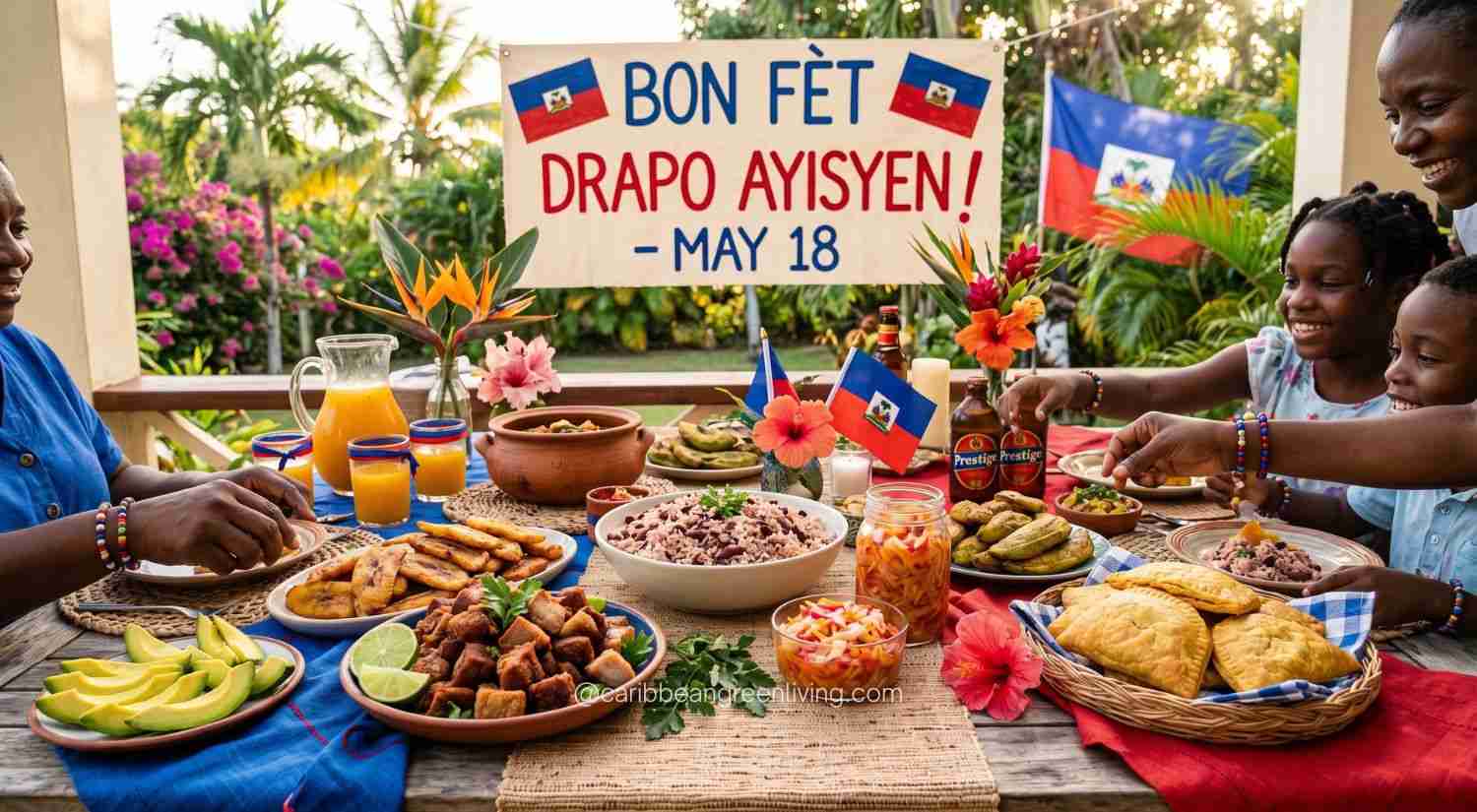
Caribbean Foodways: A Flavorful Fusion
Caribbean foodways are a vibrant and diverse blend of culinary traditions, reflecting the region’s rich history of colonization, immigration, and cultural exchange. Shaped by European, African, Indian, and Indigenous influences, Caribbean cuisine is characterized by its bold flavors, the use of fresh ingredients, and its emphasis on shared meals.
Key Elements of Caribbean Foodways:
- Fresh Seafood: Given the region’s proximity to the sea, seafood is a staple in Caribbean diets. Fish, shrimp, lobster, and conch are often featured in dishes.
- Tropical Fruits and Vegetables: The Caribbean’s warm climate produces a variety of tropical fruits and vegetables, such as mangoes, papayas, plantains, and callaloo.
- Rice and Beans: Rice and beans are a common pairing in many Caribbean countries, providing a hearty and nutritious meal.
- Spices and Herbs: Caribbean cuisine is known for its use of bold spices and herbs, including chili peppers, allspice, thyme, and ginger.
- Regional Variations: While there are common elements throughout the Caribbean, each island has its own unique culinary traditions and specialties. For example, Jamaican jerk chicken, Trinidadian curry, and Cuban ropa vieja are all iconic dishes.
Cultural Influences on Caribbean Foodways:
- African Influence: African culinary traditions brought to the Caribbean by enslaved people have significantly impacted the region’s foodways. These include the use of spices like allspice and the techniques of stewing and braising.
- European Influence: European colonizers introduced new ingredients and cooking methods to the Caribbean, leading to the development of dishes like callaloo (a spinach-like green) and johnnycakes (a type of cornbread).
- Indian Influence: Indian immigrants brought their culinary traditions to the Caribbean, resulting in the popularity of curry dishes and roti.
- Indigenous Influence: Indigenous Caribbean peoples contributed to the region’s foodways with traditional dishes and ingredients.


Common Questions About Caribbean Foodways
1. What are the main influences on Caribbean cuisine?
Caribbean cuisine is a fusion of various cultural influences:
- African: Enslaved Africans brought their culinary traditions, including the use of spices and stewing techniques. This influence is particularly strong in Haitian cuisine.
- European: European colonizers introduced new ingredients and cooking methods, such as meat and dairy products. In the French Caribbean, French cuisine had a significant influence.
- Indigenous: Indigenous Caribbean peoples contributed traditional dishes and ingredients.
- Indian: Indian immigrants brought their own culinary traditions, including curry dishes and roti.
2. What are some common ingredients used in Caribbean food?
Caribbean cuisine often features:
- Seafood: Fish, shrimp, lobster, and conch
- Tropical fruits: Mangoes, papayas, plantains, and pineapple
- Rice and beans: A staple in many Caribbean dishes
- Spices and herbs: Chili peppers, allspice, thyme, ginger, and more
- Root vegetables: Plantains, cassava, and sweet potatoes
3. What are some popular Caribbean dishes?
- Griot: Haitian pork dish marinated in a spicy sauce
- Tasso: Haitian spiced beef or goat meat
- Riz et pois: Haitian rice and beans dish
- Jerk chicken: Jamaican dish marinated in a spicy jerk sauce or seasoning
- Curry goat: Trinidadian dish made with goat meat and curry spices
- Ropa vieja: Cuban shredded beef stew
- Callaloo: A spinach-like green dish often served with saltfish
- Rice and peas: A popular side dish made with rice and black-eyed peas
- Accras: French Caribbean fritters made with salt cod, root vegetables and other type of vegetables
- Colombo: French Caribbean stew made with meat, vegetables, and a blend of spices
- Bananes flambées: French Caribbean flambéed bananas served with rum and vanilla sauce
4. How does Caribbean cuisine vary across different islands?
While there are common elements throughout the Caribbean, each island has its own unique culinary traditions and specialties. For example, Jamaican cuisine is known for its jerk seasoning, while Trinidadian food often features curry and roti. Haitian cuisine is influenced by both French and African culinary traditions, resulting in a distinctive flavor profile.
5. How has Caribbean cuisine evolved over time?
Caribbean cuisine has evolved over centuries, influenced by various cultural exchanges and historical events. Globalization has also introduced new ingredients and cooking techniques, while many islands have sought to preserve their traditional culinary heritage. Haitian cuisine has continued to adapt and evolve, reflecting the country’s unique cultural identity.
Caribbean foodways are a testament to the region’s rich cultural heritage and continue to evolve and adapt to new influences. Whether you’re a fan of Haitian griot, spicy jerk chicken or sweet and savory plantains, there’s something to satisfy every palate in the vibrant world of Caribbean cuisine.
By understanding the cultural significance of Caribbean foodways, we can appreciate the unique flavors and traditions that have shaped this region’s culinary identity.