The Festive Essence of Christmas in Haiti (Reveyon Haiti): Exploring Le Réveillon and its Rich Traditions
Experience the vibrant and enchanting holiday season in Haiti as we delve into the festive traditions of Le Réveillon. Celebrated with fervor and joy, Christmas in Haiti is a time of reflection, gratitude, and family gatherings. Steeped in cultural heritage, Le Réveillon captures the essence of the holiday season, infusing it with unique Haitian customs and flavors.
From the rhythmic beats of traditional music to the tantalizing aromas of local delicacies, the celebration is a feast for the senses. Join us on a journey through the enchanting Christmas markets that adorn the streets of Haiti, showcasing local artisans’ craftsmanship and creativity. Discover the captivating tales of Mama Wozo and Papa Nwèl, the beloved Haitian versions of Santa Claus and his spouse, who bring joy and gifts to children across the country.
Immerse yourself in the spirit of Le Réveillon as we explore the rich tapestry of traditions, including Midnight Mass, the exhilarating masquerade balls, and the lighting of the iconic Christmas tree at Champ de Mars. Whether you’re savoring traditional holiday dishes or participating in the vibrant parades, the festive ambiance will leave you with lasting memories. Indulge in the magic of Christmas in Haiti, where ancient customs blend seamlessly with a joyful and vibrant spirit, reminding us of the true meaning of the holiday season.
A Nostalgic Glimpse into Haitian Christmases Past
Oh, Haiti, my sweet homeland. The memories of Christmas there are as vivid as ever. It was a time of pure joy and simple pleasures.
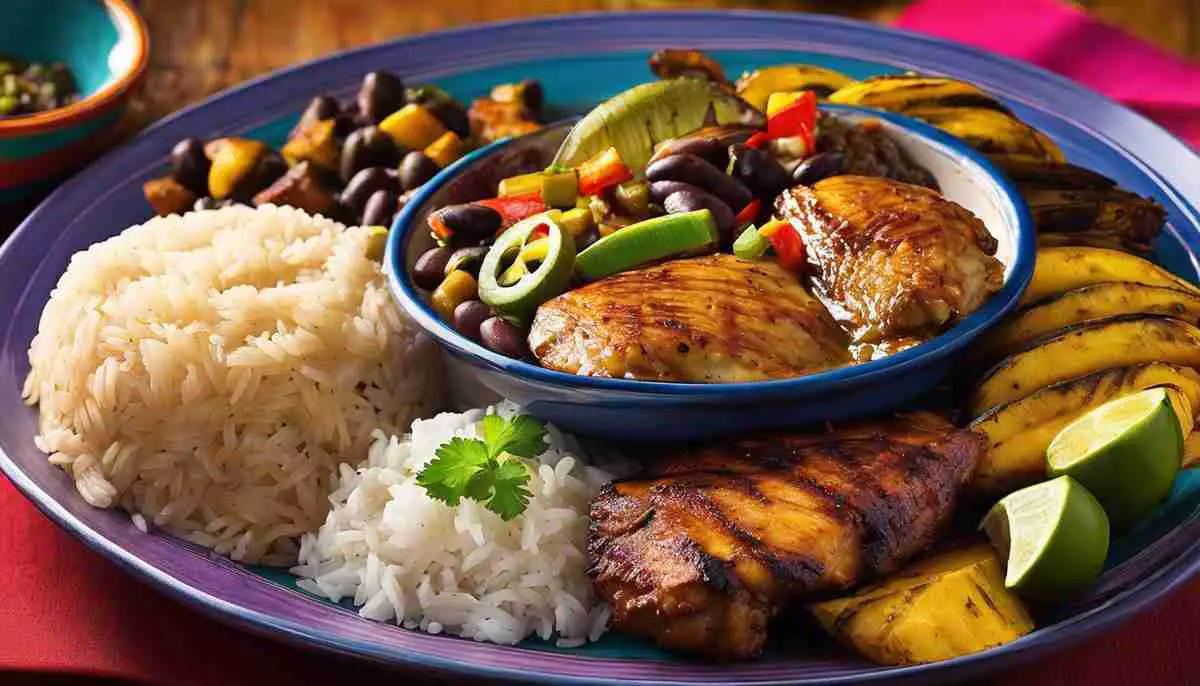
I remember the excitement building as Christmas Eve approached. We’d attend Midnight Mass, the church lit with candles, the air filled with the sweet scent of incense. The choir would sing hymns, their voices echoing through the night. Afterward, we’d rush home to a feast, a veritable explosion of flavors. Griot, tasso, rice, and beans were staples, but the real magic was in the communal spirit. We’d sit around the table, sharing stories and laughter, the warmth of the food and the company filling the room.
The following day, we’d wake up to the sound of children singing carols. Dressed in our finest clothes, we’d head to church again, the girls in their colorful dresses and the boys in their crisp suits. The church would be packed, a sea of vibrant colors and joyous faces.
And who could forget the parades? People would show off their new clothes and their wealth. It was a spectacle, a celebration of life and prosperity.
Though years have passed, the spirit of Haitian Christmas remains strong within me. It’s a time of family, faith, and feasting, a time to cherish the simple joys and rich cultural heritage of my homeland.

Overview of Le Réveillon: A Festive Haitian Christmas Tradition
Le Réveillon, a cherished Haitian Christmas Eve tradition, is a grand feast that brings families and communities together to celebrate the birth of Christ. This culinary extravaganza features a lavish spread of traditional Haitian dishes, festive music, and heartfelt gatherings.
Key Elements of Le Réveillon:
- A Culinary Extravaganza: The centerpiece of Le Réveillon is a sumptuous feast featuring a diverse array of Haitian delicacies. From savory dishes like griot (fried pork) and tasso (spicy fried beef cubes) to hearty rice and bean dishes, the table is laden with mouthwatering treats.
- Festive Atmosphere: The atmosphere at a Le Réveillon celebration is electric. Families and friends gather around the table, sharing stories, laughter, and joyous holiday cheer. The air is filled with the sounds of traditional Haitian music, adding to the festive ambiance.
- Spiritual Significance: Beyond the culinary delights, Le Réveillon holds deep spiritual significance for Haitians. It is a time to reflect on the year’s blessings, express gratitude, and strengthen family bonds. The sharing of food is considered a sacred act, symbolizing abundance and prosperity.
By understanding the rich history and cultural significance of Le Réveillon, we can appreciate the unique and vibrant way in which Haitians celebrate Christmas. It is a tradition that continues to captivate hearts and inspire festive spirits around the world.
The History and Significance of Le Réveillon
A Tapestry of Cultural Influences
The origins of Le Réveillon can be traced back to the colonial era when Haiti was a French colony known as Saint-Domingue. The tradition is believed to have been influenced by French customs and the African cultural heritage of the enslaved people who formed the backbone of Haitian society.
A Symbol of Resilience and Hope
Over the centuries, Le Réveillon has evolved into a powerful symbol of Haitian resilience and hope. Despite facing numerous challenges, including colonization, slavery, and natural disasters, the Haitian people have persevered, and their Christmas traditions have remained a source of strength and unity.
A Celebration of Family and Community
At its core, Le Réveillon is a celebration of family and community. It is a time for loved ones to gather, share stories, and create lasting memories. The festive atmosphere, delicious food, and heartfelt connections foster a sense of belonging and togetherness.
Traditional Christmas Decorations in Haiti
Haitian Christmas decorations, while influenced by Western traditions, also reflect the country’s unique cultural heritage. Here are some of the common decorations you might see during the festive season:
- Nativity Scenes: Nativity scenes, or crèches, are a popular Christmas decoration in Haiti. They often feature intricate figurines of the Holy Family, shepherds, and animals crafted from various materials like wood, clay, or cloth.
- Colorful Lights and Ornaments: Like many other countries, Haitians decorate their homes and streets with colorful lights and ornaments. However, the decorations often have a more rustic and handmade feel.
- Guirlandes de Feuilles: These festive garlands are made from tropical leaves and flowers, adding a touch of natural beauty to homes and public spaces.
- Paper Chains and Lanterns: Handmade paper chains and lanterns are popular decorations, especially among children. They are often brightly colored and add a whimsical touch to the holiday season.
While these are some of the common decorations, it’s important to note that Christmas decorations in Haiti can vary depending on regional customs and individual preferences.
Traditional Haitian Christmas Foods and Drinks
Haitian Christmas feasts are a culinary delight, featuring a variety of traditional dishes that are both delicious and symbolic. Here are some of the most popular foods and drinks associated with the holiday season in Haiti:
Foods
- Griot: This is a popular Haitian dish made with marinated and fried pork. It’s often served with rice and beans or a side of plantains.
- Tasso: A spicy and fried beef cubes or fried goat meat dish that adds a flavorful kick to any meal.
- Diri ak djon djon: A Haitian-style rice dish made with djon djon mushrooms, giving it a unique flavor and dark color.
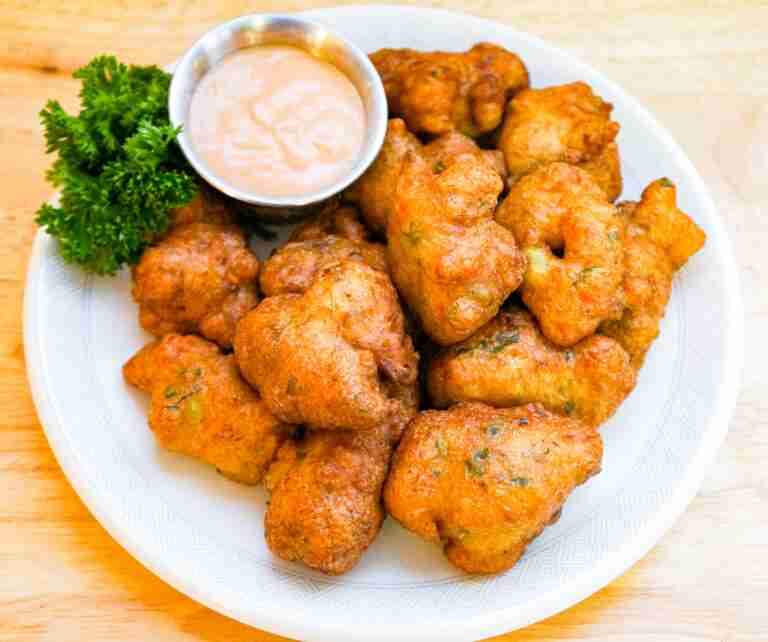
- Accra: Deep-fried malanga or yautia fritters that are a popular appetizer or snack.
- Lambi: A type of conch that is often served in stews, fritters or marinades or salads.
- Dinde farcie: Roasted whole turkey seasoned with Haitian spices (epis).
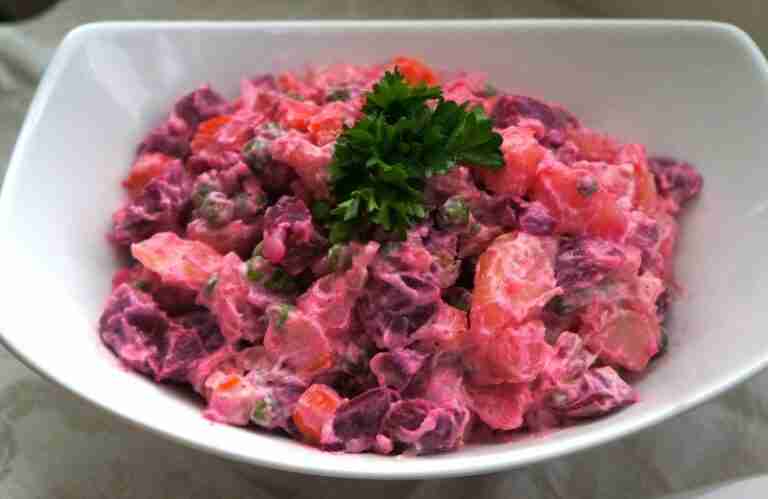
- Salade russe: A Russian salad, a popular side dish in Haiti.
- Macaroni au gratin: A creamy baked macaroni dish.
- Tossed salad: A refreshing side dish usually includes lettuce, tomatoes, watercress and cucumber served with a homemade vinaigrette or French salad dressing.
- Roasted or baked ham: A classic holiday main course decorated with whole cloves and pineapple slices.
Drinks
- Kremas: A rich and creamy eggnog-like drink, often flavored with rum or other spirits.
- Liqueur cerise: A cherry liqueur.
- Haitian cola: Sodas like Coca-Cola and Champagne.




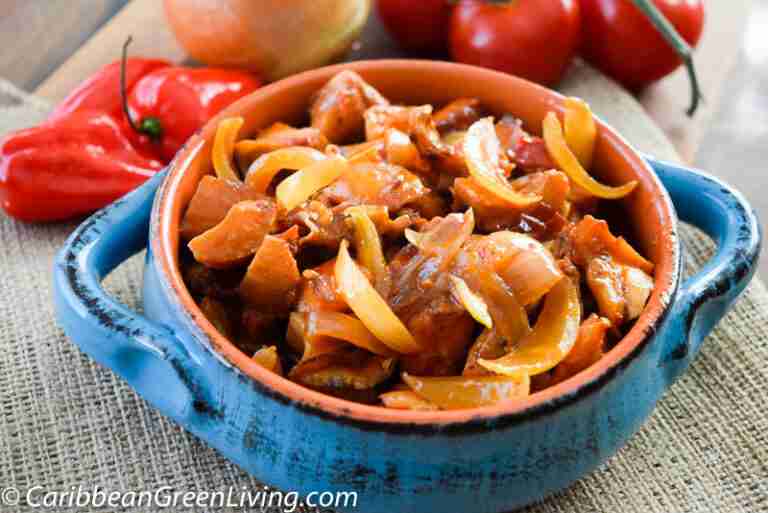

These are just a few of the many delicious foods and drinks that are enjoyed during the Haitian Christmas season. By indulging in these culinary delights, Haitians celebrate the holiday season with family and friends while honoring their rich cultural heritage.
Sourcing Authentic Haitian Ingredients and Adapting Recipes
Sourcing Authentic Ingredients:
While many ingredients can be found in well-stocked grocery stores, some may require a bit more effort to source. Here are a few tips:
- Ethnic Grocery Stores: These stores often carry a wide variety of Caribbean ingredients, including spices, beans, and plantains.
- Online Retailers: Online retailers specializing in international foods can be a great resource for finding hard-to-find ingredients like djon djon mushrooms and Haitian hot sauces.
- Local Haitian Communities: If you’re lucky enough to live near a Haitian community, you may be able to find fresh produce and homemade products at local markets or from community members.
Adapting Haitian Recipes to a Western Kitchen:
While Haitian cuisine is full of bold flavors and unique ingredients, many recipes can be adapted to suit Western tastes and kitchen equipment. Here are a few tips:
- Substitute Ingredients: If you can’t find a specific ingredient, consider substituting it with a similar one. For example, if you can’t find djon djon mushrooms, you could use shiitake or cremini mushrooms. For color, you can always use black rice, also called the forbidden rice.
- Adjust Spice Levels: Haitian cuisine can be quite spicy. If you prefer milder flavors, you can reduce the amount of hot peppers or adjust the spice level to your taste.
- Utilize Modern Appliances: While traditional Haitian cooking often involves time-consuming techniques like pounding spices and grinding grains, modern appliances like food processors and blenders can simplify the process.
- Experiment and Have Fun: Don’t be afraid to experiment with different ingredients and techniques. The beauty of cooking is in the creativity and the joy of trying new things.
By following these tips, you can bring the flavors of Haiti into your own kitchen and create delicious and authentic meals.
Popular Christmas Traditions and Customs in Haiti
Haitian Christmas celebrations are a vibrant blend of cultural and religious traditions. Here are some of the most popular customs:
- Le Réveillon: As mentioned earlier, this grand Christmas Eve feast is a central tradition. Families and friends gather to enjoy a sumptuous meal, often accompanied by music and dancing.
- Midnight Mass: Many Haitians attend midnight mass on Christmas Eve, a solemn religious service that celebrates the birth of Christ.
- Gift-giving: While gift-giving is a common Christmas tradition, it’s often less extravagant than in Western cultures. The emphasis is on spending quality time with loved ones and sharing blessings.
- Caroling: Haitian Christmas carols, often sung in Creole, fill the air during the holiday season. Groups of carolers go from house to house, spreading joy and cheer.
- Bonfires: In some rural areas, bonfires are lit on Christmas Eve to ward off evil spirits and symbolize the warmth and light of the holiday season.
- Parade of the Magi or Celebration of Epiphany: This colorful parade, often held on January 6th, commemorates the arrival of the Three Wise Men. Children dress up as the Magi and parade through the streets, reenacting the biblical story. To celebrate this day, a traditional French cake called Galette des Rois is prepared. This delicious cake is often enjoyed with family and friends, and a hidden figurine inside the cake signifies good luck for the person who finds it.
These traditions, along with the delicious food, festive music, and warm hospitality, make Haitian Christmas a truly unforgettable experience.
Celebrating Christmas in Haiti Today
Haitian Christmas celebrations continue to be a vibrant blend of tradition and modernity. While the core elements of Le Réveillon, Midnight Mass, and gift-giving remain central, contemporary influences have also shaped the way Haitians celebrate the holiday.
Here are some key aspects of Christmas celebrations in Haiti today:
- Le Réveillon: This grand feast remains a cornerstone of Haitian Christmas. However, with increasing globalization, the menu has diversified to include international dishes alongside traditional Haitian fare.
- Midnight Mass: Despite challenges, many Haitians still attend midnight mass, a deeply spiritual experience that marks the beginning of the Christmas season.
- Gift-Giving: While gift-giving is becoming more common, the emphasis remains on family, community, and sharing.
- Technology and Social Media: Modern technology has influenced Haitian Christmas celebrations. Social media platforms are used to connect with loved ones, share photos and videos of festivities, and participate in virtual celebrations.
- Challenges and Resilience: Haiti has faced numerous challenges, including natural disasters and political instability. However, the Haitian people’s resilience and their deep-rooted faith continue to drive their Christmas celebrations.
Despite these challenges, the spirit of Christmas remains strong in Haiti. The joy, hope, and togetherness associated with the holiday continue to inspire and unite the Haitian people.
The Role of Music and Dance in Haitian Christmas Celebrations
Music and dance are integral parts of Haitian culture, and they play a significant role in Christmas celebrations. The festive atmosphere is often accompanied by the vibrant rhythms of Haitian music, such as rara and compas or Haitian kompa.
- Rara: This energetic genre of music and dance is often associated with Haitian Carnival, but it also plays a role in Christmas celebrations. Rara bands may perform in the streets, creating a lively and festive atmosphere.
- Compas or Haitian Kompa: A popular style of Haitian music, compas or Haitian kompa is often played at parties and gatherings during the Christmas season. Its upbeat tempo and catchy rhythms get people moving and grooving.
In addition to live music, recorded music is also a popular way to create a festive mood. Families and friends may gather to listen to Christmas carols and other holiday tunes. Dance is also a significant part of Haitian Christmas celebrations, with people of all ages enjoying the opportunity to move and express themselves through dance.

Unique Gifts and Souvenirs from Haiti
Haiti offers a wealth of unique and culturally significant gifts and souvenirs. Here are a few ideas to consider:
- Handicrafts: Haiti is renowned for its skilled artisans. Look for intricate wood carvings, colorful paintings, and beautiful handmade jewelry.
- Textiles: Haitian textiles, such as colorful madras fabric and intricate embroidery, can be found on clothing, home goods, and accessories.
- Artwork: Haitian art is known for its vibrant colors and unique style. Paintings, sculptures, and mixed-media artworks make excellent souvenirs.
- Music and Dance: Purchase Haitian music CDs or DVDs to enjoy the rhythms of compas and rara at home.
- Food Products: Consider bringing home Haitian spices, coffee, or hot sauce to add a taste of the Caribbean to your meals.
- Rum: Haitian rum is world-renowned for its smooth taste and complex flavors.
When purchasing souvenirs, it’s important to support local artisans and fair trade practices. By choosing authentic Haitian products, you can contribute to the local economy and help preserve Haitian culture.
Additional Haitian Traditions: A Celebration of History and Heritage
Haiti’s festive spirit extends beyond Christmas. Here are a few more traditions that shape the Haitian calendar:
- Ancestry Day (Jour des Aieux): On January 2nd, Haitians honor their ancestors. Families gather to share stories, pray, and visit cemeteries, paying tribute to their heritage.
- New Year’s Celebrations: The new year is a time for reflection and renewal. Older Haitians often dress in their finest attire, reminiscent of a bygone era. Families gather to share stories, reminisce, and enjoy delicious food, including the iconic Soup Joumou.
- Soup Joumou: This hearty pumpkin soup, once a symbol of colonial oppression, is now a cherished national dish. It’s a powerful reminder of Haiti’s struggle for independence and a testament to the resilience of the Haitian people.
Embracing the Festive Spirit of Christmas in Haiti
As we’ve explored, Haitian Christmas is a vibrant tapestry of traditions, food, and music. It’s a time of joy, family, and faith, where the past and present intertwine. Whether you’re experiencing it firsthand or simply learning about it, I hope this post has captured the essence of this unique celebration.
So, let’s raise a glass of Kremas to the spirit of Haitian Christmas. May it continue to inspire and uplift us all.
Share Your Memories
Have you ever experienced a Haitian Christmas? What are your fondest memories of the holiday? Do you have any unique family traditions or stories to share?
I’d love to hear about your experiences and learn more about the diverse ways people celebrate Christmas in Haiti. Feel free to share your thoughts and stories in the comments below. Let’s keep the spirit of Haitian Christmas alive!
Source: