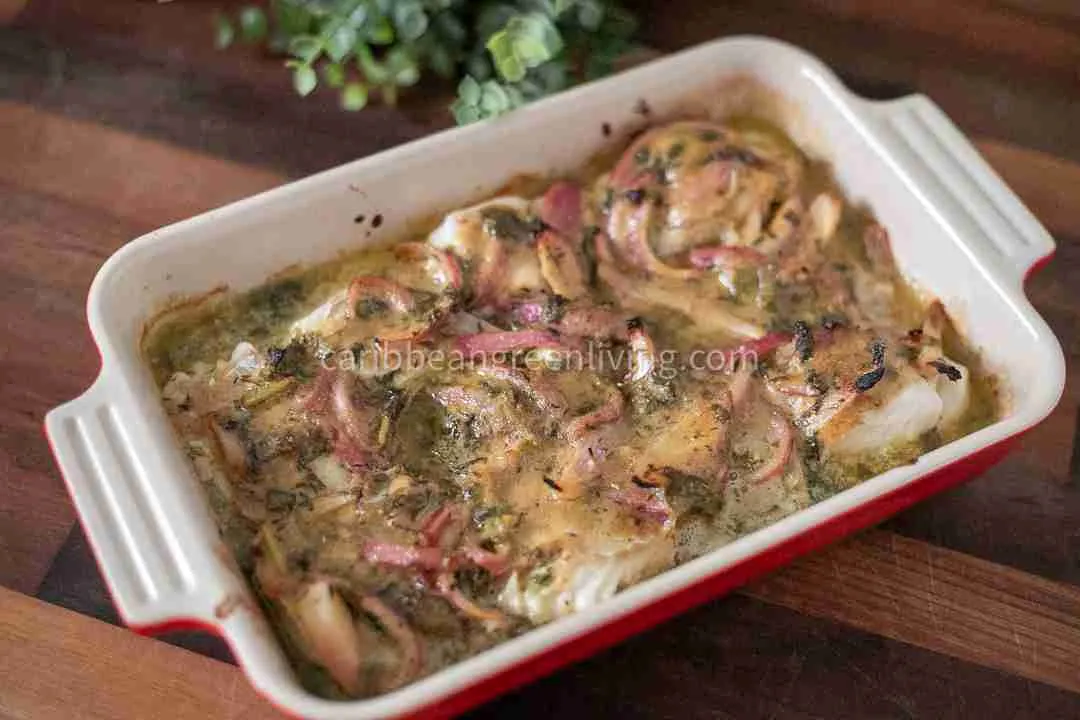
Easy Coq Au Vin Recipe
Unlock the secrets to mastering the classic French dish, Coq Au Vin, with our ultimate guide! This iconic recipe, dating back to ancient Gaul, combines tender chicken, red wine, and a medley of aromatic herbs to create a tantalizingly rich and complex flavor profile.
Whether you’re an experienced home cook or just starting on your culinary journey, this guide is your key to perfecting this timeless dish. Discover the tips and tricks from experienced chefs who have spent years honing their Coq Au Vin skills. Learn the importance of choosing the right ingredients, from selecting the perfect bottle of red wine to sourcing the freshest chicken.
Follow step-by-step instructions on marinating, sautéing, and braising your chicken to achieve the juiciest, most tender results. With practical advice on preparing the accompanying sauce and enhancing the dish with complementary flavors, this guide will elevate your Coq Au Vin to Chef-level status.
Join us on this gastronomic adventure as we demystify the secrets of Coq Au Vin and help you create a meal that will impress even the most discerning palate. With each delicious bite, prepare to transport your taste buds to the rolling hills of Burgundy.

The Origins and History of Coq au Vin
Coq au Vin, meaning “rooster in wine,” is a classic French dish with a rich and storied history. Its origins can be traced back to the Roman Empire when the chicken was a popular food item, and wine was used as a cooking liquid.
Over time, Coq au Vin evolved and spread throughout France, with regional variations emerging. In Burgundy, the dish often featured red Burgundy wine and small onions known as “pearls.” Different wines and ingredients were used in other regions, reflecting local culinary traditions.
The dish’s popularity grew during the Middle Ages when it was often served as a hearty meal for peasants and nobility alike. Coq au Vin’s enduring appeal lies in its ability to provide comfort and nourishment while also showcasing the flavors of the region in which it is prepared.
Today, Coq au Vin remains a beloved French classic enjoyed by food lovers around the world. Its rich history and enduring popularity are testaments to its deliciousness and versatility.
Ingredients for Coq Au Vin
This flavorful recipe transforms a classic French dish, Coq au Vin, into a Caribbean culinary delight. By infusing the traditional flavors with fresh spices, Pikliz (a Haitian pickled vegetable condiment), and a touch of island flair, this Coq au Vin offers a unique and unforgettable dining experience.
Key Features of This Recipe:
- Caribbean-inspired flavors: A blend of fresh spices and Pikliz adds a vibrant and aromatic touch to the dish.
- Tender and flavorful chicken: The chicken is marinated for hours, ensuring it is juicy and flavorful.
- Easy-to-follow instructions: The recipe provides clear and concise steps for even novice cooks.
- Customization options: Adjust the spice level and ingredients to suit your preferences.
Let’s explore the key components that contribute to its unique flavor profile:
Protein:
- Chicken: The star of the dish is cleaned with citrus or vinegar to remove any impurities and then rinsed thoroughly. This step adds a touch of brightness and freshness.
Herbs and Spices:
- Thyme: This classic herb lends its earthy and slightly minty aroma to the dish.
- Parsley: Fresh parsley provides a bright, herbaceous flavor and a touch of green color.
- Scallions: These tender green onions add a subtle onion flavor and a crisp texture.
- Garlic: The pungent aroma and flavor of garlic infuse the dish with warmth and depth.
- Salt and Pepper: These essential seasonings enhance the natural flavors of the ingredients.
- Pikliz: This optional Haitian hot pepper sauce adds a fiery kick and a burst of tangy flavor.
- Lemon/Lime Juice: The citrusy acidity of lemon or lime juice brightens the dish and balances the richness of the sauce.
Breading and Browning:
- Flour: Seasoned flour is used to coat the chicken pieces, providing a crispy crust when browned.
- Oil: The oil used for browning the chicken contributes to the development of a rich, golden-brown crust.
- Bacon: Thick-cut bacon adds a layer of smoky, salty flavor and provides a satisfying crunch.
Vegetables:
- Pearl Onions: These tiny onions add a sweet and slightly caramelized flavor, especially when cooked until tender.
- Mushrooms: The earthy, umami flavor of mushrooms complements the richness of the dish and adds a meaty texture.
Sauce:
- Tomato Paste: This concentrated tomato product adds a depth of flavor and a touch of sweetness to the sauce.
- Brandy: Brandy adds a hint of warmth and complexity to the sauce, enhancing its overall flavor profile.
- Red Wine: Dry red wine is the foundation of the sauce, providing a rich, fruity flavor and a touch of acidity.
- Chicken Stock: Chicken stock adds depth and richness to the sauce, while also helping to balance the flavors.
- Cloves and Bay Leaves: These aromatic spices infuse the sauce with warmth and complexity.
When combined, these ingredients create a harmonious symphony of flavors that will tantalize your taste buds and leave you craving more. Enjoy the culinary journey of Caribbean Coq au Vin!

A Summary of the Caribbean Coq au Vin
This recipe combines the classic French dish Coq au Vin with Caribbean flavors. The chicken is marinated in a spice paste, browned, and then simmered in a sauce made with red wine, chicken stock, and vegetables. The dish is finished with a touch of fresh herbs.
Tips for Perfecting Your Caribbean Coq au Vin
To ensure your Caribbean Coq au Vin is a culinary masterpiece, consider these helpful tips:
- Marination Time: Marinate the most flavorful chicken in the spice paste for at least 3-4 hours, or ideally overnight.
- Wine Selection: This dish requires a good-quality red wine. Consider using a Cabernet Sauvignon or Pinot Noir.
- Stock Quality: Opt for homemade chicken stock or a high-quality store-bought variety for the best flavor.
- Spice Customization: Adjust the spice level of the marinade to suit your preferences. Reduce the amount of Pikliz or use a milder curry powder for a milder dish. Add a tablespoon of Noubess hot and spicy sauce to the marinade for an extra kick of heat.
- Vegetable Variations: You can add other vegetables to the dish, such as mushrooms, carrots, or pearl onions.
- Side Dish Pairing: Serve Coq au Vin with a classic side dish, such as mashed potatoes, crusty bread, or steamed rice.
- Leftovers: Leftover Coq au Vin can be reheated and served the next day. It can also be used to make a delicious soup or stew.
By following these tips, you can create a truly exceptional Caribbean Coq au Vin that will impress your guests and satisfy your cravings.
Variations and Adaptations of Caribbean Coq au Vin
The versatility of Coq au Vin allows for numerous variations and adaptations to suit different tastes and dietary preferences. Here are some ideas to inspire your culinary creativity:
Spice Variations:
- Heat it up: For a spicier dish, add more Pikliz or a pinch of cayenne pepper to the marinade.
- Milder flavor: If you prefer a milder taste, reduce the amount of Pikliz or use a milder curry powder.
Vegetable Substitutions:
- Root vegetables: Add carrots, parsnips, or turnips to the dish for a heartier texture and additional flavor.
- Seasonal vegetables: Incorporate seasonal vegetables like asparagus, zucchini, or bell peppers for a fresh and vibrant twist.
Dietary Adaptations:
- Gluten-free: Use gluten-free flour to coat the chicken.
- Vegetarian: Substitute the chicken with firm tofu or hearty mushrooms.
- Dairy-free: Use dairy-free alternatives for the butter or cream, if desired.
Regional Influences:
- Mexican twist: Add a touch of Mexican flavor by incorporating chili powder, cumin, and lime juice.
- Thai inspiration: Infuse the dish with Thai flavors by using fish sauce, coconut milk, and lemongrass.
Creative Additions:
- Fruit: Add a touch of sweetness and acidity by incorporating fruits like apricots, plums, or cherries.
- Cheese: Top the finished dish with a dollop of creamy goat cheese or crumbled blue cheese.
These are just a few ideas to get you started. Feel free to experiment with different ingredients and flavors to create your own unique Caribbean Coq au Vin masterpiece.
Pairing Suggestions for Caribbean Coq au Vin
The rich, flavorful profile of Caribbean Coq au Vin lends itself well to a variety of wine and beverage pairings. Here are some suggestions to enhance your dining experience:
Wine Pairings:
- Red Wine: A medium-bodied red wine with notes of fruit and spice, such as a Cabernet Sauvignon or Pinot Noir, complements the hearty flavors of the dish.
- Beaujolais: A light-bodied red wine from the Beaujolais region in France can offer a refreshing contrast to the richness of the Coq au Vin.
- Syrah: A Syrah or Shiraz wine with bold flavors and a touch of spice can complement the Caribbean influences in the dish.
Beer Pairings:
- Amber Ale: A malty amber ale with a touch of hop bitterness can balance the richness of the Coq au Vin.
- Brown Ale: A smooth and flavorful brown ale can complement the earthy notes of the dish.
Non-Alcoholic Pairings:
- Sparkling Water: A refreshing sparkling water can cleanse the palate and enhance the flavors of the Coq au Vin.
- Herbal Tea: A flavorful herbal tea, such as chamomile or rooibos, can complement the earthy notes of the dish.
Dessert Pairings:
- Chocolate Cake: A rich chocolate cake with a creamy frosting can provide a satisfying ending to the meal.
- Fruit Tart: A light and fruity tart can offer a refreshing contrast to the richness of the Coq au Vin.
Experiment with different pairings to find the perfect combination that suits your taste preferences. Enjoy your Caribbean Coq au Vin!
Serving and Presentation of Caribbean Coq au Vin
Serving Suggestions:
- Classic Presentation: Serve Coq au Vin in a shallow serving dish, garnished with fresh herbs like parsley and thyme. Accompany with a side of crusty French bread for dipping into the flavorful sauce.
- Family-Style: For a more casual setting, serve Coq au Vin in a large pot or casserole dish, allowing guests to serve themselves.
- Individual Portions: Divide the Coq au Vin into individual serving bowls and garnish with a dollop of sour cream or a sprinkle of grated Parmesan cheese.
Side Dish Pairings:
- Mashed Potatoes: Creamy mashed potatoes are a classic accompaniment to Coq au Vin, providing a comforting and satisfying contrast to the rich sauce.
- Risotto: A creamy risotto, flavored with herbs and Parmesan cheese, can also be a delicious pairing.
- Noodles: Serve Coq au Vin over a bed of egg noodles or tagliatelle for a hearty and satisfying meal.
- Vegetables: Roasted or steamed vegetables, such as carrots, Brussels sprouts, or green beans, can add a touch of freshness and color to the dish.
Presentation Tips:
- Plating: Arrange the Coq au Vin on a serving platter or in individual bowls. Spoon the sauce generously over the chicken and vegetables.
- Garnish: Add a touch of color and freshness by garnishing the dish with fresh herbs, such as parsley or thyme.
- Texture: For added texture, sprinkle the dish with grated Parmesan cheese or a dollop of sour cream.
By following these serving and presentation tips, you can create a visually appealing and delicious Caribbean Coq au Vin that will impress your guests and satisfy your cravings.
Common Mistakes to Avoid When Making Caribbean Coq au Vin
To ensure your Caribbean Coq au Vin turns out perfectly, avoid these common mistakes:
- Overcooking the Chicken: Coq au Vin is best when the chicken is tender but not dry. Overcooking can result in tough, dry meat.
- Burning the Marinade: Be careful not to burn the marinade when browning the chicken. This can impart a bitter flavor to the dish.
- Using Low-Quality Ingredients: The quality of the ingredients you use will significantly impact the flavor of your Coq au Vin. Opt for fresh, high-quality ingredients whenever possible.
- Not Letting the Chicken Marinate: Marination is essential for infusing the chicken with flavor. Ensure the chicken marinates for at least 3-4 hours, or ideally overnight.
- Overcrowding the Pan: Avoid overcrowding the pan when browning the chicken, as this can prevent the chicken from browning evenly and may result in a less flavorful dish.
- Not Balancing the Flavors: Pay attention to the balance of flavors in the dish. Ensure the acidity from the wine and lemon/lime juice is balanced by the sauce’s richness and the vegetables’ sweetness.
- Neglecting the Sauce: The sauce is a crucial component of Coq au Vin. Don’t rush the simmering process, as this is when the flavors develop and meld together.
By avoiding these common mistakes, you can create a delicious and authentic Caribbean Coq au Vin that will impress your guests and satisfy your cravings.

Enjoying the Flavors of Caribbean Coq au Vin
Caribbean Coq au Vin is a delightful fusion of classic French flavors with vibrant Caribbean influences. By following the step-by-step instructions and incorporating the tips and variations provided, you can create a truly unforgettable dining experience.
The rich and hearty flavors of this dish, combined with the aromatic spices and fresh ingredients, make it a perfect choice for special occasions or a comforting weeknight meal. Whether you’re a seasoned cook or just starting your culinary journey, Caribbean Coq au Vin is a recipe that will impress and delight your taste buds.
So, gather your ingredients, fire up the stove, and embark on a flavorful adventure with this Caribbean-inspired Coq au Vin. Enjoy the journey and savor the delicious results!

Coq Au Vin
Ingredients
- 4 pound Chicken pieces cleaned with lime, lemon or vinegar and then rinsed
- 2 fresh thyme sprigs
- 4 fresh parsley sprigs
- 2 fresh scallions chopped
- 3 garlic cloves
- 1 tbsp salt
- 1 tsp freshly ground black pepper
- 1 tbsp Pikliz Haitian hot pepper sauce, optional
- 2 tbsp fresh lemon/lime juice
- 1/2 cup flour seasoned with 1 tsp salt and 1/2 tsp pepper
- 1/4 cup of oil
- 4 thick bacon slices sliced
- 12 – 14 pearl onions or 6 small onions skin removed
- 3 tbsp tomato paste
- 2 tbsp brandy
- 1 1/2 cup dry red wine
- 1 cup chicken stock
- 8 oz package of small whole mushroom
- 3 cloves
- 2 bay leaves
Instructions
Preparation:
- Clean the Chicken: Wash the chicken pieces with vinegar or lemon to remove any impurities, then rinse thoroughly with cold water. Pat dry with paper towels and set aside.
- Prepare the Marinade: In a blender or food processor, combine the thyme leaves, parsley, scallions, garlic, salt, pepper, lemon/lime juice, and Pikliz (if using). Blend until smooth to create a fragrant paste. Pour the marinade over the chicken pieces, ensuring they are evenly coated. Marinate in the refrigerator for at least 3-4 hours, or overnight for optimal flavor.
- Breading the Chicken: Remove the chicken from the marinade and shake off any excess spices. Reserve the marinade for later use. In a large bowl, combine the flour, salt, and pepper. Toss the chicken pieces in the flour mixture to coat, shaking off any excess.
Cooking the Dish:
- Brown the Chicken: Heat the oil in a heavy-bottomed pan over medium heat. Brown the chicken pieces in batches, avoiding overcrowding the pan. Drain the cooked chicken on paper towels and set aside.
- Sauté the Aromatics: Remove any crumbs from the pan and add the bacon and onions. Cook, stirring occasionally, until the onions are softened and browned.
- Add the Marinade and Tomato Paste: Pour the reserved marinade into the pan and cook for 2-3 minutes, stirring constantly. Add the tomato paste and stir to combine.
- Simmer the Coq au Vin: Return the browned chicken pieces to the pan, along with the brandy, wine, chicken stock, bay leaves, and cloves. Bring to a boil, then reduce heat to low and simmer, covered, for 30 minutes.
- Add the Mushrooms: Uncover the pot and add the cleaned mushrooms. Simmer for an additional 10 minutes, or until the chicken is tender and the sauce has thickened.
Serving:
- Garnish and Serve: Sprinkle the finished Coq au Vin with fresh herbs for a touch of color and flavor. Serve hot with crusty French bread or your favorite side dish.
- Enjoy this delicious and aromatic Caribbean-inspired Coq au Vin!
Notes
Nutrition
Please keep in mind that nutritional information is a rough estimate and can vary greatly based on the products used.
Nutrition info is automatically generated and provided as a courtesy and as an estimate only.
Original recipe published 6/9/2014. Updated to include seasoning variations and cooking methods.