Healthy Ingredient Swaps for Holiday Meals: A Caribbean Green Living Guide
The holidays are here, bringing with them a beautiful swirl of family, festive music, and, of course, incredible food. While the traditional spreads—often rich in heavy creams, refined sugars, and white starches—are delicious, they sometimes leave us feeling more sluggish than celebratory. But what if we told you it’s possible to enjoy all the deep, comforting flavors of your favorite holiday dishes without sacrificing your commitment to a healthy, vibrant, and plant-forward lifestyle?
At Caribbean Green Living, we believe the best food is both nourishing and delicious. This year, let’s turn the holiday feast into a festival of freshness and flavor! We’re diving into simple, effective ingredient swaps that will boost your nutrition, lighten your plate, and keep that genuine Caribbean spice shining through, ensuring a joyous holiday season that truly fuels your soul.

The Big Swaps: Elevating Your Holiday Plate
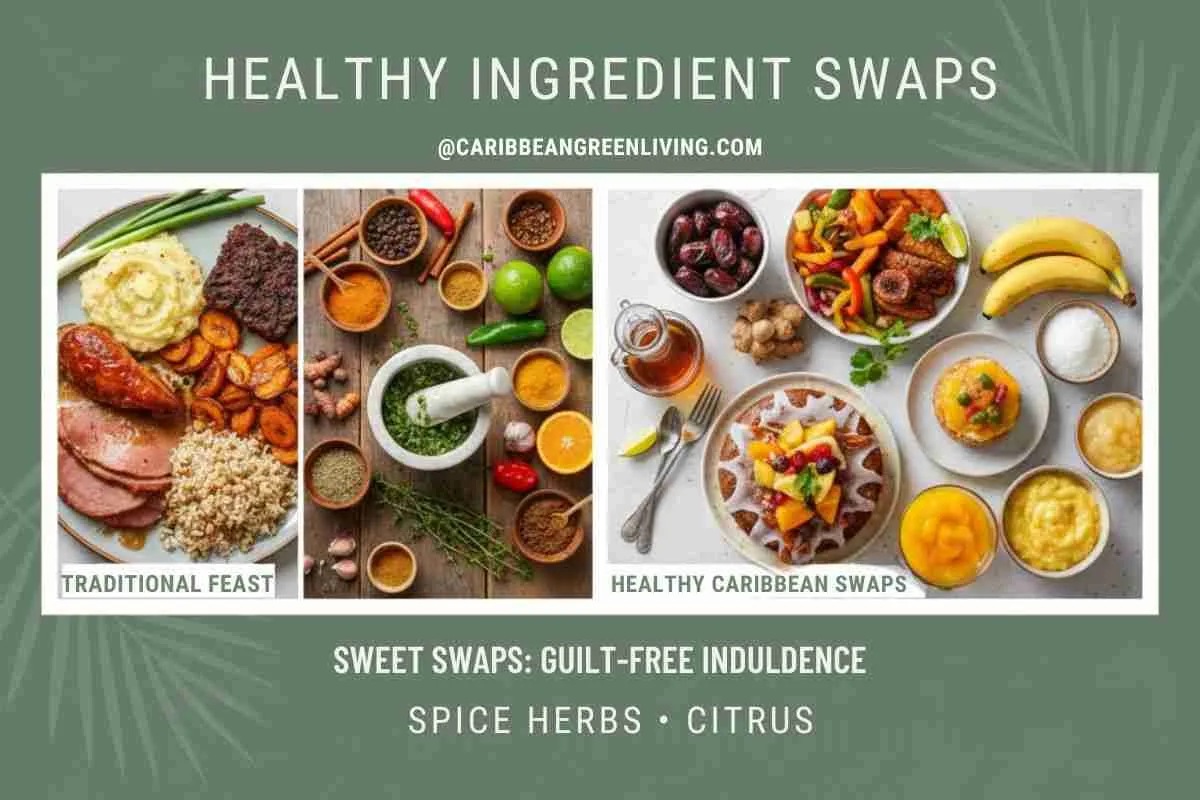
The secret to a lighter, healthier holiday meal isn’t eliminating your favorite dishes—it’s upgrading the ingredients that form their foundation. Here are the core swaps that make the biggest difference, transforming heavy comfort food into nourishing, guilt-free indulgences.
1. Starch and Grain Swaps: Building a Better Base
For many Caribbean holiday meals, the rice dish or starchy side is the star. Make it count by choosing fiber-rich, nutrient-dense alternatives.
- Swap White Rice for Brown Rice or Quinoa: The fiber content in whole grains like brown rice or quinoa is far superior to white rice, helping stabilize blood sugar and leaving you satisfied longer. For a truly low-carb twist, try Cauliflower Rice seasoned with fresh thyme and scallions (a delightful, quick “mock rice” base for your peas).
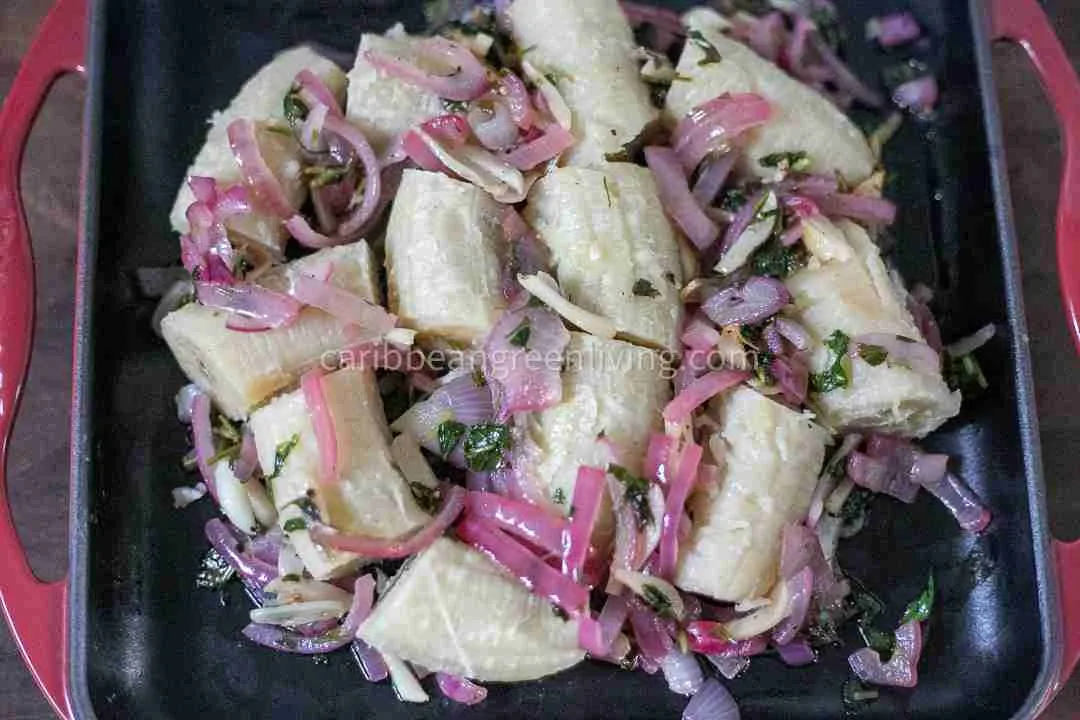
- Swap White Potatoes for Sweet Potatoes or Plantains: Instead of traditional mashed potatoes, embrace the natural sweetness and high Vitamin A content of sweet potatoes (or yams). They mash beautifully with a splash of coconut milk instead of butter. Alternatively, serve lightly roasted or boiled plantains—a foundational Caribbean staple that adds complex carbs and a slightly different texture to the plate.
- Swap Refined Flour for Whole Wheat or Almond Flour (if you are not allergic to nuts): When making holiday breads, cakes, or thickening sauces, use whole wheat flour or a gluten-free nut flour like almond flour to increase protein, fiber, and healthy fats.
2. Fat and Dairy Swaps: The Creaminess Revolution
Richness is essential for holiday flavor, but heavy creams and excess butter can weigh down a meal. These swaps deliver that velvety texture using healthier fats and plant-based staples.
- Swap Butter for Healthy Oils or Fruit Purées: For sautéing and roasting, reach for Avocado Oil, which has a neutral flavor and healthy monounsaturated fats. In baking (like for your fruitcake or black cake), try replacing some of the fat with unsweetened applesauce or mashed ripe banana—it keeps things moist while cutting down on saturated fats.
- Swap Heavy Cream or Dairy Milk for Coconut Cream/Milk: This is the most natural swap for Caribbean cooking! Use the thick part of canned, full-fat Coconut Milk to replace heavy cream in soups, stews, or even a creamy vegan macaroni pie. It delivers richness with a beautiful tropical flavor. For lighter use, Cashew Cream (blended soaked cashews) makes an excellent, neutral-flavored, dairy-free substitute.

3. Sugar Swaps: Sweetness Without the Spikes
Desserts and glazes are often loaded with refined white sugar. We prefer using whole-food sweeteners that offer minerals and fiber alongside the sweetness.
- Swap White Sugar for Date Paste or Maple Syrup: Date Paste (blended soaked dates) is a fantastic whole-food option, providing fiber and iron while delivering deep sweetness perfect for baking. For glazes, a touch of Maple Syrup or Agave (for vegan dishes) works beautifully and dissolves easily, offering a lower glycemic impact than processed sugar.
- Swap Processed Syrups for Fruit Purées: Need a sticky sweetness for your ham glaze or a dessert topping? Reduce fresh, vibrant Pineapple Juice or Mango Purée until it thickens into a glaze. This eliminates corn syrup and replaces it with natural fruit vitamins and flavor.
4. Spice and Flavor Enhancement: The Caribbean Secret
The true magic in holiday cooking—especially in the Caribbean—lies in our masterful use of herbs and spices. By maximizing these natural flavor boosters, we can drastically reduce the need for excess salt, sugar, and fat while deepening the complexity of the meal.
- Rely on the “Green Seasoning Base or Haitian Epis“: In classic Caribbean fashion, build intense, savory flavor from the ground up. Before adding any oil or fat, sauté a blend of finely chopped scallions (chives), garlic, thyme, celery, and Scotch bonnet (use sparingly, or sub with sweet bell peppers for mild heat). This aromatic paste naturally provides immense flavor.
- The Power of Warm Spices: Don’t limit spices like cinnamon, nutmeg, and clove just to desserts! A pinch of ground allspice (the quintessential Caribbean spice), clove, or ginger can add incredible depth to savory dishes like roasted vegetables, rice and peas, and even meat rubs. These spices are also packed with antioxidants.
- Citrus Zest and Juice: Replace heavy sauces and overly sweet glazes with the bright zing of citrus. Use fresh lime or orange juice in marinades—the acid tenderizes meat (if using) and brightens up vegetable sides. The zest, added right at the end, provides concentrated essential oils and a beautiful aroma without the tartness of the juice.
- Turmeric for Color and Health: Substitute some of the oil or artificial coloring in your rice or savory dishes with a dash of turmeric. It provides a vibrant yellow hue and a powerful anti-inflammatory boost.

5. Practical Tips for a Lighter Holiday Kitchen
Making healthy swaps is just the first step. Here are a few easy preparation and presentation tips to keep your holiday cooking light, flavorful, and stress-free:
- Embrace the Roasting Method: Instead of deep-frying plantains or potatoes, lightly coat them in a healthy oil (like avocado) and roast until crisp and caramelized. Roasting concentrates the natural sugars and flavor of vegetables.
- Bulk Up with Beans and Peas: For your Rice and Peas or other side dishes, increase the ratio of peas (like pigeon peas or black-eyed peas) and beans to rice. This naturally adds protein and fiber, making the meal more filling, more nutritious, and lowering the overall carbohydrate count.
- Garnish with Fresh Herbs: Don’t underestimate the visual appeal and flavor of fresh herbs. Finish your dishes with a generous sprinkle of chopped scallion, parsley, or thyme. This simple step adds freshness, flavor, and a beautiful green pop to your plate.
Conclusion: A Delicious and Healthy Holiday
This year, make your holiday meal a testament to the fact that healthy living and celebratory feasts can go hand in hand. By consciously choosing whole grains, plant-based fats, and the vibrant flavor-boosters of the Caribbean kitchen, you are not just making swaps—you are upgrading your traditions.
We encourage you to experiment with these ideas to bring the true essence of nourishing, vibrant Caribbean Green Living to your holiday table.
We want to hear from you! Which of these healthy holiday swaps are you most excited to try this year? Share your revamped holiday recipe ideas in the comments below!