How to cook cornish hens
The Cornish hen, a compact poultry wonder, graces tables worldwide, and the Caribbean kitchen is no exception! These little birds boast a juicy flavor that complements a variety of Caribbean-inspired seasonings. This guide will equip you with everything you need to know to prepare and cook Cornish hens, ensuring a delightful and satisfying meal.
Bringing the Bird Home:
- Selection: Look for Cornish hens with plump bodies and moist, unblemished skin. When buying frozen, avoid hens with freezer burn.
- Thawing: Frozen hens need a slow thaw in the refrigerator. Allow 24 hours per 4-5 pounds.
- Cleaning: For crispy skin, pat the hens dry with paper towels to remove excess moisture.
Flavor Fiesta: Seasoning Your Hens
Cornish hens have a mild, slightly sweet flavor that welcomes a variety of Caribbean Green seasonings. Here are some ideas to ignite your taste buds:
- Fresh Flavor: Haitian Epis is a flavorful spice blend that is commonly used in Haitian cuisine. It is made with a variety of herbs and spices, including parsley, thyme, garlic, and onions.
- Herb Haven: Rosemary, thyme, oregano, and sage create a classic and aromatic blend.
- Citrus Symphony: Lime, orange, or grapefruit zest adds a vibrant, refreshing note.
- Spicy Soiree: A jerk marinade or a sprinkle of cayenne pepper brings the heat.
- Sweet and Savory Serenade: Try a glaze made with brown sugar, soy sauce, and a touch of ginger.
Here are a few tips for seasoning Cornish hens:
- Start with a good quality olive oil. Rub the oil all over the hens, inside and out. This will help the seasoning to adhere and prevent the hens from sticking to the pan.
- Use a combination of fresh herbs and dried spices. Fresh herbs like rosemary, thyme, and parsley will add a bright flavor to your hens, while dried spices like salt, pepper, garlic powder, and onion powder will add depth and complexity.
- Don’t be afraid to experiment with different seasoning blends. There is no one-size-fits-all approach to seasoning Cornish hens. Try different combinations of herbs and spices until you find a blend that you love.

How to handle Cornish hens
Cornish hens, also known as rock hens, are small chickens that are typically sold whole. They require some advanced preparation before cooking, including defrosting and cleaning.
To defrost:
- Keep the bird in its packaging while it is defrosting.
- Place the bird in a large bowl in the sink to catch any excess water.
- Defrost the bird in the refrigerator for 24-36 hours or until it is completely thawed.
To clean:
- Rinse the bird inside and out with cold water.
- Rub the bird with lemon water to remove any surface bacteria.
- Rinse the bird again with cold water and pat dry with paper towels.
To avoid cross-contamination:
- Wash your hands, cutting boards, and knives with warm, soapy water after handling raw meat, poultry, or seafood.
- Spray the sink and any tools used with vinegar before cleaning them.
Here are some additional tips for handling Cornish hens:
- Be careful not to overcook Cornish hens, as they can dry out easily.
- Cornish hens can be roasted, grilled, or pan-fried.
- If you are roasting Cornish hens, preheat the oven to 425 degrees Fahrenheit and roast for 50-60 minutes or until the internal temperature reaches 165 degrees Fahrenheit.
- If you are grilling Cornish hens, cook them over medium heat for 4-5 minutes per side or until they are cooked through.
- If you are pan-frying Cornish hens, heat the pan over medium heat and cook the hens for 4-5 minutes per side or until they are cooked through.
Cooking Up a Treat:
There are several ways to cook your Cornish hens, allowing you to explore different methods:
- Roasting: The most common method. Roast at 425°F (220°C) for 45-60 minutes or until the internal temperature reaches 165°F (74°C) in the thickest part of the thigh.
- Grilling: Enjoy smoky flavors by grilling over medium-high heat for 20-25 minutes per side, ensuring the bird cooks through.
- Spatchcocking (Optional): This technique involves removing the backbone and flattening the bird for even cooking.
Additional tips for cooking:
- To cut up Cornish hens, simply remove the legs and wings and then cut the breast in half lengthwise. You can then cook the pieces individually or add them to a stew or other dish.
- Cornish hens can also be fried, barbecued, or cooked in a simple Creole sauce.
Cooking Time:
The cooking time depends on the size of the hen and the method used. A general guideline is 15-20 minutes per pound for roasting and 10-12 minutes per side for grilling.

Adding A Caribbean Twist on Cornish Hens:
This versatile and delicious protein can be cooked in many ways with different marinades, seasonings, and spices. To add extra flavor to your hens, you can marinate them in a mixture of herbs, spices, and oil. Here is a simple marinade recipe:
Ingredients:
- 1/4 cup olive oil
- 2 tablespoons lemon juice
- 1 teaspoon dried rosemary
- 1 teaspoon dried thyme
- 1/2 teaspoon dried sage
- 1/4 teaspoon black pepper
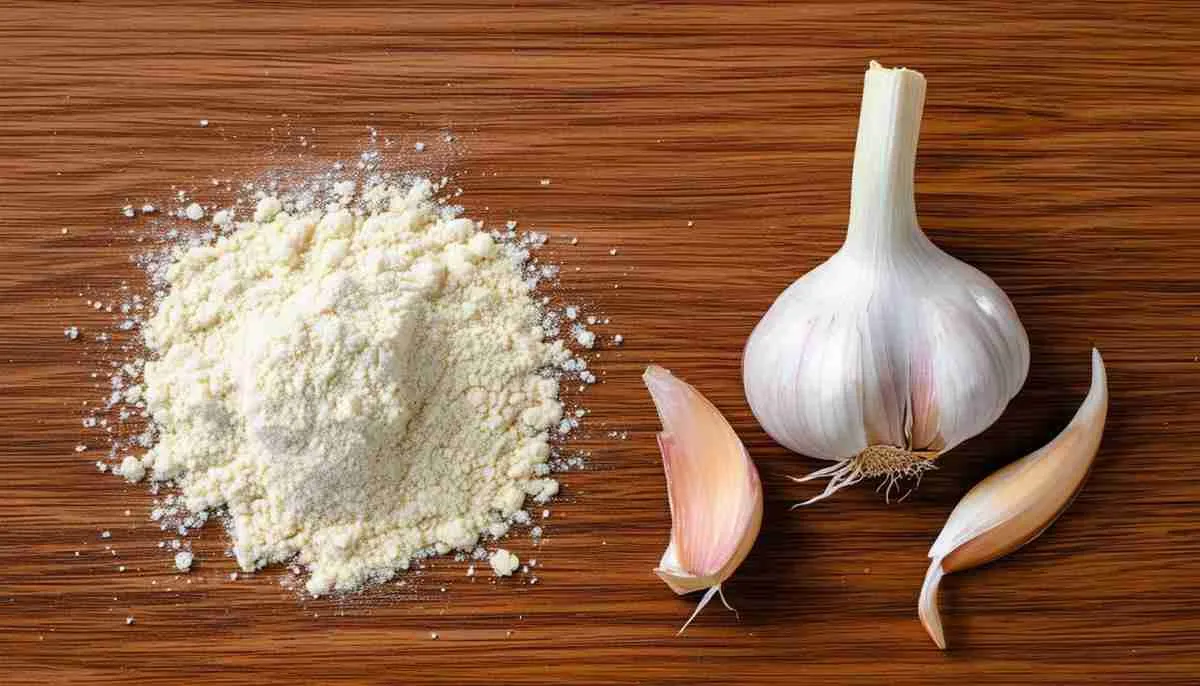
- 1/4 teaspoon garlic powder
- 1/4 teaspoon crushed red pepper flakes
Instructions:
- In a small bowl, whisk together the olive oil, lemon juice, rosemary, thyme, sage, pepper, crushed red pepper, and garlic powder.
- Place the Cornish hens in a resealable bag or dish and pour the marinade over them.
- Seal the bag or cover the dish and refrigerate for at least 30 minutes or up to overnight.
- When you are ready to cook, remove the Cornish hens from the marinade and discard the marinade.
No matter how you choose to season your Cornish hens, they are sure to be a delicious and flavorful meal.
Dressing up Cornish hen with glazes and stuffings
During the holiday season, Cornish hens are often served as an alternative to turkey. They can be dressed up with a variety of glazes and stuffings to create a festive and flavorful dish.
Here are a few ideas for glazes and stuffings that you can use to spice up your Cornish hen dish:
- Glazes: Pomegranate glaze, peach glaze, cherry glaze, orange glaze, cranberry glaze, orange marmalade, apricot glaze
- Stuffings: Wild rice stuffing, bread stuffing, sausage stuffing, chestnut stuffing, apple stuffing
To make a glaze:
- Combine your desired glaze ingredients in a saucepan over medium heat.
- Bring the glaze to a simmer and cook until it has thickened slightly.
- Brush the glaze over the Cornish hen before cooking.
- Reapply the glaze throughout the cooking process or until the Cornish hen is cooked through.
To make a stuffing:
- Follow your favorite stuffing recipe.
- Stuff the Cornish hen with the stuffing before cooking.
- Roast the Cornish hen until the stuffing is cooked through and the internal temperature of the Cornish hen reaches 165 degrees Fahrenheit.
Here is a recipe for a simple pomegranate glaze:
Ingredients:
- 1/2 cup pomegranate juice
- 1/4 cup honey
- 1 tablespoon balsamic vinegar
- 1/4 teaspoon black pepper
Instructions:
- In a saucepan over medium heat, combine the pomegranate juice, honey, balsamic vinegar, and black pepper.
- Bring the glaze to a simmer and cook until it has thickened slightly about 5 minutes.
- Remove the glaze from the heat and let it cool slightly.
- Brush the glaze over the Cornish hen before cooking.
- Reapply the glaze throughout the cooking process or until the Cornish hen is cooked through.
Tips on how to cook cornish hens with Haitian Epis
Haitian Epis is a flavorful spice blend that is commonly used in Haitian cuisine. It is made with a variety of herbs and spices, including parsley, thyme, garlic, and onions. Epis can be used to add flavor to a variety of dishes, including Cornish hens.
Here are a few tips for cooking Cornish hens with Haitian epis:
- Start by making a paste with the epis. This will help the flavors to adhere to the Cornish hens. To make the paste, simply combine the epis ingredients in a food processor or blender and puree until smooth.
- Rub the epis paste all over the Cornish hens, inside and out, making sure to coat them evenly.
- Marinate the Cornish hens in the epis paste for at least 30 minutes or up to overnight. This will help the flavors to infuse into the meat.
- Roast the Cornish hens in a preheated oven at 425 degrees Fahrenheit for 50-60 minutes or until they are cooked through.
Here is a specific recipe for cooking Cornish hens with Haitian epis:
Ingredients:
- 2 Cornish hens
- 1/4 cup Haitian epis paste
- 1 tablespoon olive oil
- 1/2 teaspoon salt
- 1/4 teaspoon black pepper
Instructions:
- Preheat the oven to 425 degrees Fahrenheit.
- Rub the epis paste all over the Cornish hens, inside and out.
- Place the Cornish hens in a roasting pan and drizzle with olive oil.
- Season the Cornish hens with salt and pepper.
- Roast the Cornish hens for 50-60 minutes or until they are cooked through.
- Serve the Cornish hens immediately.

The Perfect Portion:
One Cornish hen is a perfect serving size for one person, making them ideal for intimate gatherings or a satisfying solo meal.
Complementary Sides:
Pair your delectable Cornish hen with flavorful Caribbean sides that celebrate fresh, local ingredients. Roasted vegetables, rice and beans, or fried plantains are all excellent choices.
A World of Recipes:
The internet offers a vast collection of Cornish hen recipes. Explore different flavor profiles to find your perfect Caribbean flavor match!
Storing Leftovers:
Leftover cooked Cornish hen can be stored in the refrigerator for up to 3 days or frozen for up to 3 months.
Embrace the Cornish Hen!
With a little planning and this guide, you can create a delicious and impressive meal that embodies the essence of Caribbean Green living. So, fire up your oven (or grill!), grab your favorite spices, and get ready to enjoy the delightful Cornish hen!