
Haitian Bouillon Recipe (Beef & Vegetable Soup)
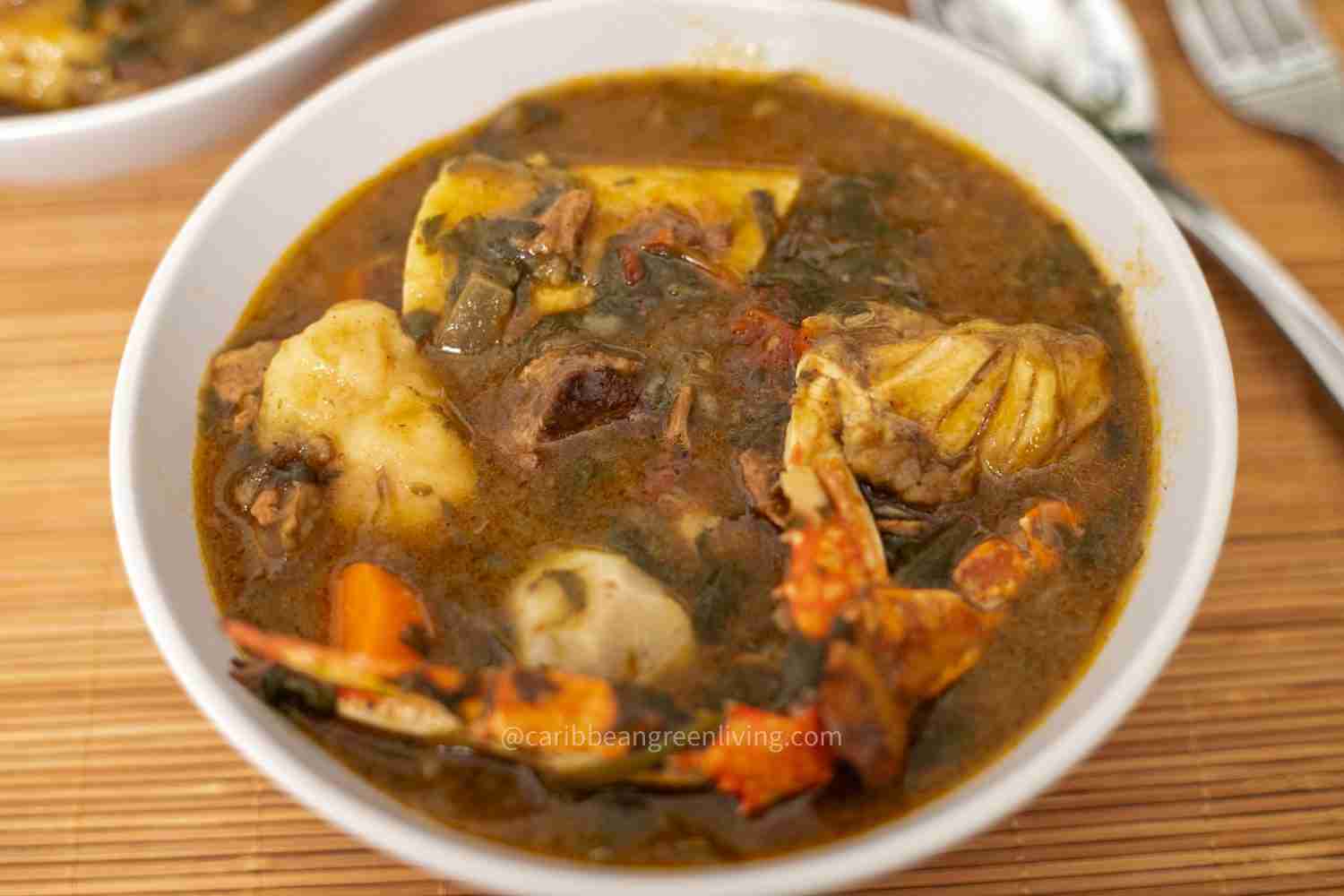
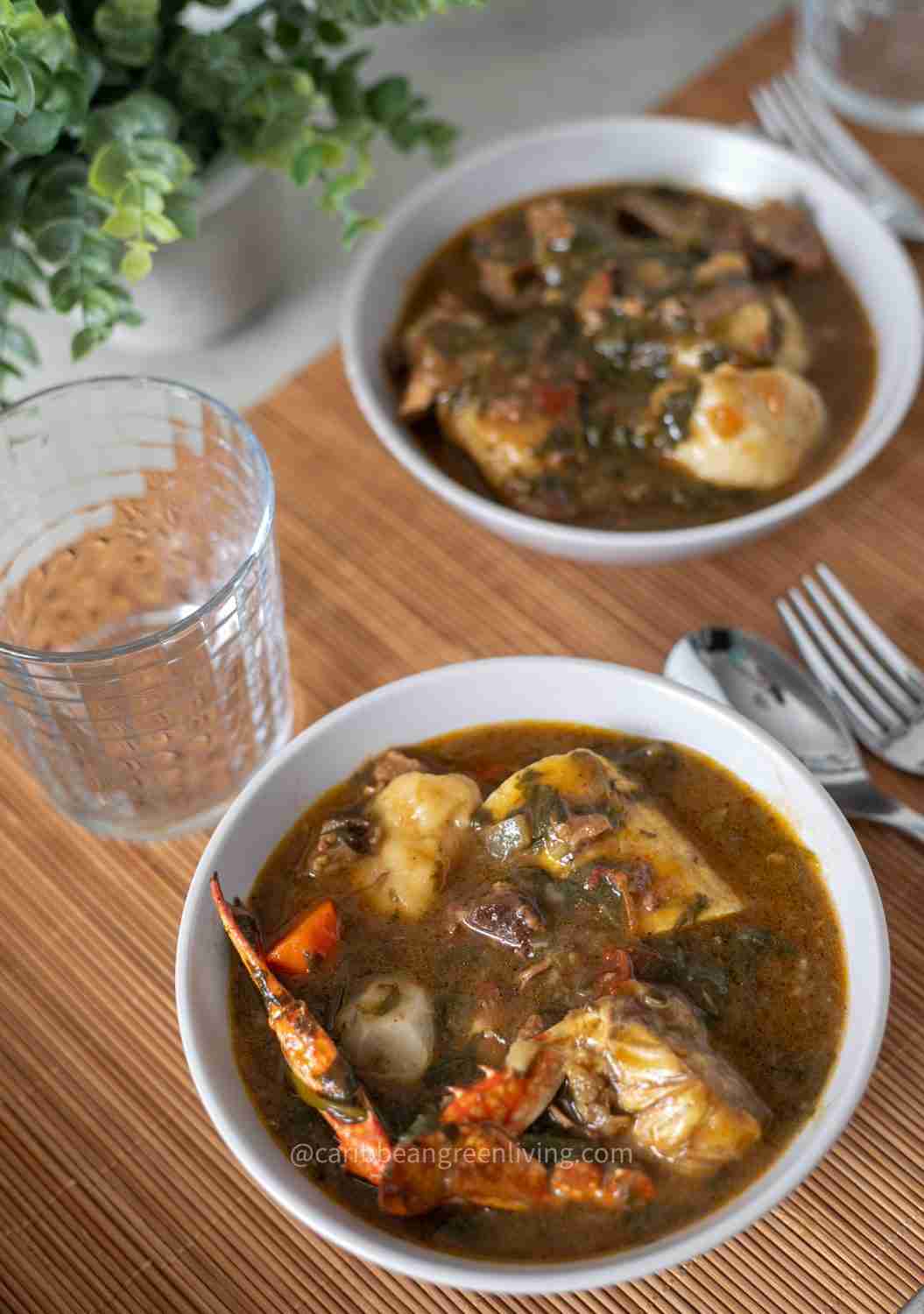
Haitian Bouillon (pronounced boo-yon) is a thick, hearty beef and vegetable soup traditionally prepared on Saturdays in Haiti. Loaded with seasoned beef, root vegetables, plantains, leafy greens, and dumplings, it is a substantial one-pot meal with layers of flavor in every spoonful.
The beef is typically well-seasoned with Haitian epis or a freshly prepared mixture of herbs and aromatics, such as parsley, scallions, thyme, garlic, black pepper, and lime. In this recipe, you can make the seasoning mixture from scratch along with the bouillon or use homemade epis you already have on hand. As everything cooks together, the meat, vegetables, and seasonings create a rich, flavorful broth, while the starchy vegetables help give the soup its characteristic body.
Like many traditional Haitian dishes, bouillon varies from one household to another. The combination of vegetables may change depending on what is available, and some versions include crab or other meats and seafood. That flexibility is part of what makes bouillon such a comforting and enduring part of Haitian cooking.
What Is Haitian Bouillon?
Haitian Bouillon, also called bouyon, is a traditional soup built around well-seasoned meat, starchy root vegetables and provisions, leafy greens, and dumplings simmered together in a flavorful broth. Beef is commonly used and may be seasoned with homemade Haitian epis or a freshly prepared blend of herbs, aromatics, lime, and spices.
What sets Haitian bouillon apart from a lighter beef or vegetable soup is how substantial it is. Plantains, malanga, potatoes, sweet potatoes, and other vegetables add different textures and help create a fuller-bodied broth. Greens, dumplings, and sometimes crab or other seafood make the dish even heartier.
Traditionally associated with Saturdays in Haiti, bouillon is meant to be a complete meal rather than simply a starter or broth.
The Foundation of Flavor
Haitian Bouillon gets its flavor from layers of seasoned meat, herbs and aromatics, vegetables, greens, and starchy provisions simmered together. Each ingredient contributes something different to the finished soup, from richness and body to freshness, sweetness, and texture.
Choosing the Meat
Beef is one of the most common choices for Haitian Bouillon. Beef shanks are especially good because the meat and bones slowly release flavor and richness into the broth as they cook. Beef chuck and bottom round can also be used, depending on what is available and the type of meat you prefer.
Bone-in cuts can add additional richness and body to the broth, but they aren’t required to make a flavorful bouillon. The most important step is to season the meat well and cook it until tender before building the rest of the soup.
Some Haitian cooks also combine beef with pork or add crab for another layer of flavor. As with many traditional Haitian dishes, the choice of meat can vary from one household to another.
Leafy Greens
Leafy greens balance the richness of the meat and starchy vegetables while adding flavor, color, and texture to the bouillon. This recipe combines spinach and watercress with cabbage.
Spinach cooks down into the broth, adding a mild, earthy flavor without overwhelming the other ingredients.
Watercress has a fresh, slightly peppery flavor that works especially well with the rich beef broth.
Cabbage adds texture and a subtle sweetness as it softens and absorbs the flavors of the soup.
Other leafy greens, such as kale, Swiss chard, or mustard greens, can be used when necessary. Keep in mind that stronger greens will alter the flavor of the bouillon, so choose substitutions based on the taste and texture you prefer.

Root Vegetables, Plantains, and Other Provisions
One of the things that makes Haitian Bouillon so hearty is the generous combination of root vegetables, plantains, and other provisions. Each ingredient contributes its own flavor and texture, and the starchy vegetables also help give the broth some of its characteristic body.
- Green plantain adds a firm, starchy texture and absorbs the flavors of the seasoned broth.
- Malanga (yautia) has a mild, earthy flavor and creamy starchiness that can help thicken the bouillon as it cooks.
- Potatoes absorb the broth readily and add a soft, comforting texture.
- Sweet potatoes bring subtle sweetness that balances the savory meat and seasonings.
- Chayote has a lighter texture and mild flavor that takes on the flavors of the broth beautifully.
- Carrots add natural sweetness, color, and texture.
- Parsnips contribute an earthy sweetness that complements the beef and other vegetables.
There are two good ways to prepare the provisions, depending on the consistency and texture you prefer.
You can cook them directly in the bouillon, where they absorb the flavors of the meat, epis, and seasoned broth. The key is not to overcook them. When starchy vegetables such as malanga, potatoes, and sweet potatoes remain in the pot too long, they begin to fall apart and release more starch, which can make the broth much thicker.
Another method is to boil or steam the Caribbean root vegetables separately and add them to each bowl when serving. This makes it easier to control their texture and the thickness of the bouillon while still serving the soup with a generous assortment of provisions.
Both methods work. If you enjoy a thicker bouillon and want the vegetables to absorb as much of the broth’s flavor as possible, cook them in the soup and watch their cooking time carefully. If you prefer firmer, more distinct pieces of root vegetables and greater control over the consistency of the broth, cooking them separately is an excellent option.

Traditional Preparation Method
Haitian Bouillon is built in layers so the meat becomes tender, the broth develops flavor, and the vegetables cook without everything becoming too soft at the same time.
- Clean and season the meat generously. Season the beef with homemade epis or a freshly prepared mixture of herbs, aromatics, lime, and spices, then allow it to marinate so the flavors penetrate the meat.
- Cook the meat until tender. Slowly cook the seasoned beef, adding liquid as needed to create the flavorful base for the bouillon. Bone-in cuts can add additional richness, but boneless beef can also be used.
- Add the firm vegetables and provisions. If cooking the provisions directly in the bouillon, add the firmer vegetables first so they have enough time to cook without allowing the softer ones to fall apart.
- Add the leafy greens and softer vegetables. These require less cooking time and are added later so they retain some texture and flavor.
- Add the dumplings and optional crab. Add them toward the latter part of cooking, adjusting the timing according to the type of crab being used.
- Adjust the broth and finish the bouillon. Continue simmering until the meat and vegetables are tender and the flavors have come together. Taste and adjust the seasoning and amount of liquid before serving.
The final consistency is a matter of preference. Some Haitian Bouillon is thick and packed with meat, vegetables, and provisions, while other versions are intentionally more brothy. Cooking starchy provisions directly in the pot will naturally thicken the broth, while cooking them separately gives you greater control over the consistency. The goal is a flavorful, well-seasoned bouillon with the balance of broth and vegetables you enjoy.
Variations of Haitian Bouillon
Like many traditional Haitian dishes, bouillon can vary considerably from one household to another. Beef is a common choice, but the meat, seafood, vegetables, and provisions can change depending on family preferences, availability, and the type of bouillon being prepared.
- Beef Bouillon: Made with well-seasoned beef and an assortment of vegetables, greens, provisions, and dumplings. Beef shank, chuck, or other cuts suitable for slow cooking can be used.
- Beef and Pork Bouillon: Combining beef and pork adds another layer of richness and is another way some families prepare the dish.
- Bouillon with Crab: Crab can be added along with the meat for additional flavor. Whole blue crab is a traditional option when available, but snow crab or king crab legs can also be used.
- Chicken Bouillon: Chicken can replace beef for a different version of the soup. Because chicken cooks more quickly than tougher cuts of beef, the cooking time should be adjusted accordingly.
- Seafood Bouillon: Seafood versions may include crab and other seafood, with cooking times adjusted so delicate ingredients are not overcooked.
The vegetables and seasonings can also vary. Some cooks use a large assortment of provisions and leafy greens, while others keep the combination simpler. This flexibility is one of the reasons Haitian Bouillon can look and taste a little different from one kitchen to another while remaining a familiar and comforting dish.
Tips for Making a Flavorful Haitian Bouillon
- Give the flavors a few minutes to settle. Once the bouillon is finished, remove it from the heat and let it rest briefly before serving. Taste once more and make any final seasoning adjustments.
- Season the meat well. Give the beef time to marinate with homemade epis or the freshly prepared herb and aromatic mixture before cooking. Well-seasoned meat helps build the flavor of the entire bouillon.
- Choose the beef according to the broth you want. Bone-in cuts such as beef shank can add richness and body, but boneless cuts can also make a flavorful bouillon when properly seasoned and cooked.
- Build the broth gradually. Avoid adding too much water at once. Start with enough liquid to cook the meat, and add more as needed while building the bouillon. This gives you better control over both flavor and consistency.
- Pay attention to the provisions. Malanga, potatoes, sweet potatoes, and other starchy vegetables can break apart and thicken the broth when cooked too long. Add them according to their cooking time, or boil or steam them separately if you prefer firmer vegetables and more control over the broth.
- Add delicate ingredients later. Leafy greens, dumplings, and seafood don’t need the same cooking time as beef and firm root vegetables. Adding them in stages helps preserve their texture.
- Taste before adding more salt. The seasoned meat, epis, and bouillon powder all contribute salt and flavor to the broth. Taste toward the end of cooking before making the final adjustment.
- Adjust the consistency to your preference. For a thicker bouillon, allow some of the starchy provisions to cook in the broth. For a more broth-like version, add more liquid as needed, or cook the provisions separately.
Storage and Reheating Tips
Haitian Bouillon stores and reheats well, and like many soups and stews, it often tastes even better the next day as the flavors continue to develop.
- Refrigerate: Store leftover bouillon in an airtight container for up to 3–4 days.
- Freeze: Freeze for longer storage. Keep in mind that dumplings and root vegetables may soften slightly after freezing and reheating.
- Reheat gently: Warm the bouillon over medium-low to medium heat, stirring occasionally, until heated through.
- Add hot water if needed: The broth may thicken considerably after refrigeration, especially when the provisions were cooked directly in the soup. If you need to loosen the broth, add a small amount of hot water—never cold water—at a time until the bouillon reaches your preferred consistency.
- Taste before adjusting the seasoning: Adding water can dilute the broth, so taste the bouillon after reheating and adjust the seasoning only if necessary.

Frequently Asked Questions About Haitian Bouillon
What is Haitian Bouillon?
Haitian Bouillon is a traditional Haitian beef and vegetable soup made with root vegetables, leafy greens, dumplings, and a seasoned broth built from bones and epis. It is typically prepared on Saturdays and served as a complete one-pot meal.
What makes Haitian Bouillon thick?
The thickness comes from starchy root vegetables like malanga, plantain, and potatoes, as well as dumplings. As they cook, they release starch into the broth, naturally creating a hearty texture.
What cut of beef is best for Haitian Bouillon?
Beef shank and chuck are the most commonly used cuts because they provide both tenderness and rich flavor. Bone-in cuts are preferred to create depth in the broth.
Can I make Haitian Bouillon without malanga?
Yes. While malanga (yautia) is traditional, you can substitute potatoes, sweet potatoes, or additional plantain if needed.
Is Haitian Bouillon spicy?
Bouillon has a warm note from Scotch bonnet pepper, but it is not meant to be overwhelmingly spicy. The heat level can be adjusted to taste.
Can Haitian Bouillon be frozen?
Yes. Haitian Bouillon freezes well. Store in airtight containers and reheat gently. Keep in mind that dumplings may soften slightly after freezing.
What is the difference between Haitian bouillon and Soup Joumou?
Haitian Bouillon and Soup Joumou are both hearty Haitian soups, but they are not the same dish. Haitian Bouillon is typically built around well-seasoned meat, vegetables, leafy greens, provisions, and dumplings in a flavorful broth. The consistency can range from thick and hearty to more brothy, depending on how it is prepared.
Soup Joumou, on the other hand, is characterized by its squash-based broth and has a particularly important place in Haitian history and culture. It is traditionally served on January 1 to celebrate Haiti’s Independence Day.
Why do Haitians eat Bouillon on Saturdays?
Saturday bouillon is a familiar tradition in many Haitian households. After a long week, a generous bowl of bouillon makes a satisfying meal filled with meat, vegetables, greens, provisions, and broth—the kind of food many of us grew up thinking of as something that would nourish you, give you energy, and help make you strong again for the week ahead.
But Saturday bouillon is about more than what is in the pot. It can also be a social meal. Families gather around it, friends share it, and a large pot naturally gives you enough food to share with whoever happens to be there. Sitting together over bowls of hot bouillon creates conversation and connection. You might even make a new friend over a good bowl of bouyon.
The exact origins of the Saturday tradition are difficult to pin down, and experiences vary from one Haitian family to another. What has endured is the association of Saturday with a hearty pot of bouillon and gathering with family and friends.
Tools You’ll Need to Make Haitian Bouillon
Haitian Bouillon requires a large pot and quite a bit of vegetable prep, so a few basic kitchen tools will make the process easier.
- Large Stockpot (8–12 quart): A good choice when making a large batch of bouillon with plenty of room for the meat, vegetables, provisions, greens, and dumplings.
- Dutch Oven: Works well for a smaller batch and provides steady heat for cooking the meat and simmering the broth.
- Chef’s Knife: A sharp, sturdy knife makes preparing firm ingredients such as malanga, plantains, potatoes, and other vegetables much easier.
- Cutting Board: Choose a large, stable cutting surface since this recipe involves quite a bit of chopping and peeling.
- Vegetable Peeler: Helpful for preparing potatoes, carrots, parsnips, and other vegetables.
- Food Storage Containers: Useful for refrigerating or freezing leftover bouillon.
Now that you know how the ingredients and cooking methods affect the flavor and consistency, let’s make Haitian Bouillon.

Haitian Bouillon (Beef and Vegetable Soup)
Ingredients
For the Beef and Fresh Epis Seasoning
- 2 pounds beef shanks beef chuck, or bottom round
- 2 tablespoons fresh lime juice
- 2 tablespoons chopped fresh parsley
- 2 scallions finely chopped
- 1 sprig fresh thyme
- 3 tablespoons finely chopped garlic
- ½ teaspoon ground black pepper
- 1 tablespoon salt
For the Dumplings
- 2¼ cups all-purpose flour
- 1 cup water
- 1 teaspoon salt
- 1 teaspoon ground black pepper
- ¼ teaspoon sweet paprika
For the Bouillon
- 2 tablespoons olive oil
- 1 large white onion chopped
- 1 green bell pepper chopped
- 2 tomatoes chopped
- 4 cups packed spinach
- 1 chayote peeled and cut into small cubes
- 2 carrots peeled and sliced
- 2 parsnips peeled and sliced
- 2 medium potatoes peeled and cut into cubes
- 2 medium white or yellow sweet potatoes peeled and cut into cubes
- 2 malanga yautia, peeled and cut into cubes
- 1 large green plantain peeled and cut into 1-inch (2.5 cm) slices
- 2 tablespoons low-sodium beef or chicken bouillon powder
- Garlic powder to taste
- Salt to taste
- Ground black pepper to taste
- ½ Scotch bonnet pepper or to taste
Optional Crab
- 4 whole blue crabs cleaned and prepared, or snow crab or king crab legs, as desired
Instructions
- Prepare and season the beef. Clean the beef with fresh lime and pat dry. Combine the parsley, scallions, thyme, garlic, black pepper, lime juice, and salt to make the fresh epis seasoning. You can finely chop the ingredients or blend them together. Coat the beef thoroughly with the seasoning, cover, and marinate for at least 1 hour or, for more flavor, overnight in the refrigerator. If using already-prepared homemade epis, use it in place of the fresh seasoning mixture and adjust the lime juice and salt as needed.
- Cook the beef. Place the seasoned beef and its marinade in a large stockpot or Dutch oven over medium heat. Allow the beef to release its natural juices and cook in the seasoning. Add hot water gradually as needed and continue cooking until the beef begins to become tender. The exact cooking time will depend on the cut of beef.
- Prepare the dumplings. While the beef cooks, combine the flour, salt, black pepper, and sweet paprika in a bowl. Gradually add the water and mix until a firm dough forms. Knead just until the dough comes together. Pinch off small portions and roll them between your palms to form small elongated dumplings. Cover and set aside.
- Prepare the vegetables and provisions. Peel and cut the chayote, carrots, parsnips, potatoes, sweet potatoes, malanga, and green plantain as directed in the ingredient list. Keep the vegetables in separate groups when possible because they do not all cook at the same rate.
- Choose how to cook the provisions. For a thicker bouillon with vegetables that absorb more of the seasoned broth, cook the potatoes, sweet potatoes, malanga, and plantain directly in the soup. For firmer provisions and greater control over the thickness of the broth, boil or steam them separately and add them to the individual bowls when serving.
- Build the bouillon. When the beef is nearly tender, heat the olive oil in the pot and add the onion, bell pepper, and tomatoes. Cook until the vegetables begin to soften and release their flavor. Add the chayote, carrots, and parsnips, followed by the potatoes, sweet potatoes, malanga, and plantain if you are cooking the provisions directly in the bouillon.
- Season the broth. Add the low-sodium beef or chicken bouillon powder and garlic powder. Add enough hot water to create the amount of broth you prefer. Stir gently, bring to a simmer, and continue cooking until the firmer vegetables begin to become tender. Taste before adding additional salt and black pepper.
- Add the spinach and dumplings. Add the spinach and prepared dumplings to the pot. Continue simmering until the spinach has wilted, the dumplings are cooked through, and the vegetables are tender. Stir gently so the root vegetables do not break apart.
- Add the crab, if using. If using crab, add it according to the type and the amount of cooking time it requires. Prepared whole blue crab can be added early enough to flavor the broth and cook through. Snow crab or king crab legs generally require less cooking time and should be added later so they heat through without overcooking.
- Add the Scotch bonnet. Add the Scotch bonnet according to your preferred heat level. Leave it whole for less heat or cut or pierce it for a spicier bouillon. Avoid accidentally breaking a whole pepper while stirring unless you want considerably more heat.
- Adjust the consistency and seasoning. Continue simmering gently until the beef, vegetables, and dumplings are cooked and the flavors have come together. If the bouillon becomes thicker than you prefer, add a little hot water at a time. Do not add cold water directly to the hot bouillon. Taste and adjust the salt, black pepper, garlic powder, or bouillon powder as needed.
- Serve. Remove the Scotch bonnet if it was left whole. If you cooked the provisions separately, divide them among the serving bowls and ladle the hot bouillon, meat, vegetables, dumplings, and optional crab over them. Serve hot.
Notes
Nutrition
Please keep in mind that nutritional information is a rough estimate and can vary greatly based on the products used.
Nutrition info is automatically generated and provided as a courtesy and as an estimate only.
Originally published on April 20, 2013. Revised and updated to add additional content.


Want to try this. When to add dumplings?
Thank you for your comment Deena. You add the dumplings when you add the meat to the soup. Happy cooking!