Master the Art of Cooking with These Expert Tips
Ever dreamed of becoming a culinary master? Our guide is packed with expert tips to elevate your cooking game. From knife skills to seasoning secrets, we’ve got you covered. Let’s unlock your inner chef!
The importance of mastering cooking skills
Cooking is more than just a hobby; it’s a fundamental life skill. Beyond providing sustenance, mastering the art of cooking offers numerous benefits for your health, wallet, and overall well-being.
- Healthier Eating: When you cook your own meals, you have complete control over the ingredients and preparation methods. This allows you to choose fresh, whole foods and limit unhealthy additives, preservatives, and excessive amounts of salt, sugar, and fat.
- Cost-Effective: Eating out can quickly add up. By cooking at home, you can save money while enjoying delicious, nutritious meals.
- Stress Relief: Cooking can be a therapeutic activity. The process of chopping, stirring, and creating something from scratch can be incredibly relaxing and rewarding.
- Creativity and Self-Expression: Cooking is a form of art. Experimenting with different flavors, techniques, and ingredients allows you to express your creativity and discover your unique culinary style.
- Social Connection: Sharing homemade meals with loved ones is a wonderful way to connect and create lasting memories.
In essence, mastering cooking skills empowers you to take control of your health, finances, and overall quality of life. So, why not roll up your sleeves, embrace the culinary journey, and discover the joy of creating delicious, satisfying meals?
Essential cooking techniques every home cook should know
A solid foundation of cooking techniques is essential for creating delicious and satisfying meals. Here are some fundamental skills that every home cook should master:
- Knife Skills: Proper knife techniques ensure safety, speed, and precision in the kitchen. Learn how to chop, slice, dice, mince, and julienne fruits and vegetables.
- Sautéing: Sautéing is a versatile technique that involves cooking food over high heat in a small amount of oil. It’s perfect for quickly browning meats and vegetables.
- Braising: Braising is a slow cooking method that involves searing meat or vegetables and then simmering them in a flavorful liquid. It’s ideal for tough cuts of meat that require tenderizing.
- Roasting: Roasting is a dry-heat cooking method that involves cooking food in an oven. It’s perfect for bringing out the natural flavors of meats and vegetables.
- Baking: Baking involves cooking food in a dry-heat environment, typically an oven. It’s essential for creating a variety of baked goods, from cakes and cookies to breads and pastries.
- Boiling and Simmering: Boiling and simmering are simple techniques used to cook foods in liquid. Boiling involves vigorous bubbling while simmering involves gentle bubbling.
- Steaming: Steaming is a healthy cooking method that involves cooking food over boiling water. It helps retain nutrients and keeps food moist.
By mastering these essential techniques, you’ll have the confidence to tackle a wide range of recipes and create delicious meals that impress your family and friends.

Tips for selecting and using quality ingredients
The quality of your ingredients directly impacts the taste and overall success of your dishes. Here are some tips for selecting and using high-quality ingredients:
- Buy Fresh: Whenever possible, choose fresh, seasonal produce. Look for vibrant colors, firm textures, and a pleasant aroma.
- Read Labels: Pay attention to ingredient lists and nutritional information. Avoid products with excessive amounts of added sugars, unhealthy fats, and artificial preservatives.
- Support Local Farmers: Consider purchasing from local farmers’ markets or community-supported agriculture (CSA) programs. This helps support local economies and ensures you’re getting fresh, high-quality produce.
- Proper Storage: Store ingredients according to their specific needs to maintain freshness and prevent spoilage. Follow recommended storage temperatures and guidelines.
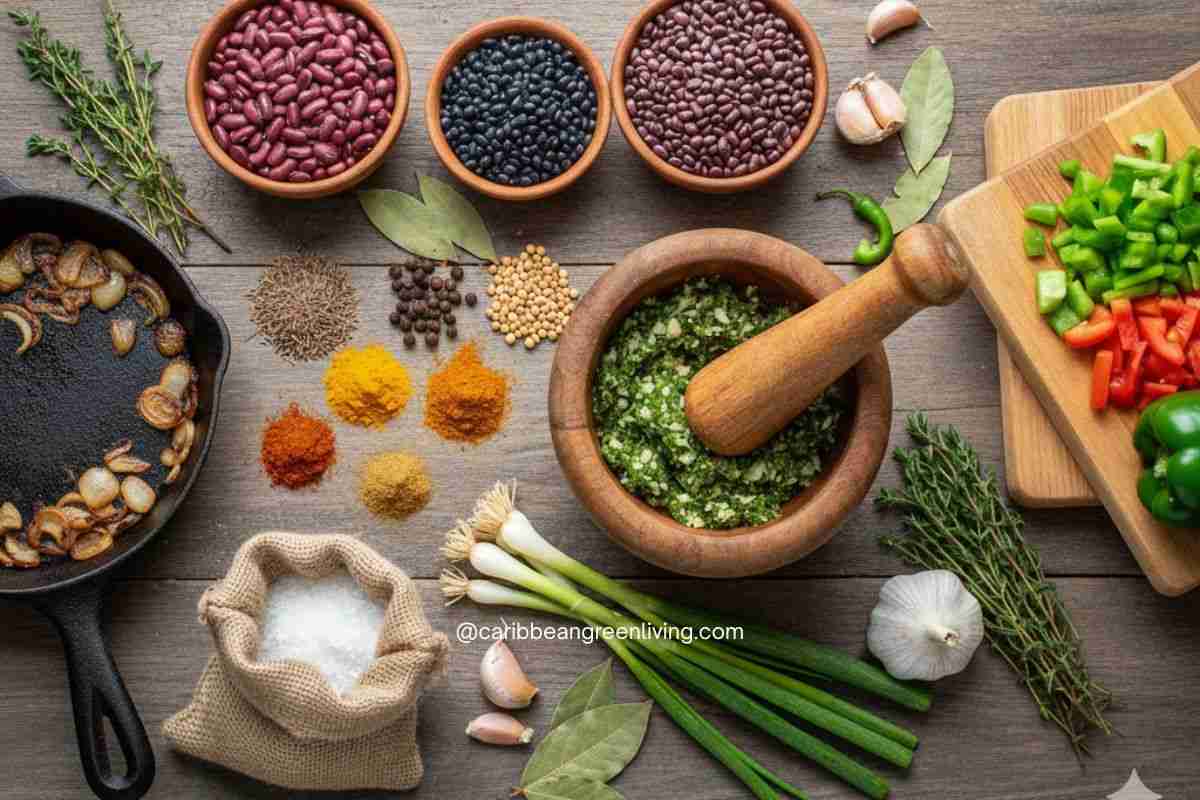
- Use Herbs and Spices Freshly: Grinding or crushing herbs and spices just before using them releases their full flavor. Avoid using pre-ground spices that may have lost their potency.
- Taste as You Go: As you cook, taste your food frequently and adjust seasonings as needed. This ensures that your dishes are perfectly flavored.
- Don’t Overcrowd the Pan: Overcrowding the pan can lead to uneven cooking and prevent food from browning properly. Cook in batches if necessary.
By following these tips, you’ll be able to select and use high-quality ingredients that elevate your cooking and create delicious, satisfying meals.
The role of flavor profiles in creating memorable dishes
A well-balanced flavor profile is the key to creating truly memorable dishes. By understanding the interplay of different flavors, you can craft meals that are both delicious and satisfying.
Here are some key elements of a flavor profile:
- Sweet: Sweetness adds a comforting and enjoyable element to dishes. It can be achieved through natural sugars found in fruits, vegetables, and honey, or added sweeteners like sugar or maple syrup.
- Sour: Sourness provides a bright, tangy flavor that can balance sweetness and richness. It can be achieved through acidic ingredients like citrus fruits, vinegar, or yogurt.
- Salty: Salt enhances the overall flavor of a dish and helps to balance other tastes. It’s essential for bringing out the natural flavors of ingredients.
- Bitter: Bitterness adds complexity and depth to a dish. It can be achieved through ingredients like coffee, dark chocolate, or certain herbs and spices.
- Umami: Umami is a savory flavor often described as “meaty” or “brothy.” It can be found in ingredients like mushrooms, soy sauce, and aged cheeses.
When creating a flavor profile, consider the following:
- Balance: Aim for a harmonious balance of sweet, sour, salty, bitter, and umami flavors.
- Contrast: Use contrasting flavors to create interest and complexity. For example, pair sweet with salty, or sour with bitter.
- Enhancement: Choose ingredients that complement and enhance the natural flavors of your main ingredients.
- Experimentation: Don’t be afraid to experiment with different flavor combinations. The possibilities are endless!
By understanding the role of flavor profiles and experimenting with different combinations, you can create truly unforgettable dishes that delight your taste buds and impress your guests.
Mastering the art of knife skills and proper kitchen tools
A sharp knife is a chef’s best friend. Proper knife skills ensure safety, speed, and precision in the kitchen. Here are some essential knife techniques to master:
- Chopping: This involves cutting food into small, uniform pieces.
- Slicing: This involves cutting food into thin, even slices.
- Dicing: This involves cutting food into small cubes.
- Mincing: This involves cutting food into very fine pieces.
- Julienne: This involves cutting food into long, thin strips.
In addition to knife skills, having the right kitchen tools is crucial for success. Here are some essential tools every home cook should have:
- Chef’s knife: A versatile knife used for various tasks, including chopping, slicing, and dicing.
- Paring knife: A small knife used for peeling, coring, and mincing.
- Santoku knife: A Japanese knife with a wide blade and a slight curve, ideal for slicing and chopping.
- Bread knife: A serrated knife designed for cutting bread without crushing it.
- Cutting board: A sturdy surface for cutting and preparing food.
- Measuring cups and spoons: Accurate tools for measuring ingredients.
- Mixing bowls: Bowls of various sizes for mixing ingredients.
- Pot and pan set: A variety of pots and pans for different cooking methods.
- Whisk: A tool for mixing, beating, and incorporating air into ingredients.
- Spatula: A flexible tool for lifting, flipping, and spreading food.
By investing in quality knives and essential kitchen tools, you’ll be well-equipped to tackle any recipe and create delicious meals with ease.

Exploring different cooking methods and their applications
Understanding various cooking methods and their applications is essential for creating a diverse range of dishes. Here are some common techniques and their best uses:
- Sautéing: Perfect for quickly browning meats and vegetables over high heat in a small amount of oil. Ideal for stir-fries, fajitas, and quick weeknight meals.
- Braising: A slow cooking method that involves searing meat or vegetables and then simmering them in a flavorful liquid. Great for tough cuts of meat like beef short ribs or pork shoulder.
- Roasting: A dry-heat cooking method that involves cooking food in an oven. Ideal for bringing out the natural flavors of meats and vegetables. Perfect for roast chicken, roasted vegetables, and crispy potatoes.
- Baking: A dry-heat cooking method that involves cooking food in a closed environment, typically an oven. Ideal for creating a variety of baked goods, from cakes and cookies to breads and pastries.
- Boiling: A wet-heat cooking method that involves cooking food in simmering liquid. Great for pasta, rice, and eggs.
- Simmering: A gentler version of boiling, where the liquid is kept at a low temperature. Ideal for stews, soups, and sauces.
- Steaming: A healthy cooking method that involves cooking food over boiling water. Retains nutrients and keeps food moist. Perfect for vegetables, seafood, and dumplings.
- Grilling: A dry-heat cooking method that involves cooking food over an open flame or hot surface. Ideal for meats, vegetables, and seafood.
- Pan-frying: A method similar to sautéing, but with a slightly lower heat and often using a thicker cut of meat or vegetable. Great for steaks, chicken breasts, and fish fillets.
By experimenting with different cooking methods, you can expand your culinary repertoire and create a variety of delicious and satisfying meals.
Embracing cultural influences in cooking
Cooking is a powerful medium for exploring and celebrating different cultures. By incorporating elements from diverse cuisines, you can create unique and flavorful dishes that broaden your culinary horizons.
Here are some ways to embrace cultural influences in your cooking:
- Explore Global Cuisines: Research different culinary traditions and learn about their unique ingredients, techniques, and flavor profiles.
- Experiment with New Flavors: Try incorporating unfamiliar spices, herbs, and condiments into your dishes.
- Visit Local Markets: Discover exotic ingredients and produce at your local farmers’ markets or specialty food stores.
- Take a Cooking Class: Learn from experienced chefs who specialize in a particular cuisine.
- Travel: Experience different cultures firsthand by visiting new places and trying local delicacies.
By embracing cultural influences in your cooking, you can create a more vibrant and exciting dining experience for yourself and your loved ones.
Conclusion: The journey of mastering the art of cooking
Mastering the art of cooking is a rewarding and lifelong journey. By following the expert tips and techniques outlined in this guide, you can develop your culinary skills, create delicious meals, and impress your family and friends.
Remember, cooking is a form of self-expression. Don’t be afraid to experiment with new flavors, ingredients, and techniques. The more you practice, the more confident and skilled you will become.
So, put on your apron, grab your spatula, and embark on a culinary adventure. The possibilities are endless!