Moringa: The Superfood You Need to Know About
Moringa, often called the “miracle tree” or drumstick tree, has been used for centuries for its powerful health benefits. Packed with nutrients, antioxidants, and anti-inflammatory properties, this superfood is gaining popularity worldwide. Whether you’re looking to boost your immune system, improve digestion, or enhance your overall well-being, moringa might be the perfect natural solution.
What is Moringa?
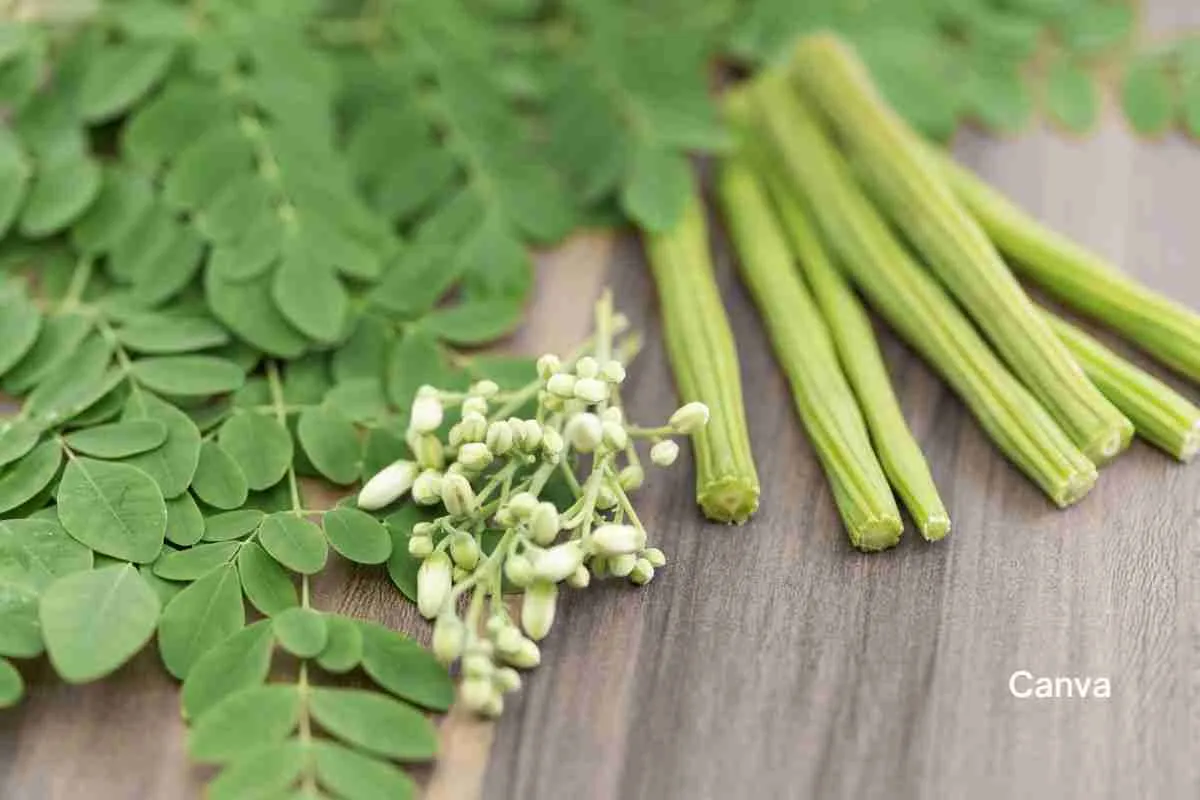
Moringa (Moringa oleifera) is a fast-growing tree native to South Asia and Africa, but it also thrives in the Caribbean. It has been used in traditional medicine for generations, with almost every part of the plant—leaves, seeds, flowers, and pods—offering nutritional and medicinal benefits. Moringa leaves, in particular, are rich in vitamins, minerals, and plant compounds that contribute to its superfood status.
Moringa in the Caribbean
In the Caribbean, moringa is commonly grown in home gardens and is valued for both its nutritional and medicinal properties. It is known by different names depending on the country:
- Haiti & the French Caribbean – “Doliv” or “Benzolive”
- Jamaica – “Horseradish Tree”
- Trinidad & Tobago – “Saijan”
- Puerto Rico & Dominican Republic – “Marango”
Many Caribbean communities have long used moringa for its healing properties, making it a staple in natural medicine and home remedies.
Health Benefits of Moringa
Moringa is packed with essential nutrients and offers a range of health benefits, including:
1. Rich in Nutrients
Moringa leaves contain:
- Vitamin C – Supports immune health
- Vitamin A – Promotes healthy skin and vision
- Calcium & Magnesium – Strengthens bones
- Iron – Helps combat fatigue and anemia
- Protein – A great plant-based protein source
2. Powerful Antioxidants
Moringa is loaded with antioxidants like quercetin and chlorogenic acid, which help fight oxidative stress, reduce inflammation, and lower the risk of chronic diseases.
3. Supports Heart Health
Studies suggest moringa may help lower cholesterol levels and regulate blood pressure, reducing the risk of heart disease.
4. Balances Blood Sugar Levels
Moringa may help regulate blood sugar, making it a great supplement for those managing diabetes or insulin resistance.
5. Boosts Energy and Digestion
Due to its high fiber content, moringa aids digestion, supports gut health, and provides a natural energy boost without caffeine.

How to Use Moringa
Moringa is available in various forms, making it easy to incorporate into your daily routine:
- Moringa Powder – Add to smoothies, soups, or baked goods.
- Moringa Tea – Brew dried leaves for a refreshing herbal tea.
- Moringa Capsules – A convenient option for daily supplementation.
- Fresh Moringa Leaves – Use in salads, soups, or stir-fries.
- Moringa Oil – Great for skincare and hair care.
- Stews & Legumes – In Caribbean cooking, moringa leaves are sometimes added to stews or Haitian legumes for a nutritious boost.
Fresh vs. Dried Moringa: Which One to Use?
Both fresh and dried moringa offer incredible health benefits, but they have different uses depending on your needs.
Fresh Moringa Leaves
- Best for cooking – Fresh moringa leaves can be added to soups, stews, and sautés, much like spinach or kale.
- Mild flavor – They have a slightly earthy, peppery taste that blends well with savory dishes.
- Higher water content – This makes them ideal for immediate consumption but gives them a shorter shelf life.
- Great for herbal remedies – Used in teas and traditional Caribbean remedies for colds and digestive issues.
Dried Moringa Leaves & Powder
- More concentrated nutrients – Drying preserves moringa’s vitamins and minerals, making the powder more potent than fresh leaves.
- Convenient storage – Dried moringa has a longer shelf life and is easier to store.
- Versatile use – Add to smoothies, teas, soups, or baked goods for an extra nutritional boost.
- Stronger flavor – Slightly more bitter than fresh leaves, so use it in small amounts to balance the taste.
The Use of Moringa Bark
Moringa bark is less commonly used than the leaves but has been valued in traditional medicine for centuries. It contains unique compounds that may provide additional health benefits.
- Medicinal Uses – In some cultures, moringa bark is used in teas or tinctures for its anti-inflammatory and antimicrobial properties. It has been traditionally used to help with digestion, circulation, and pain relief.
- Caution – Moringa bark contains alkaloids that can be potent, and excessive consumption may have side effects. Pregnant women should avoid it, as some compounds may cause uterine contractions.
- Topical Applications – The bark is sometimes made into poultices to treat minor wounds and skin irritations.
Whether you choose fresh leaves, dried powder, or even bark-based remedies, moringa is a powerful natural resource. Always use it in moderation and source it from reputable suppliers for the best quality.

Where to Buy Moringa
You can find moringa in health food stores, specialty supermarkets, and online retailers. When purchasing moringa, consider:
- Organic Certification – Ensures it’s free from pesticides and additives.
- Pure Ingredients – Avoid products with fillers or artificial ingredients.
- Reputable Brands – Look for trusted sources with good reviews.
Final Thoughts
Moringa is a nutrient-dense superfood with a wide range of health benefits. Whether you choose to drink it as tea, blend it into smoothies, or cook it in Caribbean dishes, adding moringa to your routine is a simple way to boost your overall well-being.