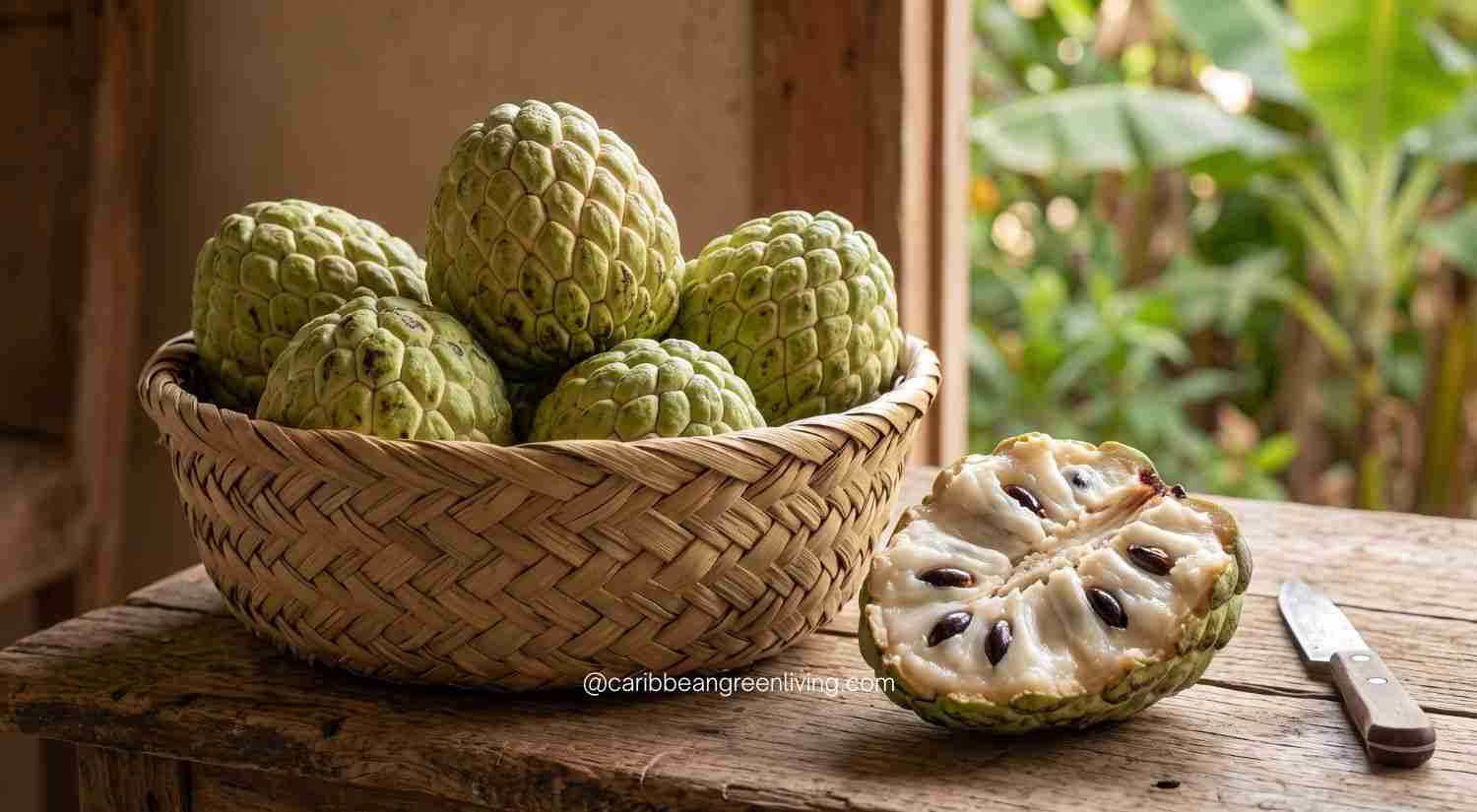
Papaya: The tropical fruit with a world of health benefits
Papaya, a tropical fruit renowned for its vibrant orange flesh and sweet-tart flavor, has been cherished for centuries for its culinary and medicinal properties. Native to Central America, this versatile fruit is now cultivated in many tropical and subtropical regions worldwide. Beyond its delicious taste, papaya is a nutritional powerhouse, packed with essential vitamins, minerals, and antioxidants that offer a wide range of health benefits.
A Nutritional Powerhouse
Papaya is an excellent source of:
- Vitamin C: A potent antioxidant that boosts immunity and promotes collagen production for healthy skin.
- Vitamin A: Essential for maintaining good vision, supporting immune function, and promoting cell growth.
- Potassium: Helps regulate blood pressure and supports heart health.
- Fiber: Aids digestion and promotes a healthy gut.
- Papytin: An enzyme that aids in digestion, particularly protein digestion.
Health Benefits Galore
- Boosts Immunity: The high content of vitamin C and antioxidants in papaya helps strengthen the immune system, making it a great choice for fighting off colds and flu.
- Improves Digestion: The fiber and enzyme papain in papaya aid in digestion and can alleviate digestive issues like constipation and bloating.
- Promotes Heart Health: The potassium in papaya helps regulate blood pressure, reducing the risk of heart disease.
- Enhances Skin Health: The antioxidants in papaya can help protect the skin from damage caused by free radicals, promoting a youthful and radiant complexion.
- Supports Eye Health: The vitamin A in papaya is essential for maintaining good vision, particularly in low-light conditions.
How to Incorporate Papaya into Your Diet
Papaya is incredibly versatile and can be enjoyed in various ways:
- Fresh: Cut into chunks and eat it on its own or add it to fruit salads.
- Smoothies: Blend it with other fruits, yogurt, and milk for a refreshing and nutritious drink.
- Desserts: Use it to make delicious desserts like papaya sorbet or papaya cream.
- Savory Dishes: Add it to curries, salsas, or stir-fries for a tropical twist.
So, the next time you’re at the grocery store, pick up a papaya and experience the many health benefits this tropical fruit has to offer.

Papaya: A Tropical Taste Sensation
Papaya offers a unique flavor profile that’s both sweet and subtly tart. Its taste is often compared to a blend of cantaloupe and mango, with a distinct musky undertone. The texture is soft and creamy, similar to a ripe melon.
The Ripeness Factor:
- Ripe papaya: Offers a sweeter, more pronounced flavor.
- Unripe papaya: Tastes more starchy and is commonly used in savory dishes, particularly in Southeast Asian cuisine.
How to Enjoy Papaya: Papaya’s versatility makes it a delightful addition to various culinary creations:
- Fresh: Simply cut and enjoy on its own.
- Salads: Add to fruit salads for a burst of tropical flavor.
- Smoothies: Blend with other fruits, yogurt, and juice for a refreshing drink.
- Cooked dishes: Incorporate into curries, stir-fries, or sauces for a unique twist.
- Dried: A chewy, sweet snack that’s perfect for on-the-go.
If you’ve never tasted papaya, you’re missing out on a truly tropical treat!
How to Enjoy Papaya: A Tropical Delight
Papaya is a versatile fruit that can be enjoyed in numerous ways. Here are some tips on how to savor this tropical treat:
Fresh Papaya
- Simple and Sweet: Cut the papaya into chunks and enjoy it as is.
- Fruity Delights: Add it to fruit salads for a burst of tropical flavor.
- Smoothie Sensation: Blend it with other fruits, yogurt, and juice for a refreshing drink.
Cooked Papaya
- Savory Additions: Incorporate papaya into curries, stir-fries, and other savory dishes. The gentle sweetness of the fruit complements a variety of flavors.
- Grilled Goodness: Grill papaya slices for a unique and delicious side dish.
Dried Papaya
- Chewy Treat: Enjoy dried papaya as a convenient and nutritious snack.
- Baking Ingredient: Add dried papaya to baked goods like breads, muffins, and cookies for a touch of sweetness and fiber.
Tips for Selecting and Preparing Papaya:
- Choose a Ripe Papaya: Look for a fruit with a slightly soft, yellow-orange skin. Avoid papayas that are too hard or too soft.
- Cut and Core: Cut the papaya in half lengthwise. Use a spoon to scoop out the seeds.
- Peel: Peel the skin away from the flesh.
- Serve: Cut the flesh into chunks or slices and enjoy!
Experiment and Discover Your Favorite Way to Enjoy Papaya!


Potential Side Effects of Papaya
While papaya is generally safe for most people, it’s essential to be aware of potential side effects, especially for certain groups:
Pregnancy:
- Papaya, particularly unripe papaya, contains latex, which can stimulate uterine contractions.
- Pregnant women should avoid consuming large amounts of papaya, especially during the later stages of pregnancy.
Digestive Issues:
- Excessive consumption of papaya can lead to digestive upset, including diarrhea and stomach cramps.
- The latex in papaya can irritate the digestive tract, especially for individuals with sensitive stomachs.
Allergic Reactions:
- Some people may be allergic to papaya, particularly those with latex allergies. Symptoms of an allergic reaction can range from mild skin rashes to severe allergic reactions.
Seed Consumption:
- Papaya seeds, while edible, should be consumed in moderation.
- They contain carpaine, an alkaloid that can be toxic in large quantities.
- Consuming excessive amounts of papaya seeds may lead to neurological symptoms, such as tremors and seizures.
To minimize potential side effects, it’s advisable to consume papaya in moderation and consult with a healthcare professional if you have any concerns.
Where to Find and How to Store Papayas
Finding the Perfect Papaya:
- Grocery Stores: While most grocery stores carry papayas, the selection and ripeness can vary.
- Specialty Produce Markets: These markets often have a wider selection of papayas, including different varieties and ripeness levels.
- Ethnic Markets: Asian and Latin American markets are excellent sources for ripe, flavorful papayas, especially if you’re looking for specific varieties.
- Online Retailers: Many online retailers offer papayas, making it convenient to have them delivered directly to your doorstep.
Tips for Selecting and Storing Papayas:
- Choose a Ripe Papaya: Look for a fruit with a slightly soft, yellow-orange skin. Avoid papayas that are too hard or too soft.
- Store at Room Temperature: Allow unripe papayas to ripen at room temperature. Once ripe, you can store them in the refrigerator for up to a week.
- Refrigerate Ripe Papayas: To slow down the ripening process and preserve freshness, store ripe papayas in the refrigerator.
By following these tips, you can enjoy the sweet, tropical taste of papaya year-round.

Here are a few more interesting facts and tips about papayas:
Health Benefits Beyond the Basics:
- Skin Health: Papaya’s enzymes can help exfoliate the skin and reduce acne.
- Hair Health: The vitamins and minerals in papaya can promote hair growth and improve hair health.
- Anti-inflammatory Properties: Papaya contains compounds with anti-inflammatory properties that can help reduce inflammation in the body.
Culinary Uses:
- Green Papaya: Unripe papayas are often used in Southeast Asian cuisine for their firm texture and slightly bitter flavor. They are commonly used in salads, stir-fries, and curries.
- Papaya Leaves: In some cultures, papaya leaves are used to make tea, which is believed to have medicinal properties.
Storage Tips:
- Avoid Refrigeration: While ripe papayas can be refrigerated to slow down ripening, avoid refrigerating unripe papayas, as it can hinder the ripening process.
- Freezing: Papaya can be frozen for later use. Cut the fruit into chunks, remove the seeds, and freeze in airtight containers.
By incorporating papaya into your diet, you can enjoy its delicious taste and numerous health benefits.
Recipe Ideas with Papaya



Originally published on August 7, 2019. Revised and updated.
Sources