
What Are Pork Neck Bones? How to Cook and Use This Affordable Cut
Pork neck bones are a flavorful, bone-in cut used in soups, stews, and roasted dishes. They take time to become tender, but they can bring plenty of flavor to everyday meals.
This guide explains what pork neck bones are, what to expect from the cut, and how they’re used in the kitchen. You’ll also find preparation tips, an overview of cooking methods, and links to recipes and serving ideas.
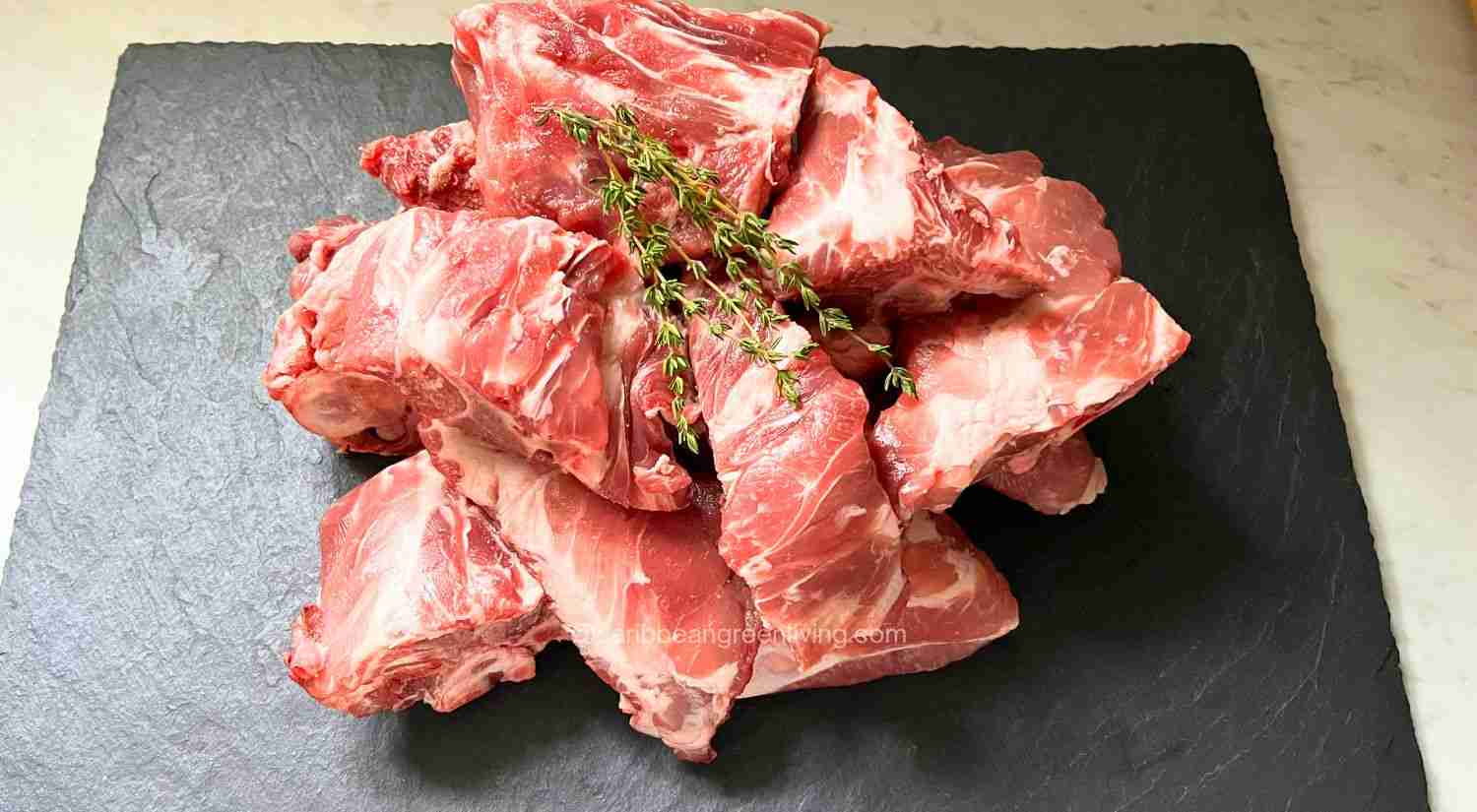
What Are Pork Neck Bones?
Pork neck bones are bone-in pieces cut from the neck portion of a pig. They contain a mixture of meat, fat, and connective tissue surrounding irregularly shaped bones. Unlike a pork chop or boneless roast, each piece can look different: some have generous pockets of meat, while others are mostly bone.
That is why choosing the right package matters. If you plan to serve neck bones as the main protein, look for pieces with plenty of visible meat. Bonier pieces can still contribute flavor to a soup or stew, but they will not provide the same number of servings.
Pork neck bones work particularly well in dishes that give the meat time to become tender. In Haitian cooking, they can be used in legim, where seasoned meat cooks with vegetables to create a substantial meal. They also add flavor to bean soups and can be seasoned and roasted.
Common uses include:
- Soups: Simmered with beans, vegetables, herbs, and spices.
- Vegetable stews: Combined with ingredients such as eggplant, cabbage, chayote, and carrots.
- Braised dishes: Cooked gently with a modest amount of liquid until tender.
- Roasted preparations: Seasoned and oven-cooked using a method suited to the size and meatiness of the pieces.
Fresh and Smoked Pork Neck Bones Are Different
Check the label before buying. Fresh pork neck bones have a mild pork flavor that you can season to suit your recipe. Smoked neck bones contribute a smoky flavor and may contain added salt, depending on how they were processed.
They are not always interchangeable without adjustments. A recipe developed with fresh neck bones may become too salty if you substitute a heavily salted smoked product and keep all the original seasonings. Follow the package directions, and do not assume that smoked means fully cooked.
Why Are Pork Neck Bones So Affordable?
Pork neck bones often cost less per pound than meatier, easier-to-portion cuts. They contain a substantial amount of bone, require longer cooking, and take more effort to eat than a boneless cut.
That does not make them poor-quality meat. It makes them a different kind of ingredient—one that rewards patient cooking and thoughtful meal planning.
However, a lower price per pound does not always mean a lower cost per serving. A package with very little meat may be useful for flavoring a large pot of beans, but less practical if you need a generous portion of pork for everyone at the table.
To make the most of your purchase:
- Compare meatiness as well as price. Look at how much meat is attached to the bones.
- Choose the cut for the dish. Meatier pieces suit a main course; bonier pieces can contribute to soups and stews.
- Build a complete meal around it. Beans, vegetables, rice, or provisions can help turn the pork into several satisfying portions.
- Consider cooking time. A bargain should fit your schedule as well as your grocery budget.
For a practical example, try Canary Beans and Pork Neck Bones Soup, which combines the pork with beans and vegetables in one pot.
What Do Pork Neck Bones Taste Like?
Fresh pork neck bones have a savory pork flavor, with richness from the attached fat and connective tissue. They are not naturally smoky unless they have been smoked or cooked with ingredients that add that flavor.
The cooking method makes a noticeable difference. Roasting develops browned surfaces and a more concentrated flavor. Gentle simmering allows the pork to flavor the cooking liquid while taking on the aromatics and seasonings in the pot.
As the connective tissue softens during cooking, it contributes gelatin, which gives broth and sauce more body. The result can feel richer than a broth made with a very lean cut.
The meat should become tender enough to separate easily from the bones. If it remains chewy, it may need more cooking time and, depending on the method, better moisture management.
Garlic, thyme, onion, scallions, and epis all work well with pork neck bones. You do not need to use every seasoning in the cabinet. Choose a combination that suits the finished dish, especially when the pork will cook alongside seasoned beans or vegetables.

Best Ways to Cook Pork Neck Bones
Pork neck bones are best when cooked low and slow. Here are the most common methods:
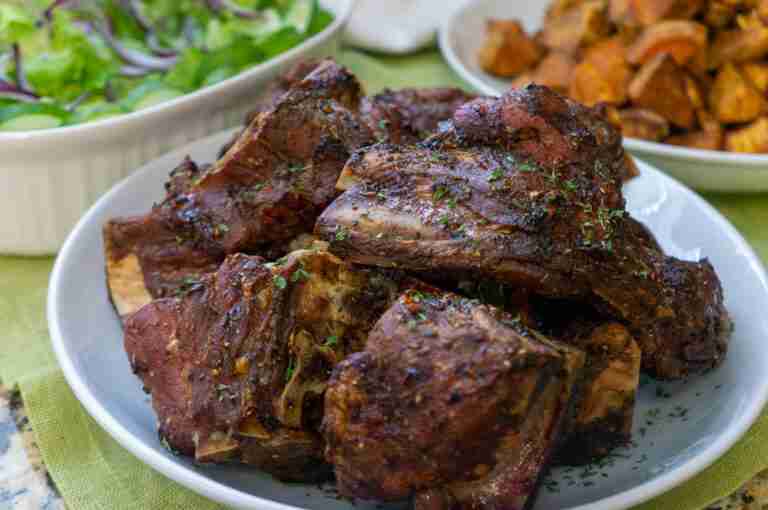
1. Oven-Roasted
Roasting creates a deeper, slightly caramelized flavor.
Try:
2. In Soups
Simmering pork neck bones in soup creates a rich broth and tender meat.
Try:

3. In Stews like Haitian legim
Pork neck bones add depth and richness to vegetable-based stews, making them more filling and flavorful. You can substitute the beef shanks for pork neck bones.

Do You Need to Clean Pork Neck Bones?
Before cooking, inspect the pieces, remove any loose bone fragments, and trim excess fat if desired.
In many Haitian and Caribbean kitchens, preparing meat with lime, lemon, or vinegar is part of a familiar cooking tradition. It is helpful, however, to distinguish traditional preparation from food safety.
The USDA advises against washing raw meat because splashes can spread bacteria to nearby surfaces and foods. Vinegar, lemon juice, and saltwater do not make raw pork safe to eat. Proper cooking and careful handling are essential.
Inspect, Trim, and Prepare
Place the pork neck bones on a clean work surface or in a dish reserved for raw meat.
- Check for loose bone fragments left from cutting.
- Trim large pieces of unwanted fat without removing every bit of fat.
- Pat dry with disposable paper towels, particularly before seasoning for roasting.
- Discard the towels and wash your hands.
- Clean and sanitize utensils and surfaces that touched the raw pork.
Check the cooked meat for small bones again if you remove it from the bones before serving.
Using Citrus or Vinegar for Flavor
Lime, lemon, and vinegar can contribute brightness to a marinade or seasoned cooking liquid. Use the amount called for in your recipe rather than treating an acidic soak as a required cleaning step.
Marinate pork in a covered container in the refrigerator. The goal is to develop the flavor you want—not to disinfect the meat or make it safe through soaking.
Is Parboiling Necessary?
Parboiling is optional and depends on the dish. Some cooks briefly boil meat and discard the first cooking liquid before continuing with a soup or stew. This can remove some rendered fat and surface foam, but it also discards some flavor.
The foam that appears during simmering is largely coagulated protein; it is not proof that the meat was dirty. You can skim foam from a broth without automatically throwing away the liquid.
Think of parboiling as a cooking choice rather than “deep cleaning.” If your recipe includes it, continue directly with the remaining cooking steps. Do not partially cook the pork and refrigerate it to finish another day.
Tips for Cooking Pork Neck Bones
Choose a Method That Matches the Meal
For browned meat served with sides, use a tested roasting recipe. For a broth-based meal, simmer the pork with ingredients that complement the soup. For legim or another vegetable stew, coordinate the meat and vegetable cooking stages so both reach the texture you want.
Our guide to cooking pork neck bones compares the main methods.
Allow Time for Tenderness
Neck bones contain connective tissue that needs time to soften. The size of the pieces, amount of meat, cooking temperature, and method all affect the timing.
Follow the recipe’s directions and check tenderness rather than assuming every package will cook at exactly the same speed. Use a food thermometer to check safe doneness; tenderness is a separate cooking goal.
Manage the Cooking Liquid
When simmering or braising, check the pot occasionally. Add liquid as needed to prevent scorching and maintain the consistency the recipe requires.
For roasting, follow the recipe’s instructions for the pan, rack, and covering. An uncovered rack and a covered pan produce different results, so avoid switching between methods without adjusting the cooking process.
Season With the Whole Dish in Mind
Epis, herbs, garlic, and spices can give the pork plenty of flavor, but account for salt already present in broth, bouillon, smoked meat, and prepared seasoning blends.
A soup or sauce may become saltier as the liquid reduces. Taste the cooked liquid before making the final seasoning adjustment.
Make the Meat Easier to Serve
For soups and stews, you can remove the cooked pork from the pot, separate the tender meat from the bones, and return the meat to the dish. Check carefully for small bone fragments.
For a bone-in roasted presentation, serve the pieces as they are and provide a small plate for discarded bones.
What to Serve with Pork Neck Bones
The best sides depend on whether your pork neck bones are roasted, stewed, or part of a soup. Build the meal around the finished dish rather than adding several sides simply because they all sound good.
Rice and Beans
Rice and beans make a substantial accompaniment to roasted pork neck bones. If both dishes are well seasoned, a simply prepared vegetable can complete the meal without adding another rich component.
Djon Djon Rice
Djon djon rice brings its own distinctive mushroom flavor. Pair it with pork whose seasoning complements the rice, then add vegetables or a salad for variety.
Plantains and Provisions
Ripe plantains contribute sweetness, while green plantains offer a savory, starchy contrast. Bannann peze works well when you want a crisp side; boiled plantains, yams, or sweet potatoes offer a softer accompaniment.
Choose one main starch if you want to keep preparation manageable.
Vegetables and Salads
Cabbage, sautéed greens, cooked carrots, and cucumber salad can all work alongside pork neck bones. Choose vegetables you already have and prepare them simply.
Pikliz is another option when you want heat, crunch, and acidity. It can be served in small portions according to everyone’s preference.
Keep Soup Accompaniments Simple
A bean-and-pork soup may already contain enough ingredients to stand on its own. Bread, a modest serving of rice, or a small salad may be all you want alongside it.
For recipe links and more meal combinations, visit What to Serve with Pork Neck Bones.
For more ideas, check out our recipe index.

FAQ About Pork Neck Bones
Are pork neck bones healthy?
They contain protein and nutrients but also fat, so they’re best enjoyed as part of a balanced meal. Like many cuts of pork, neck bones can be part of a balanced diet when prepared thoughtfully, as discussed by the Harvard T.H. Chan School of Public Health.
Are pork neck bones the same as oxtail?
No, but they are similar in that both are flavorful, bone-in cuts that benefit from slow cooking.
Can I cook pork neck bones quickly?
Not recommended. They need time to become tender.
Can I use different seasoning blends?
Yes, but be mindful of sodium levels, especially with pre-made blends.
Bringing Pork Neck Bones to Your Table
Pork neck bones can be a flavorful, budget-friendly addition to your cooking, whether you roast them, simmer them with beans, or add them to Haitian legim. Choose pieces with enough meat for your dish, give them time to become tender, and pair them with ingredients you already enjoy.
Ready to try them? Start with our Roasted Pork Neck Bones recipe or make a comforting pot of Canary Beans and Pork Neck Bones Soup.


