Scotch Bonnet Pepper Guide: Heat Level, Uses and Substitutes
The Scotch Bonnet pepper is one of the most essential ingredients in Caribbean cooking. Known for its intense heat and fruity undertones, this vibrant chili does more than add spice — it builds depth, aroma, and authenticity in countless island dishes.
In this guide, you’ll learn how hot Scotch Bonnet peppers really are, how they compare to habaneros, how Caribbean cooks use them, and how to control the heat without losing flavor.
Quick Facts About Scotch Bonnet Peppers
Heat Level: 100,000–350,000 SHU
Flavor: Fruity, slightly sweet, intensely hot
Cuisine: Caribbean
Best Used In: Marinades, stews, rice dishes, sauces
Substitution: Habanero
Understanding Scotch Bonnet Peppers
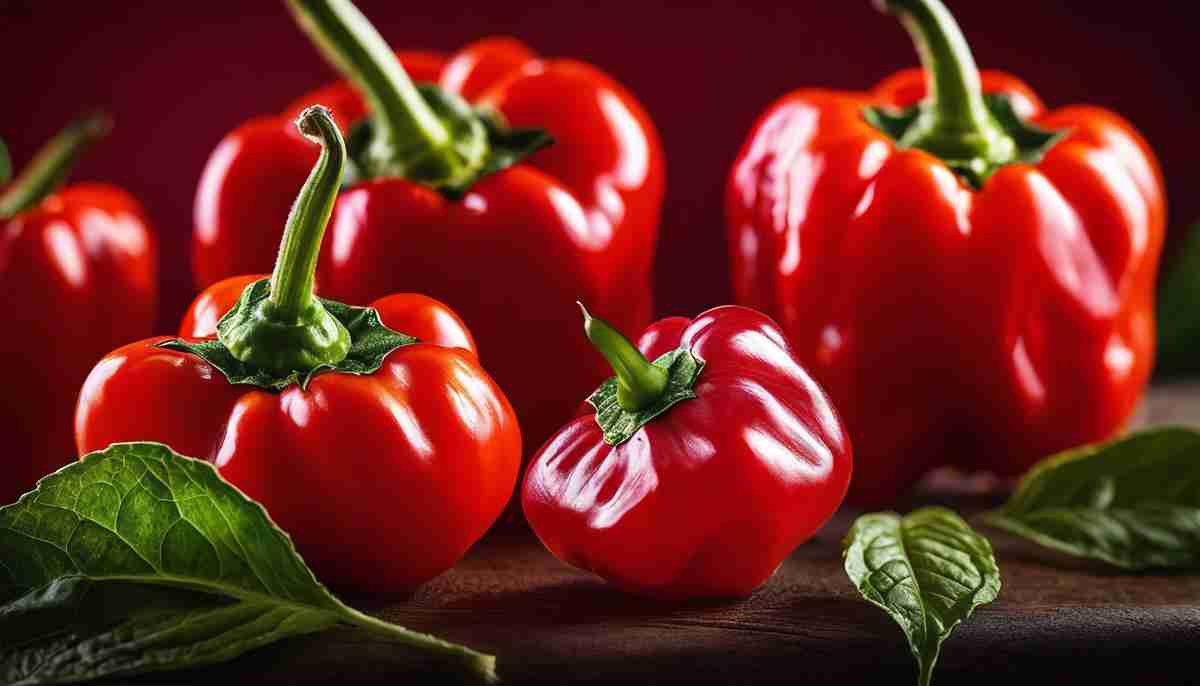
Scotch Bonnet peppers are one of the defining ingredients of Caribbean cooking. Recognizable by their squat, bonnet-like shape, these peppers range in color from green to yellow, orange, red, and even chocolate brown as they mature.
They are hot, very hot.
On the Scoville scale, Scotch Bonnets range from 100,000 to 350,000 Scoville Heat Units (SHU). That places them in the same heat range as habaneros. But heat alone doesn’t define them.
What makes Scotch Bonnets special is their flavor. Unlike many hot peppers that deliver sharp, aggressive spice, Scotch Bonnets bring a noticeable fruity sweetness beneath the heat. Some describe hints of tropical fruit, berries, or even a subtle apple-like brightness. That natural sweetness balances the intensity, allowing the pepper to enhance a dish rather than simply overpower it.
This is why they’re so essential in Caribbean cuisine. From jerk marinades and stews to rice dishes and pepper sauces, Scotch Bonnets provide both aroma and depth. When used properly, they don’t just make food spicy — they make it vibrant.
They are incredibly versatile:
- Finely minced into sauces and dressings
- Blended into marinades
- Simmered whole in soups and removed before serving
- Infused into oils or vinegars
- Added to sweet-spicy jams for contrast
That said, respect is non-negotiable.
The capsaicin in Scotch Bonnets can irritate the skin and eyes. Wear gloves when cutting them, avoid touching your face, and wash tools thoroughly. Removing the seeds and inner membranes will reduce the intensity while preserving flavor.
If you’re new to cooking with Scotch Bonnets, start small. You can always add more heat, but you can’t take it out.
Handled thoughtfully, the Scotch Bonnet pepper doesn’t just add spice. It adds character, depth, and unmistakable Caribbean identity to your cooking.

How Hot Is Scotch Bonnet? (Scoville Scale)
Add a simple comparison table or bullet list:
- Scotch Bonnet: 100,000–350,000 SHU
- Habanero: 100,000–350,000 SHU
- Jalapeño: 2,500–8,000 SHU
- Cayenne: 30,000–50,000 SHU
While similar in heat to habaneros, Scotch Bonnets are fruitier and slightly sweeter, making them ideal for Caribbean cuisine.
Handling and Preparing Scotch Bonnet Peppers
Scotch Bonnet peppers demand respect. Their heat comes from capsaicin, which can irritate skin, eyes, and even the air around you while cooking. Handle them properly, and you’ll get all the flavor without the regret.
Step 1: Protect Your Hands
Wear disposable gloves when cutting Scotch Bonnets. Capsaicin sticks to skin and can cause burning for hours if you accidentally touch your face or eyes. If you don’t have gloves, wash your hands immediately with hot, soapy water after handling.
Step 2: Use a Sharp Knife
A sharp knife gives you control. Remove the stem, then slice the pepper lengthwise. Work slowly and deliberately, and rushing with hot peppers is never a good idea.
Step 3: Control the Heat
Most of the heat lives in the inner membranes and seeds.
- For a milder flavor, remove the seeds and white membranes.
- For full heat: Leave them intact.
Remember: capsaicin transfers easily. Clean your knife, board, and hands thoroughly before touching anything else.
Step 4: Choose Your Cut
How you prepare the pepper affects how it shows up in the dish:
- Finely minced – Even heat distribution in sauces and dressings
- Diced – Noticeable bursts of spice in stews and rice
- Blended – Smooth marinades and pepper sauces
- Whole – Simmer in soups or beans, then remove before serving for flavor without overwhelming heat
That last method? Classic Caribbean technique.
Step 5: Know How to Cool the Burn
If the heat becomes too intense, dairy helps neutralize capsaicin. Yogurt, sour cream, or milk can calm the burn. Water won’t help; it spreads the heat.
Step 6: Store Properly and Clean Thoroughly
Store leftover peppers in an airtight container in the refrigerator for up to two weeks, or freeze them whole for long-term use. No need to thaw before cooking.
After prep:
- Wash knives and cutting boards with hot, soapy water
- Remove gloves carefully
- Wash your hands immediately
- Ventilate your kitchen if fumes become strong
Capsaicin can become airborne while cooking, especially when sautéing. Keep some distance from the pan and use proper ventilation.
Handled properly, Scotch Bonnet peppers become an asset and not a hazard. Respect the heat, control it intentionally, and let the flavor do the work.

How Caribbean Cooks Use Scotch Bonnet
Add:
- In Haitian epis
- In jerk seasoning
- In pikliz
- In rice and beans
- In stews and seafood
- Added whole to perfume soups
Incorporating Scotch Bonnet Peppers into Recipes
Scotch Bonnet peppers are powerful, but when used intentionally, they elevate a dish rather than overpower it. The goal isn’t to make food painfully spicy, it’s to build depth, aroma, and balanced heat.
Here are practical ways to use them confidently:
Infuse Oils
Gently heat a whole or halved Scotch Bonnet in neutral oil over low heat. Let it warm slowly to release its flavor without burning. Remove the pepper and strain if needed.
Use the infused oil for:
- Sautéing vegetables
- Drizzling over grilled seafood
- Making spicy vinaigrettes
A little goes a long way.
Build Bold Marinades
Blend a small amount of Scotch Bonnet into marinades with citrus juice, garlic, herbs, and spices. This method distributes the heat evenly and prevents harsh bites.
Perfect for:
- Chicken
- Pork
- Seafood
- Tofu or hearty vegetables
In Caribbean cooking, this is foundational and not optional.
Add to Stews and Rice Dishes
For controlled heat, add a whole Scotch Bonnet to soups, stews, or rice and beans while cooking. Let it simmer to perfume the dish, then remove before serving.
This technique delivers flavor without overwhelming the palate with spice. It’s one of the smartest ways to use the pepper.
Brighten Salsas and Chutneys
Finely mince or dice and add to fresh salsas, mango chutneys, or pineapple relishes. The pepper’s fruity notes pair especially well with tropical ingredients.
Start small. Taste. Adjust.
Create Sweet-Heat Jams
Scotch Bonnets can also work in sweet applications. When simmered with fruit and sugar, they create a balanced sweet-heat spread that pairs beautifully with grilled meats or cheese boards.
Experiment Carefully
Some cooks add small amounts to chocolate desserts or cocktails for contrast. If you try this route, measure precisely. Heat can quickly dominate delicate flavors.
The key to cooking with Scotch Bonnet peppers is restraint and intention. Add gradually, taste as you go, and balance heat with fat, sweetness, or acidity.
Used properly, Scotch Bonnets don’t just add spice, they add character.
Zero-Waste Tip
- Infuse vinegar for a homemade pepper sauce
- Add oil for a spicy cooking base
- Freeze whole peppers for later use
Where to Buy Scotch Bonnet Peppers
- Caribbean markets
- International grocery stores
- Some larger supermarkets
- Available frozen in specialty stores
Frequently Asked Questions
Is Scotch Bonnet hotter than habanero?
They are similar in heat, but Scotch Bonnets have a fruitier flavor.
Can I use Scotch Bonnet without making food too spicy?
Yes. Add the pepper whole and remove before serving.
What can I substitute for Scotch Bonnet?
Habanero is the closest substitute.
Is Scotch Bonnet essential in Caribbean cooking?
Yes. It’s one of the foundational heat sources in many island dishes.
Final Thoughts
The Scotch Bonnet pepper is more than just a source of heat; it’s a defining ingredient in Caribbean cooking. Its balance of fire and fruity sweetness adds depth, aroma, and authenticity to everything from stews and rice dishes to marinades and sauces.
Handled with care and used intentionally, it doesn’t overpower a dish. It transforms it.
Start small, control the heat, and learn how it behaves in your kitchen. Once you understand it, the Scotch Bonnet becomes less intimidating and more indispensable.
Cook with respect. Cook with confidence. And let the flavor speak for itself.