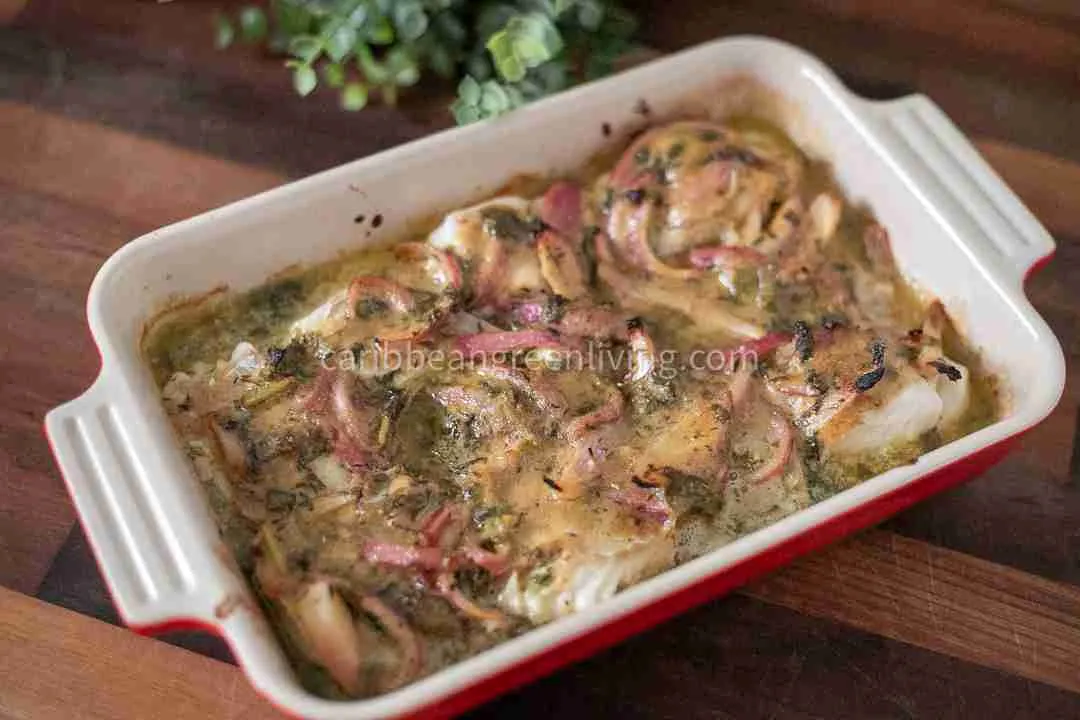
Slow cooked Duck with Green Olives
This recipe for Slow-Cooked Duck with Green Olives and Herbs de Provence is a perfect way to enjoy a flavorful and tender duck dish. The slow cooking process ensures that the duck is perfectly cooked, while the fresh tomatoes and homemade chicken stock add depth of flavor. The olives and herbs add a touch of brininess and freshness, making this dish a true delight.
Duck gets a bad rap for its fat, but slow cooking renders it beautifully, leaving you with incredibly flavorful and tender meat. Don’t be intimidated by the slow process – great things take time, and this recipe is a prime example!
Caribbean-Inspired Duck with a Modern Twist
In the Caribbean, we love our meats cooked to juicy perfection with minimal visible fat. This approach also applies perfectly to ducks. While I can’t share some of my family secrets (sorry!), I wanted to offer a delicious and approachable duck dish for you to try at home.
The “Wow” Factor You Crave
The internet overflows with recipes, but finding a truly impressive duck dish can be challenging. Many lack that extra something special. This slow-cooked duck with green olives and herbs de Provence is different. Packed with flavor, it’ll leave you wanting more.

Here’s why you should try this recipe:
- Easy to make: This recipe is simple to follow, even for beginner cooks.
- Flavorful: The slow cooking process allows the flavors of the duck, olives, herbs, and spices to meld together, resulting in a delicious and satisfying dish.
- Healthy: Duck is a good source of protein, and this recipe uses healthy ingredients like fresh tomatoes and homemade chicken stock.
Here are the ingredients for the recipe:
Aromatics:
- 2 large onions, coarsely chopped: These will add sweetness and depth of flavor to the dish as they caramelize during slow cooking.
- 8 garlic cloves, halved: Fresh garlic adds a pungent and savory bite that complements the richness of the duck.
- 1 large celery rib, sliced 1/4 inch thick: Celery adds a subtle earthiness and helps to balance the flavors in the dish.
Herbs and spices:
- 1/4 cup plus 2 teaspoons coarsely chopped flat-leaf parsley: Parsley brings a fresh, herbaceous flavor to the dish, especially when added at the end.
- 1 tablespoon plus 1 teaspoon thyme: Thyme is a classic pairing with duck, adding a warm, woodsy aroma and complexity.
- 2 bay leaves, cut in half: Bay leaves add a subtle background note of peppery warmth.
- Herbes de Provence: This fragrant blend of herbs from the Provence region of France typically includes thyme, rosemary, savory, marjoram, and oregano, adding a burst of savory flavor.
- Kosher salt and Freshly ground pepper: Seasoning is essential to draw out the flavor of the duck and other ingredients.
- Pinch of sugar: A tiny amount of sugar helps to balance the savory and acidic elements in the dish.
Liquids:
- Olive oil: Used to sear the duck and saute the vegetables, adding richness and flavor.
- 1/2 cup dry white wine: White wine deglazes the pan after searing the duck, adding depth and acidity to the sauce.
- 2 cups lukewarm water (less water added because of the tomatoes): The water creates the braising liquid that slowly cooks the duck and keeps it moist. The amount is reduced to account for the liquid from the tomatoes.
- 1 cup chicken stock, preferably homemade: Chicken stock adds richness and savory flavor to the braising liquid. Homemade stock is ideal, but store-bought low-sodium stock can be substituted.
Other:
- One 5 1/2-pound duck, halved, with backbone, neck, and wing tips removed and reserved: The star of the dish! Duck has a rich, flavorful meat that becomes tender and succulent through slow cooking.
- 1 cup chopped tomatoes: These add acidity and brightness to the sauce, balancing the richness of the duck.
- 1 1/2 cups pitted French green olives, rinsed (or regular green or black olives): Green olives add a briny and salty counterpoint to the richness of the duck. You can substitute with other types of olives if preferred.
- ½ of a hot pepper, seeds removed (optional): This adds a touch of heat to the dish. If you prefer a milder flavor, you can omit it.
- 3 whole cloves: Cloves add a warm, aromatic note to the braising liquid

Tips:
- For extra crispy skin, you can broil the duck for a few minutes after it is cooked through. Be careful not to overcook the duck, or it will become dry.
- If you don’t have homemade chicken stock, you can use low-sodium store-bought chicken stock.
- This recipe can also be made with other types of poultry, such as chicken or turkey. Just be sure to adjust the cooking time accordingly.
I hope you enjoy this recipe for Slow Cooked Duck with Green Olives and Herbes de Provence!
Enjoy!
Source
https://www.foodandwine.com/recipes/slow-cooked-duck-green-olives-and-herbes-de-provence

Slow cooked Duck with Green Olives and Herbes de Provence
Ingredients
- 2 large onions coarsely chopped
- 1/4 cup plus 2 teaspoons coarsely chopped flat-leaf parsley
- 1 tablespoon plus 1 teaspoon thyme
- 8 garlic cloves halved
- 2 bay leaves cut in half
- 1 large celery rib sliced 1/4 inch thick
- One 5 1/2-pound duck halved, with backbone, neck and wing tips removed and reserved
- Kosher salt
- Freshly ground pepper
- Herbes de Provence
- Olive oil
- 1 cup of chopped tomatoes
- 1/2 cup dry white wine
- 2 cups lukewarm water added less water because of the tomatoes
- 1 cup chicken stock preferably homemade
- ½ of a hot pepper seeds removed
- 3 whole cloves
- Pinch of sugar
- 1 1/2 cups pitted French green olives rinsed (or regular green or black olives)
Instructions
- Preheat the oven to 475°. In a roasting pan, spread half of the chopped onions, 1/4 cup of the parsley, 1 tablespoon of the thyme and the garlic, bay leaves and celery.
- Cut the duck in quarters. Remove wings tips and discard if prefered. Clean with lemon, rinse and pat dry (if preferred). Set aside.
- In a small bowl mix 2 teaspoons of salt, 1 teaspoon of black pepper and 1 teaspoon of herbes de Provence.
- Prick the duck skin all over with a fork and rub with herbs and spice mixture Set the duck halves on the vegetables, cut sides down, and roast for 10 minutes. Prick the duck skin again, cover the pan with foil and reduce the oven temperature to 275°. Roast the duck for about 3 hours longer, until the meat is very tender and most of the fat has rendered.
- Meanwhile, in a large skillet, add very little olive oil, cook the heart, liver, neck and wing tips (if not discard) over low heat until well browned all over. Add the remaining chopped onions and cook over moderate heat until browned, about 4 minutes. Add chopped tomato and cook for about 5 – 7 minutes. Add the white wine and bring to a boil. Add the water, chicken stock, hot pepper, whole cloves and sugar and simmer until the stock is reduced to 1 cup, about 1 hour. Strain the stock and skim the fat from the surface.
- When the duck is tender, transfer the halves to a work surface. Halve each half; remove any vegetables, pockets of fat and loose bones. Transfer the duck pieces to a rimmed baking sheet, skin side up.
- Strain the juices from the roasting pan into a saucepan and skim off the fat; boil the strained juices until reduced to 1/4 cup. Add the strained stock and the olives to the saucepan and simmer for 10 minutes. Season the sauce with salt, pepper and herbes de Provence.
- Preheat the broiler. Season the duck with herbes de Provence, salt and pepper. Broil 10 inches from the heat for about 5 minutes, or until the duck is hot and the skin is crisp. Spoon the sauce onto a platter and set the duck on top.
- Mix the leftover liquid or sauce from the roasted duck and the cooked sauce prepared. Add olives and additional seasoning if necessary
- Sprinkle with the remaining 2 teaspoons of chopped parsley and 1 teaspoon of thyme and serve.
Notes
- For extra crispy skin, you can broil the duck for a few minutes after it is cooked through. Be careful not to overcook the duck, or it will become dry.
- If you don’t have homemade chicken stock, you can use low-sodium store-bought chicken stock.
- This recipe can also be made with other types of poultry, such as chicken or turkey. Just be sure to adjust the cooking time accordingly.
Nutrition
Please keep in mind that nutritional information is a rough estimate and can vary greatly based on the products used.
Nutrition info is automatically generated and provided as a courtesy and as an estimate only.