Smoothie Secrets: The Best Fruits and Veggies for Your Blend
Smoothies are a delicious and convenient way to pack your diet with essential nutrients. But what are the best fruits and vegetables to add to your blender to create a truly nutritious and satisfying drink? Let’s dive into some of the top choices:
Fruits:
- Bananas: A classic smoothie ingredient, bananas add sweetness, creaminess, and potassium.
- Berries: Strawberries, blueberries, raspberries, and blackberries are packed with antioxidants and fiber.
- Mango: Sweet and juicy, mangoes provide vitamin C, vitamin A, and potassium.
- Pineapple: A tropical twist, pineapple offers vitamin C, bromelain, and a refreshing flavor.
- Avocado: Creamy and nutrient-dense, avocados add healthy fats, fiber, and potassium.
Vegetables:
- Spinach: A leafy green powerhouse, spinach is rich in iron, calcium, and vitamins A and C.
- Kale: Another nutrient-dense green, kale provides vitamins A, C, and K, as well as calcium.
- Cucumber: Refreshing and hydrating, cucumbers are low in calories and high in water content.
- Carrot: Sweet and crunchy, carrots offer beta-carotene, which converts to vitamin A in the body.
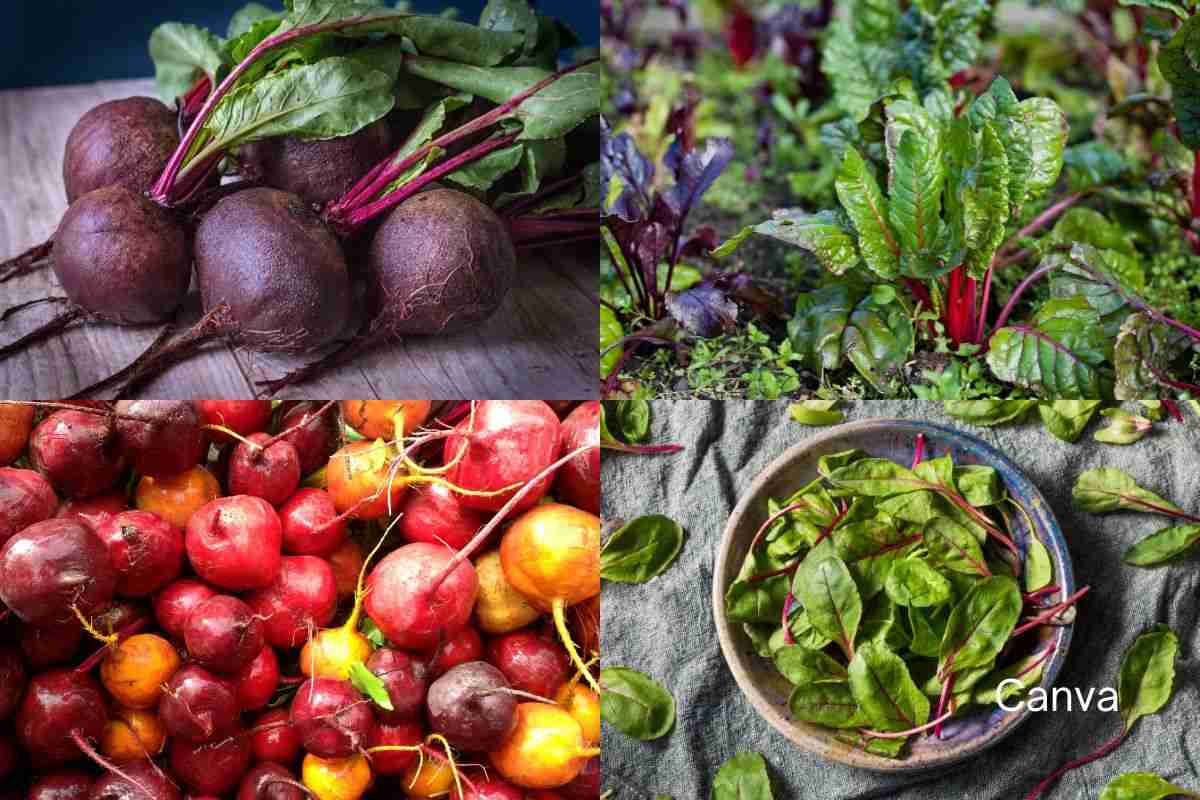
- Beets: Packed with antioxidants and fiber, beets can add a natural sweetness and vibrant color to your smoothie.
Tips for a Perfect Smoothie:
- Balance: Combine fruits and vegetables for a well-rounded blend of nutrients.
- Liquid: Choose a liquid that suits your preference, such as water, milk, almond milk, or coconut water.
- Sweetener: If needed, add a natural sweetener like honey, maple syrup, or a ripe banana.
- Protein: Boost your smoothie’s protein content with Greek yogurt, protein powder, or a handful of nuts or seeds.
- Experiment: Don’t be afraid to try new combinations and flavors to find your favorites.
Finding the Perfect Fruit and Veggie Combo for Your Taste Buds
Experimenting with different fruit and vegetable combinations is half the fun of making smoothies! Here are some tips to help you discover your ideal flavor profile:
- Start with a base: Choose a fruit or vegetable that you love as your base. This could be a banana for sweetness, spinach for a neutral flavor, or a berry for a tangy kick.
- Complement flavors: Consider the natural sweetness, acidity, or tartness of each fruit or vegetable. For example, sweet fruits like bananas or mangoes pair well with tart berries like raspberries or strawberries.
- Balance textures: Mix creamy fruits like avocados with crunchy vegetables like carrots or cucumbers. This creates a satisfying contrast in texture.
- Add a touch of spice: For a unique flavor twist, incorporate a pinch of cinnamon, ginger, or turmeric.
- Don’t be afraid to try new things: The best way to find your favorite combinations is to experiment. Keep a journal of your smoothie creations to track your successes and failures.
Remember, there are no hard and fast rules when it comes to smoothie combinations. The key is to have fun and find what tastes best to you.

Finding the Perfect Smoothie Ratio
The ideal ratio of fruits and vegetables in your smoothie can vary depending on your personal preferences and dietary goals. However, a general guideline is to aim for a 2:1 ratio of fruits to vegetables. This ensures a balance of sweetness, nutrients, and fiber.
Here’s a breakdown of a typical smoothie ratio:
- 2 parts fruit: This provides sweetness, natural sugars, and essential nutrients.
- 1 part vegetables: This adds fiber, vitamins, minerals, and a boost of nutrients.
- Liquid: Choose a liquid that suits your preference, such as water, milk, almond milk, or coconut water.
- Add-ins: Consider adding protein powder, nuts, seeds, or a spoonful of nut butter for extra nutrition and flavor.
Experimenting with different ratios can help you discover your ideal smoothie balance. If you prefer a sweeter smoothie, you may want to increase the amount of fruit. If you’re aiming for a more filling and nutrient-dense drink, you can add more vegetables.
Remember, the most important thing is to find a ratio that works for you and tastes great!
Frozen vs. Fresh: The Great Smoothie Debate
One of the most common questions people have about making smoothies is whether to use frozen or fresh fruits and vegetables. Both options have their advantages:
Frozen Fruits and Vegetables:
- Convenience: Frozen fruits and vegetables are pre-portioned and ready to use, making them a convenient option for busy mornings.
- Nutrient-dense: Many frozen fruits and vegetables are flash-frozen immediately after harvest, preserving their nutrients.
- Year-round availability: Frozen fruits and vegetables are available year-round, regardless of the season.
Fresh Fruits and Vegetables:
- Flavor: Fresh fruits and vegetables often have a more intense flavor than their frozen counterparts.
- Texture: Fresh fruits and vegetables can add a more varied texture to your smoothie.
- Local sourcing: Supporting local farmers by purchasing fresh produce can be beneficial for your community.
Ultimately, the best choice for you depends on your personal preferences and lifestyle. If you value convenience and year-round availability, frozen fruits and vegetables may be the way to go. If you prioritize flavor and supporting local farmers, fresh produce might be a better option.
A great tip: Consider using a combination of frozen and fresh fruits and vegetables for the best of both worlds. For example, you could use frozen berries for a base and add fresh spinach or avocado for a boost of nutrients and a creamy texture.
Washing Fruits and Vegetables for Smoothies
Properly washing fruits and vegetables is essential to remove dirt, pesticides, and bacteria. Here are some tips for cleaning produce before adding it to your smoothie:
- Running water: Rinse fruits and vegetables under cold running water.
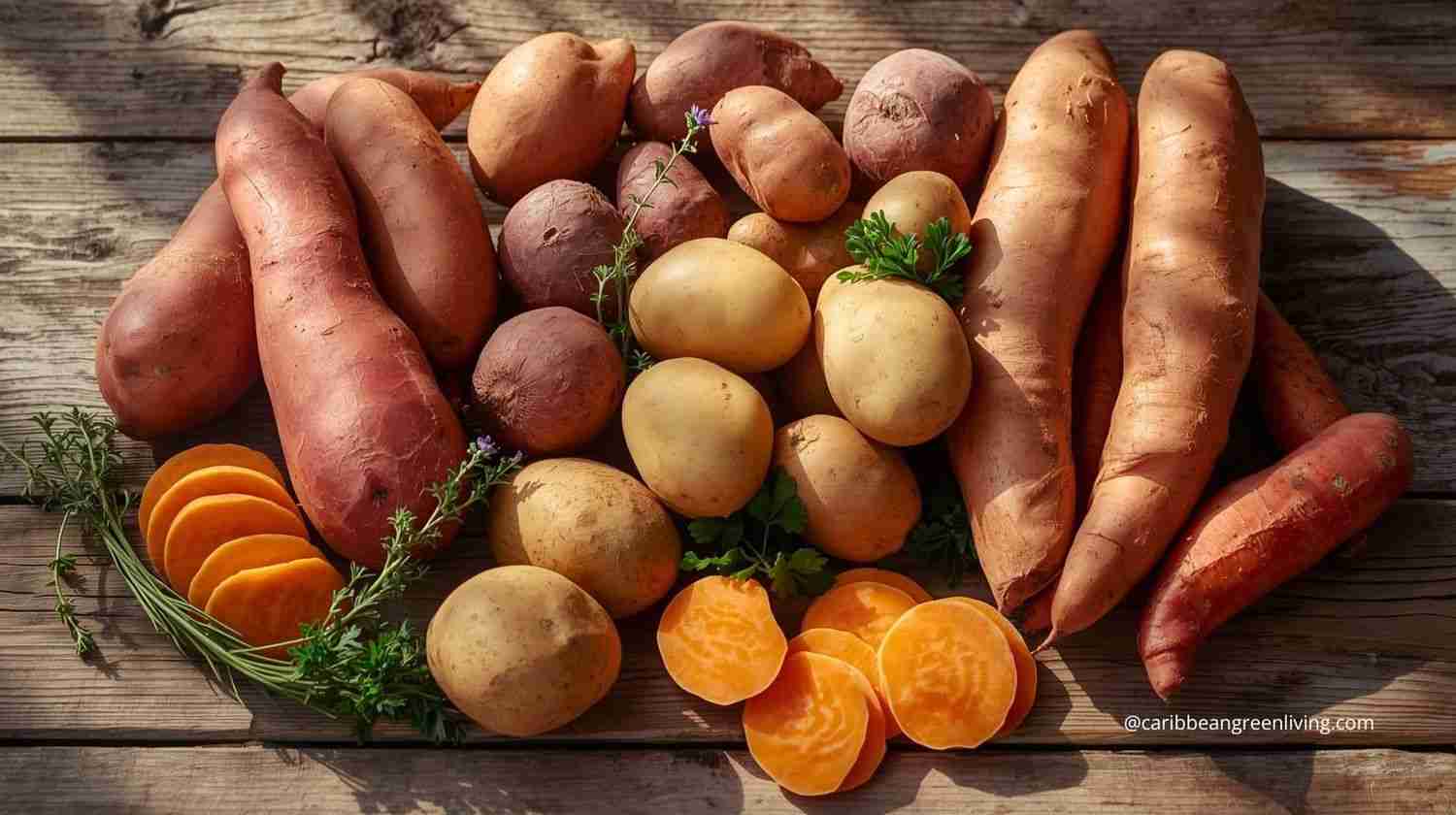
- Scrubbing: Use a vegetable brush to gently scrub the skin of fruits and vegetables, especially those with rough surfaces like carrots or potatoes.
- Soaking: For leafy greens like spinach or kale, soak them in a bowl of cold water for a few minutes to remove any dirt or grit. You may also add vinegar or salt to the water.
- Drying: After washing, pat the produce dry with a clean towel to remove excess moisture.
For fruits and vegetables with tough skins, such as apples or melons, you can peel them before blending to remove any potential contaminants.
Remember, even if you’re planning to peel the fruit or vegetable, it’s still important to wash it before peeling to prevent cross-contamination. By following these simple steps, you can ensure that your smoothies are safe and delicious.
Choosing the Right Smoothie Maker
A good smoothie maker is essential for creating delicious and nutritious blends. Here’s what to consider when choosing the right one:
Type of Smoothie Maker:
- Blender: The most versatile option, blenders can handle a variety of ingredients, including frozen fruits, nuts, and seeds.
- Personal blender: Compact and portable, personal blenders are ideal for individual servings.
- Immersion blender: Also known as a stick blender, immersion blenders are great for blending directly in a container or pitcher.
Features to Look For:
- Power: A powerful motor ensures smooth blending and can handle thicker ingredients.
- Capacity: Choose a blender that can accommodate the amount of smoothie you typically make.
- Speed settings: Multiple speed settings allow you to adjust the consistency of your smoothie.
- Ease of cleaning: Look for a blender with removable blades and a dishwasher-safe container.
- Additional features: Some blenders have built-in timers, pre-programmed settings, or even heating functions.
Popular Smoothie Maker Brands:
- Vitamix: Known for their powerful and durable blenders.
- Ninja: Offers a variety of blender options, including personal blenders and professional-grade models.
- Blendtec: Renowned for its high-performance blenders and unique designs.
- Oster: Provides affordable and reliable blender options.
By considering these factors, you can find a smoothie maker that suits your needs and helps you create delicious and nutritious blends.
By incorporating these fruits and vegetables into your smoothies, you can enjoy a delicious and nutritious beverage that will fuel your day. So, grab your blender and start experimenting!