How to Make Lavender Tea: A Calming and Refreshing Herbal Drink
Lavender tea is a fragrant and soothing herbal drink known for its calming effects and delicate floral taste. Whether you’re looking to unwind after a long day, ease digestion, or simply enjoy a naturally caffeine-free tea, lavender is a perfect choice.
Made from dried lavender buds, this tea boasts a light, slightly sweet flavor with herbal undertones. It’s easy to brew at home and can be enjoyed hot or iced, with honey, lemon, or even blended with other herbs like chamomile or mint for an extra layer of flavor.
In this guide, you’ll learn how to make the perfect cup of lavender tea, its health benefits, and the best ways to enhance its taste. Plus, discover where to buy high-quality lavender for tea and tips for making it part of your wellness routine.
What is Lavender Tea?
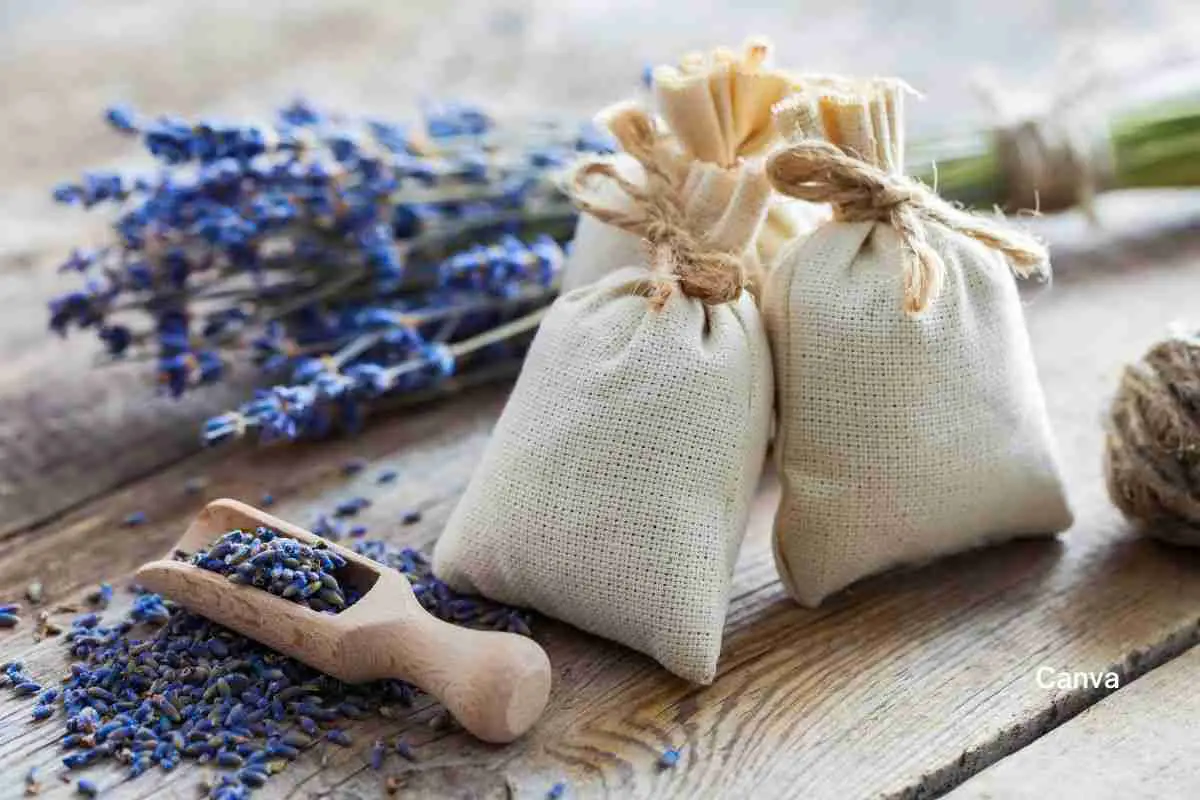
Lavender tea is an herbal infusion made from the dried buds of the lavender plant (Lavandula angustifolia). This aromatic tea has been cherished for centuries for its soothing properties, delicate floral taste, and natural relaxation benefits. Lavender is commonly associated with stress relief, making it a popular choice for a nighttime tea or a midday moment of calm.
Why You Should Make Lavender Tea
- Promotes Relaxation: Lavender is well-known for its stress-relieving and sleep-enhancing properties.
- Supports Digestion: A cup of lavender tea can help with bloating, nausea, and indigestion.
- Caffeine-Free: A great alternative to coffee or traditional teas, perfect for any time of day.
- Versatile Ingredient: Lavender tea can be used in baked goods, lemonade, and cocktails!
Health Benefits of Lavender Tea
Drinking lavender tea offers several wellness benefits, including:
- Promotes Relaxation & Better Sleep – Lavender has natural calming properties that can help reduce stress and promote restful sleep.
- Supports Digestion – Helps soothe bloating, indigestion, and nausea.
- Reduces Anxiety & Stress – The natural compounds in lavender have been shown to have mild anti-anxiety effects.
- Supports Skin Health – The antioxidants in lavender may help promote clearer skin when consumed regularly.
- Eases Headaches & Muscle Tension – The tea’s relaxing effects can help with headaches and mild muscle tension.
Fresh vs. Dried Lavender
- Fresh Lavender – Has a more intense floral aroma but needs to be used in greater quantities to get a strong flavor.
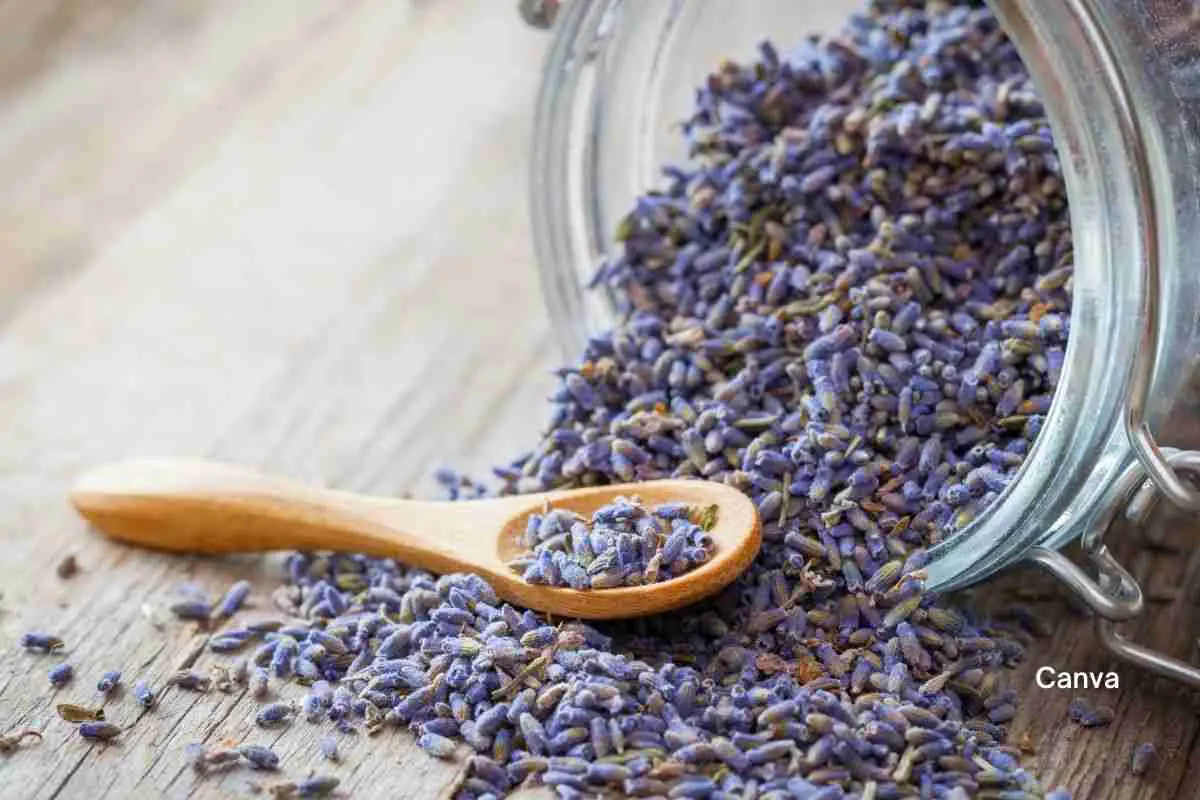
- Dried Lavender – More concentrated in flavor and easier to store, making it the preferred option for tea-making. Always use food-grade dried lavender to ensure it’s safe for consumption.
Where to Find & Buy Lavender for Tea
To make the best lavender tea, always use high-quality, food-grade dried lavender. Here’s where you can find it:
- Online Stores – Noubess.com offers premium dried lavender for tea. You can also find it on specialty herbal tea websites and marketplaces.
- Health Food Stores – Many natural food stores carry dried lavender in their bulk herb section.
- Local Farmers’ Markets – Some farmers grow organic lavender for culinary use.
- Specialty Tea Shops – These often carry lavender blends or pure dried lavender for tea-making.
How to Store Lavender
To keep your dried lavender fresh and flavorful:
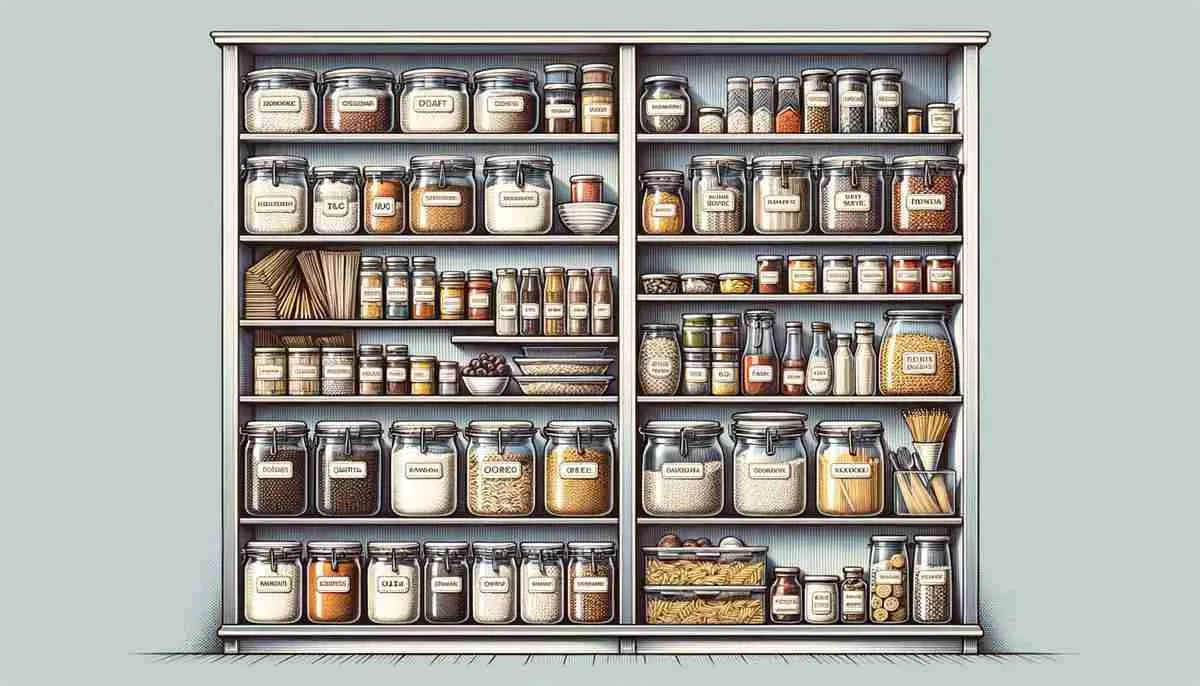
- Store it in an airtight container in a cool, dry place.
- Keep it away from direct sunlight to preserve its essential oils.
- Use within 6-12 months for the best flavor and aroma.
What You’ll Need to Make Lavender Tea
Equipment:
- Tea kettle (for boiling water)
- Teapot (for steeping)
- Strainer or tea infuser
Ingredients:
- 1 teaspoon loose dried lavender flowers (or use lavender tea bags from Noubess)
- 1 cup of hot water
- Sweetener (optional): Honey, agave, or your favorite natural sweetener
- Optional add-ins: Lemon slices, cinnamon powder, or fresh mint leaves
How to Make Lavender Tea (Step-by-Step Guide)
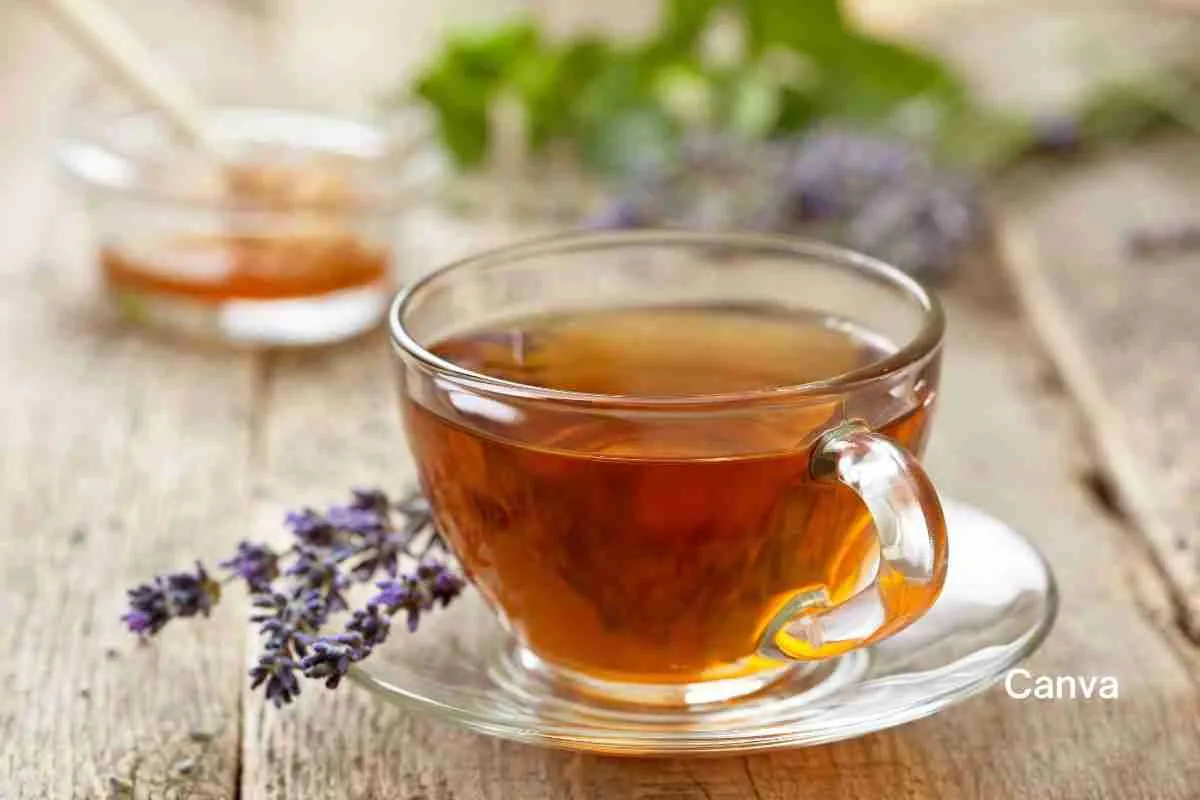
- Boil the Water: Heat 1 cup of water in an electric kettle until it reaches a rolling boil.
- Prepare the Tea: Add 1 teaspoon of dried lavender flowers to a teapot or place a lavender tea bag in your cup.
- Steep: Pour the hot water over the lavender and let it steep for 5-10 minutes. The longer it steeps, the stronger the flavor.
- Strain & Serve: If using loose lavender flowers, strain the tea into your cup.
- Customize Your Cup: Add honey, lemon, cinnamon, or mint leaves for extra flavor.
- Enjoy! Sip slowly and relax.
How to Make Iced Lavender Tea
For a refreshing cold brew version:
- Use the same ingredients, but double the amount of lavender flowers.
- Steep in cold water instead of hot, and let it sit in the refrigerator for 6-8 hours.
- Strain and serve over ice with lemon slices or fresh herbs.
Lavender Tea in Recipes
Lavender tea isn’t just for drinking! It adds a unique floral flavor to many recipes:
- Baked Goods: Add brewed lavender tea to cookies, cakes, or muffins for a subtle floral note.
- Lavender Lemonade: Brew a strong lavender tea and mix it with fresh lemon juice and honey.
- Cocktails & Mocktails: Infuse lavender tea into drinks like lavender gin spritzers or herbal mocktails.
Final Thoughts
Lavender tea is a simple yet luxurious way to relax, unwind, and enjoy a naturally caffeine-free herbal drink. Whether you drink it before bed, as a midday stress reliever, or simply to enjoy its floral aroma, lavender tea is a wonderful addition to your tea collection. Try making a cup today and experience the soothing benefits for yourself!
Ready to make your own? Get high-quality lavender tea bags from Noubess.com and start brewing today!
Have you tried lavender tea before? Let us know in the comments!