Why Flavor Bases Matter More Than Ingredients (Including Haitian Epis)
Most great dishes don’t start with a protein or a vegetable.
They start with a flavor base.
Flavor bases are the quiet backbone of cooking—the first layer that determines whether a dish tastes flat or deeply satisfying. They’re not garnish. They’re not optional. They’re the difference between food that feeds you and food that stays with you.
Across cultures, cooks rely on specific combinations of aromatics to build depth before anything else hits the pot. These bases prove a simple truth: ingredients matter, but structure matters more.
What Is a Flavor Base?
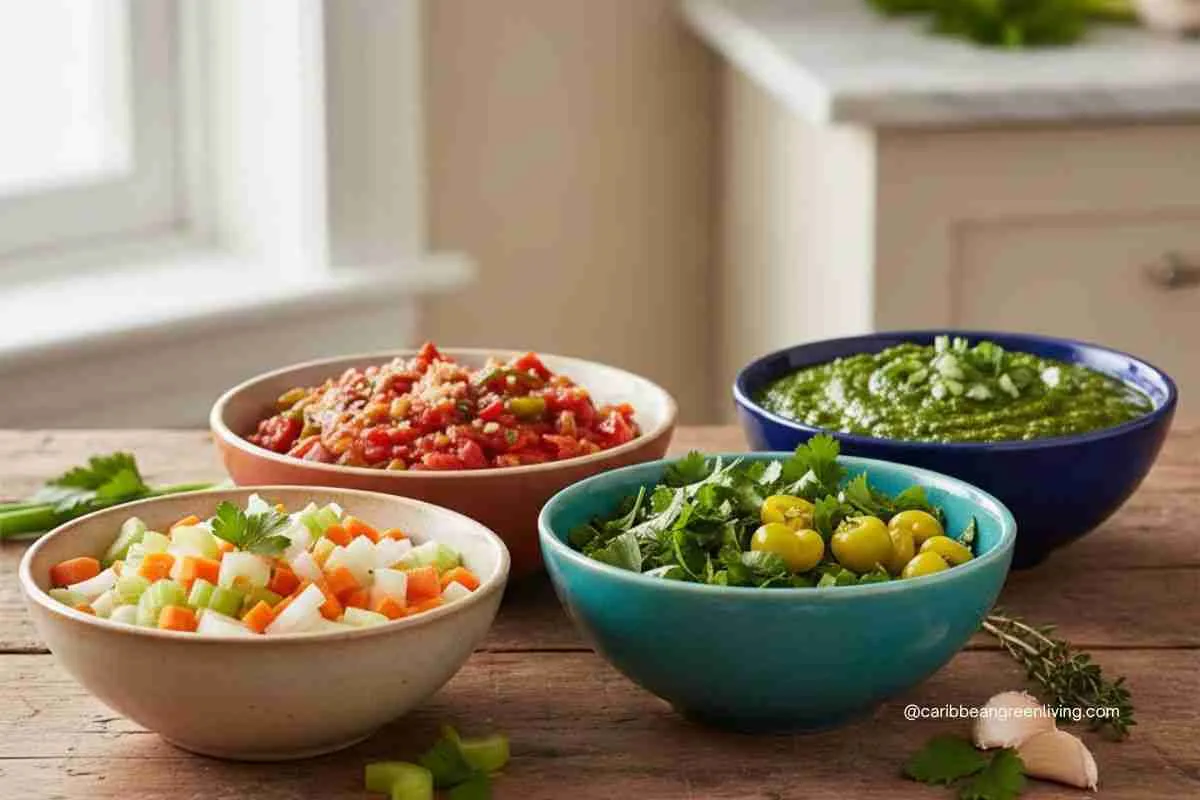
A flavor base is a purposeful combination of aromatics that consists of vegetables, herbs, spices, and sometimes fats, and is used at the very beginning of cooking to establish taste, aroma, and balance.
You’ll find them everywhere:
- France uses mirepoix
- Italy relies on soffritto
- Spain builds with sofrito
- The Caribbean depends on sofrito and green seasonings
- Haiti centers its cooking around epis
Different names. Same mission: layer flavor before the main ingredients arrive.
Classic Flavor Bases Around the World
French Mirepoix
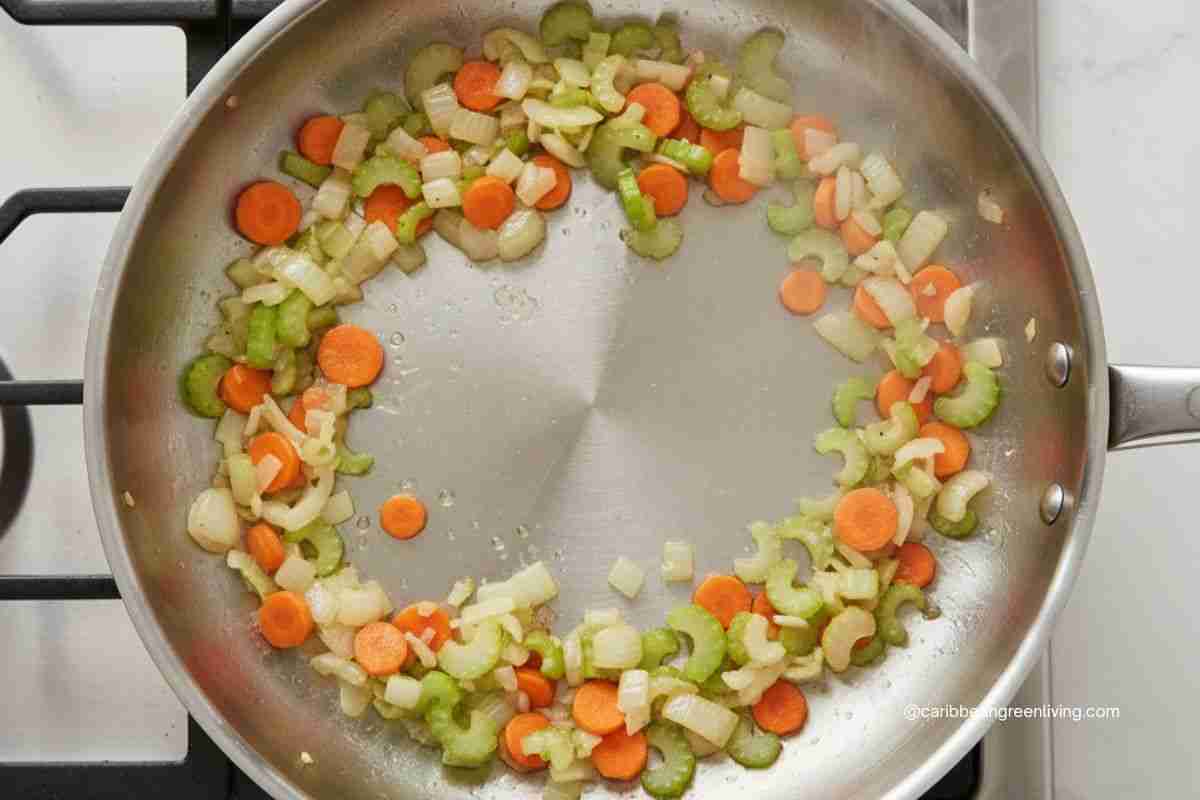
Mirepoix combines onions, carrots, and celery, which are gently cooked to release their sweetness and aroma. It’s the foundation of soups, stews, and sauces in French cuisine, adding depth without overpowering other ingredients.
This trio doesn’t shout, it supports. Without it, broths taste thin and unfinished.
Italian Soffritto
Italian soffritto builds on mirepoix by adding garlic and olive oil. Slowly cooked, it becomes the backbone of pasta sauces, risottos, and braises.
The goal isn’t browning, it’s softening and melding, allowing each ingredient to dissolve into the whole.
Spanish Sofrito
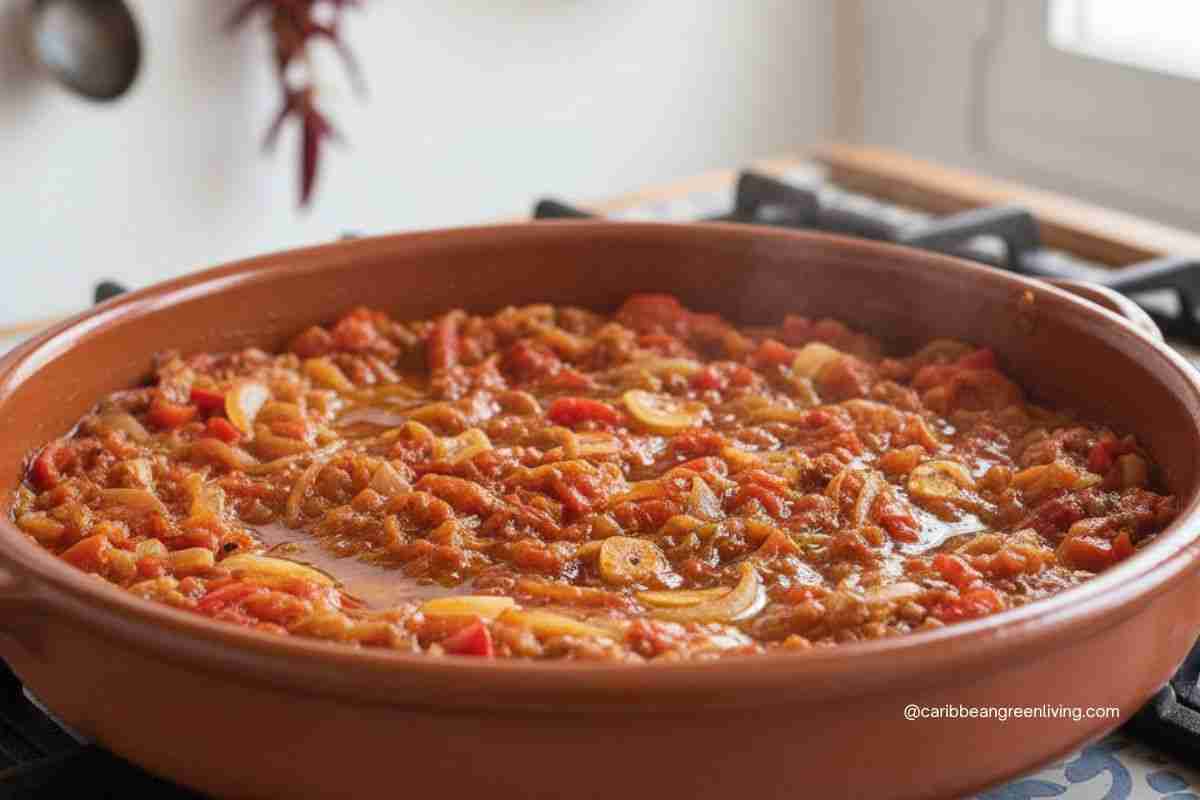
Spanish sofrito uses onions, garlic, tomatoes, and bell peppers. Tomatoes bring acidity and richness, while peppers add sweetness and body.
This base is used for dishes like paella and stews. Remove it, and the dish collapses into disconnected flavors.
Caribbean Sofrito
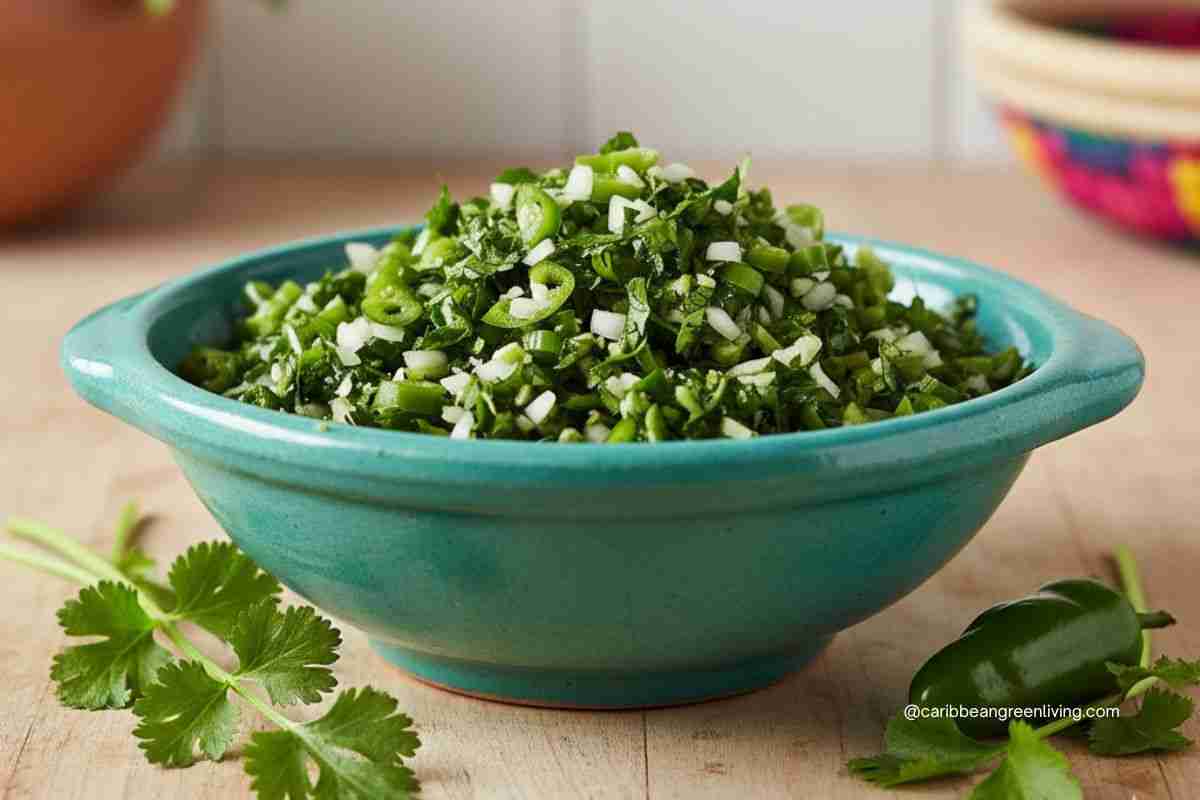
Caribbean sofrito shifts the profile entirely. Culantro, cilantro, ají dulce peppers, onions, and garlic create a fresh, herb-forward base that’s bright and aromatic.
It’s bolder, greener, and unmistakably Caribbean, and proof that flavor bases are cultural fingerprints.
Haitian Epis: A Flavor Base and a Seasoning
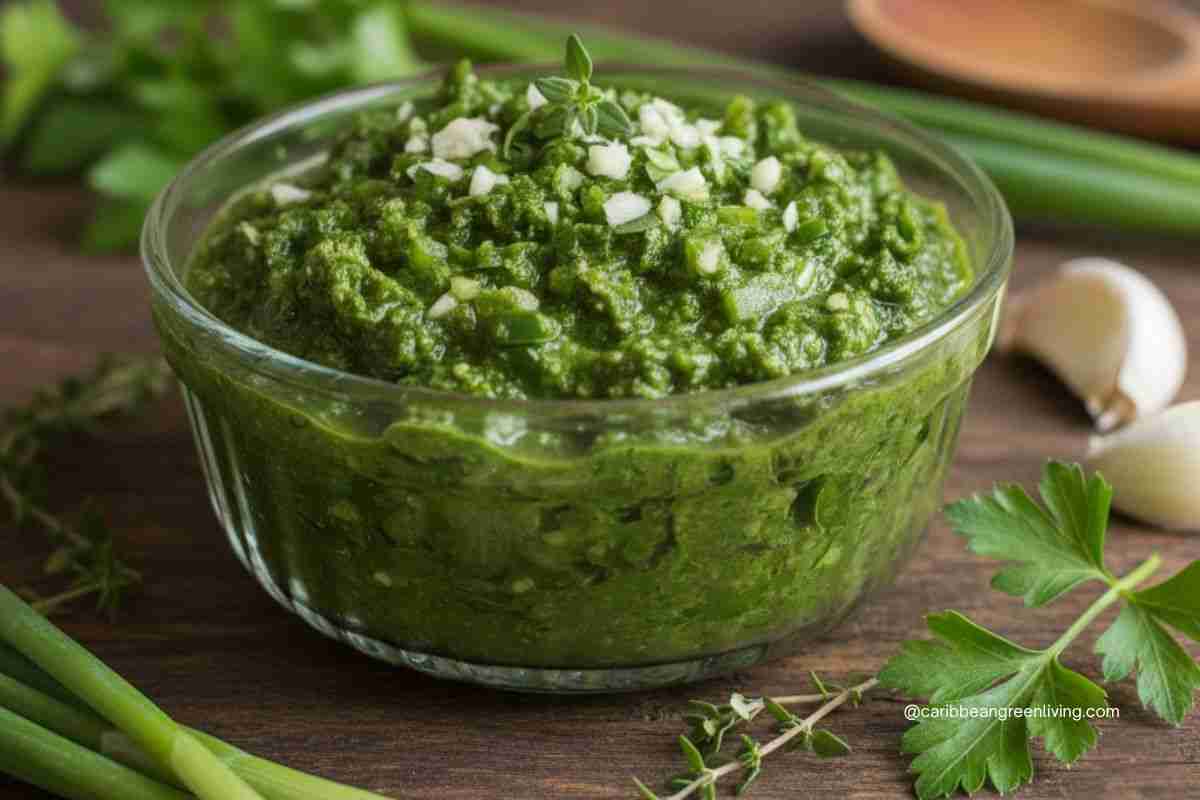
Haitian epis deserves its own category. Epis isn’t just a flavor base—it’s a culinary system.
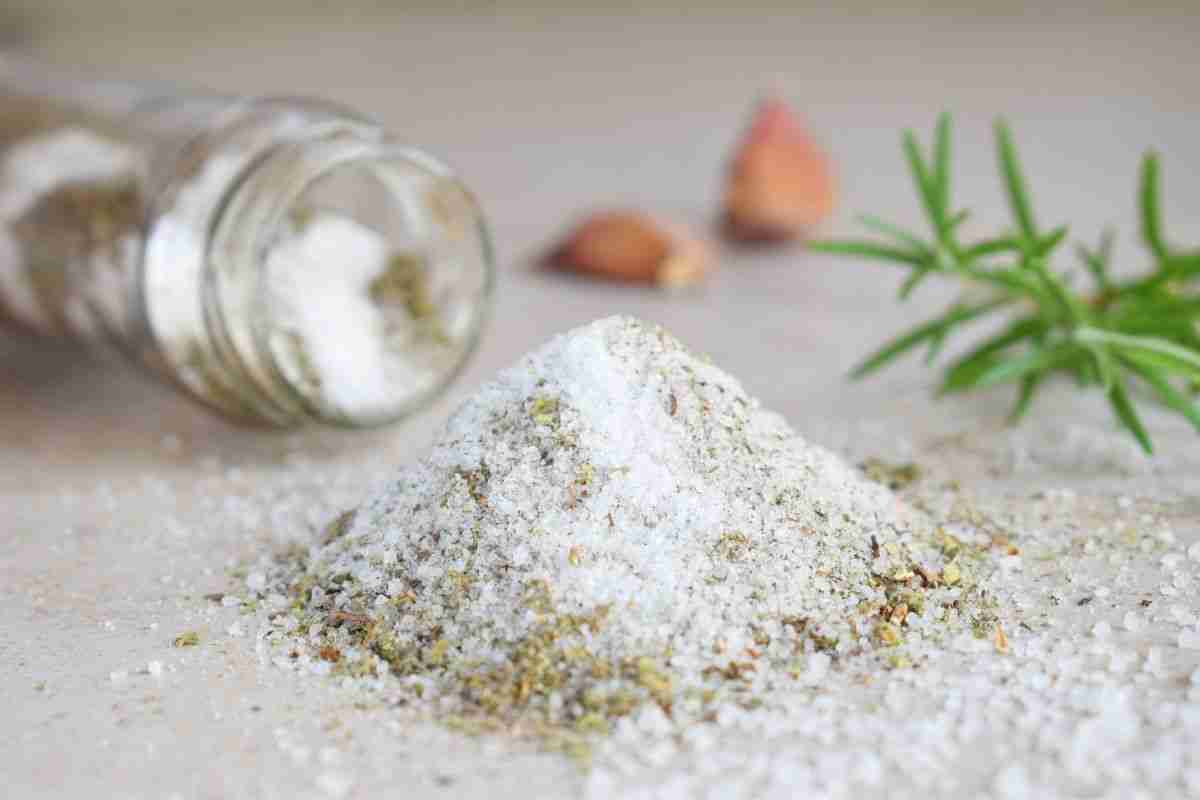
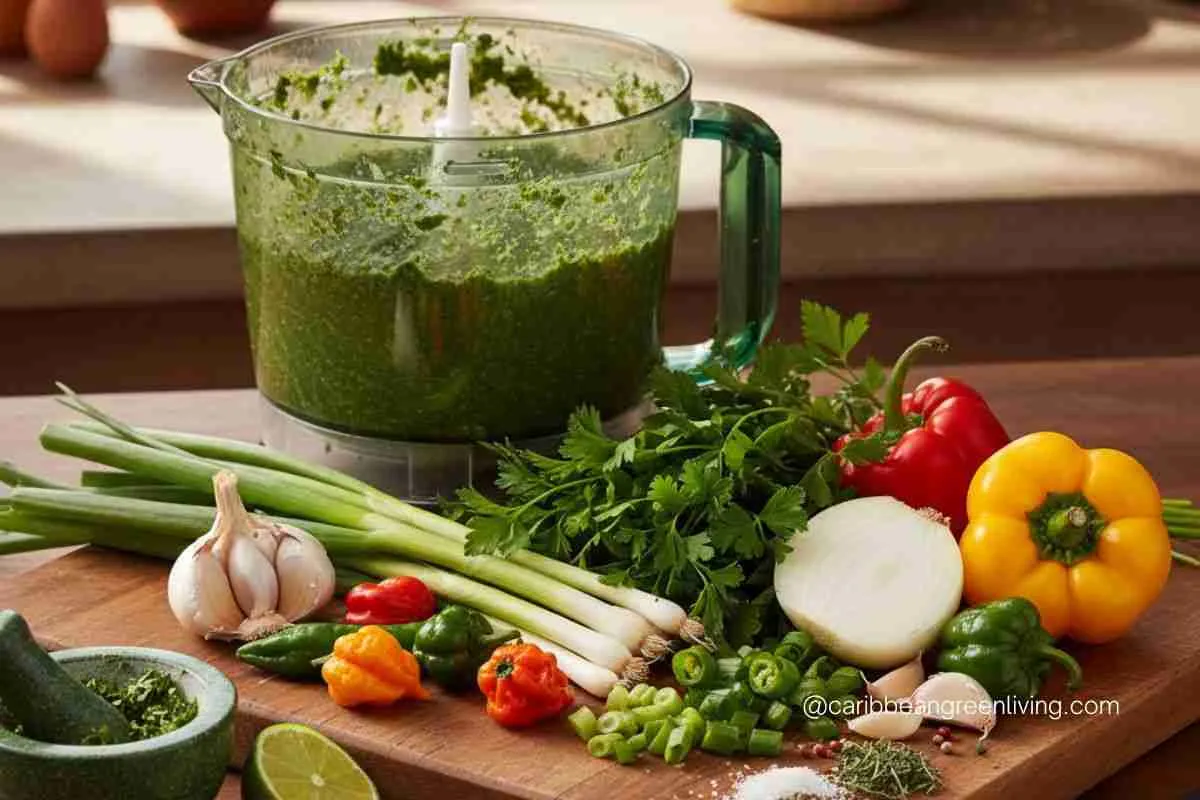
Typically made from garlic, scallions, onions, parsley, thyme, peppers, and citrus or vinegar, epis is blended into a coarse paste and used to season meats, legumes, vegetables, and rice before cooking even begins.
What makes epis different:
- It is used raw and cooked
- It seasons and builds the base
- It penetrates ingredients instead of sitting on the surface
- It is prepared in advance and used throughout the week
In Haitian cooking, epis is not optional. It’s the starting point. Without epis, many Haitian dishes simply don’t taste like Haitian food.
The Role of Aromatics in Flavor Building
Aromatics do the heavy lifting long before the dish is finished.
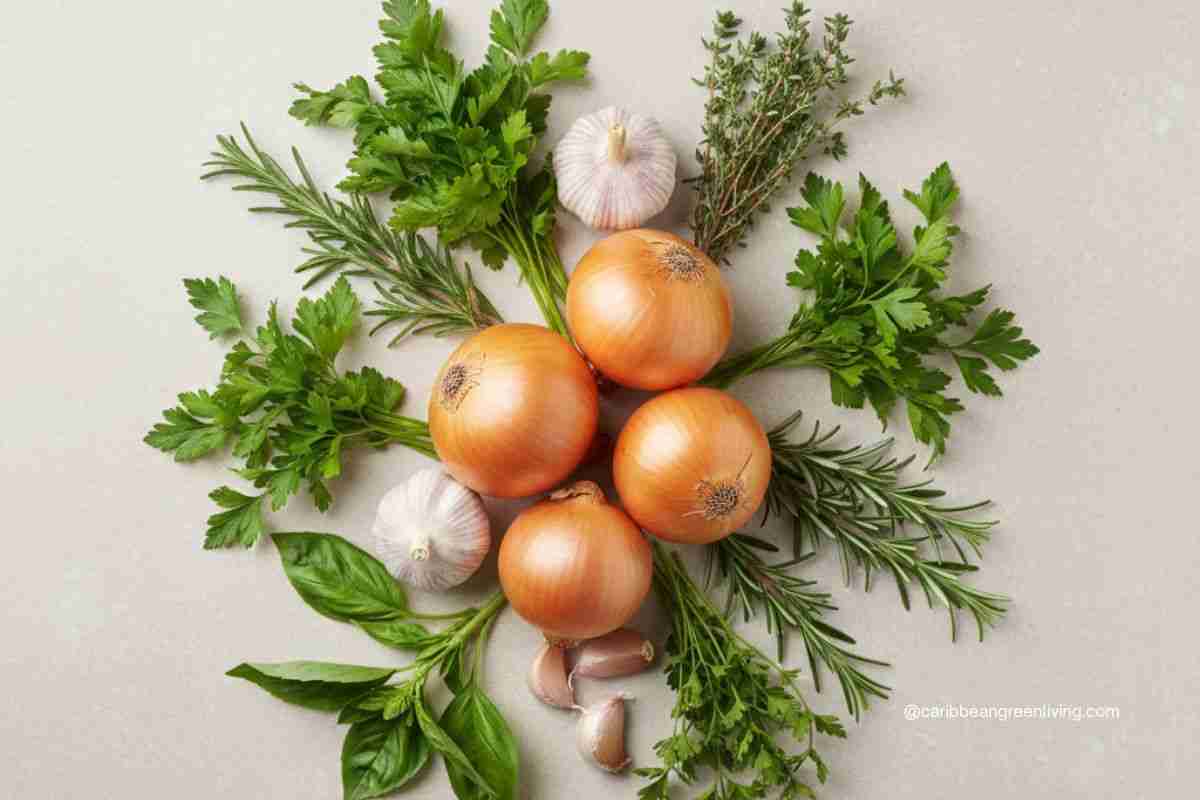
- Onions provide sweetness and umami as they soften
- Garlic adds warmth, sharpness, and depth
- Herbs release essential oils that brighten and balance
Cooked gently, aromatics mellow acidity, tame bitterness, and round out harsh edges. If you skip them or rush them, no amount of seasoning later will fix the damage.
That’s why tomato sauce without sautéed onions and garlic tastes hollow. The base wasn’t built right and especially when you don’t add fresh herbs.
Flavor Bases vs. Individual Ingredients
Ingredients on their own are loud and one-dimensional. Flavor bases are collaborative. An onion by itself is sharp. An onion cooked slowly with carrots and celery becomes sweet, soft, and complex.
Tomatoes alone are acidic. Tomatoes cooked into sofrito gain body, richness, and depth.
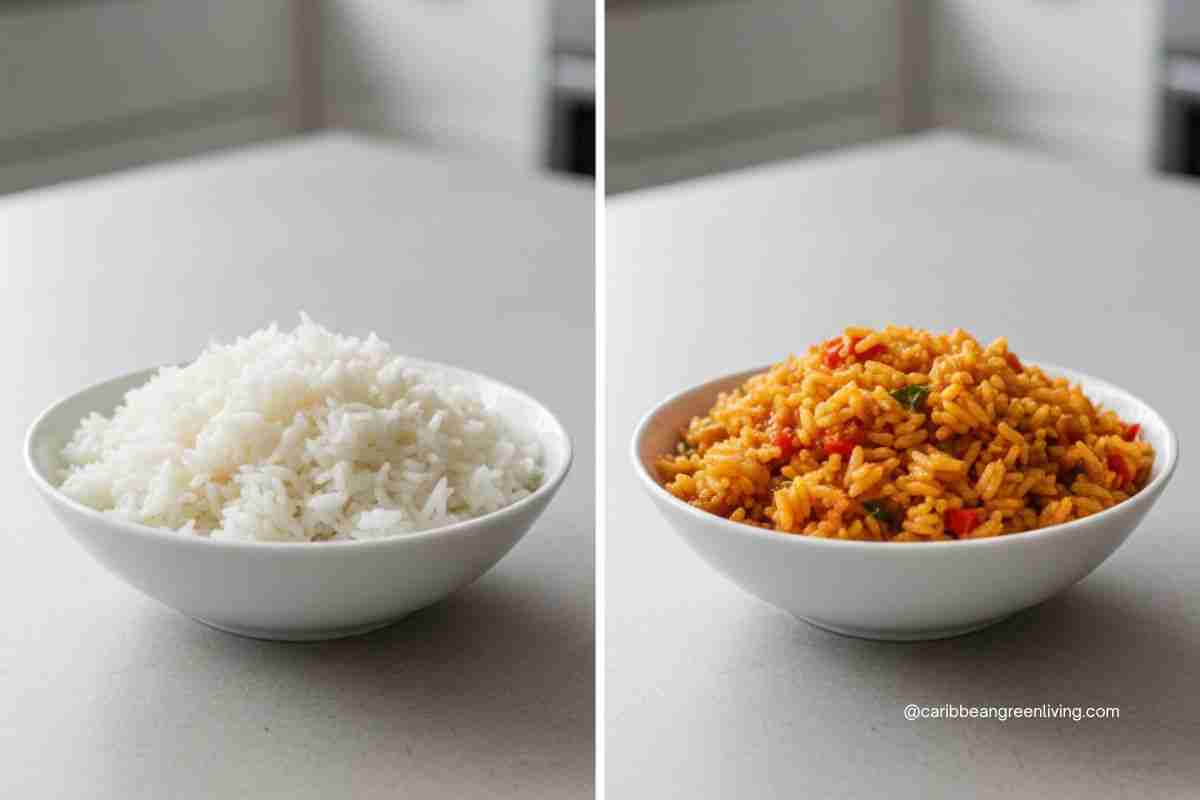
Rice cooked in plain water is filler. Rice cooked with sofrito or epis becomes a flavor carrier. Check out our cooking tips for cooking white rice and adding flavor.
Flavor bases don’t mask ingredients; they unlock them.
Modern Evolutions of Flavor Bases
High-Quality Stocks
Today’s cooks are returning to well-made stocks using bones, aromatics, and time. Proper stocks add gelatin, mouthfeel, and natural umami, and shortcuts can’t replicate.
Fermentation and Umami
Ingredients like miso, fish sauce, and fermented pastes are now integrated into the bases to add complexity. These aren’t trends, they’re ancient techniques rediscovered.
Global Hybrids (Done Right)
Modern kitchens increasingly blend traditions:
- Mirepoix with fermented chili paste
- Soffritto with Caribbean citrus
- Epis-inspired bases used outside Haitian cuisine
This isn’t dilution, it’s evolution. Food adapts. It always has. And especially now, when there is a cultural evolution of different cuisines.
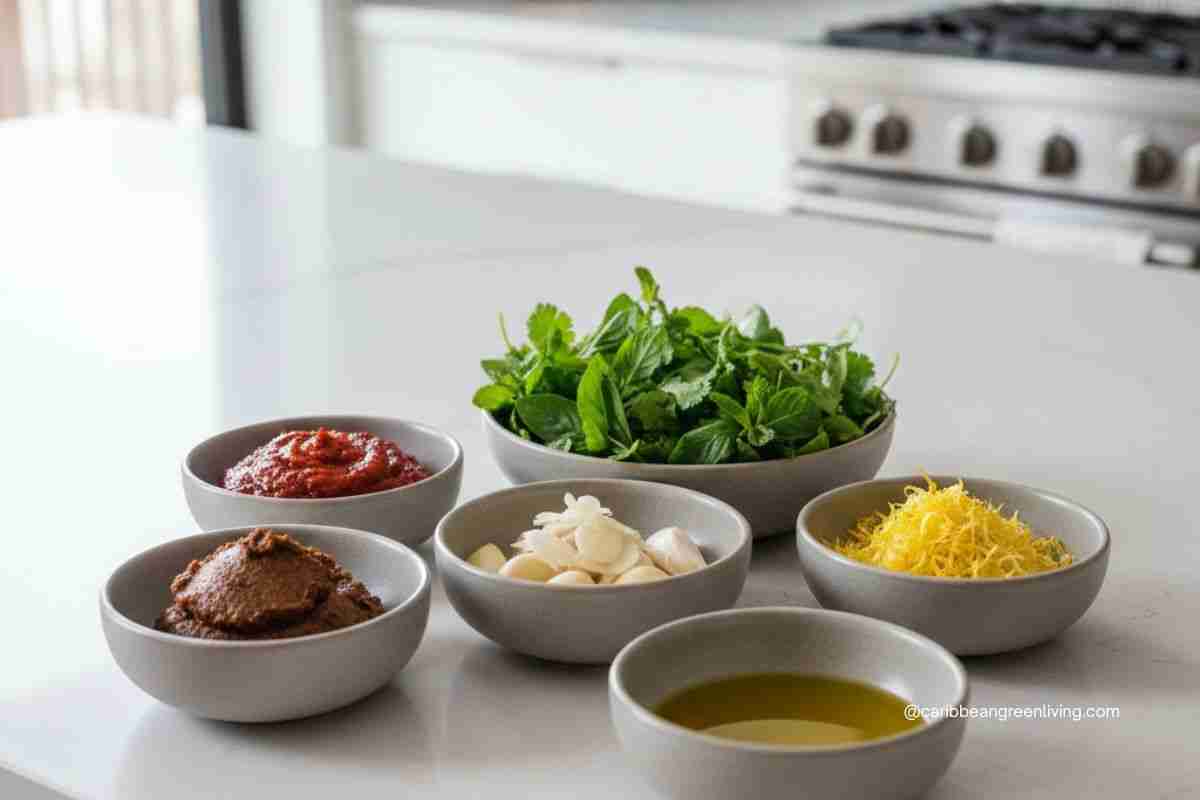
Why Flavor Bases Matter More Than Ingredients
You can buy premium ingredients and still cook a forgettable meal. But build a strong flavor base, and even modest ingredients shine.
Flavor bases create continuity, balance, and identity. They are the reason food tastes intentional instead of accidental. They are the quiet skills behind good cooking.
References and Sources
- The Flavor-Principle Cookbook – Elisabeth Rozin
- On Food and Cooking – Harold McGee
- Larousse Gastronomique – Classical French culinary reference
- Serious Eats – Aromatics & flavor base techniques
- Smithsonian Magazine – Caribbean foodways and culinary traditions
- Oxford Companion to Food – Entries on mirepoix, sofrito, and aromatics