The Ultimate Guide to Salted and Smoked Seafood: Flavor, Tradition, and Recipes
Why Salted & Smoked Seafood Deserves a Spot in Your Kitchen Salted and smoked seafood isn’t just a throwback to old-school preservation—it’s a global flavor movement. These centuries-old techniques don’t just protect freshness; they amplify it. From Caribbean salted cod and Nordic smoked salmon to Asian fermented fish pastes, preserved seafood has long been celebrated for its rich umami flavor, cultural importance, and versatility.
This guide is your one-stop resource for everything from salting and smoking basics to global dishes, pairing ideas, and sustainable seafood choices. Whether you’re a curious home cook or a foodie on a flavor quest, prepare to transform your kitchen with bold, preserved seafood.
What is Salted and Smoked Seafood?
Salted seafood is cured with salt to draw out moisture and preserve freshness. Smoked seafood is treated with smoke—either hot or cold—to prevent spoilage and create rich, layered flavors. Both methods offer unique textures, long shelf life, and a savory depth that fresh fish can’t match.
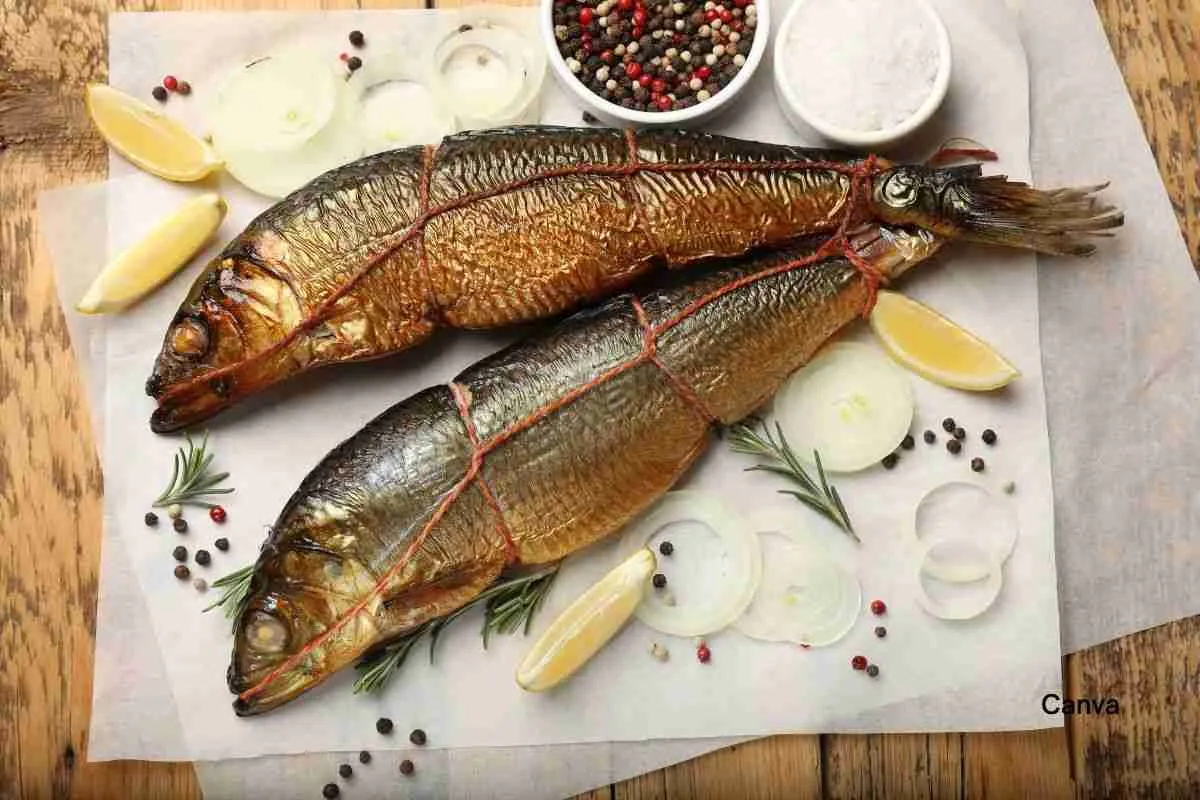
Salted seafood includes cod, herring, and mackerel, while smoked fish can range from salmon and trout to herring and mackerel. These techniques vary by region but share one thing in common: they turn simple fish into culinary treasures.
A Bite of History: Preserving Fish Through the Ages
Preserving seafood dates back thousands of years. Ancient Egyptians used sun-drying and salting; the Romans salted mackerel and created fish sauces like garum (fermented fish sauce). In the Caribbean, Africa, and Asia, salted and smoked fish were essential for trade, religious rituals, and everyday meals.
These methods weren’t just about survival—they shaped culinary identities. Think Portuguese bacalhau, Jamaican saltfish, Scandinavian gravlax, or Japanese smoked mackerel. Preserved fish continues to bring deep heritage and bold flavor to our plates.
Salting 101: Flavor, Technique, and Caribbean Traditions
Salting fish draws out moisture through osmosis, concentrating flavor and preserving the fish for weeks or months. Sea salt is often preferred for its mineral-rich profile. In Caribbean cooking, salted cod (“saltfish”) is iconic, used in dishes like ackee and saltfish or saltfish (cod) fritters.
Steps:
- Apply salt generously to clean, fresh fish.
- Store in a cool, dry place or refrigerate.
- Rinse and soak before use—at least 24 hours, changing water frequently.
Want to get started? Try your hand at preparing saltfish at home.
Smoking Fish: Hot vs. Cold and How It Works
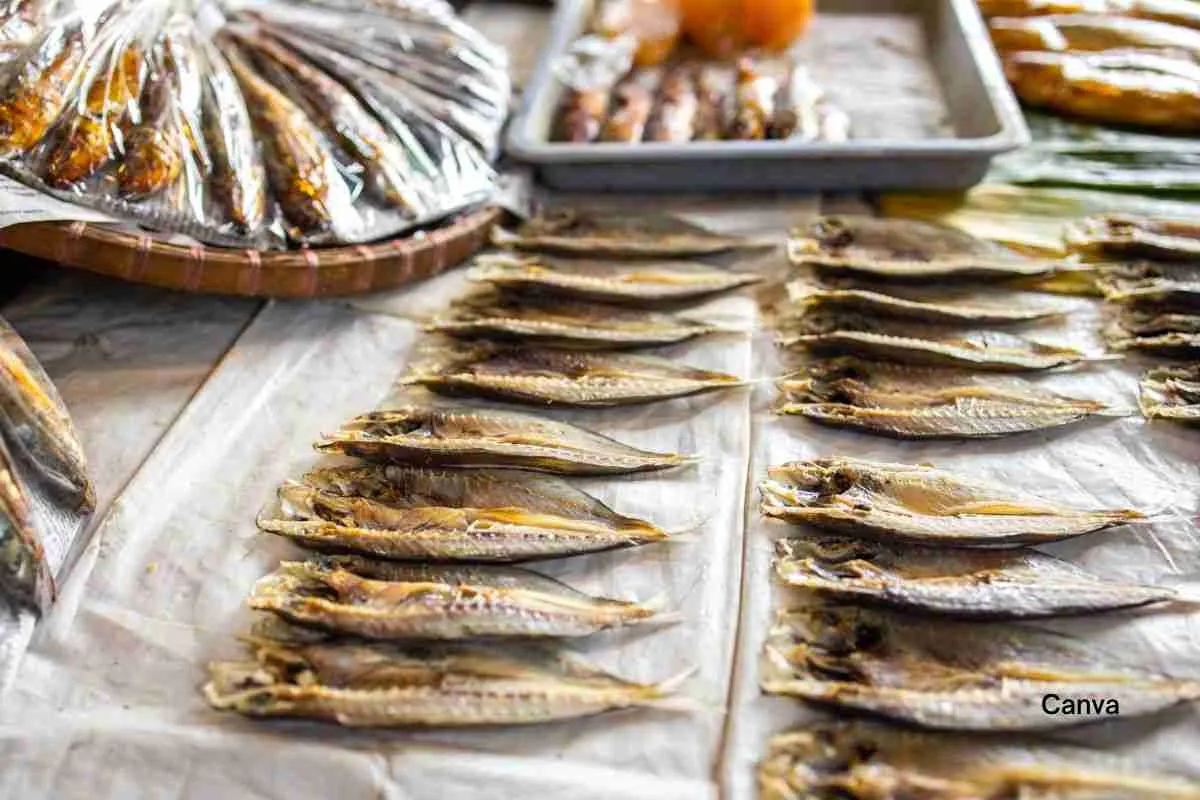
Smoking doesn’t just preserve—it transforms. Hot smoking (165°F–185°F) cooks the fish, giving it a flaky, ready-to-eat texture. Cold smoking (68°F–86°F) infuses flavor but leaves the fish raw, requiring further prep.
Popular woods: hickory, applewood, cherry. Each adds distinct flavor. A brining stage before smoking enhances flavor and helps smoke cling to the surface.
Home smoking tip: Electric smokers and stovetop models make this technique accessible.
Shop Tools: Smoker boxes, wood chips, thermometers
Salted Cod, Smoked Salmon & More: Popular Preserved Fish
The world of preserved seafood is packed with flavor and variety:
- Salted Cod (Bacalhau): A global favorite, especially in Caribbean and Portuguese cooking.
- Anchovies: Intense flavor in a tiny package. Perfect for sauces, dressings, and seasoning.
- Smoked Salmon: Silky, smoky, and luxurious—amazing on bagels or in pasta.
- Smoked Mackerel: Rich and robust, ideal for salads and spreads.
- Kippers (Smoked Herring): A breakfast classic in the UK, often served with eggs.
Spotlight on Haitian Cuisine
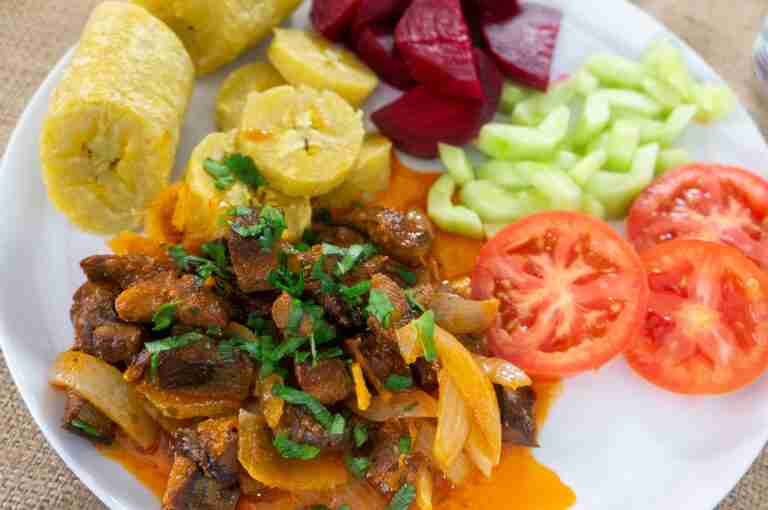
In Haiti, smoked herring is a beloved staple food with deep cultural roots. It’s most famously prepared in creole sauce—a spicy, tomato-based sauce full of herbs, garlic, and scotch bonnet. Smoked herring is added to a variety of traditional dishes including mais moulu (Caribbean-style polenta), Haitian spaghetti, rice, Haitian patties, and even tucked inside pain harreng (Haitian bread with herring).
One of the most celebrated versions is smoked herring chiktay (chiquetaille), a zesty, spicy shredded herring appetizer served with cassava bread or crackers at both casual meals and formal gatherings. Today, many also enjoy it in scrambled eggs, pizza, or grain bowls for an anchovy-like umami boost with a fiery twist.


Health Benefits (and Considerations)
Preserved fish offers more than just taste—it brings nutritional value, too:
- Omega-3s: Support brain and heart health (especially in fatty fish like mackerel and salmon)
- Protein: Essential for muscle repair and immune function
- Vitamins & Minerals: Like Vitamin D, calcium, phosphorus, and iodine
Sodium Watch: Salted and smoked fish can be high in sodium. Balance them with whole grains, veggies, and potassium-rich foods.

Tips for Buying & Storing Salted and Smoked Fish
Knowing how to shop for and store preserved seafood ensures both safety and flavor. Here’s what to look for:
Buying Tips:
- Look for firm, glossy flesh with no discoloration.
- Salted fish should be dry and stiff with a mild, clean scent.
- Smoked fish should have an even color and a pleasant smoky aroma.
- Avoid overly fishy or sour smells—these indicate spoilage.
- Look for sustainability labels like MSC or ASC when possible.
Storage Tips:
- Store salted fish in a cool, dry place (or the fridge) and rehydrate before cooking.
- Smoked fish should be refrigerated and consumed within its expiration date.
- For longer storage, vacuum-sealed smoked fish can be frozen for several months.
Must-Try Recipes and Global Dishes
Preserved seafood isn’t just for stews—it’s a global delicacy that shines in every kind of dish:
- Bacalhau à Brás (Portugal): Shredded salted cod with onions, potatoes, and eggs.
- Ackee and Saltfish (Jamaica): A national dish made with salted cod and local fruit.
- Chiktay Harreng (Haiti): A spicy smoked herring salad served with bread or cassava.
- Smoked Salmon Pasta (Italy/North America): Creamy, quick, and indulgent.
- Scandinavian Gravlax: Cured salmon with dill and sugar, served with mustard sauce.
Cook with us: Seafood Recipes on Caribbean Green Living
Best Side Dishes to Pair With Preserved Fish
Salted and smoked seafood loves bold, fresh, and creamy pairings:
For Salted Fish:
- Boiled green bananas or plantains
- Mais moulin (Caribbean polenta)
- Root vegetables like cassava, yam, or sweet potato
- Tomato-based stews and sauces
For Smoked Fish:
- Cream cheese, capers, and bagels
- Dill pickles and herb butter
- Roasted beets or citrus salads
- Creamy potato salad or egg dishes
Balance is key—think acidity, creaminess, or earthy elements to round out the intense flavors.

How to Choose Sustainable Salted & Smoked Seafood
Choosing preserved fish responsibly supports ocean health and local fishing communities:
What to Look For:
- Certifications: Marine Stewardship Council (MSC), Aquaculture Stewardship Council (ASC), or local certifications
- Labels: Look for terms like “wild-caught,” “responsibly harvested,” or “low-impact fishery”
- Packaging: Go for vacuum-sealed or recyclable packaging when possible
Why It Matters: Overfishing, habitat destruction, and pollution are all linked to irresponsible fishing. Supporting sustainable practices helps protect ocean ecosystems for generations to come.
Final Thoughts:
Flavor, Heritage, and the Future of Fish Salted and smoked seafood isn’t just a method—it’s a movement. These preservation techniques are time-tested, flavor-rich, and globally beloved for a reason. From Haitian chiktay to Portuguese bacalhau and Scandinavian gravlax, preserved fish connects us to culture, survival, and celebration.
Whether you’re cooking with Caribbean saltfish, experimenting with smoked mackerel spreads, or just layering smoked salmon on your morning bagel, you’re participating in a centuries-old tradition.
As we move toward more conscious and sustainable eating, choosing preserved seafood from responsible sources is key. Embrace the bold flavors, savor the history, and explore the endless culinary possibilities that salted and smoked seafood can bring to your kitchen.
Hungry for more? Browse our Seafood Recipe Collection and Sustainable Eating Guides to keep your food flavorful and future-friendly.
References:
- Marine Stewardship Council. “What is sustainable fishing?” https://www.msc.org/what-we-are-doing/our-approach/sustainable-fishing
- Aquaculture Stewardship Council. “Why Choose ASC Certified Seafood?” https://www.asc-aqua.org/what-we-do/
- U.S. Food & Drug Administration. “Guide to Fish Consumption & Food Safety.” https://www.fda.gov/food/consumers/advice-about-eating-fish
- Encyclopedia Britannica. “Preservation of Fish.” https://www.britannica.com/technology/food-preservation/Fish
- The Spruce Eats. “Your Guide to Smoked and Salted Fish.” https://www.thespruceeats.com/salted-and-smoked-fish-1328752
- Caribbean Green Living. “Seafood Recipes.” https://www.caribbeangreenliving.com/category/caribbean-kitchen/cook-by-ingredient/fish-and-seafood-recipes/
- Caribbean Green Living. “Sustainable Living.” https://www.caribbeangreenliving.com/category/wellness/eco-friendly-and-sustainable-living/zero-waste-and-sustainable-practices/
- Caribbean Green Living. “Choosing Caribbean Fish and Seafood.”https://www.caribbeangreenliving.com/category/wellness/eco-friendly-and-sustainable-living/
- Jamaica Observer. “Ackee and Saltfish: A Jamaican Staple.” https://www.jamaicaobserver.com/
- Saveur. “A Guide to Bacalhau in Portuguese Cooking.” https://www.saveur.com/search/Bacalhau/
For more recipes and cultural food stories, visit: CaribbeanGreenLiving.com