The Essence of Creole: Discovering the Unique Traditions of the French Caribbean Islands
The word Creole—now there’s a word that gets around. Depending on where you are and who you ask, it can mean a language, a person, a way of life, or even a style of cooking. And truth be told, all of those meanings are valid. But if we zoom in on the French Caribbean—think Haiti, Martinique, Guadeloupe, Saint Lucia, and Dominica—you’ll find that Creole is more than a buzzword. It’s the beating heart of a rich cultural identity shaped by centuries of history, resistance, resilience, and—yes—flavor.
Let’s dive in, island-style
The Roots of Creole Culture: A Historical Overview
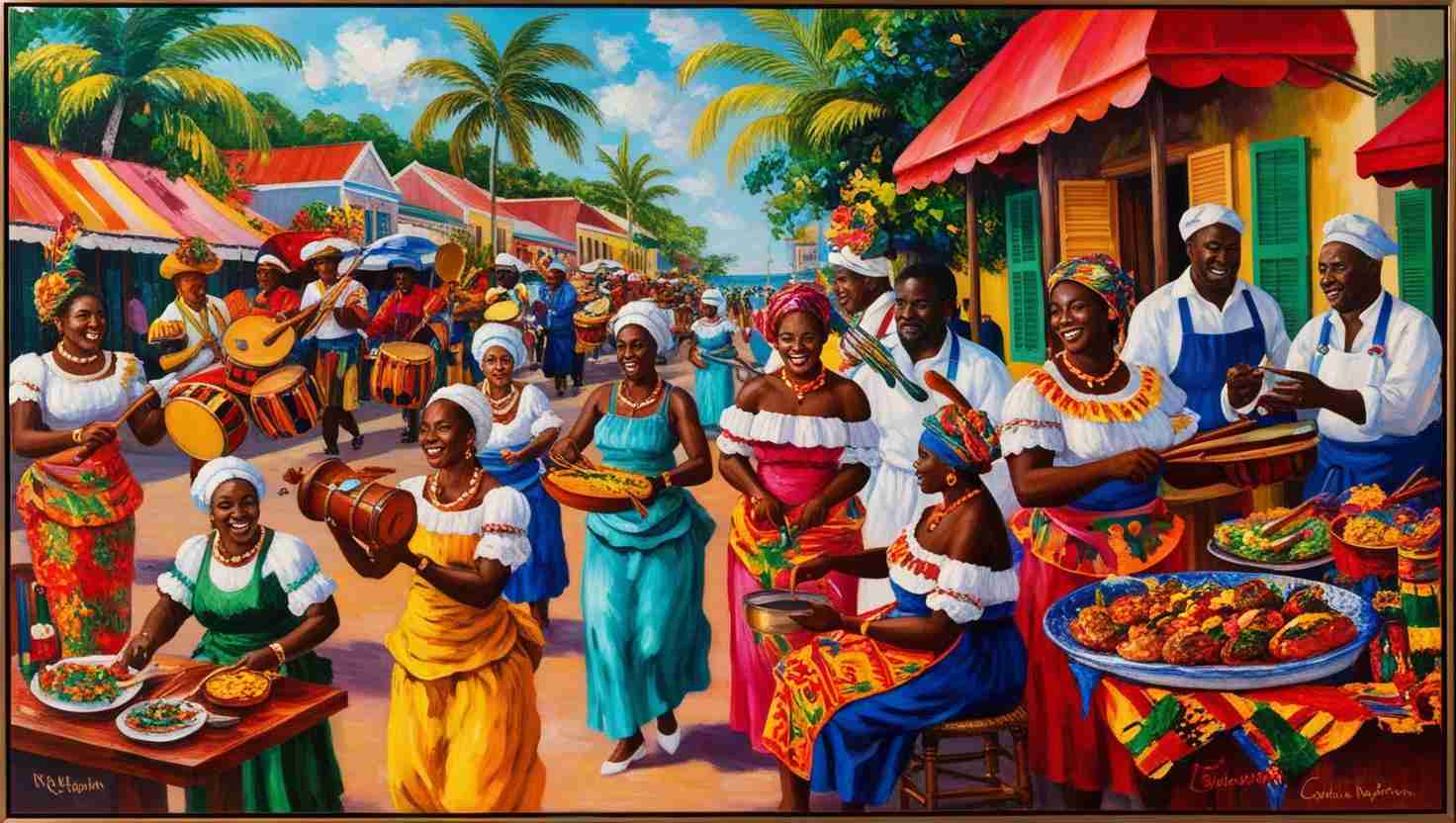
To understand Creole culture, you have to go way back—think 17th and 18th centuries. The French Caribbean islands were colonies at the time, booming with sugar plantations, which unfortunately also meant the forced labor of enslaved Africans. But through this dark chapter came an unexpected evolution: a cultural blending that brought together indigenous peoples, enslaved Africans, European settlers, and later immigrants from India, Asia, and the Middle East.
This blend gave birth to Creole culture—a unique and evolving identity that mixes languages, customs, beliefs, music, and of course, food. The result? A heritage that is vibrant, unapologetically diverse, and deeply rooted in both struggle and survival.
The legacy of colonialism still lingers, but it’s met head-on by a culture that celebrates strength, community, and expression in every aspect of daily life—from storytelling to spice rubs.
Language and Identity: The Creole Tongue
Language is more than words—it’s identity. In the French Caribbean, Antillean Creole (or Kréyol) is a linguistic badge of honor. It’s French-based, but it’s laced with African languages, Taíno words, and other influences that reflect the islands’ history. For many, it’s their first language, spoken at home, sung in music, written in literature, and heard in everyday life.
It’s also a language of resistance and cultural affirmation. Creole was once looked down upon, deemed inferior to French—but those days are fading. Today, it’s spoken with pride, especially by younger generations who are reclaiming and reviving their linguistic heritage.
Fun fact: Creole isn’t the same everywhere! Each island adds its own flair—like seasoning a good stew. You’ll hear different expressions and accents in Martinique than you will in Saint Lucia, but the soul remains the same.
Culinary Delights: Flavors of the French Caribbean
Now we’re talking—literally the most delicious part of Creole culture.
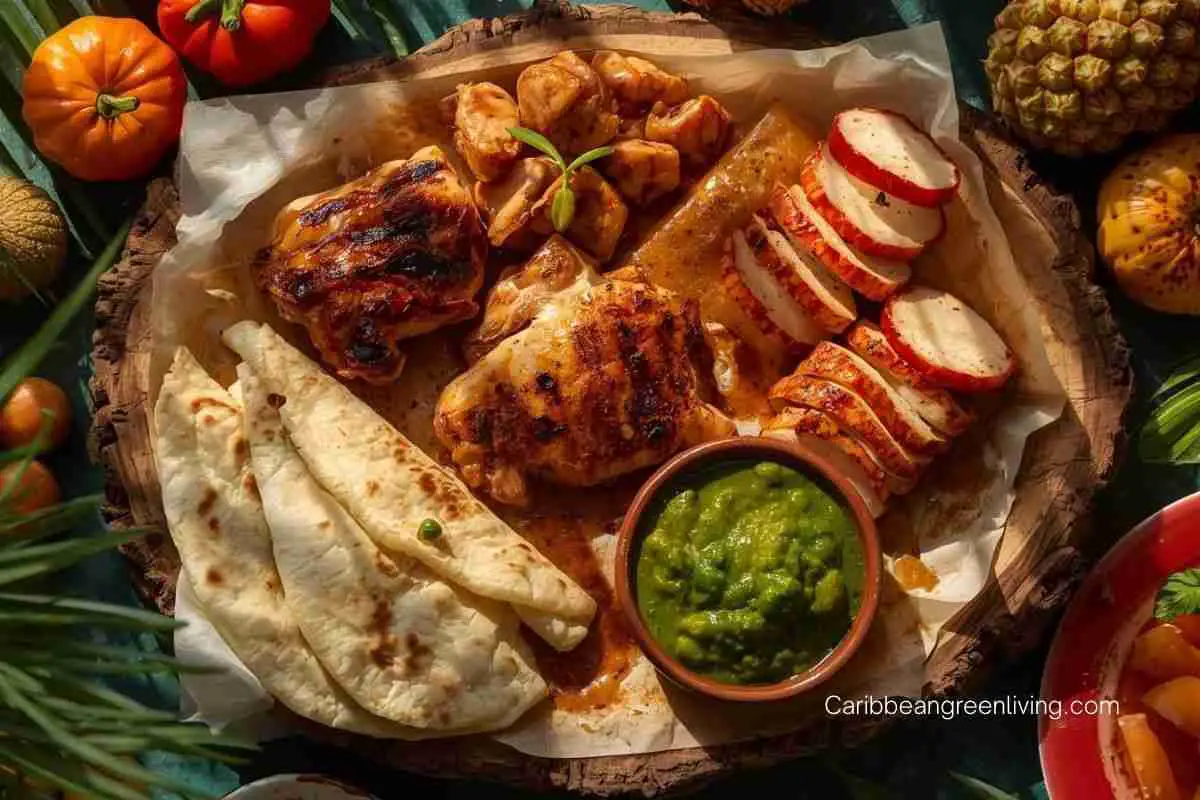
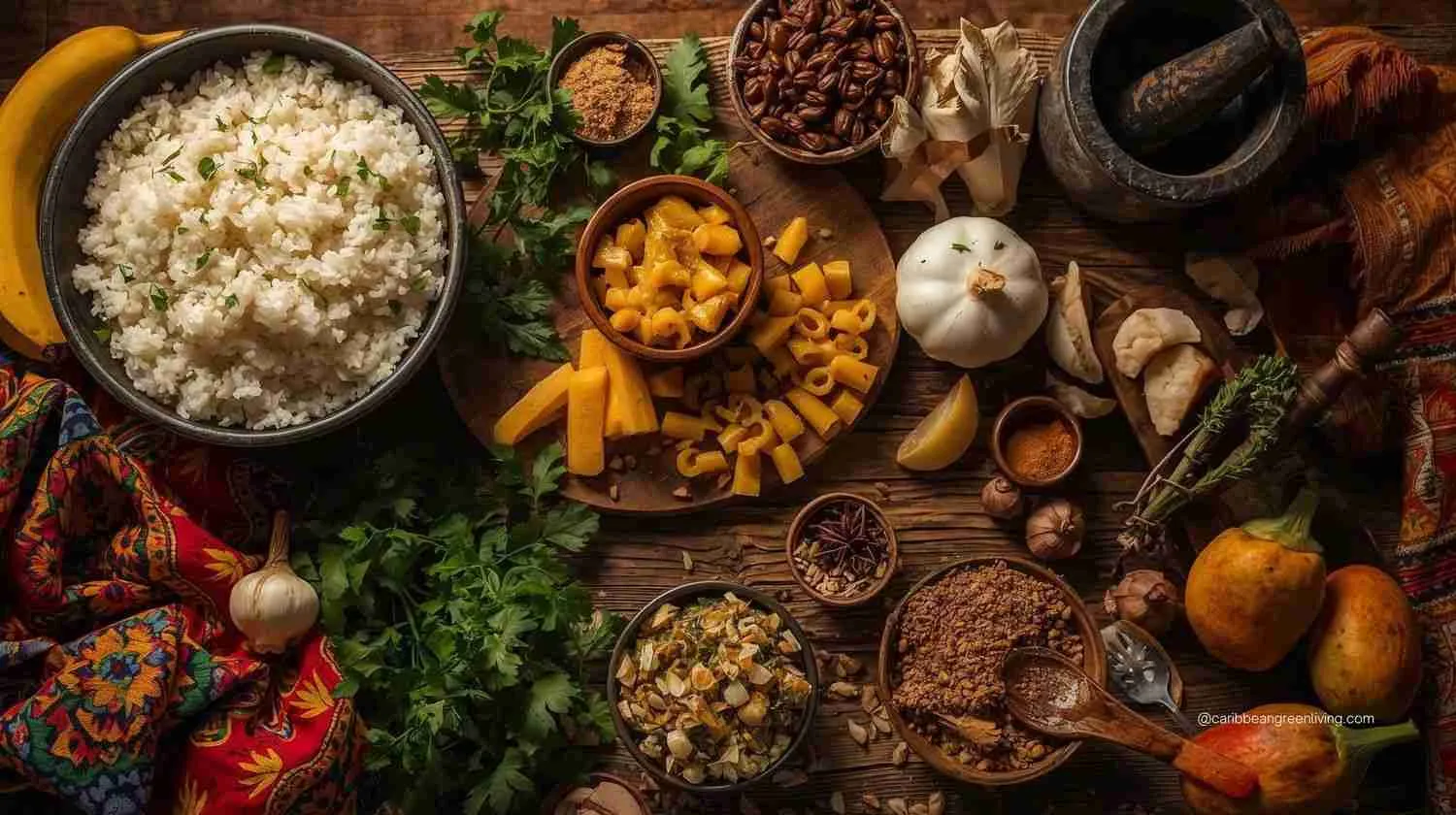
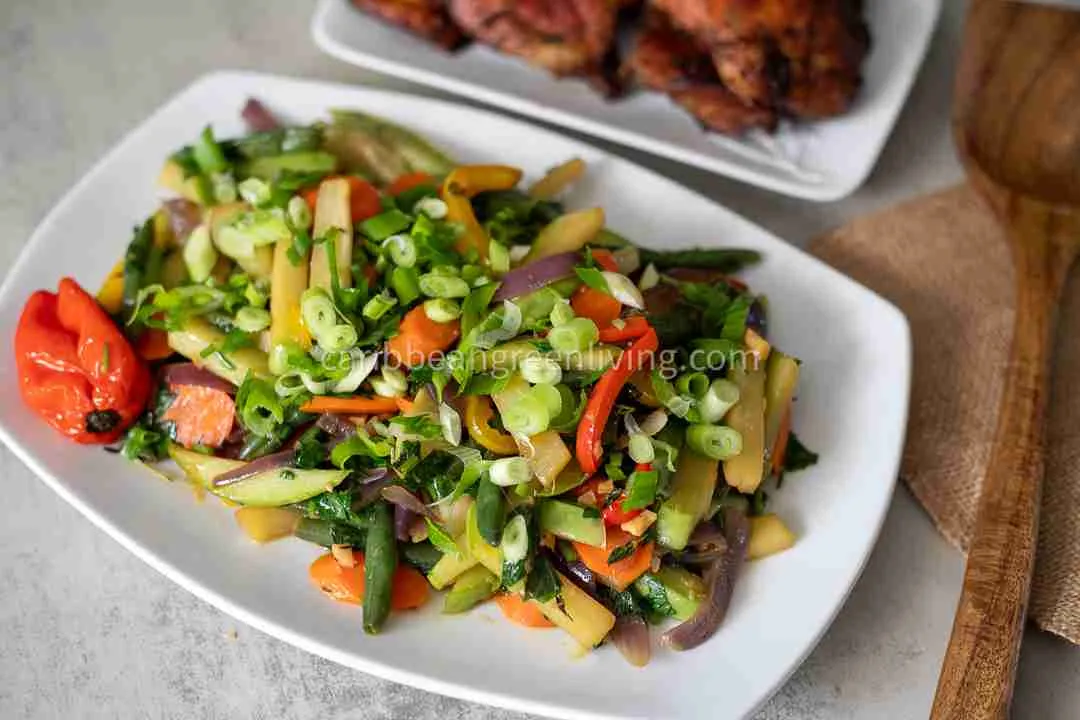
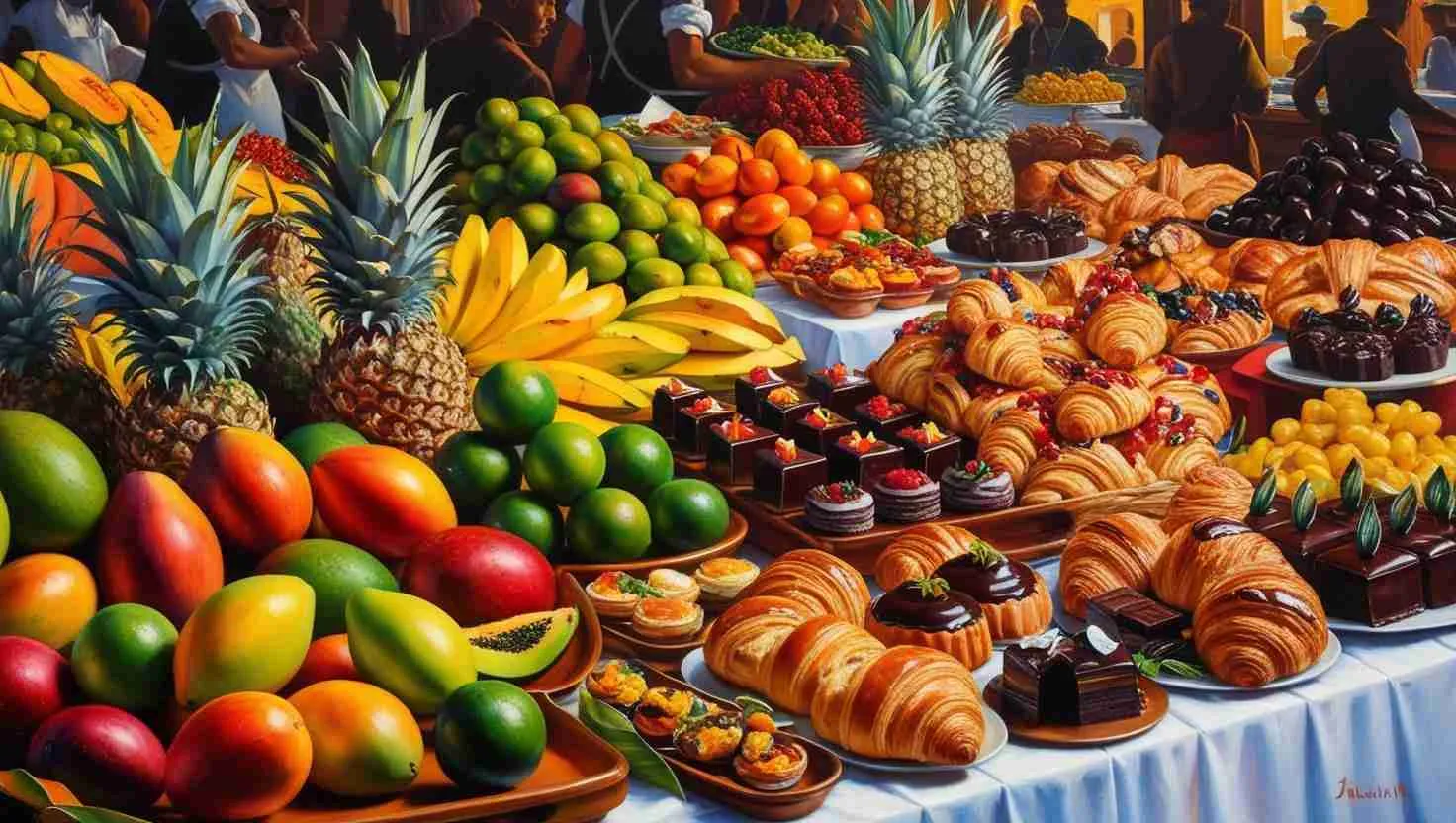
Creole cuisine in the French Caribbean is a celebration of everything the islands have to offer: fresh seafood, tropical fruits, spices galore, and a global pantry of influences. This is food that’s bold, layered, and impossible to forget.
Let’s name-drop a few mouthwatering Creole dishes:
- Accras de Morue – Spiced, crispy codfish fritters that vanish as fast as you fry them.
- Colombo – A Creole-style curry made with chicken, goat, or seafood, plus vegetables and the magical Colombo spice blend.
- Poulet Créole – A saucy chicken stew made with garlic, onions, tomatoes, herbs, and Habanero peppers or Scotch bonnet peppers.
- Riz Créole – Rice and beans seasoned with herbs, sometimes coconut milk—always comforting.
- Chatrou – A savory octopus stew, often simmered in tomato and herbs.
- Boudin Créole – Spicy blood sausage, traditionally served during festive times.
- Sauce Chien – “Dog sauce” (don’t worry, no pups involved)—a zesty marinade of lime, hot pepper, garlic, and herbs.
And remember: food isn’t just nourishment—it’s a story. Meals are often the center of social life, family traditions, and festivals. Each dish tells a tale of migration, adaptation, and love passed down from generation to generation.
Festivals and Traditions: Celebrating Creole Heritage
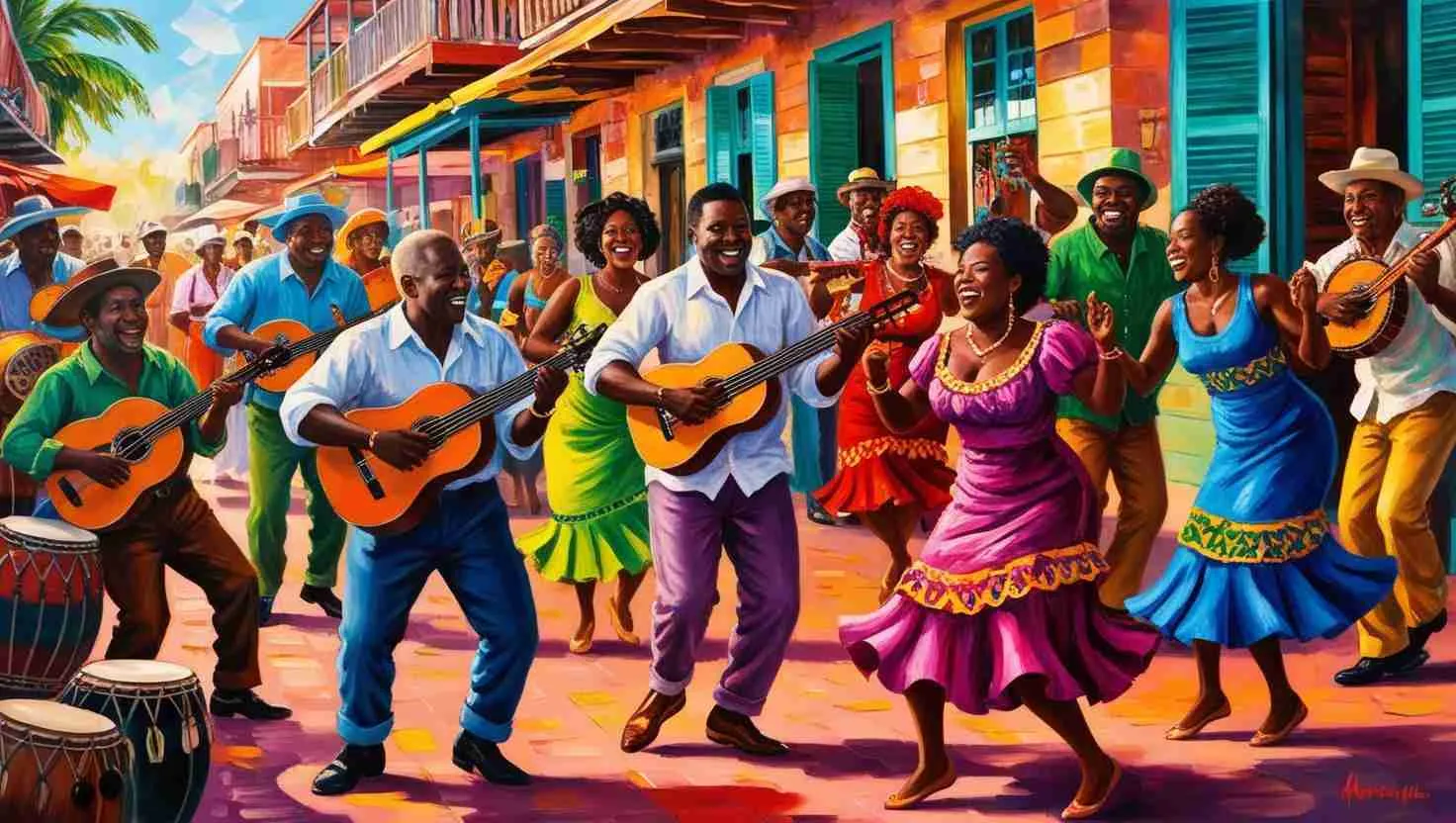
Creole culture doesn’t whisper. It dances, sings, and parades down the street in a riot of color and rhythm.
Events like Carnival, La Fête de la Musique, and local harvest festivals are more than just good times (though yes, they are very good times). They’re essential to preserving and sharing the culture.
You’ll find:
- Parades with traditional costumes and masks
- Live music from konpa and zouk bands and drumming circles
- Food stalls selling all your Creole favorites
- Dancing in the streets that lasts until sunrise
These festivals aren’t just fun—they’re a cultural heartbeat that keeps traditions alive and brings generations together.
Art and Music: The Soul of Creole Expression
The soul of Creole life pulses through its music and art. Every beat, brushstroke, and lyric is soaked in heritage.
The Rhythm of Creole Life: Music That Moves the Islands
Music is the soul of Creole culture — a vibrant, expressive language that connects generations and tells stories of struggle, joy, and identity. Across the French Caribbean, several music genres have shaped cultural identity, inspired dance traditions, and brought people together in powerful ways. Let’s explore some of the most popular ones:
Konpa (Compas) – The Beat of Haitian Elegance
Konpa, Haiti’s signature sound, is smooth, rhythmic, and full of heart. Created in the 1950s by Nemours Jean-Baptiste, konpa combines African drumming patterns, European ballroom structure, jazz influences, and a Caribbean soul. The result? A mid-tempo, danceable groove that brings elegance to any dance floor.
You’ll hear electric guitars, synthesizers, brass, and percussion all working in harmony, inviting couples to glide and sway. Konpa is a staple at Haitian celebrations and has influenced countless bands across the French Caribbean.
Vibe: Smooth, melodic, romantic
Listen for: Groovy bass, horns, electric guitar riffs
Top Artists to Know:
- Tabou Combo – Haiti’s konpa ambassadors known worldwide
- Carimi – A modern take on konpa with big love ballads
- T-Vice – Dynamic, energetic, and known for their crowd-pleasing live performances
Zouk – The Passionate Pulse of the Antilles
Originating in Guadeloupe and Martinique in the early 1980s, zouk was popularized by the legendary group Kassav’. Zouk is lively and seductive, known for its fast beats, catchy melodies, and themes of love, pride, and Creole identity. It pulls from older styles like biguine and kadans, blending traditional roots with electronic flair.
Zouk isn’t just music — it’s a movement. It played a huge role in reawakening pride in Creole culture and language across the French Antilles.
Vibe: Sensual, upbeat, emotional
Listen for: French Creole lyrics, danceable tempo, pop and Caribbean fusions
Top Artists to Know:
- Kassav’ – The pioneers of zouk and cultural icons
- Edith Lefel – Sultry voice, emotional lyrics
- Jocelyne Béroard – One of the leading female voices of zouk
Gwoka – The Drumbeat of Guadeloupe
Rooted in Guadeloupean history, gwoka (or gwo ka) is a traditional genre that centers around the ka drum and call-and-response vocals. It dates back to the time of slavery and has become a form of cultural resistance and storytelling.
Gwoka has multiple rhythms — each with its own purpose and meaning — and is often accompanied by dance. Whether in a rural village or at a festival, when the ka drum starts, people gather, listen, respond, and move. Today, modern gwoka continues to evolve while honoring its deeply spiritual and communal roots.
Vibe: Deep, soulful, spiritual
Listen for: Ka drums, call-and-response, traditional vocals
Top Artists to Know:
- Vélo – One of the most famous gwoka drummers
- Erick Cosaque – A griot and legend of traditional gwoka
- Kassav’ (again!) – Often incorporated gwoka into zouk for cultural connection
Bouyon – The High-Energy Groove of Dominica
Though not as widely known, bouyon is a high-energy genre from Dominica that has spread to the French Caribbean, especially among younger crowds. It fuses elements of kadans, soca, dancehall, and electronic music, creating an infectious party vibe.
Think fast beats, crowd-hyping lyrics, and non-stop movement — bouyon is for turning up the energy and letting loose. Over time, sub-genres like bouyon gwada have emerged in Guadeloupe, blending local flavors into the mix.
Vibe: Loud, fast, party-ready
Listen for: Electronic beats, Creole-English-Dominican slang, fusion of genres
Top Artists to Know:
- WCK (Windward Caribbean Kulture) – The original bouyon creators
- Triple Kay International – Keeping the genre fresh and hype
- DJ Bling – Leading the bouyon gwada wave in Guadeloupe
Music as Cultural DNA
In the French Caribbean, music isn’t just entertainment — it’s a way of remembering, resisting, and rejoicing. Whether it’s the smooth steps of konpa, the hypnotic rhythms of gwoka, the passion of zouk, or the wild beat of bouyon, each genre reflects a piece of the Creole soul.
Creole music has traveled far beyond the islands, influencing global artists and connecting Caribbean communities around the world. From house parties in Paris to festivals in New York, the sound of the French Caribbean is alive, evolving, and always full of flavor.
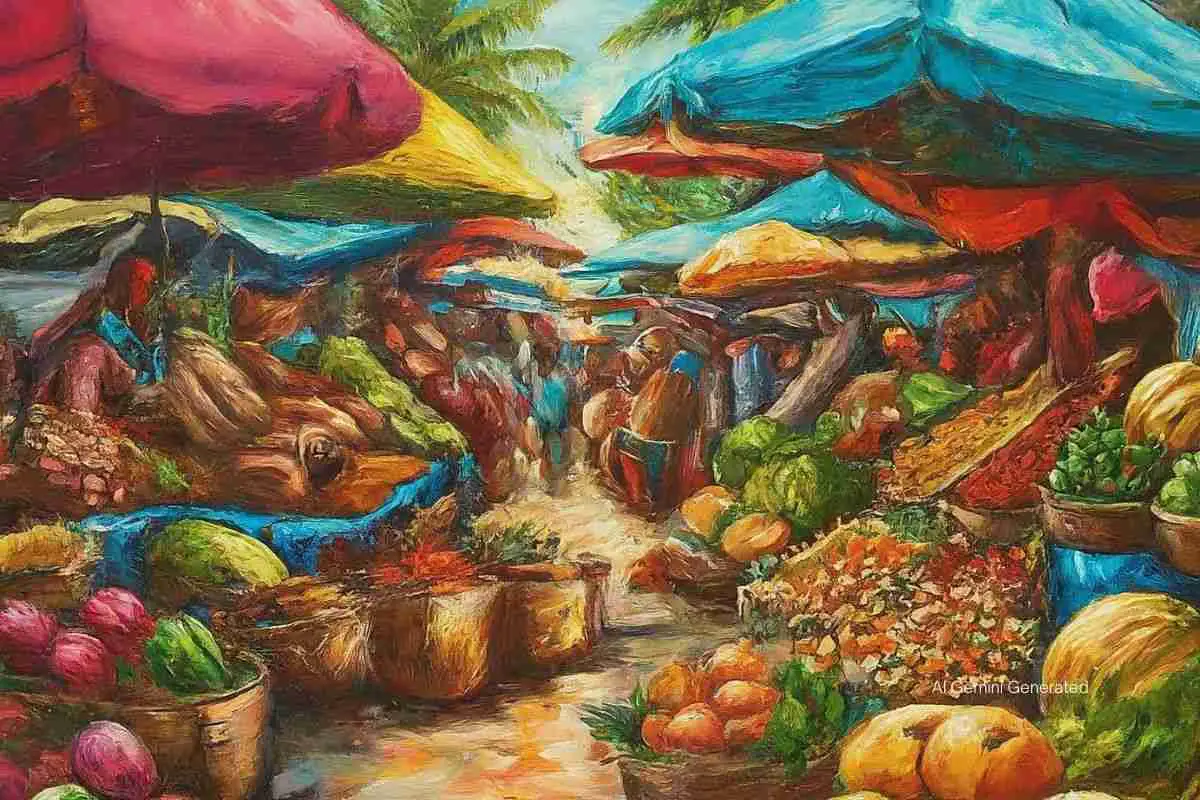
And the visual arts? They’re just as expressive. From market scenes painted in vibrant colors to sculptures carved from local wood, the creativity is boundless. Artists often explore themes like identity, colonial history, spirituality, and nature—making every piece a statement.
Wait—Isn’t Creole Also from Louisiana?
Yes! And while Louisiana Creole and French Caribbean Creole are related, they are not the same.
Both stem from French colonial history and African influences, but Louisiana Creole evolved in a different context—with Spanish, Native American, and Cajun elements added to the mix. Louisiana Creole cuisine features dishes like gumbo, jambalaya, and crawfish étouffée, which share the soulful depth of French Caribbean cooking, but have their own regional flavor.
Think of it this way: French Caribbean Creole and Louisiana Creole are culinary and cultural cousins—each unique, each delicious, and both worth celebrating.
Final Thoughts: More Than a Word
Creole is a word packed with meaning—and in the French Caribbean, it represents a legacy of survival, celebration, creativity, and connection. It’s a language. A cuisine. A style of music. A way of life. And most importantly, it’s a people who carry generations of history with pride and power.
So whether you’re tasting a spicy colombo, dancing to a zouk beat, or chatting in Kréyol on a warm island evening, remember—you’re experiencing something truly special.
Creole isn’t just culture—it’s soul.
Hungry for more?
Explore traditional Caribbean recipes, cultural tips, and lifestyle ideas at CaribbeanGreenLiving.com. And for your Creole kitchen essentials—spice blends, sauces, and more—check out our curated collection at Noubess.com.
Laissez bouillir les marmites! (Let the pots boil!)