The Best Meat Cuts, Poultry, and Seafood for Haitian Legim
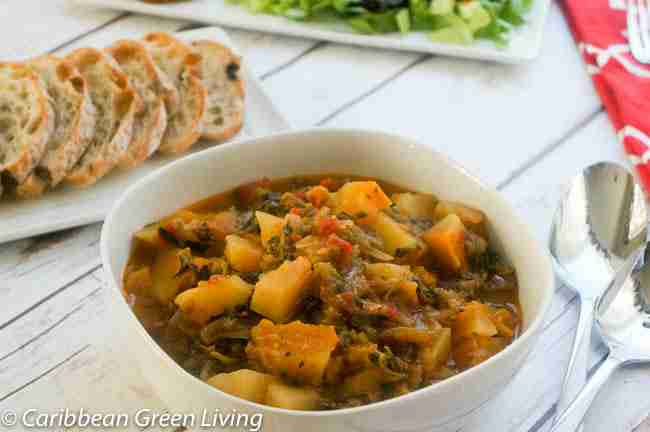
Haitian Legim, a hearty vegetable stew, stands as a testament to Haiti’s rich culinary heritage. Deeply rooted in the nation’s history, this dish not only offers a delightful blend of flavors but also embodies the resilience and unity of the Haitian people.
Cultural Significance
Historical Context
The origins of Legim trace back to the amalgamation of African, French, and indigenous Taino influences that have shaped Haitian cuisine over centuries. This fusion reflects the island’s complex history and the enduring spirit of its inhabitants. In Haitian culture, food transcends mere sustenance; it preserves history, strengthens community bonds, and expresses national pride.
Social Significance
Legim is more than just a meal; it’s a communal experience. Often prepared during family gatherings and celebrations, it symbolizes togetherness and shared heritage. The act of cooking and sharing Legim reinforces social bonds and keeps traditions alive.

Selecting the Best Proteins for Legim
The choice of protein significantly influences the flavor and texture of Legim. Here’s a breakdown of the best options:
Meat Cuts
- Chuck Roast: Known for its rich marbling, chuck roast becomes tender and flavorful when slow-cooked, making it ideal for stews like Legim.
- Beef Shank: This cut includes a portion of the bone, which releases gelatin during cooking, adding depth and body to the stew.
- Short Ribs: With a balance of meat and fat, short ribs offer a succulent taste that enhances the overall richness of Legim.
- Brisket: When simmered slowly, brisket becomes tender and imbues the stew with a robust beef flavor.
- Round Roast: A leaner option, round roast requires careful cooking to maintain juiciness but contributes a hearty taste to the dish.
- Oxtail: Celebrated for its gelatin-rich bones, oxtail provides a luscious texture and deep flavor, elevating the stew’s complexity.
Smoked Meat
Smoked meats add a distinct, smoky depth to Legim, making it even more flavorful. Some excellent choices include:
- Smoked Turkey: Enhances the dish with a rich, smoky taste while remaining relatively lean.
- Smoked Pork Hocks: Known for their collagen and deep pork flavor, they add a satisfying umami note to the stew.
- Smoked Sausages: A great addition for those who enjoy a hint of spice and extra texture in their Legim.
- Smoked Beef: Adds a robust, hearty flavor, complementing the slow-cooked vegetables.
Poultry
For those who prefer alternatives to red meat:
- Fowl Chicken: Commonly used in Legim, fowl chicken offers a firm texture that holds up well during extended cooking.
- Guinea Fowl: With a slightly gamey flavor, guinea fowl introduces a unique taste, appealing to adventurous eaters.
- Turkey: Particularly the thighs and drumsticks, turkey meat adds a rich flavor and remains tender throughout the cooking process.
Seafood
In coastal regions and for special occasions, seafood variations of Legim are cherished:
- Crab: A traditional choice, crab infuses the stew with a subtle sweetness and briny essence.
- Conch Meat: Known for its chewy texture, conch adds an exotic flair and absorbs the stew’s flavors well.
- Shrimp: Quick-cooking and delicate, shrimp complements the medley of vegetables without overpowering the dish.
- Salted Codfish or Smoked Herrings: These preserved fish options introduce a savory depth and are often used to enhance the umami profile of Legim.
The Role of Haitian Epis
Central to the flavor of Legim is the Haitian Epis—a fragrant blend of herbs, spices, and aromatics. Typically comprising garlic, scallions, parsley, thyme, bell peppers, and citrus juice, this seasoning base serves as the cornerstone of Haitian cooking, imparting a distinctive and harmonious taste to the stew.

Vegetable Medley in Legim
A variety of vegetables contribute to the hearty nature of Legim:
- Eggplant: Provides a creamy texture when cooked down, serving as a substantial base for the stew.
- Chayote: Also known as mirliton, this squash absorbs flavors well and adds a slight crispness.
- Spinach: Introduces a mild earthiness and enhances the nutritional profile of the dish.
- Cabbage: Adds bulk and a subtle sweetness, balancing the savory components.
- Carrots: Offer color and a natural sweetness, complementing the other vegetables.




Flavor Profiles and Textural Contrasts
Legim is celebrated for its complex flavor profile:
- Savory Notes: The combination of meats or seafood with Epis creates a deeply savory foundation.
- Sweetness: Vegetables like carrots and cabbage contribute a natural sweetness, balancing the dish.
- Spice: The inclusion of hot peppers in Epis allows for a customizable heat level, catering to different preferences.
Texturally, Legim offers a satisfying contrast: tender meats, soft vegetables, and occasional chunks provide a delightful mouthfeel, making each bite unique.
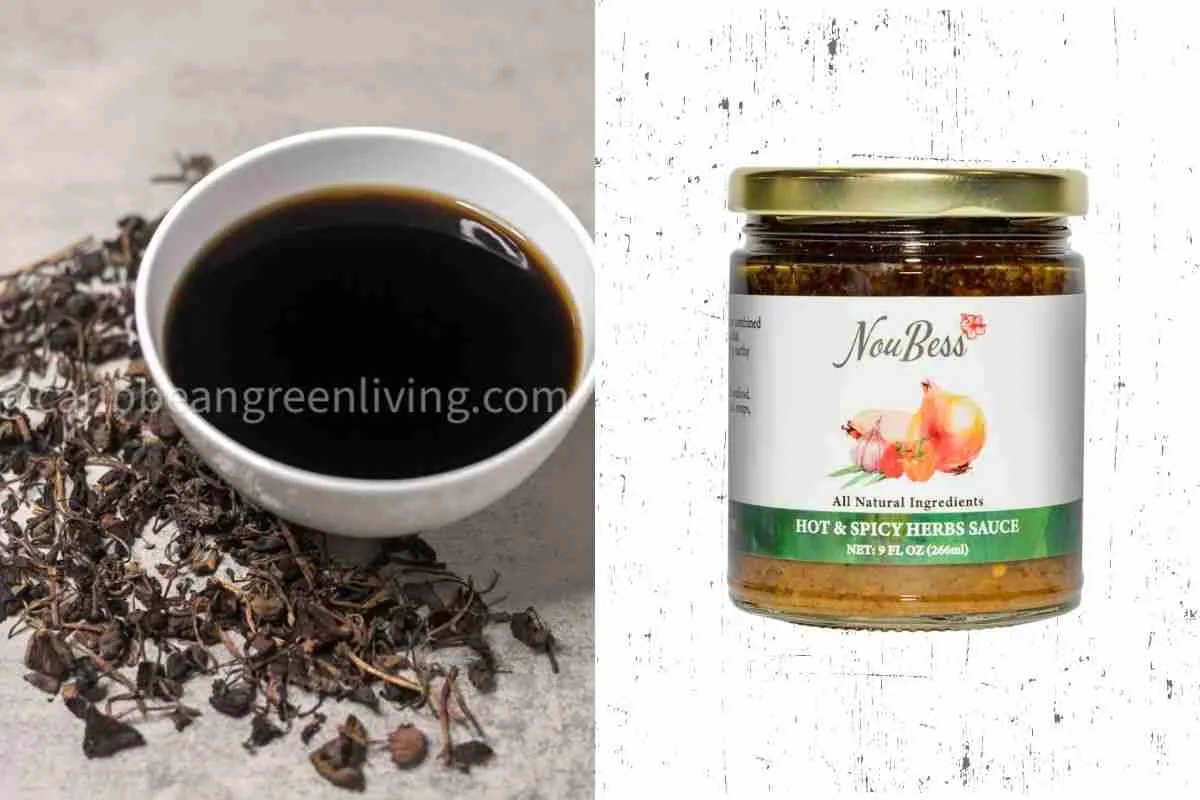
Using Noubess Hot & Spicy Sauce in Haitian Legim can add several benefits:
- Enhanced Flavor: Noubess sauce is a blend of peppers, herbs, and spices. It can add a complex layer of flavor to the Legim, enhancing the savory notes of the meat and vegetables.
- Increased Depth: The sauce can add a depth of flavor that traditional Haitian Epis might not provide.
- Spice Level Boost: As the name suggests, Noubess adds heat. This can be a great way to spice up the Legim for those who enjoy a bit of a kick.
- Convenience: Using a pre-made sauce like Noubess can save time and effort compared to preparing a complex blend of spices from scratch.
How to Use Noubess in Legim:
- Start with a small amount: Add a teaspoon or two of Noubess to the pot during the cooking process and taste as you go.
- Adjust to your preference: Increase the amount of sauce gradually until you reach your desired level of heat and flavor.
- Combine with Epis: You can use Noubess in conjunction with traditional Haitian Epis for an even more flavorful result.
Note: Noubess can be quite spicy. Start with a small amount and gradually increase to avoid overwhelming the other flavors of the Legim.
Where to buy: Visit Noubess.com
Nutritional Benefits
Beyond its rich flavors, Legim is a nutritious option:
- Vegetable-Rich: Packed with a variety of vegetables, it offers essential vitamins, minerals, and fiber.
- Lean Proteins: Using poultry or seafood can reduce saturated fat content, appealing to health-conscious individuals.
This balance makes Legim a wholesome choice for those seeking comfort food without compromising on health.
Pairings
Legim pairs beautifully with various traditional Haitian side dishes that enhance its flavors and provide a well-rounded meal:
- White Rice: A simple yet classic choice that allows the flavors of Legim to shine.
- Boiled Plantains or Yams: Adds a slightly sweet contrast to the savory richness of the stew.
- Rice and Beans: A staple in Haitian cuisine, this combination provides a hearty and filling accompaniment.
- Polenta: Known locally as “mayi moulen,” this cornmeal dish complements Legim’s texture and taste.
- Bulgur Wheat (Able): A healthier alternative that adds a nutty flavor and fiber boost to the meal.


Practical Tips and Enhancements
- Make-Ahead Tips: Preparing Epis in advance and marinating the chosen protein overnight can deepen the flavors and streamline the cooking process.
- Leftover Ideas: Leftover Legim can be repurposed into sandwiches, served over grains like quinoa, or used as a filling for savory pastries, offering versatility and minimizing waste.
Conclusion
Haitian Legim is more than a stew; it’s a culinary narrative that tells the story of a nation’s history, resilience, and community. Whether prepared with beef, poultry, seafood, or smoked meats, Legim remains a cherished dish that continues to bring families and friends together in celebration of Haitian culture.