Turmeric Spice Benefits and Uses: A Complete Guide to the Golden Superfood
Turmeric isn’t just another spice sitting pretty in your pantry—it’s the golden MVP of both the kitchen and the medicine cabinet. Known for its bold yellow hue and earthy kick, turmeric has been used for centuries in traditional remedies and flavorful dishes across the globe. But beyond its vibrant color and distinct taste lies a powerhouse of health benefits—think anti-inflammatory magic, immune support, and more.
In this no-fluff guide, we’re breaking down everything you need to know about turmeric: what makes it so special, how to use it in your meals, and why it absolutely deserves a regular spot in your wellness routine. Whether you’re a foodie, a health nut, or just turmeric-curious, we’ve got golden nuggets of wisdom coming your way. Ready to glow from the inside out? Let’s dive into the golden wonder that is turmeric.
Turmeric Through the Ages: A Healing Legacy
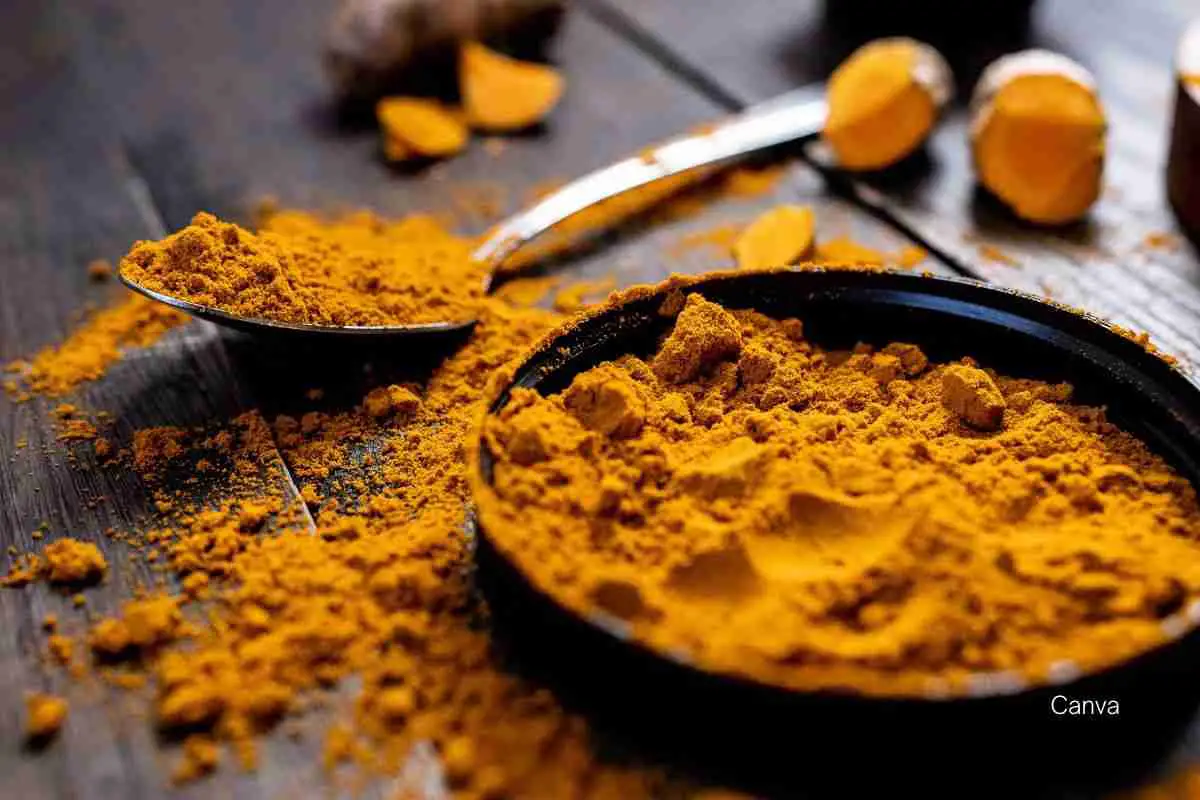
Long before turmeric became a trendy superfood or a must-have in golden lattes, it held a sacred spot in the ancient world of healing. Known scientifically as Curcuma longa, turmeric has been used for over 4,000 years in traditional medicine systems—especially in Ayurveda and Chinese medicine. Originating in South Asia, this bright yellow root earned its stripes as a natural remedy for everything from digestive issues to skin problems, thanks to its powerful anti-inflammatory, antioxidant, and antimicrobial properties.
In Ayurveda, turmeric is affectionately called Haridra, meaning “the yellow one.” It’s more than just a spice—it’s a balancing agent believed to harmonize the body’s three doshas (Vata, Pitta, and Kapha). It’s praised for warming the body, detoxifying the system, and enhancing vitality. Meanwhile, Traditional Chinese Medicine knows it as Jiang Huang, where it’s used to stimulate blood flow, ease pain, and support joint health—particularly helpful for arthritis and menstrual discomfort.
But turmeric’s story isn’t just written in the pages of ancient pharmacopeias. This golden root has deep cultural roots, too. In Hindu traditions, turmeric paste is used in weddings and religious rituals, symbolizing purity, fertility, and good fortune. It’s also long been a natural dye for food and fabric, thanks to its vibrant color.
From medicine and meals to ceremonies and symbolism, turmeric has earned its golden status not just as a wellness hero, but as a cultural icon.
What’s Inside Turmeric? A Look at Its Powerful Nutrients
So what makes turmeric such a health superstar? It’s all about what’s inside. This golden spice is packed with bioactive compounds, and the headliner is curcumin—a natural polyphenol responsible for turmeric’s bold yellow hue and most of its healing reputation. Curcumin is a powerhouse antioxidant and anti-inflammatory agent, which is why it’s been the subject of countless studies exploring everything from pain relief to immune support.
But curcumin doesn’t work alone. Turmeric also contains other curcuminoids, plus turmerone—a lesser-known compound that may support brain health and has shown promise in early anti-cancer research. Then there’s the bonus nutrition: turmeric brings in dietary fiber (great for gut health), plus trace amounts of vitamin C, vitamin E, potassium, and iron—all of which contribute to overall wellness, even in small doses.
Here’s the catch: curcumin isn’t easy for the body to absorb. On its own, it kinda slips through the system unnoticed. But pair it with black pepper—which contains piperine—and you boost absorption by up to 2,000%. Yup, that’s not a typo. Add a healthy fat like olive oil or coconut oil, and your body becomes even more turmeric-friendly.
Understanding how turmeric works in the body—and how to help it shine—is key to unlocking its full potential. So next time you’re adding it to your tea, curry, or smoothie, don’t forget the black pepper and a splash of healthy fat for that golden glow from the inside out.
The Real Deal: What Science Says About Turmeric’s Health Benefits
Turmeric isn’t just an old wives’ tale or a trendy wellness buzzword—it’s one of the most well-researched spices in modern science. And guess what? The science is actually catching up to what traditional healers have known for centuries.
Let’s start with inflammation, the root of many chronic conditions like arthritis, heart disease, and even cancer. Turmeric’s star compound, curcumin, works like a natural anti-inflammatory, blocking certain molecules in the body that trigger inflammation. It’s not just for soothing sore joints—this effect can potentially help lower your overall risk for disease and improve long-term health.
Then there’s turmeric’s impressive antioxidant power. Curcumin helps neutralize those pesky free radicals—unstable molecules that speed up aging and damage cells. On top of that, curcumin gives your body a boost by enhancing your own natural antioxidant defenses. Translation: turmeric helps keep your cells healthy, your skin glowing, and your immune system sharp.
But the brain benefits might just be turmeric’s biggest flex. Curcumin can cross the blood-brain barrier (a big deal in the science world), and it helps boost levels of BDNF—a type of growth hormone for your brain. Low BDNF levels have been linked to conditions like depression and Alzheimer’s. By helping increase BDNF, turmeric may support better memory, sharper focus, and even improved mood.
With all these perks—from fighting inflammation to protecting your brain—turmeric is truly living up to its “golden” status. And the best part? You don’t need a PhD in nutrition to start reaping the benefits. Just a few smart choices in the kitchen can go a long way.

Easy & Tasty Ways to Add Turmeric to Your Diet
Let’s be real—turmeric isn’t just for curry anymore. This golden spice is versatile, flavorful, and shockingly easy to sneak into your daily meals. Whether you’re a seasoned home chef or just figuring out how to boil water, there’s a way for you to enjoy turmeric without it feeling like a chore.
Start with the basics: Add a sprinkle to your stir-fries, roasted veggies, soups, stews, or rice. It gives everything a warm, earthy flavor and a pop of sunshine color. Got a pot of lentils simmering? A pinch of turmeric takes it from meh to mmm. Making eggs or tofu scramble? Throw in a dash for a golden glow.
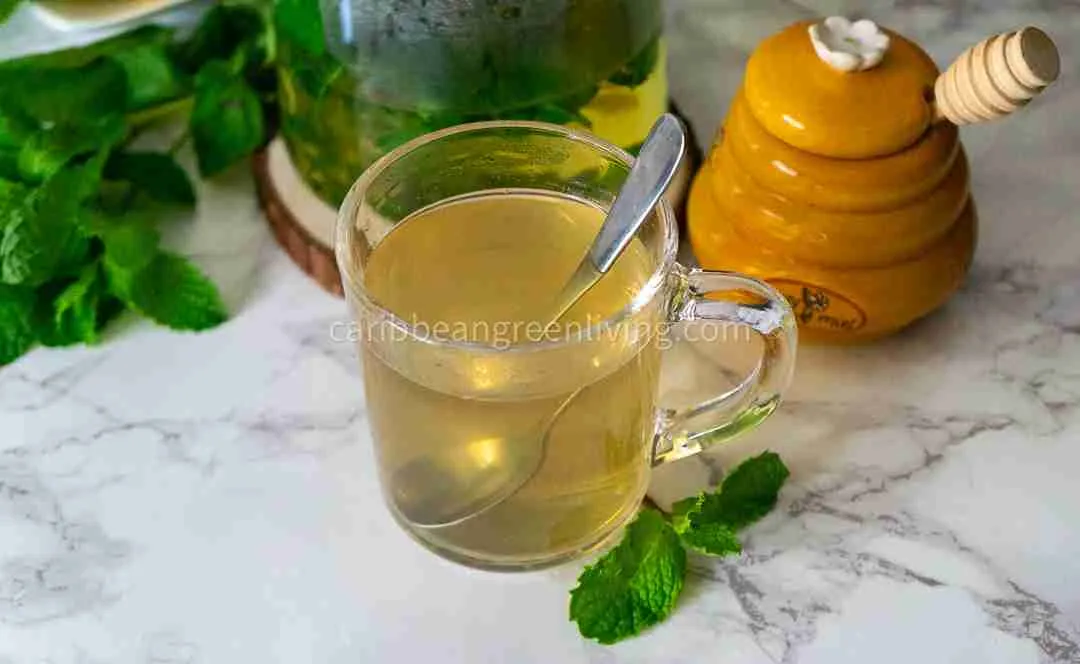
One of the coziest ways to sip on turmeric is with Golden Milk (aka turmeric latte)—a comforting blend of milk (or coconut/almond milk), turmeric, black pepper (don’t skip this—it helps your body absorb the good stuff), and warming spices like cinnamon, ginger, and a drizzle of honey. Perfect for winding down in the evening.
Smoothie lover? Add ½ teaspoon of turmeric to your next tropical blend—try pineapple, banana, coconut milk, and turmeric for a Caribbean-inspired wellness drink. Trust me, it works.
Feeling creative in the kitchen? Try turmeric in baked goods like muffins, pancakes, or even bread. It adds a beautiful golden color and a subtle depth of flavor. Bonus: your food ends up looking as good as it tastes.
Pro Tip: Always pair turmeric with black pepper or healthy fats like olive oil or coconut oil to boost curcumin absorption. No pepper, no power!
So go ahead—spice things up. Turmeric isn’t just healthy; it’s a delicious way to glow from the inside out.

Golden Milk (Turmeric Latte)
Ingredients
- 1 cup milk dairy or plant-based like coconut, almond, or oat
- ½ teaspoon ground turmeric
- ¼ teaspoon ground cinnamon
- ⅛ teaspoon ground ginger or a small piece of fresh ginger
- Pinch of black pepper important for absorption!
- 1 teaspoon honey or maple syrup optional, to taste
- ¼ teaspoon vanilla extract optional
- A tiny pinch of cayenne pepper optional for a gentle kick
Instructions
- In a small saucepan, combine all ingredients.
- Heat over medium heat until warm but not boiling (about 5 minutes), whisking gently.
- Once heated, remove from heat.
- Strain if using fresh ginger or spices (optional).
- Pour into your favorite mug, sip slowly, and enjoy the golden goodness!
Notes

Nutrition
Please keep in mind that nutritional information is a rough estimate and can vary greatly based on the products used.
Nutrition info is automatically generated and provided as a courtesy and as an estimate only.
Corn Allergy:
Always choose ingredients without corn or corn derivatives.
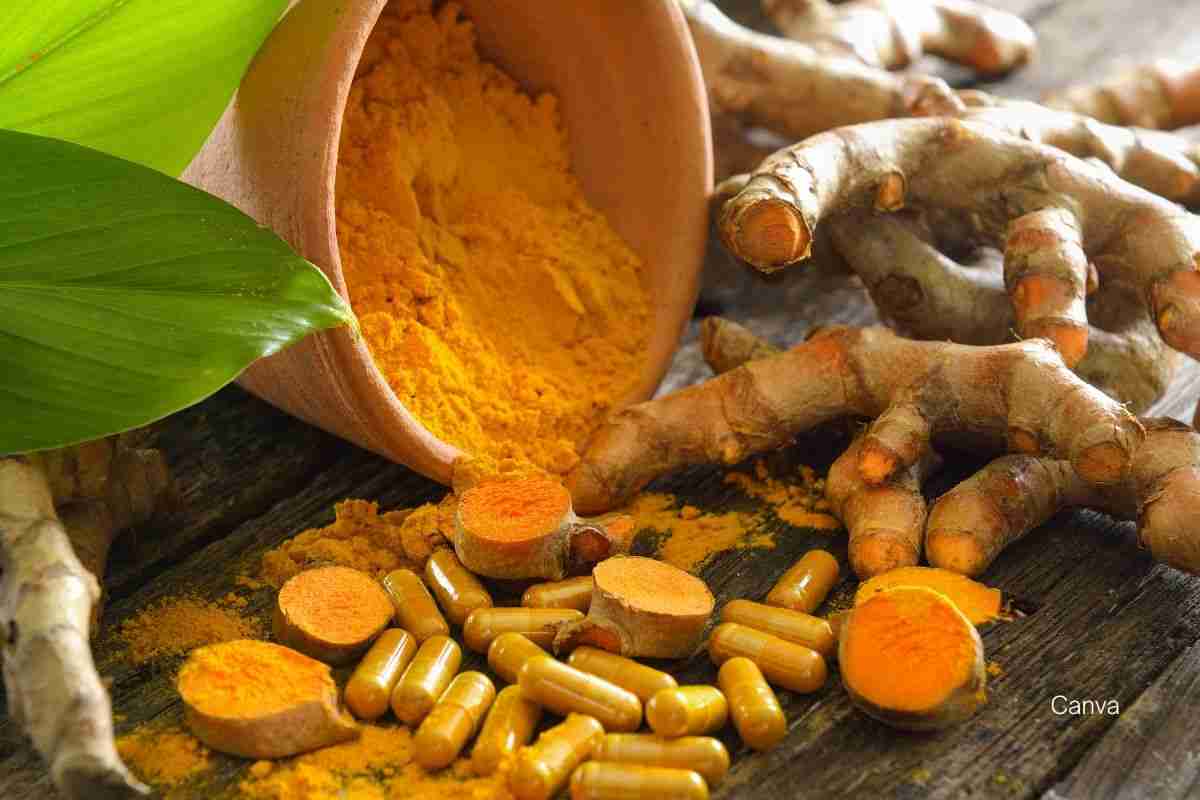
Turmeric Supplements: Worth It or Hype?
Turmeric supplements are everywhere—from wellness aisles to social media ads—but do they actually work? The short answer: they can, if you choose wisely.
These supplements usually pack a potent dose of curcumin, turmeric’s star anti-inflammatory compound, and come in capsules, tablets, or powdered form. Since curcumin makes up only about 2–8% of turmeric by weight, supplements can be a great way to get a more concentrated dose—especially if you’re using turmeric for specific health goals.
But here’s the catch: curcumin isn’t easily absorbed by the body. That’s why quality matters. Look for supplements that include piperine (from black pepper), which boosts absorption by up to 2,000%. Some brands go a step further and use liposomal or nanoparticle technology to help curcumin sneak into your bloodstream more efficiently.
What to look for in a turmeric supplement:
- Standardized curcumin content (ideally 95% curcuminoids)
- Absorption enhancers like black pepper extract (piperine)
- Clean label: no fillers, additives, or weird chemicals
- Third-party testing for purity and potency
That said, supplements aren’t magic pills. They’re not a replacement for eating well, managing stress, and moving your body. And while popping a turmeric capsule is convenient, cooking with turmeric gives you extra perks—like fiber, vitamins, and the full range of compounds that work together in the whole spice.
Pro tip: Always check in with your healthcare provider before adding any supplement to your routine—especially if you’re taking medications or have health conditions.
Bottom line? Turmeric supplements can be a powerful tool in your wellness kit—but only if you choose high-quality products and use them wisely.
Turmeric Side Effects: What You Should Know Before You Go All-In
Yes, turmeric is a wellness rockstar—but like anything powerful, it’s not totally risk-free. While most people can enjoy turmeric in food without any issues, taking it in high doses—especially as a supplement—can cause side effects for some folks.
The most common complaints? Tummy troubles like nausea, bloating, or diarrhea. These are usually linked to large amounts of curcumin from supplements—not your average teaspoon in a curry or smoothie. If you’re trying a supplement for the first time, start low and go slow to see how your body reacts.
And here’s something important: Turmeric can interact with certain medications. It might thin your blood, affect how diabetes medications work, or interfere with drugs that reduce stomach acid. If you’re on any prescriptions—especially for blood pressure, diabetes, or heart health—talk to your doctor before adding turmeric supplements to your routine. Better safe than sorry, right?
Pregnant or breastfeeding? While cooking with turmeric is generally fine, high-dose supplements are usually a no-go unless your healthcare provider gives you the green light. And if you’ve got gallbladder problems or a history of kidney stones, steer clear of large doses—turmeric can make those conditions worse.
Quick Tips for Staying Safe:
- Stick to culinary amounts unless advised otherwise
- Always pair supplements with black pepper for better absorption
- Check with your healthcare provider if you’re taking medications
- Avoid high doses if pregnant, breastfeeding, or managing gallbladder/kidney issues
Turmeric is amazing, but like all good things, balance is key. Use it mindfully and your body will thank you!
Tasty & Healthy Turmeric Recipes You’ll Want to Try
Turmeric isn’t just for curries—it’s a kitchen all-star that brings color, flavor, and wellness benefits to tons of dishes. If you’re looking for tasty ways to work it into your meals, here are a few easy and nourishing ideas:
Turmeric Roasted Veggies
A go-to side that’s anything but boring. Toss your favorite veggies (think carrots, cauliflower, sweet potatoes) with olive oil, turmeric, black pepper, cumin, and paprika. Roast until they’re golden, crispy on the edges, and melt-in-your-mouth tender. It’s bold, beautiful, and perfect with just about any protein.
Cozy Turmeric Lentil Soup
This one’s a hug in a bowl. Red lentils, tomatoes, onions, garlic, turmeric, cumin, and coriander come together in a hearty, comforting soup that’s loaded with protein and fiber. Simmer until it’s silky and fragrant, then finish with a splash of lemon juice and a sprinkle of fresh cilantro. It’s as satisfying as it is soothing.
Turmeric Honey Cookies
Yep, turmeric can do dessert too! These golden cookies are soft, lightly spiced, and naturally sweet. Combine flour, baking soda, turmeric, cinnamon, ginger, and a pinch of salt. Mix with a blend of melted butter, honey, and egg, roll into balls, and bake until just golden. Pair them with tea or coffee for a wellness-approved treat.
Featured Recipes with Turmeric on the Blog
Looking for tasty, practical ways to use turmeric in your kitchen? These delicious, Caribbean-inspired dishes and drinks highlight how versatile this golden spice can be — from stews to juices. Click below to explore each recipe:
Easy Baked Fish with Turmeric
A light and flavorful fish dish with a golden turmeric marinade that packs a punch. Great for weeknight dinners or clean eating goals.
Get the recipe
Apple, Tomato & Carrot Juice (Energy Booster)
This vibrant juice combines fresh fruits and veggies with a pinch of turmeric for an energizing, anti-inflammatory boost.
Make this juice
Anti-Inflammatory Juice with Super Fruits & Veggies
Loaded with nutrient-dense ingredients like pineapple and beets, this immune-loving juice gets an extra boost from turmeric.
Try it now
Coconut Pork and Chickpeas Stew
This hearty, flavorful stew uses turmeric to enhance its warm, comforting flavor — with tender pork, creamy coconut milk, and satisfying chickpeas.
Cook this stew


Turmeric for Skincare: The Golden Secret to Glowing Skin
Turmeric isn’t just a superstar in the kitchen—it’s also a powerhouse in natural skincare. Packed with anti-inflammatory and antioxidant goodness, this golden spice can calm irritated skin, reduce redness, fight breakouts, and even out your complexion. Yup, it’s not just for your curry pot anymore!
One of the most popular (and super easy) ways to use turmeric on your skin is in a DIY face mask. Just mix a bit of turmeric powder with plain yogurt or honey until you get a smooth paste. Slather it on your clean face, let it sit for 10–15 minutes, then rinse with warm water. Voilà—soothed, hydrated, and glowing skin. Want to boost the calming effect? Add a splash of rose water or a little aloe vera gel to the mix.
Turmeric also makes a fabulous addition to homemade body scrubs. Combine turmeric powder with raw sugar or sea salt, coconut oil, and a few drops of your favorite essential oil. Gently massage it onto damp skin in circular motions, then rinse off for skin that feels smooth, fresh, and revived. Perfect for a self-care Sunday (or any day, really).
Whether you’re dealing with acne, dullness, or just want to add a little natural glow to your routine, turmeric has your back. Regular use can help keep your skin healthy and radiant—with zero harsh chemicals required.
Wrapping It Up: Why Turmeric Deserves a Spot in Your Everyday Routine
Turmeric isn’t just hype—it’s the real golden deal when it comes to natural health and wellness. From easing inflammation and boosting brain function to supporting digestion and glowing skin, this powerful spice brings a lot to the table (and your medicine cabinet).
It’s been used for centuries across cultures, not just for flavor, but for healing and vitality. Whether you’re stirring it into golden milk, sprinkling it on veggies, adding it to your supplement stack, or whipping up a DIY face mask, turmeric offers simple, science-backed ways to support your well-being.
Just remember: more isn’t always better. Be mindful of how your body responds and chat with a healthcare provider if you’re thinking of going big with supplements—especially if you’re on meds or have health concerns.
So go ahead—get creative and explore turmeric’s many uses. This humble root might just be the golden boost your body and skin have been waiting for. Here’s to glowing from the inside out!
References & Resources
- National Center for Complementary and Integrative Health (NCCIH)
Turmeric
https://www.nccih.nih.gov/health/turmeric - National Institutes of Health (NIH) – PubMed
Curcumin: A Review of Its’ Effects on Human Health
https://www.ncbi.nlm.nih.gov/pmc/articles/PMC5664031/ - Harvard Health Publishing – Harvard Medical School
The Truth about Turmeric and Your Health
https://www.health.harvard.edu/staying-healthy/turmeric-curcumin-and-health - Cleveland Clinic
Turmeric: Is It Good for You?
https://health.clevelandclinic.org/turmeric-benefits/ - WebMD
Health Benefits of Turmeric
https://www.webmd.com/diet/ss/slideshow-turmeric-overview - Healthline
10 Proven Health Benefits of Turmeric and Curcumin
https://www.healthline.com/nutrition/top-10-evidence-based-health-benefits-of-turmeric - Medical News Today
What are the health benefits of turmeric?
https://www.medicalnewstoday.com/articles/318405 - The Spruce Eats
What Is Turmeric and How Is It Used?
https://www.thespruceeats.com/what-is-turmeric-1328454 - Journal of Medicinal Food
Turmeric and Curcumin: Biological Actions and Medicinal Applications
https://www.liebertpub.com/doi/abs/10.1089/jmf.2008.0099 - World Health Organization (WHO)
WHO Monographs on Selected Medicinal Plants – Volume 2: Curcuma longa (Turmeric)
https://apps.who.int/iris/handle/10665/42052