4 Delicious Ways to Cook With Hibiscus Flowers This Holiday Season
Are you looking for ways to cook with Hibiscus Flowers? This holiday season, move over cranberry—there’s a new ruby-red star in town. If you’re looking to add a vibrant pop of color and a sophisticated, tangy flavor to your festive spread, look no further than dried hibiscus flowers (also known as Flor de Jamaica or Sorrel).
Hibiscus offers a unique profile that is both floral and tart, making it incredibly versatile for everything from the first toast of the night to the final dessert. Here are four delicious ways to infuse your holiday menu with the magic of hibiscus.

Where to Buy: Sourcing the Best Hibiscus
Not all hibiscus is created equal. For cooking and syrups, you want culinary-grade dried hibiscus calyces (the part of the plant that remains after the petals fall off).
Where to Look
- International Markets: Your best bet for high-quality, bulk hibiscus is a Latin American market (look for Flor de Jamaica) or a Caribbean grocer (look for Sorrel).
- The Tea Aisle: Most health food stores and well-stocked supermarkets carry dried hibiscus in the herbal tea section.
- Online Specialty Shops: For consistent quality, brands such as Mountain Rose Herbs, Frontier Co-op, and Anthony’s Goods offer organic, culinary-grade flowers. Don’t forget to check Amazon.com.
The Quality Checklist
- Color: Look for deep burgundy or dark ruby-red hues. Pale pink or brown flowers are often old and have lost their potency.
- Texture: The flowers should be pliable or slightly brittle, but never soft or damp (which indicates moisture/mold risk).
- Whole vs. Cut: Whenever possible, buy whole calyces. They retain their flavor longer than “cut and sifted” versions and are easier to strain.
Expert Tips for Cooking With Hibiscus
Hibiscus is potent and acidic. Follow these rules to ensure your recipes are bright and balanced, never bitter.
- Steep Low and Slow: Excessive heat is the enemy. Boiling hibiscus for too long releases tannins that create a medicinal, bitter aftertaste. Bring your water to a simmer, remove from the heat, and then add the flowers to steep.
- Strain (and Double Strain): Hibiscus petals are fibrous and release tiny particles. Use a fine-mesh sieve, and for a crystal-clear syrup, line it with cheesecloth.
- Sweeten to Taste: Hibiscus is naturally as tart as a lime or cranberry. Always balance it with sugar, honey, or agave.
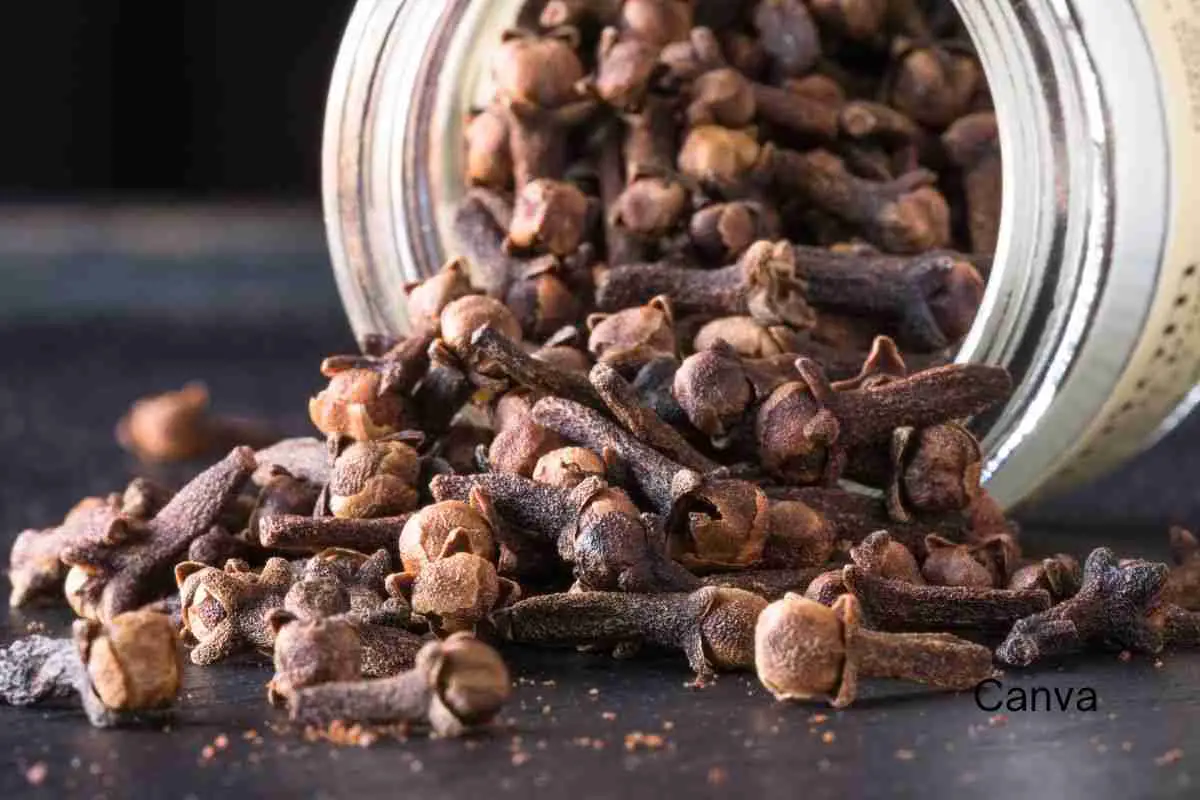
- Experiment with Spices: Hibiscus pairs well with warm holiday flavors. Always try steeping yours with a cinnamon stick, star anise, cloves, or fresh ginger.
- Watch the Stains: Hibiscus is a powerful natural dye. It will instantly stain wooden boards and white countertops, so handle it with care. You can clean stains with Clorox wipes or a solution of vinegar, salt, or baking soda.
The Foundation: Hibiscus Simple Syrup
Most of these recipes start with a concentrated syrup. It’s easy to make and keeps in the fridge for up to three weeks. Here’s the recipe to get you started on your hibiscus festive holiday.

Are you ready?
1. The Signature Sip: Sparkling Hibiscus & Rosemary Cocktail
Start your holiday party with a drink that looks like a liquid jewel. The deep red of the hibiscus against a green rosemary sprig is the definition of “festive.”
- The Build: Add 1 ounce of your hibiscus syrup to a champagne flute.
- The Bubbles: Top with chilled Prosecco, Champagne, or sparkling cider for a mocktail version.
- The Finish: Add a squeeze of fresh lime and a sprig of fresh rosemary. The piney scent of rosemary perfectly complements the flower’s tartness.
2. The Showstopper: Multi-Purpose Hibiscus Glaze
This is the ultimate secret weapon for your holiday roast. Because hibiscus is naturally acidic (much like citrus or vinegar), it cuts through the richness of meats beautifully.
You can use a thickened version of your hibiscus syrup to create a glossy finish for:
- The Holiday Turkey: Brush the glaze over the bird during the last 30 minutes of roasting for a stunning, mahogany-red skin.
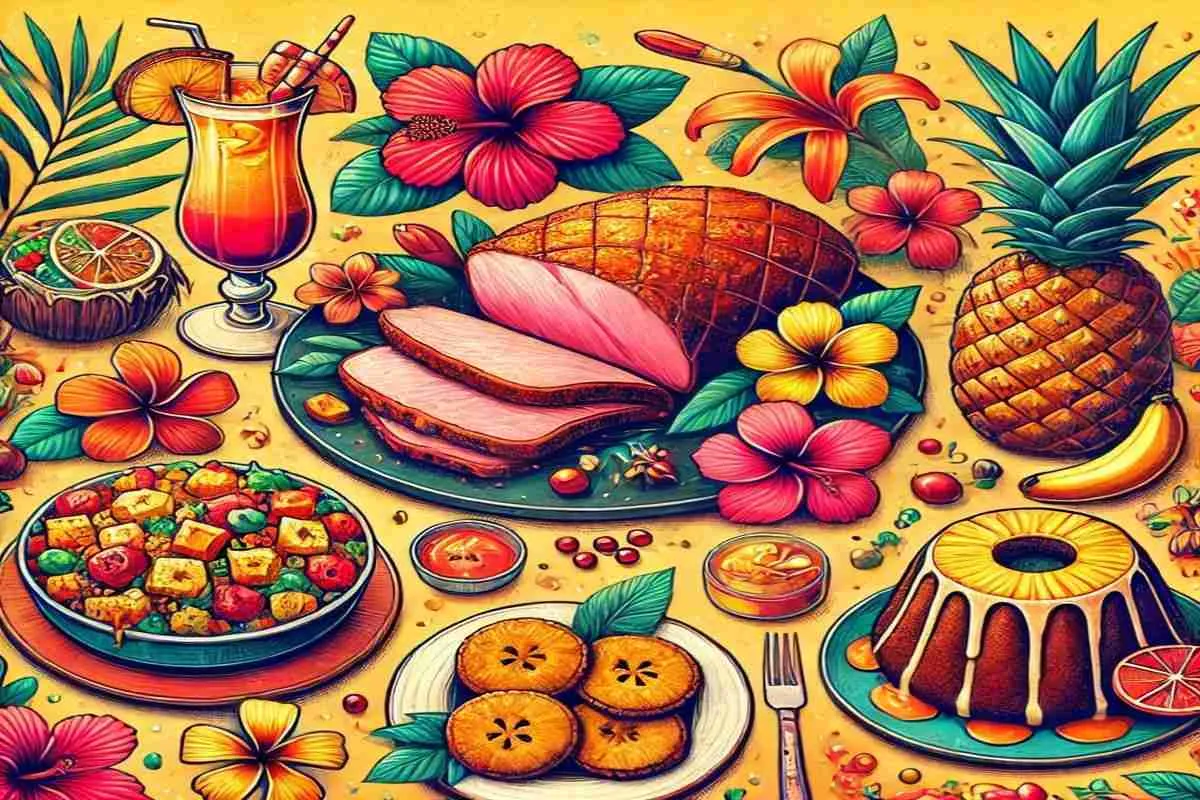
- Holiday Ham: The floral tartness is a sophisticated upgrade from the traditional pineapple or honey glaze.
- Roasted Chicken: Even a simple Sunday roast becomes a holiday event with this vibrant drizzle. (The perfect Hibiscus glaze for poultry.)
Pro Tip: To turn your syrup into a glaze, simmer it on low heat with a splash of balsamic vinegar and a pinch of salt until it coats the back of a spoon.

3. The Modern Side: Hibiscus-Cranberry Relish
Give the traditional cranberry sauce a floral facelift. Hibiscus enhances the natural tartness of cranberries while adding a deeper complexity that guests won’t quite be able to put their finger on, but will definitely love.
Replace half of the liquid in your favorite cranberry sauce recipe with a strong-brewed hibiscus tea. Add a pinch of cinnamon and some orange zest to tie the flavors together. It’s the perfect companion to stuffing and mashed potatoes.
4. The Authentic Treat: Haitian Bonbon Amidon with Hibiscus Glaze
For a truly unique dessert, look to the Caribbean. Bonbon Amidon are traditional Haitian starch cookies (often made with cassava or cornstarch) known for their delicate, melt-in-your-mouth texture.
While these cookies are usually enjoyed plain, drizzling them with a Hibiscus Glaze takes them to a gourmet level. The bright, tangy icing seeps slightly into the crumbly cookie, creating a perfect balance of sweetness and acidity. It’s a beautiful way to honor tradition while adding a modern, colorful twist to your holiday cookie platter.
Final Thoughts
Hibiscus isn’t just for summer teas, it is a powerhouse ingredient that brings acidity, sweetness, and incredible color to the winter table. Whether you’re glazing a turkey or topping a batch of Bonbon Amidon, this “cranberry of the tropics” is sure to be the talk of your holiday dinner.
Which of these recipes are you most excited to try? If you make the hibiscus glaze for your poultry, I’d love to hear how it turned out in the comments below!