What is Cassareep? Discover the Flavorful Heart of Guyanese Cuisine
Cassareep isn’t just a sauce—it’s the soul of Guyanese pepperpot and a piece of culinary heritage. Made from bitter cassava, this rich, molasses-like syrup holds deep cultural and culinary significance across the Caribbean. Let’s explore how it’s made, used, and why it deserves a spot in your kitchen.
What is Cassareep?
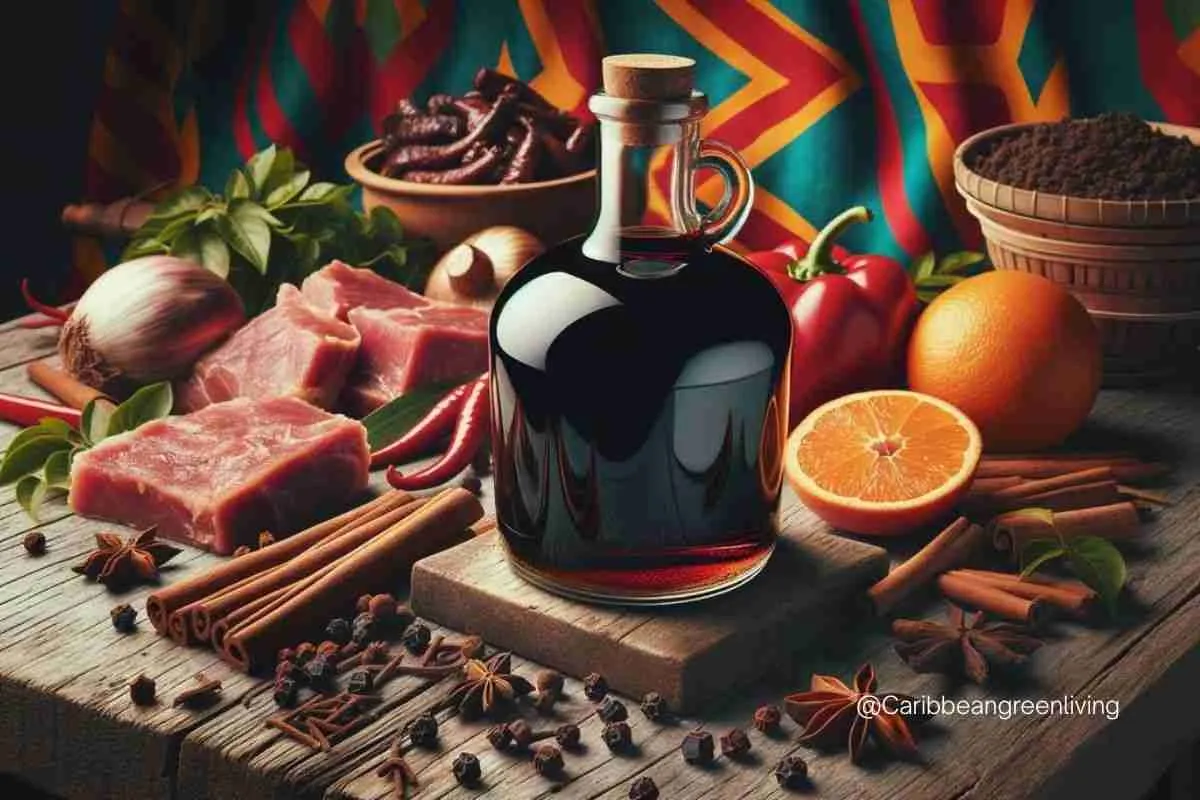
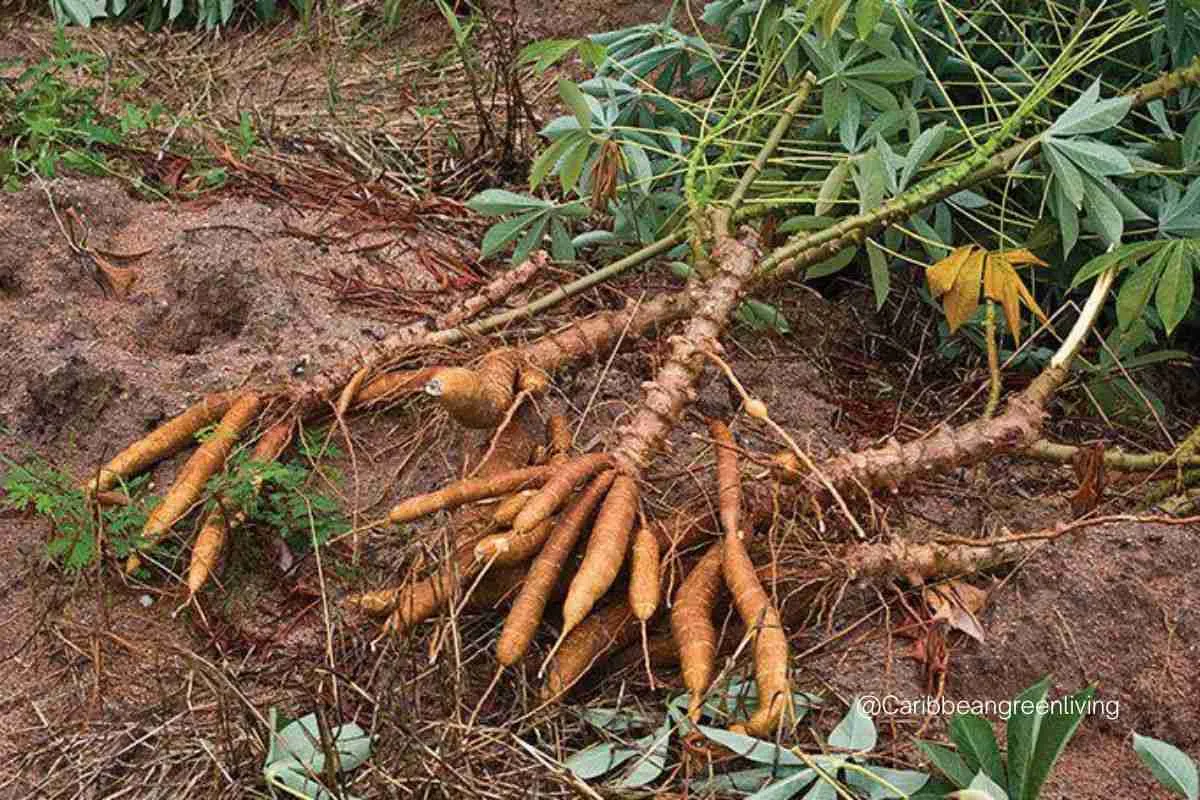
Cassareep is a thick, dark, flavorful syrup made from the juice of bitter cassava root. First developed by the Indigenous Amerindian people of Guyana, the juice is extracted, then boiled with sugar, cinnamon, and cloves until it thickens and caramelizes. The result? A slightly sweet, deeply earthy condiment reminiscent of molasses—but with its own unique kick.
Why the Boiling Process Matters
Raw cassava juice contains cyanogenic compounds (a form of natural cyanide). Boiling for an extended time neutralizes these toxins, making cassareep not just flavorful, but safe to eat.
Culinary Uses of Cassareep
A Key Ingredient in Guyanese Pepperpot
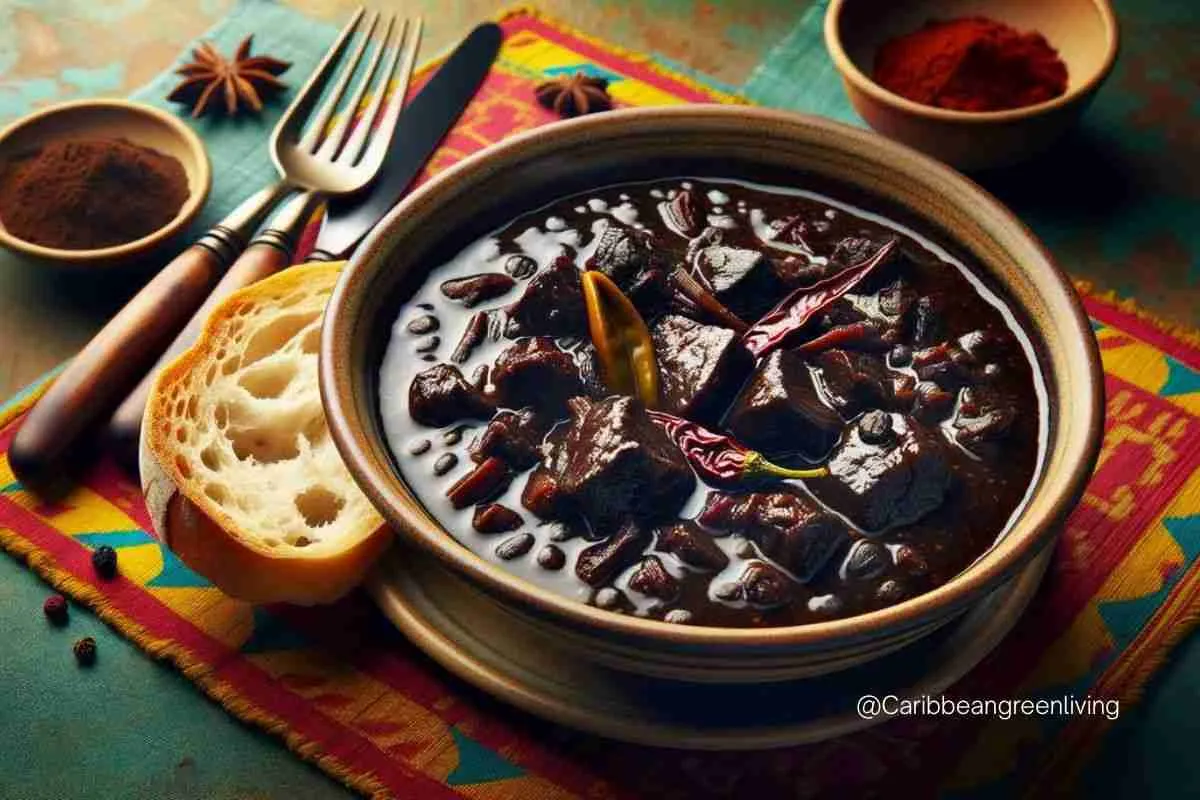
Cassareep is the star of pepperpot, a beloved Guyanese stew often served during holidays. It adds color, deep flavor, and—uniquely—a natural preservative effect. Pepperpot can sit unrefrigerated for days, and the flavors only get better.
Other Caribbean Uses
- Trinidadian Pelau – Used instead of burnt sugar for a more complex flavor.
- Brown Stewed Chicken – Adds rich color and depth.
- Christmas Fruitcake – Gives the cake its iconic dark hue and rich, spiced notes.
- Glazes and Marinades – Pairs beautifully with grilled meats, especially lamb or pork.
Recipes Featuring Cassareep
Traditional Guyanese Pepperpot
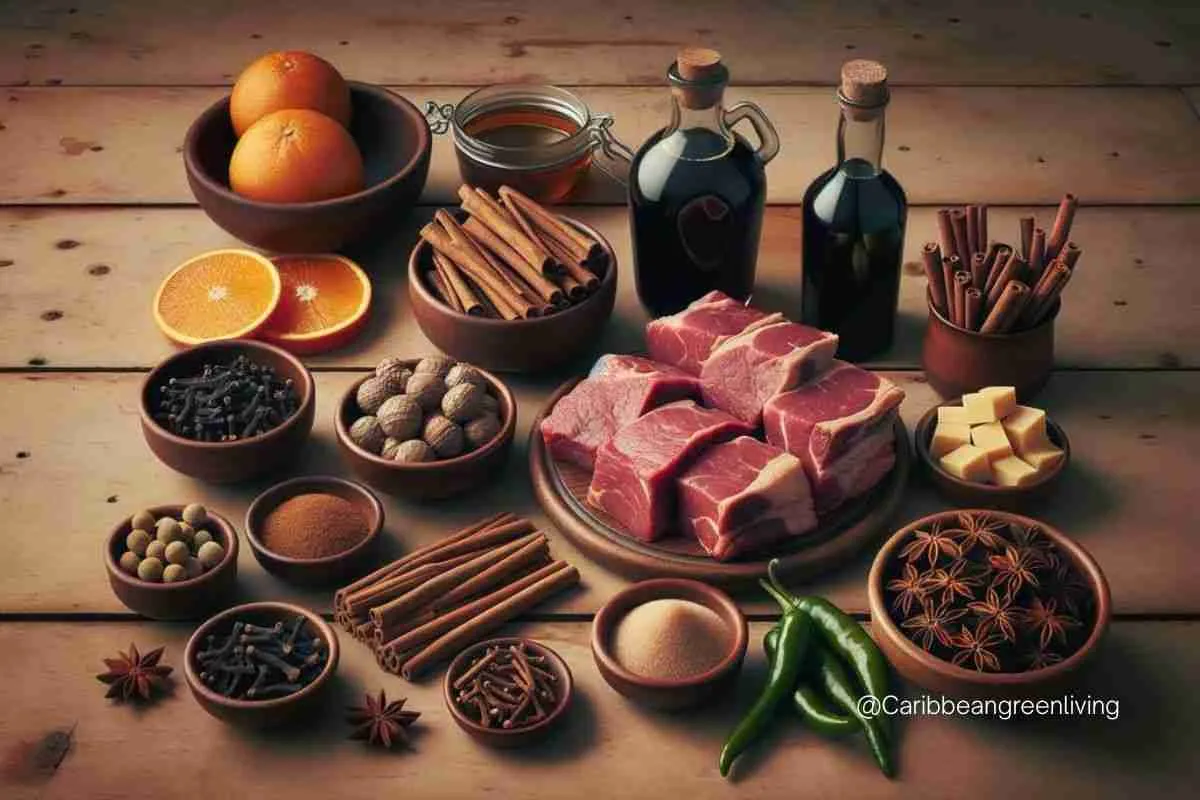
Ingredients:
- 3 lbs mixed meats (beef, pork, lamb, or goat)
- 1 cup cassareep
- 4–5 cinnamon sticks
- 6–8 cloves
- 1–2 wiri wiri peppers (or habanero)
- ½–¾ cup brown sugar
- 1½ tsp salt
- 1½ inch strip of orange peel
- 16 cups of water
Instructions:
- Steam meat briefly to remove excess fat.
- Combine all ingredients in a large pot.
- Simmer until the meat is tender and the broth is thick.
- Let rest overnight to deepen flavor.
Recipe Note:
The recipes and cooking instructions shared in this post are for informational and cultural purposes. They have not been personally tested in our kitchen. If you’re trying cassareep for the first time or preparing a traditional dish like Pepperpot, we recommend starting with small batches and adjusting ingredients to your taste. Always follow proper food safety practices—especially when handling raw cassava or unfamiliar ingredients.
Variations
- Try hearty veggies like eggplant or mushrooms for a vegetarian spin.
- Adjust spice levels with more or fewer peppers.
- Add onions or garlic for extra dimension.
How to Cook with Cassareep
Tips for Success:
- Start small—cassareep is bold!
- Use in slow-cooked dishes to maximize its preservative qualities.
- Pair with ingredients like citrus or ginger for contrast.
- Use as a secret ingredient in marinades and sauces.
Where to Buy Cassareep
Cassareep is available at:
- West Indian/Caribbean grocery stores
- Online retailers like Amazon or Caribbean food shops
What to Look For:
- Dark, syrupy consistency
- Aromas of burnt sugar, cloves, and molasses
- Label indicating it’s made from bitter cassava (not sweet cassava)
Storing Cassareep
To maintain quality:
- Store in an airtight glass container
- Keep in a cool, dark pantry
- Use within a few months for the best flavor, though it lasts longer due to natural preservatives.
Making Cassareep at Home (Advanced!)
You’ll Need:
- Bitter cassava roots
- Brown sugar
- Cinnamon sticks & cloves
- Grater or food processor
- Cheesecloth
- Large pot and consistent heat
Steps:
- Peel and grate cassava.
- Strain juice through cheesecloth.
- Boil juice with sugar, cinnamon, and cloves for hours.
- Stir often and monitor heat until thick and syrupy.
Safety Note:
Only attempt this with proper cassava and ventilation—cassava’s natural toxins must be completely neutralized through boiling.
Frequently Asked Questions About Cassareep
1. What is cassareep made of?
Cassareep is made from the juice of bitter cassava root that’s been grated, pressed, and then boiled down with brown sugar, cinnamon, and cloves until it becomes a thick, dark syrup. It’s traditionally used in Guyanese cooking, especially in pepperpot.
2. Is cassareep safe to eat?
Yes—as long as it’s properly prepared. Raw bitter cassava contains cyanide compounds, but the boiling process neutralizes the toxins. Always buy cassareep from reputable brands or follow a trusted recipe if making it at home.
3. What does cassareep taste like?
It has a rich, slightly bitter and sweet flavor, similar to molasses, but more complex due to the addition of warm spices like clove and cinnamon. It also carries a subtle smokiness and earthy undertone.
4. How is cassareep used in cooking?
Cassareep is most famously used in Guyanese pepperpot, but it also adds depth to:
- Brown stews
- Trinidadian pelau
- Christmas black cake
- Marinades for meat
- Slow-cooked dishes like oxtail or lamb shanks
5. Can I make cassareep at home?
Technically, yes, but it’s not for the faint of heart. You’ll need access to bitter cassava, knowledge of cassava safety precautions, and several hours for boiling. Most people prefer to buy it premade due to the complexity and safety concerns.
6. Where can I buy cassareep?
You can find it at Caribbean grocery stores, West Indian markets, or online through retailers like Amazon. Look for brands that source directly from Guyana and contain minimal additives.
7. How long does cassareep last?
Thanks to its natural preservative properties, cassareep can last for months when stored in an airtight container in a cool, dark pantry. For best quality, use within 6 months of opening.
8. Is cassareep gluten-free or vegan?
Yes! Cassareep is naturally gluten-free and vegan, as it’s made entirely from cassava juice, sugar, and spices. Just check the label to be sure there are no added preservatives or flavorings if you’re sensitive.
9. What can I use as a substitute for cassareep?
While nothing is exactly like it, a decent DIY alternative could be:
- Molasses + soy sauce + cloves + cinnamon, simmered down for thickness.
- Burnt sugar syrup for color in stews (common in Trinidad).
However, no substitute will fully replicate the preservation power of true cassareep.
10. Why is cassareep considered a preservative?
Cassareep’s high sugar content, acidity, and spice blend create a natural environment that prevents bacterial growth. That’s why dishes like pepperpot can sit at room temperature for days—though modern cooks still refrigerate just to be safe!
Why Cassareep Matters
Cassareep is more than an ingredient—it’s tradition in a bottle. Whether you’re making authentic Guyanese pepperpot or riffing on classic Caribbean recipes, this syrup ties you to centuries of culinary wisdom. Its sweet, bitter, spiced profile and preserving powers make it one of the most fascinating pantry staples in Caribbean cooking.
References
- Eckele A. The Flavor of Guyana: Cassareep and Pepperpot. Caribbean Flavors. 2019.
- Johnson R. Traditional Guyanese Cooking: Techniques and Ingredients. Georgetown Press. 2018.
- Smith L, Brown T. Cassava Processing and Safety in South American Cuisine. Journal of Food Science. 2020.