The Aromatic Secret: The Power of Whole Cloves in Your Cooking and Health
Spice up your cooking and boost your health with the aromatic power of whole cloves. These little gems pack a flavorful punch and offer a myriad of health benefits that might surprise you. From adding depth to your soups and stews to creating deliciously spiced baked goods, cloves are a must-have ingredient in any kitchen.
Whole cloves derived from the Syzygium aromaticum tree’s flower buds are known for their warm and slightly sweet flavor. Each tiny bud bursts with essential oils that infuse dishes with a rich aroma and intense taste. But their benefits go beyond just enhancing the sensory experience of your meals.
Cloves are a nutritional powerhouse, rich in antioxidants and anti-inflammatory compounds. They have been traditionally used in various natural remedies for their potential to boost digestion, relieve toothaches, and even improve blood sugar control.
Research suggests that cloves may also have antimicrobial properties, helping to combat harmful bacteria. So, whether you want to add a flavorful twist to your recipes or harness the potential health benefits, whole cloves are a versatile and extraordinary spice that deserves a place in your culinary repertoire.
A Spicy History: The Allure of Cloves
Cloves, those tiny, aromatic buds, have captivated civilizations for millennia. Their journey from the Spice Islands to global kitchens is a tale as rich and complex as their flavor.
Origins in the Spice Islands
Cloves originated in the Spice Islands, a group of islands now part of Indonesia. These islands were once a closely guarded secret, their location a mystery to much of the world. The islands’ monopoly on spices, including cloves, made them incredibly valuable, fueling exploration and trade routes that shaped global history.
A Spice Worth Its Weight in Gold
The high demand for cloves and the difficulty of accessing the Spice Islands made them a precious commodity. They were often traded for gold, silver, and other valuable goods. The spice trade, driven by the desire for cloves and other spices, led to the rise of powerful empires and the exploration of new lands.
Cultural Significance Around the World
Cloves have held significant cultural and symbolic meanings in various cultures:
- Middle Eastern and Indian Cuisine: Cloves are a key ingredient in many Middle Eastern and Indian dishes, adding warmth and complexity to curries, stews, and desserts.
- Chinese Medicine: In traditional Chinese medicine, cloves are believed to have various health benefits, including pain relief and improved digestion.
- European Traditions: Cloves have been used in European cuisine and medicine for centuries. They are a popular ingredient in Christmas treats like gingerbread and mulled wine.
- Symbolic Use: Cloves have been used in religious ceremonies and rituals, symbolizing purity, love, and good fortune.
Varieties of Cloves
While most people are familiar with the common clove, there are a few varieties:
- Clove Buds: These are the unopened flower buds of the clove tree and are the most commonly used form of clove.
- Clove Stems: The stems of the clove tree can also be used as a spice, although they are less common.
- Clove Leaf: The leaves of the clove tree can be used to make a tea or added to certain dishes.
The next time you savor the warm, spicy flavor of cloves, remember the rich history and cultural significance behind this remarkable spice.
Cloves: A Tiny Spice, Mighty Benefits
While cloves are primarily used for their culinary applications, they also offer a range of potential health benefits. Let’s delve into the specifics.
Antioxidant Powerhouse
Cloves are packed with antioxidants, compounds that help protect cells from damage caused by harmful free radicals. These antioxidants may contribute to various health benefits, such as reducing the risk of chronic diseases like heart disease and cancer.
Anti-inflammatory Properties
Cloves contain compounds with potent anti-inflammatory properties. This can help alleviate inflammation-related conditions, such as arthritis and inflammatory bowel disease.
Natural Remedies
- Soothe Toothaches: Cloves have long been used as a natural remedy for toothaches. The active compound, eugenol, has anesthetic properties that can numb pain.
- Aid Digestion: Cloves can help stimulate digestion and relieve symptoms of indigestion, such as bloating and gas.
- Fresh Breath: The antibacterial properties of cloves can help kill bacteria in the mouth, promoting fresh breath.
Nutritional Value
While cloves are low in calories, they offer a good source of:
- Manganese: Essential for bone health and metabolism
- Fiber: Aids digestion and promotes satiety
A Word of Caution
While cloves offer numerous health benefits, it’s important to consume them in moderation. Excessive consumption may lead to side effects like:
- Mouth irritation: The strong flavor of cloves can irritate the mouth and throat.
- Allergic reactions: Some people may be allergic to cloves.
- Digestive issues: Consuming large amounts of cloves can lead to digestive problems, such as stomach upset and diarrhea.
By incorporating cloves into your diet in moderation, you can enjoy their unique flavor and potential health benefits.
A Flavorful Journey: Culinary Uses of Cloves
Cloves, with their warm, spicy flavor, have been a beloved ingredient in cuisines around the world for centuries. Let’s explore the diverse ways you can incorporate cloves into your culinary creations.
Sweet Delights
- Baked Goods: Cloves are a classic ingredient in holiday treats like gingerbread cookies, pumpkin pie, and fruitcake. They add a warm, spicy note that complements the sweetness of these desserts.
- Puddings and Custards: A pinch of ground cloves can elevate the flavor of puddings and custards, adding depth and complexity.
- Fruit-Based Desserts: Cloves pair beautifully with fruits like apples, pears, and plums. They can be used to flavor compotes, jams, and pies.
Savory Sensations
- Curries and Stews: Cloves are a key ingredient in many Indian and Middle Eastern dishes. They add warmth, depth, and a touch of spice to curries, stews, and soups.
- Pickles and Preserves: Cloves are often used to flavor pickles, chutneys, and relishes. They add a unique, slightly sweet flavor that complements the tanginess of these dishes.
- Meat Dishes: Cloves can be added to marinades and rubs for meat dishes like roasted lamb and beef stews. They help tenderize the meat and add a complex flavor profile.
How to Use Cloves in Cooking
- Whole Cloves: Whole cloves can be added to simmering pots of liquid, such as stocks, soups, and curries. They can also be used to flavor sugar or alcohol.
- Ground Cloves: Ground cloves are a versatile spice that can be added to both sweet and savory dishes. They can be sprinkled over food, mixed into batters and doughs, or added to marinades and rubs.
- Clove Oil: Clove oil is a concentrated form of clove flavor that can be used to flavor food or as a natural remedy.

Selecting, Storing, and Grinding Cloves: A Guide
Selecting High-Quality Cloves
When purchasing whole cloves, look for the following qualities:
- Color: Cloves should be a deep, reddish-brown color. Avoid cloves that are pale or discolored.
- Aroma: High-quality cloves have a strong, pungent aroma.
- Texture: The cloves should be firm and dry. Avoid cloves that are soft or moldy.
Storing Cloves
Proper storage is crucial to preserving the flavor and aroma of cloves. Here are some tips:
- Airtight Container: Store whole cloves in an airtight container, such as a glass jar with a tight-fitting lid.
- Cool, Dark Place: Keep the container in a cool, dark place, away from direct sunlight and heat.
- Away from Strong-Smelling Foods: Strong-smelling foods can transfer their odors to cloves, so store them separately.
Grinding Cloves
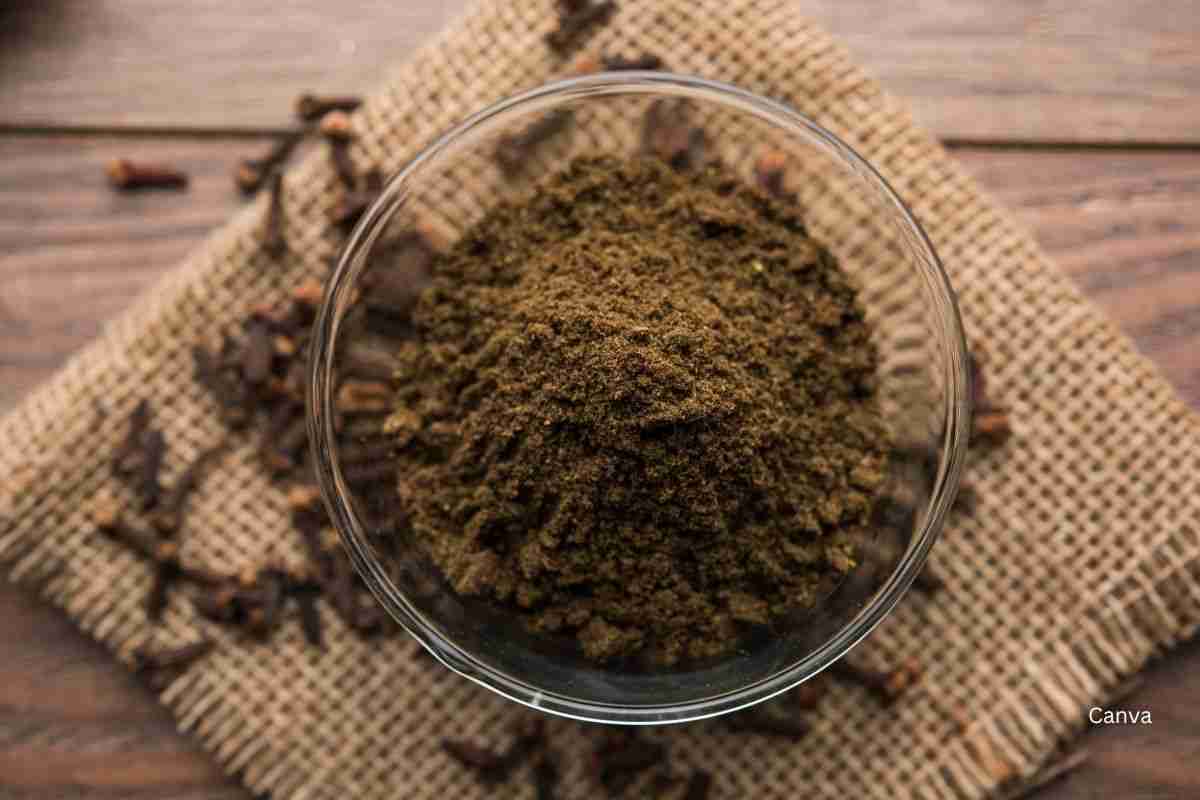
You can grind whole cloves into a fine powder using a mortar and pestle or a spice grinder. Here’s how:
Using a Mortar and Pestle:
- Place the whole cloves in the mortar.
- Using a pestle, grind the cloves with a circular motion, gradually increasing pressure until the desired consistency is reached.
- For a finer powder, sift the ground cloves through a fine-mesh sieve.
Using a Spice Grinder:
- Place the whole cloves in the spice grinder.
- Pulse the grinder until the cloves are ground to your desired consistency.
Once ground, store the clove powder in an airtight container in a cool, dark place.
Beyond the Kitchen: Creative Uses for Cloves
Cloves aren’t just for cooking. Their aromatic properties and potential health benefits make them versatile ingredients for a variety of creative uses.
Aromatic Delights
- Potpourri: Add a few whole cloves to your potpourri for a warm, spicy scent that can freshen up any room.
- Homemade Air Freshener: Combine whole cloves with other aromatic ingredients like cinnamon sticks and orange peels. Place them in a small bowl or sachet and disperse them throughout your home.
Natural Remedies
- Toothache Relief: Create a clove oil by crushing a few cloves and extracting the oil. Apply a small amount directly to the affected tooth.
- Insect Repellent: The strong scent of cloves can deter insects. Make a simple insect repellent spray by combining clove oil with water and a carrier oil like coconut oil.
DIY Projects
- Clove-Infused Oil:
- Fill a clean glass jar with whole cloves.
- Pour a high-quality carrier oil, such as olive or almond oil, over the cloves.
- Seal the jar tightly and let it sit in a cool, dark place for several weeks.
- Strain the oil to remove the cloves. This clove-infused oil can be used for massage, as a natural fragrance, or to add flavor to dishes.
- Clove-Infused Sugar:
- Combine sugar with whole cloves in a jar.
- Let the mixture sit for a few days, allowing the sugar to absorb the clove flavor.
- Strain the cloves and use the clove-infused sugar for baking, cocktails, or as a sweet topping.
With a little creativity, you can discover endless ways to enjoy the versatile benefits of cloves.

Potential Side Effects and Precautions of Whole Cloves
While cloves offer numerous health benefits, it’s important to consume them in moderation and be aware of potential side effects.
Potential Side Effects:
- Mouth Irritation: Excessive consumption of cloves can irritate the mouth and throat.
- Allergic Reactions: Some individuals may be allergic to cloves, experiencing symptoms such as skin rash, itching, or difficulty breathing.
- Digestive Issues: Consuming large amounts of cloves can lead to digestive problems, such as stomach upset and diarrhea.
Precautions:
- Consult a Healthcare Professional: If you are pregnant, breastfeeding, or have any underlying health conditions, it’s advisable to consult with a healthcare professional before consuming cloves.
- Moderation is Key: While cloves offer many benefits, it’s important to consume them in moderation. Excessive intake can lead to side effects.
- Avoid Direct Application: Avoid applying clove oil directly to the skin, as it can irritate the skin. Dilute it with a carrier oil before use.
By following these precautions and consuming cloves in moderation, you can safely enjoy the benefits of this versatile spice.
Embracing the Versatility of Whole Cloves
Cloves, with their distinctive aroma and flavor, have captured the hearts and palates of people around the world for centuries. From their humble beginnings as a prized spice to their modern-day culinary and medicinal uses, cloves continue to enchant.
By understanding their rich history, potential health benefits, and diverse culinary applications, we can fully appreciate the versatility of whole cloves. Whether you’re adding them to a warm cup of tea, a savory stew, or a sweet dessert, cloves are sure to elevate your culinary experiences.
So, the next time you encounter whole cloves, embrace their potential and embark on a flavorful journey.
Source: