Haitian Épis Recipe: How to Make the Essential Green Seasoning (Zepis)
If you’ve ever had authentic Haitian food, you know its unforgettable flavor comes from one place: Épis (pronounced eh-peace), also known as Zepis or Green Seasoning. It is the absolute foundation of Haitian cooking: a vibrant, aromatic paste used to marinate meats, flavor rice, and serve as the base for every stew.
Haitian Épis (pronounced “eh-peace” and sometimes spelled zepis) is the vibrant, fresh seasoning base and marinade that forms the backbone of nearly all savory Haitian cuisine. This versatile, flavorful paste is made by blending fresh herbs—primarily parsley and thyme—with aromatic vegetables such as garlic, onions, bell peppers, and celery, and often a touch of citrus and spice. Used for seasoning meats, seafood, rice, and stews, Épis is known for its bold, complex flavor profile, which sets it apart from other Caribbean green seasonings and Latin sofritos.
Epis is traditionally made in a mortar and pestle, but can also be made in a food processor. Once it is made, epis can be stored in the refrigerator for up to a month, depending on your cooking needs.
Epis is used in a variety of dishes, including soups, stews, rice dishes, and marinades. It can also be used as a dipping sauce or a condiment.
What is Épis?
(For a complete cultural history and guide, check out our article: What Is Haitian Épis Seasoning?)
In short, Épis is a versatile, bold blend of fresh herbs, garlic, peppers, and aromatics, essentially functioning as the Haitian equivalent of a sofrito or pesto. Making it fresh at home is the key to unlocking the deepest, most authentic flavors for your cooking. This recipe is simple, fast, and will stock your refrigerator with flavor for weeks.
Making epis will change the way you cook.
It is time to elevate your cooking game with Haitian Epis. A versatile Green Seasoning Blend for seasoning poultry, meat, seafood, stews, bean purees, and even grain dishes.
If you’re a foodie looking to take your cooking game to the next level, then Haitian Epis is something you need to add to your culinary arsenal. This vibrant, versatile green seasoning blend is a staple of Haitian cuisine, used to flavor everything from stews and soups to rice and beans.
Its bold flavor profile and aromatic blend of herbs and spices can take your dishes from basic to brilliant with just a few spoonfuls. Not only does it add a delicious kick to your dishes, but it also has some impressive health benefits.
Haitian Epis is a game-changer for me as a food allergy sufferer. Not only can I create the delicious flavors I crave, but I can also make meals without worrying about sacrificing the ones I cannot have. In this guide, we’ll take a closer look at Haitian Epis, its history, the ingredients used to make it, and how to use it to elevate your cooking game. So, get ready to unleash your inner chef and add some Haitian flair to your cooking with this amazing seasoning blend.

History and Significance of Haitian Epis
Haitian Epis is a traditional green seasoning blend used in Haitian cuisine for generations. It is a crucial ingredient in many Haitian dishes and the backbone of Haitian cooking. The word “epis” means “seasoning” in Haitian Creole, and the blend typically includes a variety of herbs and spices, such as parsley, garlic, onions, thyme, and scallions. Haitian Epis is also known for its vibrant green color, which comes from the use of fresh herbs.
The origins of Haitian Epis are not entirely clear, but it is believed to have been influenced by the cooking styles of West Africa, France, and Spain. The seasoning blend has become an integral part of Haitian culture and is often passed down from generation to generation as a family recipe. Haitian Epis also symbolizes Haitian identity and connects Haitian people living in different parts of the world.
Herbs & Aromatics (Required Base)
- 2 cups Fresh Parsley (leaves and stalks, chopped): Use flat or curly parsley; dried will not work.
- 12 Garlic Cloves: Use only fresh garlic; powdered garlic or store-bought puree is not an option.
- 1 large Onion (white or yellow, chopped): Red or purple onion also works.
- 6 sprigs Fresh Thyme: Use leaves with thin/soft branches; remove woody stalks.
- 5 Scallions (sliced): Use the entire green and white part.
Flavor & Spice (Optional)
- 2–3 Shallots (chopped)
- 5 tbsp Chives (or a small bunch, chopped): If chives are unavailable, use more scallions.
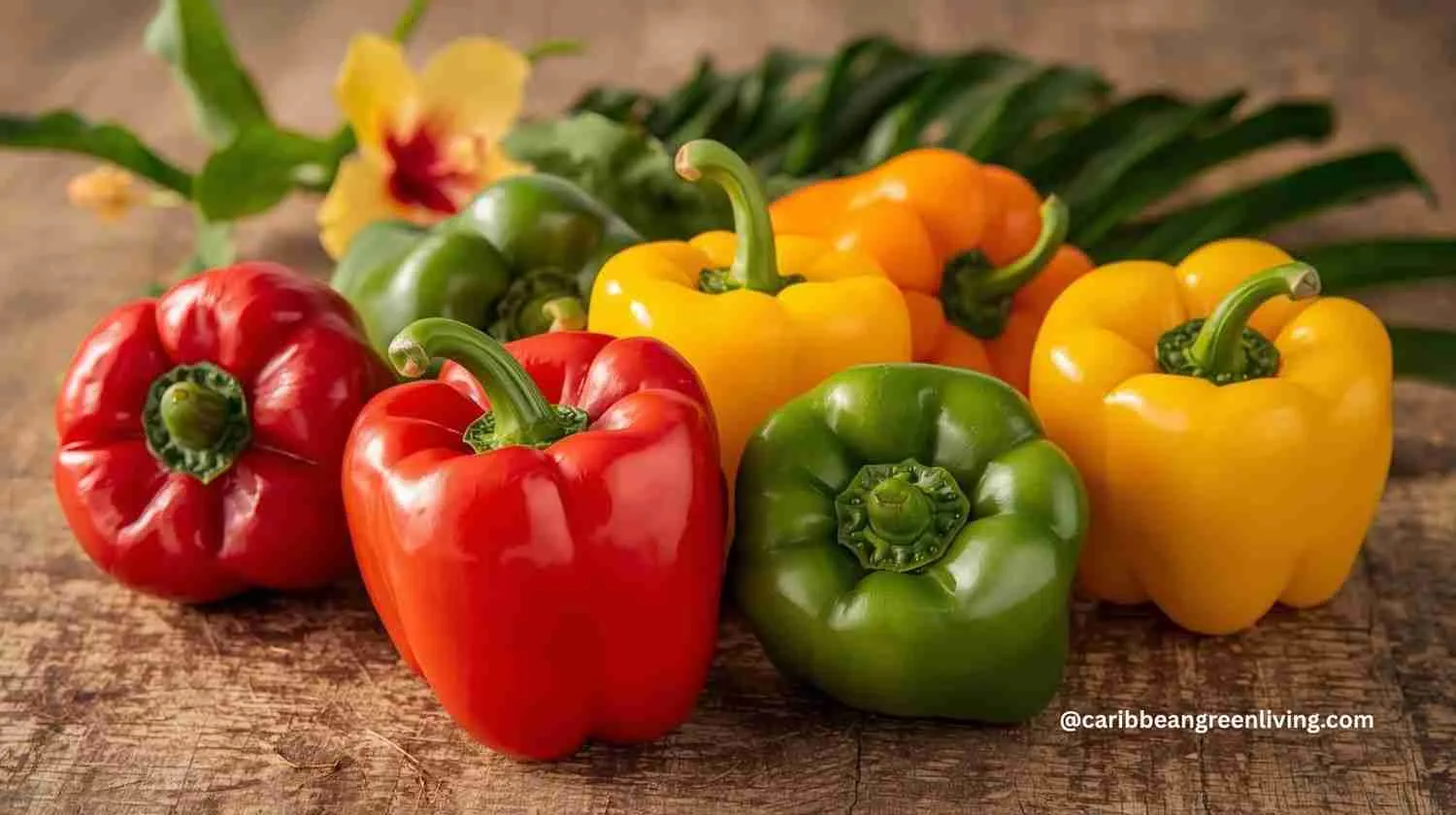
- 2 medium Bell Peppers (1 red, 1 green, chopped)
- 1–2 Celery Stalks
- 1 Leek (finely chopped): Use the soft part only.
- 1 Habanero or Scotch Bonnet Pepper (seeded): Remove all seeds for subtle heat, or leave some for more intensity.
- 6 Whole Cloves: Essential for the traditional Épis flavor.
- 1 tbsp Black Peppercorn (or ground black pepper): To taste.
- Chicken Bouillon Seasoning or Maggi Cubes: Use sparingly, as this adds salt.
Liquids & Oil
- ⅓ or ¼ cup Apple Cider Vinegar or White Vinegar OR Fresh Lemon Juice: Lemon juice is often preferred for a balanced taste. Start with less liquid.
- Olive Oil: Optional. Olive oil is better than vegetable or canola oil. Coconut oil is not recommended.
- Salt: To taste, optional.
Pro Tips for the Best Épis
Storage & Longevity
- Refrigeration: Épis can last 1–2 months, refrigerated in a glass jar.
- Freezing (Highly Recommended): For long-term storage, freezing is the best option. Pour the mixture into ice cube trays and once frozen, transfer the cubes to a freezer-safe bag. This provides perfect, pre-portioned amounts for cooking.
Texture and Flavor Balance
- Texture: If using a blender, be mindful of over-processing; you want a thick paste, not a watery liquid. If the mix is struggling, stop and add a little more liquid (vinegar/lemon) or oil, or try blending in smaller batches.
- Acid: Use good-quality white wine vinegar or apple cider vinegar. However, many prefer fresh lemon juice as it balances the taste of the fresh herbs better than vinegar.
- Liquefying: If you need a runnier paste for certain marinades, you can use coconut aminos or soy sauce instead of water to liquefy it more while still adding flavor.
Seasoning Considerations
- Salt & Bouillon: If you add Maggi cubes, chicken bouillon cubes, or salt, ensure you do not add too much. You want the option to add a separate dried seasoning blend (like Cajun or Adobo seasoning) later, when you are cooking your actual dish.
- Heat Control: The habanero or scotch bonnet pepper is optional. If you want a quick way to add more flavorful heat, a tablespoon of a good-quality hot sauce to the blend is also a great option.

Equipment and tools needed
- Mason Jar
- Mortar and Pestle, optional if not using a blender or food processor
- Blender
- Bowl
- Knife
- Cutting Board
How to use Haitian Epis in cooking
Haitian Epis is incredibly versatile and can be used in a variety of dishes to add flavor and depth. It can be used as a marinade for meats, as a seasoning for soups and stews, or as a condiment to add a kick to rice and beans. It is also a great way to season your Haitian Endui. Haitian Epis is also a great way to add a burst of flavor to sautéed and stewed vegetables, as well as salad dressings or vinaigrettes.
To use Haitian Epis in Haitian recipes, add a spoonful or two to your dish and mix it well. You can adjust the Haitian Epis amount based on your taste preferences. It’s best to use Haitian Epis sparingly at first, until you get a feel for how much you like using it.
Benefits of using Haitian Epis in cooking
Here are some of the benefits of using Haitian Epis:
- It adds a lot of flavor to dishes.
- It is a versatile seasoning that can be used in a variety of dishes.
- It is a healthy seasoning that is made with fresh ingredients.
- It is a relatively easy seasoning to make.
If you want to add a bit of extra flavor to your dishes, I recommend trying Haitian Epis. It is a delicious and versatile seasoning that can be used in many ways.
It works for me! Meal planning is definitely a breeze. And because it helps create exotic flavors for my dishes, I don’t miss eating corn or any other foods I am allergic to.
Not only does Haitian Epis add delicious flavor to your dishes, but it also offers impressive health benefits. Many herbs and spices used in Haitian Epis are rich in antioxidants, which can help reduce inflammation and protect against chronic diseases. Garlic, for example, has been shown to have antibacterial and antiviral properties, while parsley is high in vitamin C and can help to support a healthy immune system.
Using Haitian Epis in your cooking is also a great way to add flavor without adding many extra calories or sodium. Many store-bought seasoning blends can be high in salt and other additives, but homemade Haitian Epis is made with natural, whole ingredients.

Popular Haitian dishes that use Haitian Epis
Haitian Epis is used in many traditional Haitian dishes, including:
– Griot (fried pork)
– Tasso (fried beef)
– Legume (vegetable stew)
– Soup Joumou (pumpkin soup)
These dishes are often served at special occasions and celebrations, such as weddings and holidays, and are also part of our weekly meals. Haitian Epis is a key ingredient in these dishes, giving them their unique flavor and aroma.
Variations of Haitian Epis for different tastes
While the basic recipe for Haitian Epis is delicious on its own, there are many variations you can try to suit your personal taste. Some people like adding extra heat to their Haitian Epis by including more peppers, while others might prefer adding sweetness with bell peppers and leeks.
You can also experiment with different herbs and spices to create your own unique blend. For example, sage, tarragon, and rosemary are great options. You could add fresh ginger or lemongrass to your Haitian Epis for a citrusy twist. The possibilities are endless, so don’t be afraid to get creative!
Where to buy Haitian Epis or ingredients to make it
If you’re lucky enough to live near a Haitian grocery store or market, you may be able to find Haitian Epis ready-made. However, if you can’t find it locally, many online retailers sell Haitian Epis and the ingredients needed to make it.
You can also try making Haitian Epis at home using the recipe provided below. Most of the ingredients can be found at your local grocery store or farmers’ market, and the process is relatively simple.
What is the difference between Epis and Sofrito?
Epis and sofrito are flavorful seasonings used in many Caribbean and Latin American cuisines. However, there are some key differences between the two.
- Ingredients: Epis is typically made with a base of onions, garlic, and bell peppers, while sofrito often includes tomatoes. Epis may also include other ingredients, such as scotch bonnet peppers, thyme, or cilantro. On the other hand, Sofrito is typically made with a base of onions, garlic, and peppers, but it may also include other ingredients, such as tomatoes, cilantro, or oregano.
- Flavor: Epis has a more complex flavor than sofrito due to the inclusion of scotch bonnet peppers and other herbs. Sofrito has a milder flavor due to the inclusion of tomatoes.
- Uses: Epis is typically used as a marinade or a cooking base, while sofrito is generally used as a flavoring for soups, stews, and rice dishes.
Ultimately, the best way to decide which seasoning to use is to consider the dish you are making and the flavors you want to achieve. If you are looking for a spicy, flavorful seasoning, Epis is a good choice. If you are looking for a milder seasoning, Sofrito is a good choice.
Epis Frequently asked questions.
**Q: Is Haitian Epis spicy?**
A: Haitian Epis can be spicy, but it’s not always. It depends on the amount and type of peppers used in the recipe.
**Q: How long does Haitian Epis last?**
A: Haitian Epis can last for up to 2 months in the refrigerator if stored in an airtight container, preferably a glass jar.
**Q: Can I freeze Haitian Epis?**
A: You can freeze Haitian Epis for up to 3 months. Just be sure to store it in a freezer-safe container.
**Q: Can I use Haitian Epis in non-Haitian dishes?**
A: Absolutely! Haitian Epis is a versatile seasoning blend that can be used in various dishes to add flavor and depth.
Conclusion and final thoughts
Conclusion: Now Go Cook!
And that’s it—you’ve successfully created the absolute backbone of Haitian flavor! Making your own Épis might seem like a lot of chopping, but the payoff is enormous; you now have weeks of instant, bold flavor ready for any dish, from simple rice to hearty stews.
zepiNow that you have a fresh batch, the fun begins. Head over to our article, 15 Essential Ways to Use Haitian Épis Seasoning, to get started. You’ll find ideas for everything from traditional Griot to simple roasted vegetables for weeknights. Let me know if you decide to try freezing a batch in ice cube trays or if you have a favorite family variation you’d like to share!

Haitian Epis, Zepis or Green seasoning
Equipment
- Blender or Food Processor (recommended)
- Mason Jar or other airtight glass containers
- Mortar and Pestle (optional, for traditional preparation)
Ingredients
Herbs & Aromatics (Required Base)
- 2 cups Fresh Parsley leaves and stalks, chopped
- 12 Garlic Cloves peeled
- 1 large Onion white or yellow, chopped
- 6 sprigs Fresh Thyme
- 5 Scallions sliced
Flavor & Spice (Optional)
- 2 –3 Shallots chopped
- 5 tbsp Chives or a small bunch, chopped
- 2 medium Bell Peppers 1 red, 1 green, chopped
- 1 –2 Celery Stalks
- 1 Leek finely chopped
- 1 Habanero or Scotch Bonnet Pepper seeded
- 6 Whole Cloves
- 1 tbsp Black Peppercorn or ground black pepper:
- Chicken Bouillon Seasoning or Maggi Cubes
Liquids & Oil
- ⅓ or ¼ cup Apple Cider Vinegar or White Vinegar OR Fresh Lemon Juice: Lemon juice is often preferred for a balanced taste. Start with less liquid.
- Olive Oil: Optional
- Salt: To taste optional.
Instructions
- Prep the Produce (Crucial Step): Carefully wash and thoroughly dry all of the herbs and vegetables. Air-drying the parsley, thyme, and scallions may take a couple of hours, but this step prevents a watery seasoning paste.
- Add Initial Ingredients: Add half of the chopped ingredients (parsley, garlic, onion, thyme, scallions, whole cloves, peppercorn) to a blender or food processor fitted with an S blade. Add half of the lemon juice or vinegar.
- Pulse and Breakdown: At high speed or using the pulse feature of the food processor, begin to break down the vegetables into smaller pieces.
- Gradually Incorporate: Gradually add the remaining ingredients and the remaining lemon juice or vinegar. Continue blending after each addition.
- Achieve Desired Texture: Continue to blend or pulse until the mixture reaches your preferred consistency—it can be chunky, pureed, or a thick, pesto-like texture. If you want a finer puree, you may have to add slightly more liquid, but be careful not to make it too acidic or watery.
- Transfer and Store: Transfer the Épis to a large, clean glass jar or container. Do not use plastic containers, as the lemon juice/vinegar can react with the plastic over time.
Notes
- If you cannot find chives, you need more scallions.
- The Epis’s texture should be chunky, pureed, or pesto-like. Whatever your preference. You may have to add more liquid if you want a fine, puree texture. Make sure that the Epis is not too acidic. You may want to add coconut aminos or soy sauce to liquefy it more.
- Use good vinegar. White wine vinegar and apple cider vinegar are commonly used in Haitian cuisine. Most people prefer to use fresh lemon juice in the Epic. It gives it more flavor, in my opinion than the vinegar.
- The optional ingredients are by choice. The more ingredients you add, the better the tastier the Epis will be.
- Remember to use the soft part of the leek.
- Remember that celery contains
- Epis can last 1-2 months, refrigerated in a glass jar. If you store it in a plastic container, the vinegar or lemon will have some effect on the plastic. So, a glass jar is preferable. Use several small glass containers to freeze it- a much better option.
- You can also freeze the epis in ice cubes trays.
- This recipe does not contain oil. You can add olive oil if you prefer, but it is unnecessary as you will be adding oil when cooking.
- If you add Maggi cubes, chicken bouillon cubes, chicken bouillon powder, or salt, ensure you do not add too much. You want to have the option of adding other types of a dried seasoning blend, such as Cajun Seasoning or Adobo Seasoning.
- Adding hot pepper is optional. Adding NouBess Hot and Spicy Sauce is a great option to create more flavorful epis blend.
Nutrition
Please keep in mind that nutritional information is a rough estimate and can vary greatly based on the products used.
Nutrition info is automatically generated and provided as a courtesy and as an estimate only.
Corn Allergy:
Always choose ingredients without corn or corn derivatives.
Revised and Updated.