The Sacred Pot: Why “Zero-Waste” is the Oldest Caribbean Tradition
In the French Caribbean and Haiti, the holiday season is a marathon of flavor that stretches from the midnight feasts of Réveillon on December 24th to the final slice of Galette des Rois on January 6th. But at the very heart of this celebration lies January 1st, a date that signifies much more than the turning of a calendar page.
For Haitians, New Year’s Day is the anniversary of 1804, the moment the island broke the chains of slavery to become the world’s first Black republic. The celebration is marked not by champagne, but by Soup Joumou, a rich, pumpkin-based soup once forbidden to enslaved ancestors.
This history is the foundation of Caribbean sustainability. When our ancestors fought and bled for the right to grow, own, and eat the harvest, “food waste” became an impossible concept. To throw away food was to dishonor the struggle.
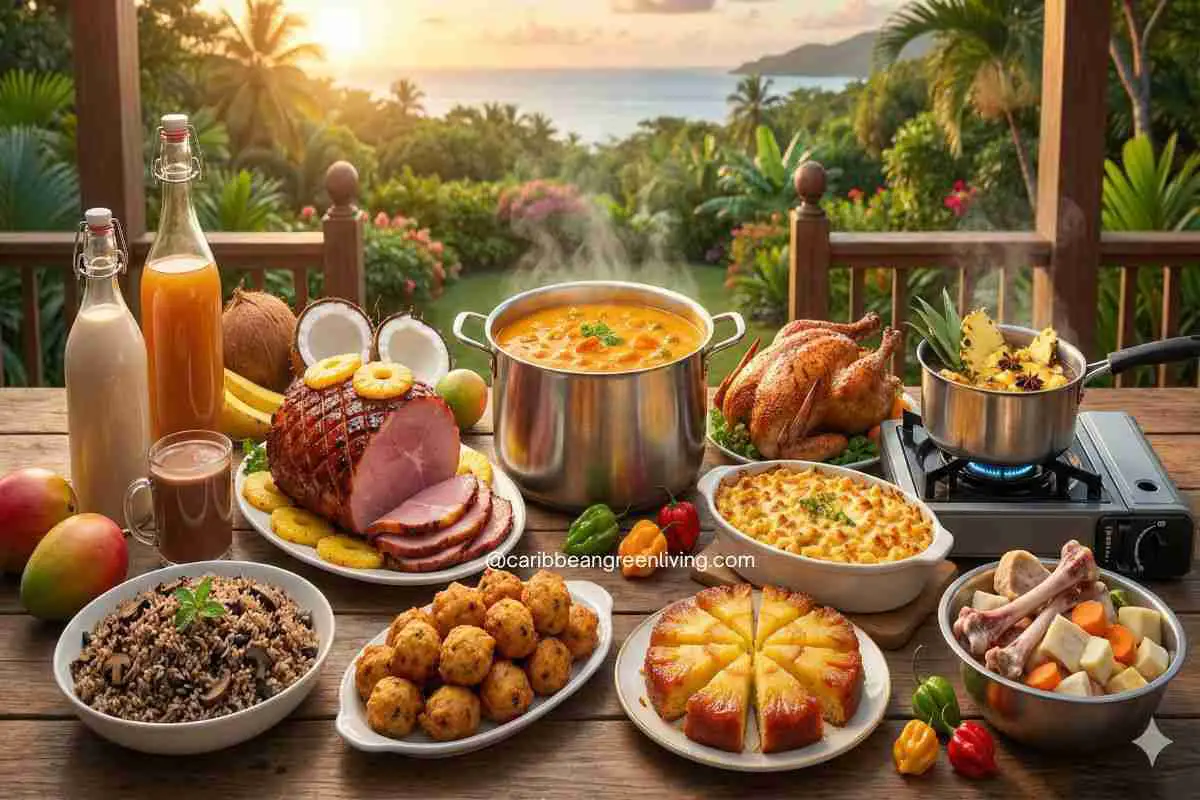
Therefore, the Caribbean holiday kitchen does not operate on excess, but on a sacred cycle. The ham bone from Christmas Eve is not trash; it is the savory soul of the post-holiday Bean Soup or Bouillon if you are using pork. The pineapple skins are not scraps; they are the steeping base for a digestive tea.
This is a guide to the holidays through the lens of ancestral resourcefulness. It explores how the Haitian and French Caribbean table manages to be incredibly abundant without being wasteful, proving that true food sovereignty means respecting every seed, every bone, and every leaf that enters the kitchen.
Deux Jours à Vivre”: A Family Philosophy of Abundance
Every culture carries its own rhythm, and while times have changed, the heartbeat of our holiday traditions remains the same. Looking back, I realize that while the scenery is different now, the essentials have not shifted. Midnight Mass is still mandatory. The Soup Joumou, the Bouillon, and the Riz Djon Djon are not requests—they are requirements.
However, the menu has evolved. When my parents were alive, the foundation of the feast was non-negotiable, but we found freedom in the details. Growing up, if you didn’t know us, you might have expected just the standard turkey. But we pushed back gently. We explained to my parents that we could honor the tradition while making the meal even more special by diversifying the spread.
Over time, the table expanded to include roast duck, lamb, and pintade (guinea hen). We added the jewels of the sea: Lambi (Creole conch) and Poisson Gros Sel (red snapper in a spicy salt sauce).
To an outsider, this overflowing table might have looked like we were spoiled. We weren’t. We were simply being raised by parents who believed in being adventurous with food. Their motto was simple: “Deux jours à vivre.”
Directly translated, it means “two days to live.” It wasn’t a morbid warning, but a joyful command. It was their way of reminding us that life is fleeting and unpredictable. Therefore, we should never deprive ourselves of the delicious experiences the world has to offer. We feast not just to eat, but to celebrate the fact that we are here, together, for another year.
While every home celebrates the holidays differently, ours blends these rich traditions with the practical information in this guide, ensuring that we celebrate abundantly while incorporating the ancestral practice of zero waste.
December 24th – 25th: The “Bone Bank” and The Magic of Djon Djon
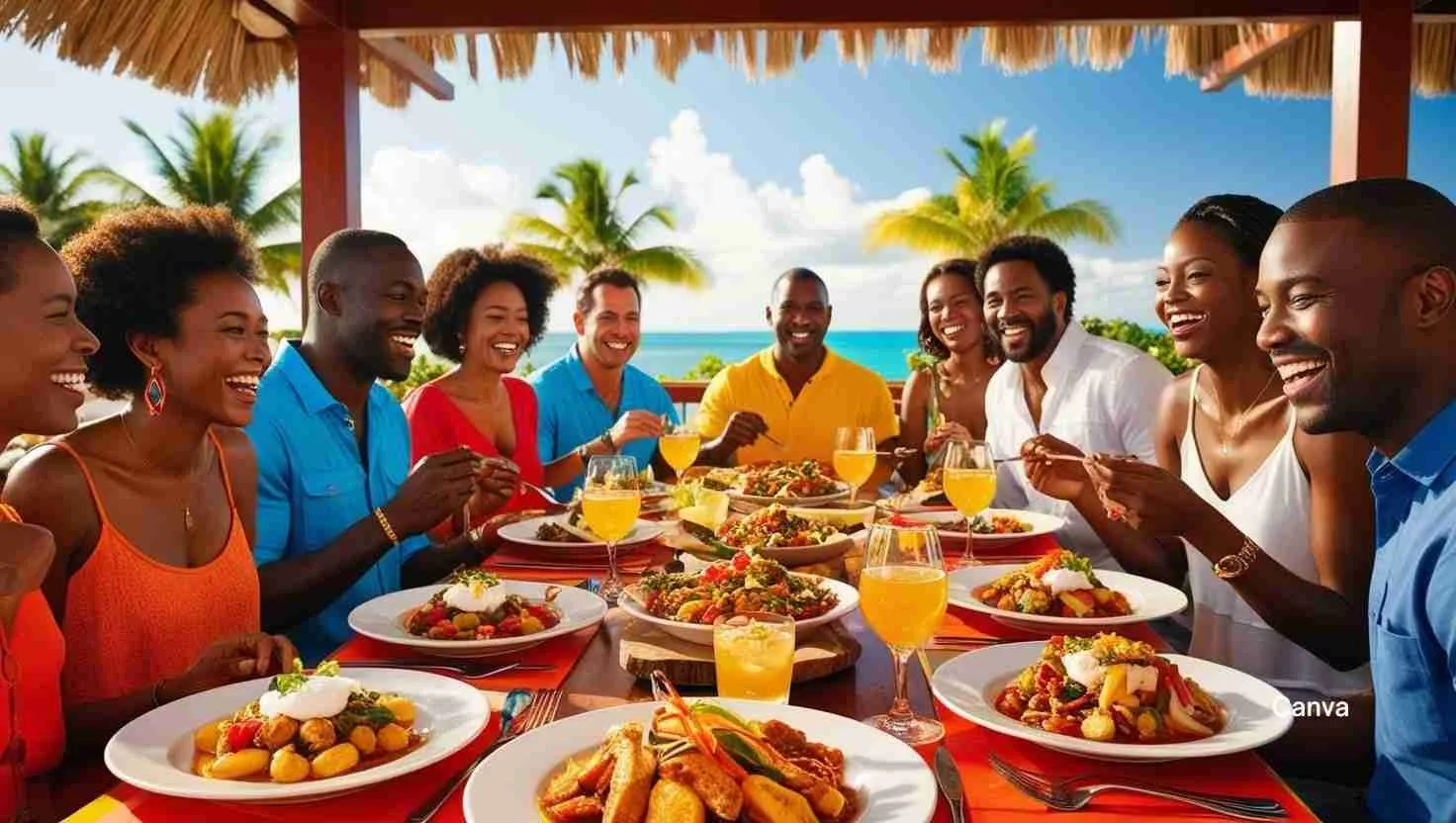
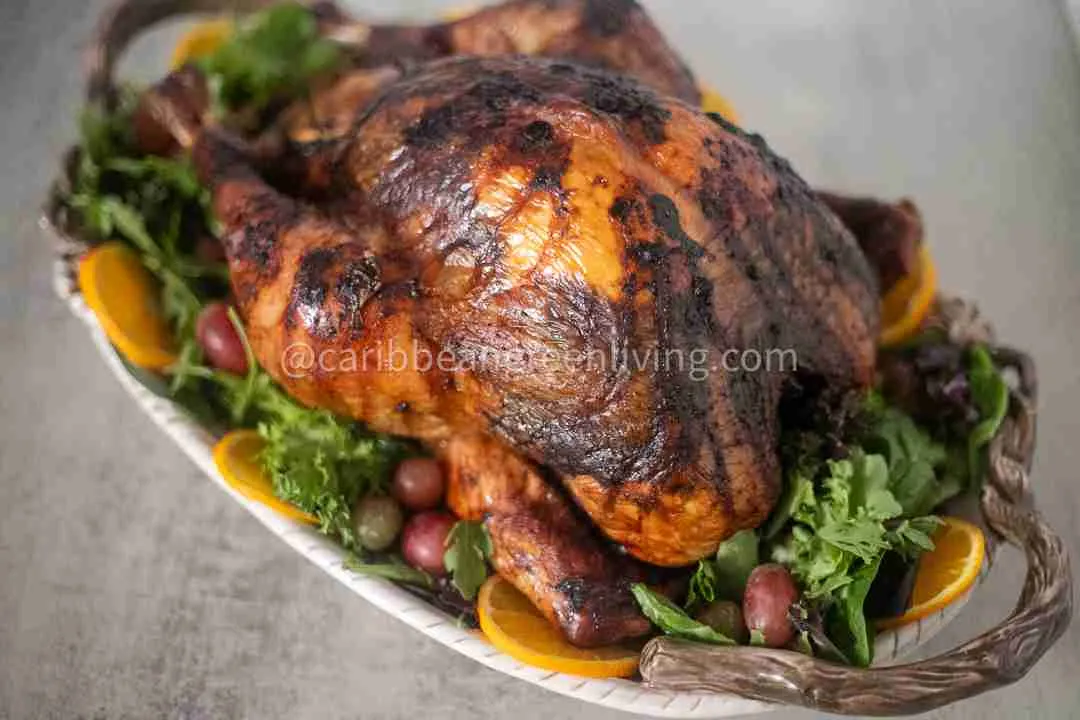
The season begins with the Réveillon feast after midnight mass. The table groans under the weight of roasted turkey, glazed ham, Baked Macaroni and Cheese, and the prized Riz Djon Djon (black mushroom rice).
In a sustainable kitchen, the preparation for this meal is as important as the eating.
The “Djon Djon” Gold In Haiti, black mushrooms (djon djon) are a delicacy. Traditionally, djon djon mushrooms are sold dried; they must be soaked in warm water to release their distinctive aroma and black coloration.
- The Zero-Waste Approach: The soaking water is “liquid gold” and is never spilled. Even the soaked mushroom heads are sometimes blitzed into a paste.
- The Modern Pantry: If you cannot find the dried mushrooms or want to avoid the “waste” of the fibrous heads entirely, the efficient alternative is to use Djon Djon Powder, which delivers all the flavor with zero residue.
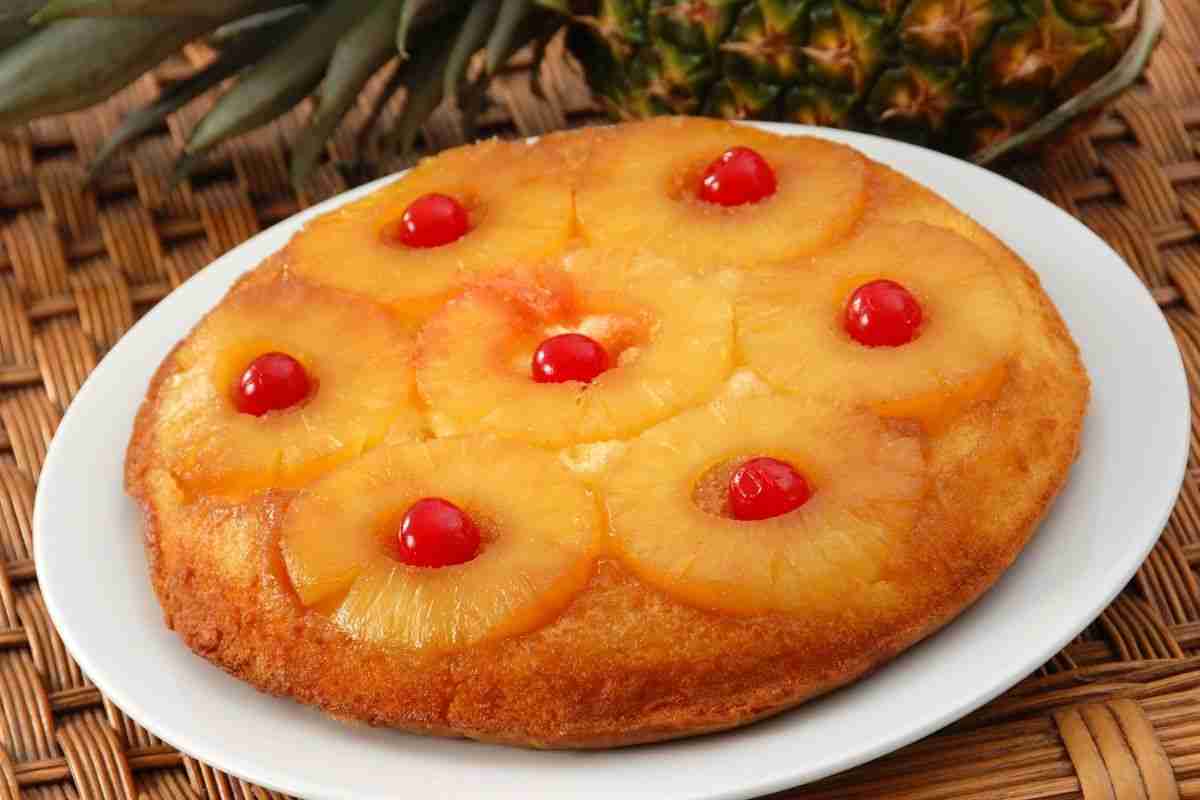
The Pineapple Skin Tea (Te Anana) The ham is often glazed with pineapple slices, and the Pineapple Upside Down Cake is a staple dessert. This leaves a mountain of prickly pineapple skins.
- The Zero-Waste Approach: Instead of binning the skins, they are boiled with cinnamon sticks and star anise. This creates a soothing, digestive tea—perfect for settling the stomach after the heavy, fatty meal of the Réveillon.
- Learn more: The Ultimate Guide to Pineapple Water Benefits & Recipes.
The Ham and Turkey Afterlife. When the feast is done, the most valuable items on the table are the bones. The turkey carcass and the salty ham bone are never thrown away. They are immediately frozen or set aside.
- Liquid Gold: Even the juices from the roasting pan have a second life. Read How to Use Cooking Ham Liquid for Other Dishes to ensure nothing goes down the drain.
- Turkey Parts: If you have necks, backs, or wings left over, see What to Do with Turkey Parts.



December 26th – 31st: The Era of Fritters and Rechauffé
The days between Christmas and New Year’s are the “entre-fêtes” (between festivals). Guests drop by unexpectedly for a glass of Haitian Kremas or fruit liquor, and the kitchen must be ready without cooking a whole new feast.
The Accras (Fritters). This is the ultimate way to stretch expensive ingredients.
- The Zero-Waste Approach: If there is leftover salt cod (bacalao) or just a surplus of herbs and malanga root, they are battered and fried into Accras.
- Recipes: Try classic Codfish Fritters (Acra de Morue) or the traditional Haitian Accra. A small amount of fish can feed a dozen guests when transformed into these airy, crunchy fritters.
The Art of Rechauffé There is no stigma attached to “leftovers” in the Caribbean; there is only the glory of Rechauffé (re-heating).
- The Zero-Waste Approach: Dishes like stewed meats are widely considered to taste better the next day. If you have leftover bird, you can transform it into Turkey in Creole Sauce or a simple Turkey Sandwich made with Haitian Bread.
January 1st: Soup Joumou and The Community Pot
Independence Day brings the most important meal of the year: Soup Joumou.
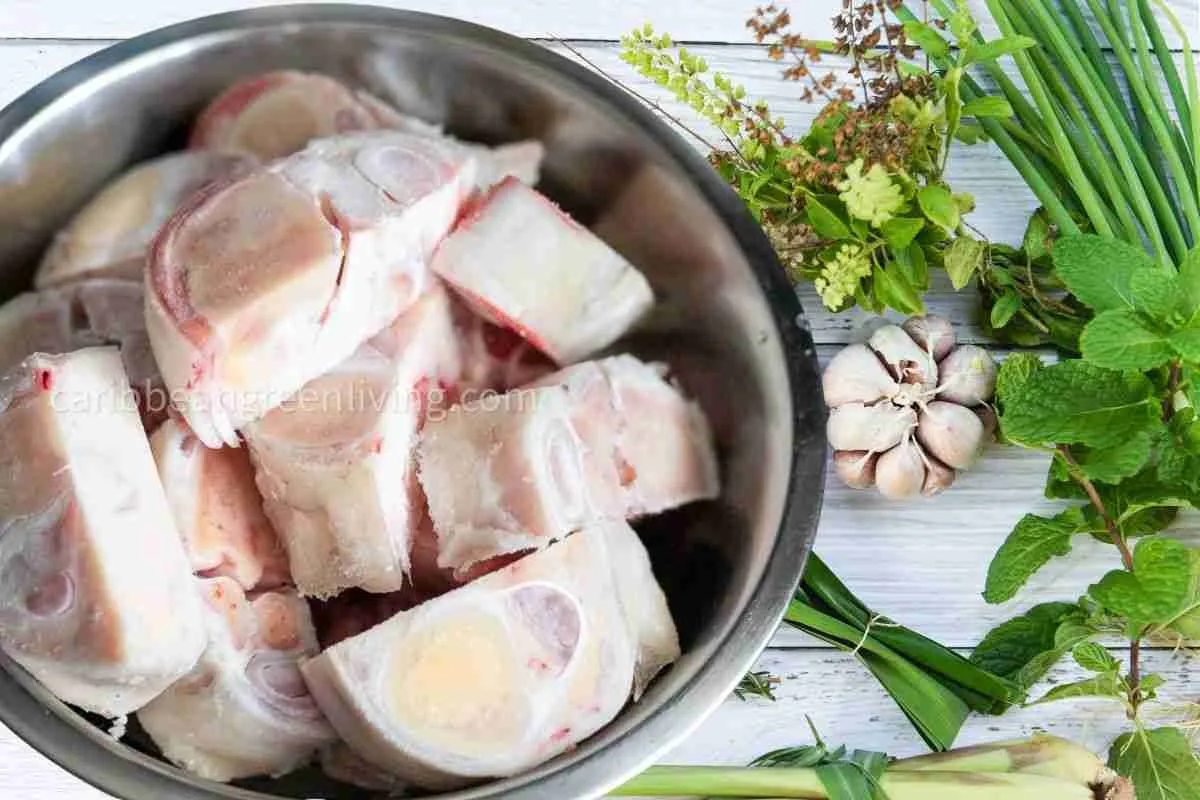
Nose-to-Tail Sovereignty This soup is a masterclass in using the whole animal. It utilizes cuts that require long stewing—shin, tail, and marrow bones—alongside the refined pumpkin purée. It respects the animal by using the tough parts to create the richest flavor. (For a different take on the squash, check out this Roasted Kabocha Squash Recipe.)
Distribution as Preservation Zero waste is also about distribution. This soup is made in massive batches, far more than one family can eat. It is shared with neighbors, cousins, and friends. By distributing the food immediately, the community ensures that no pot spoils from sitting too long in the tropical heat.

January 2nd – 5th: The Bouillon (The Great “Refrigerator Reset”)
By January 2nd, the excitement has faded, and the refrigerator is a chaotic puzzle of half-used ingredients. In the Western world, this is when leftovers are tossed. In Haiti and the French Caribbean, this is Bouillon time.
Bouillon is not just a soup; it is a delicious inventory management system. It is a hearty, thick stew designed to rehydrate the body after days of drinking liquor and eating dry meats.
Waking Up the Bones The base of the Bouillon is built on the “flavor bank” saved from Christmas. The turkey carcass and the smoked ham bone can be thrown into a massive pot of water to create a rich stock. That is, if you are following a zero-waste method and don’t want to add beef to the dish.
Saving the Vivres “Vivres” (ground provisions) left over from holiday prep are peeled, chopped, and tossed into the broth. The Bouillon rescues these root vegetables before they go woody, turning their starch into comfort.
- Resource: Tropical Root Vegetables Guide.
The “Boy” (Dombreuil). To bulk up the soup without buying more meat, the cook adds Boy (Haiti) or Dombrés (French Antilles)—simple flour dumplings. They absorb the ham-bone broth and expand in the stomach, feeding a crowd for pennies.

Jan 6th: Les Rois (The Sweet Farewell)
The Feast of the Three Kings (Les Rois) marks the official end of the Christmas season. But before the kitchen closes its doors on the festivities, there is one final act of resourcefulness to perform.
The “Pain Perdu” Remix. By this date, the magnificent Orange Cake or Pineapple Upside Down Cake baked in December has likely gone dry.
- The Zero-Waste Approach: These “remnants” are not discarded. Slices of stale cake are dipped in an egg-and-milk batter and fried in butter. In the French Caribbean, this is Pain Perdu (“lost bread”), but using cake makes for a decadent, pudding-like breakfast that needs no syrup.
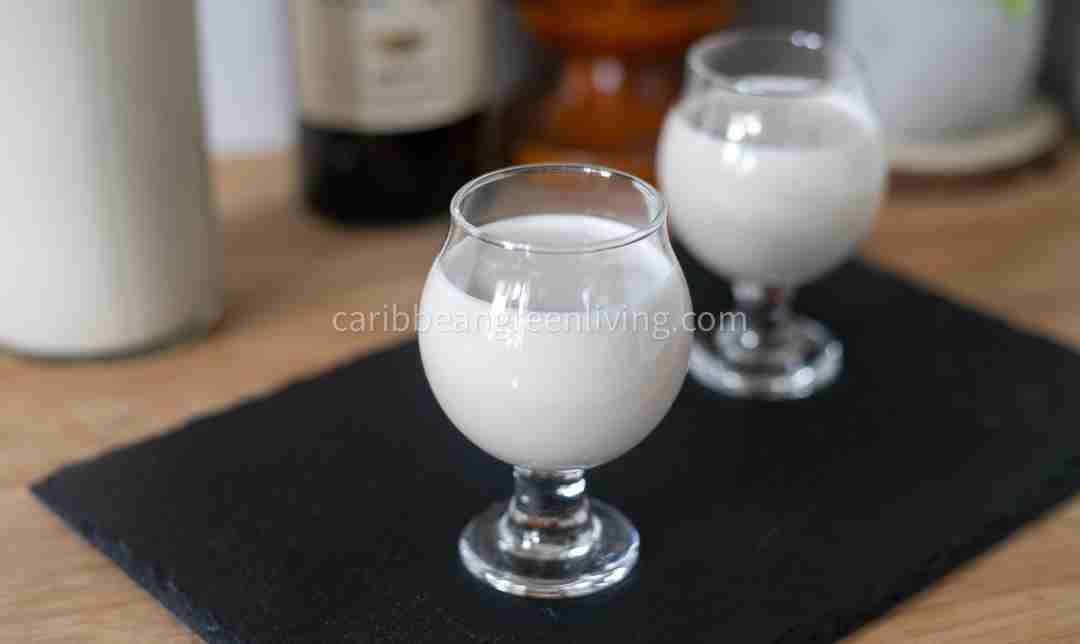
The Kremas Bottle Rinse Kremas (or Ponche) is thick, creamy, and clings stubbornly to the glass. Throwing an “empty” bottle away wastes ounces of the rich, spiced coconut cream.
- The Zero-Waste Approach: Brew a pot of strong, hot Haitian coffee. Pour a small amount directly into the “empty” Kremas bottle, cap it, and shake vigorously. The hot coffee melts the remaining cream. Pour it into your mug for a spiked, coconut-creamy coffee sweetener.
- Alternative Treat: You can also use the last of the bottle to make Macerated Strawberries with Haitian Cremas.


Conclusion: The Cycle of the Pot
From the first chop of the Réveillon preparation to the final shake of the Kremas bottle on January 6th, the Caribbean holiday kitchen tells a story of survival and abundance.
“Zero-waste” is often marketed today as a new, eco-friendly lifestyle choice. But for the islands, it is simply memory. It is the culinary muscle memory of a people who know that when you respect the ingredients—when you use the bone, the skin, the seed, and the crumb—you are never truly hungry.
Glossary of Terms
- Réveillon: The long dinner held on Christmas Eve and New Year’s Eve, traditionally stretching past midnight.
- Djon Djon: A distinct type of black mushroom found in northern Haiti, used to flavor and color rice. (See Noubess Djon Djon Powder).
- Vivres: “Ground provisions.” Starchy root vegetables such as yam, dasheen, cassava, and sweet potato.
- Kremas (or Crémas): A rich, sweet Haitian alcoholic beverage made from cream of coconut, condensed milk, and rum.
- Bouillon: A hearty soup/stew usually containing root vegetables, meat (often on the bone), and dumplings.
- Epis: A wet seasoning base (blend of herbs, peppers, garlic) used as the foundation for almost all savory Haitian dishes. Making Epis is often a way to preserve fresh herbs before they spoil. Learn how to make Haitian Epis here.
- Galette des Rois: “King Cake,” a puff pastry cake filled with almond cream (frangipane) eaten on Epiphany.