Malanga vs Yautia vs Eddoe: What’s the Difference?
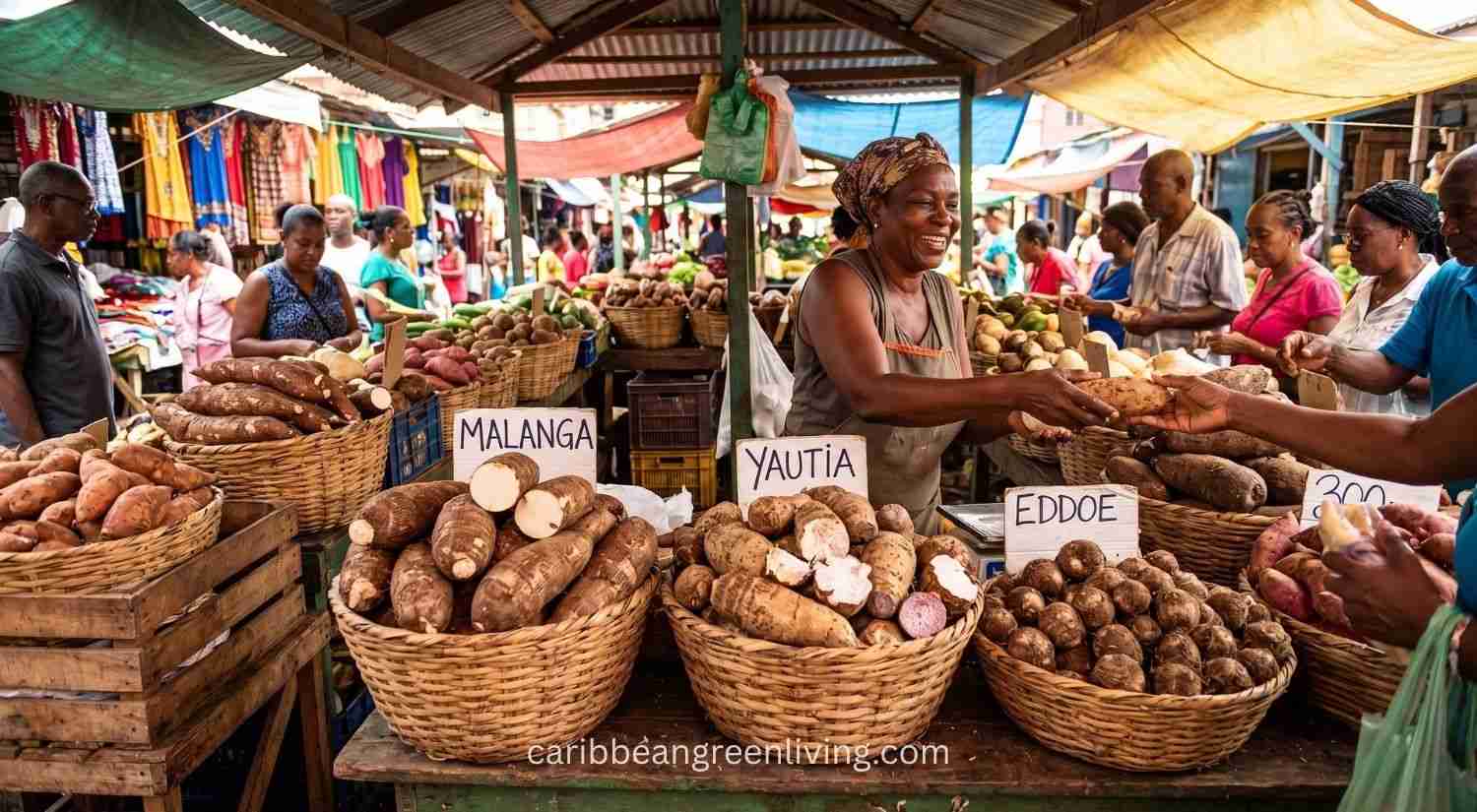
If you’ve ever stood in the produce aisle of a Caribbean or Latin market staring at a pile of rough brown root vegetables, you’re not alone. The worst is you’re looking at the signs and still can’t figure out what is what. Malanga, yautia, and eddoe are often grouped together, and depending on where you live, they may even be called by different names. This article explores Malanga vs Yautia vs Eddoe and their unique qualities.
While these root vegetables are closely related and often used in similar recipes, each has its own texture, flavor, and best uses in the kitchen.
Understanding the differences can help you choose the right one for soups, stews, mashed dishes, and traditional Caribbean recipes such as Haitian Bouillon.
Understanding the differences in Malanga vs Yautia vs Eddoe can help you choose the right one for soups, stews, mashed dishes, and traditional Caribbean recipes such as Haitian Bouillon.
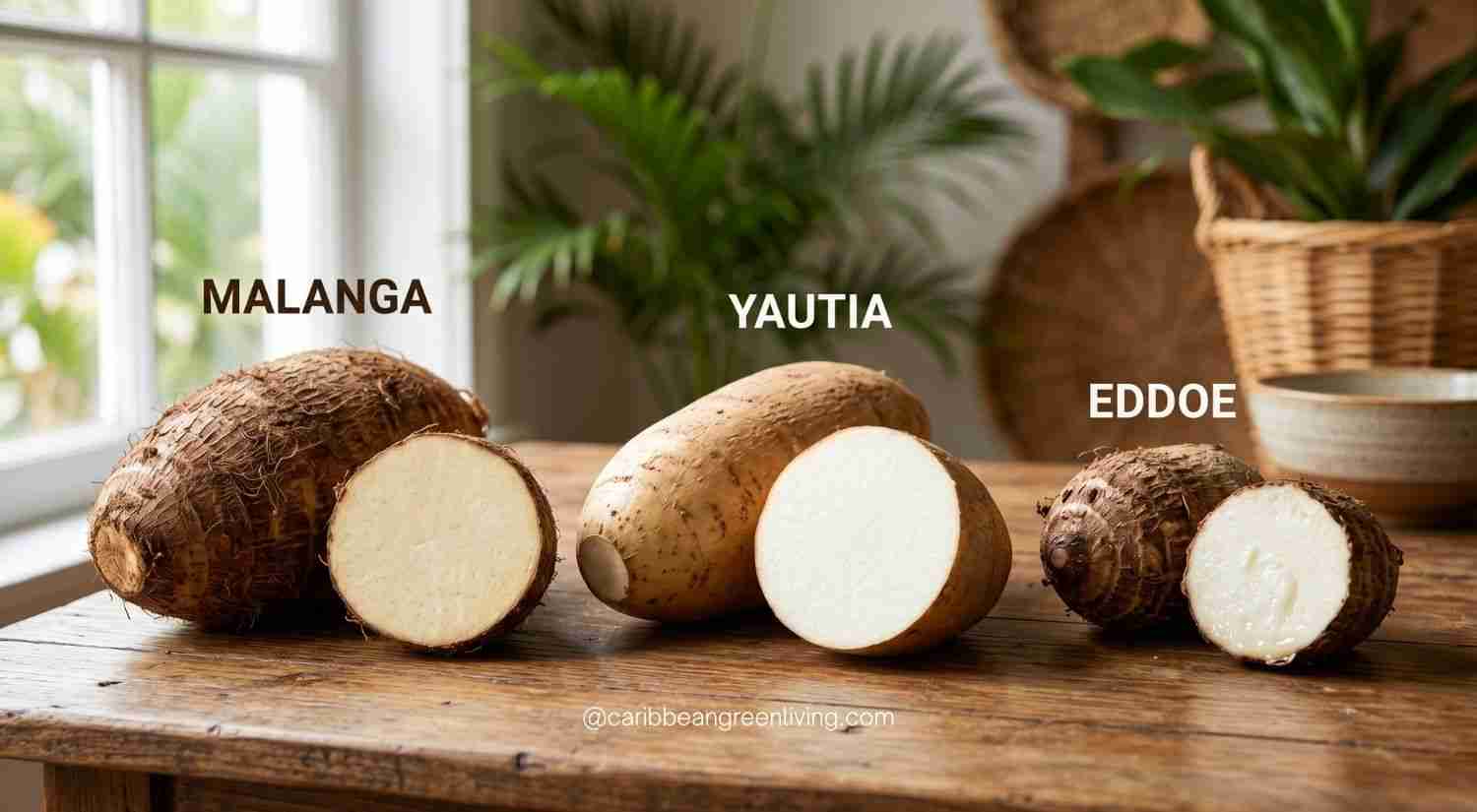
Quick Comparison: Malang vs Yautia vs Eddoe
| Feature | Malanga | Yautia | Eddoe |
|---|---|---|---|
| Flavor | Mild, earthy | Slightly nutty | Richer, stronger earthy flavor |
| Texture | Dense and starchy | Creamy when cooked | Firm and slightly waxy |
| Size | Large | Medium to large | Small |
| Shape | Rounded or elongated | Long and irregular | Small and round |
| Common Uses | Mashing, soups, boiling | Soups, stews, fritters | Boiling, roasting, and stews |
| Popular In | Caribbean, Latin America | Caribbean, Latin America | Caribbean, Africa, Asia |


What Is Malanga?
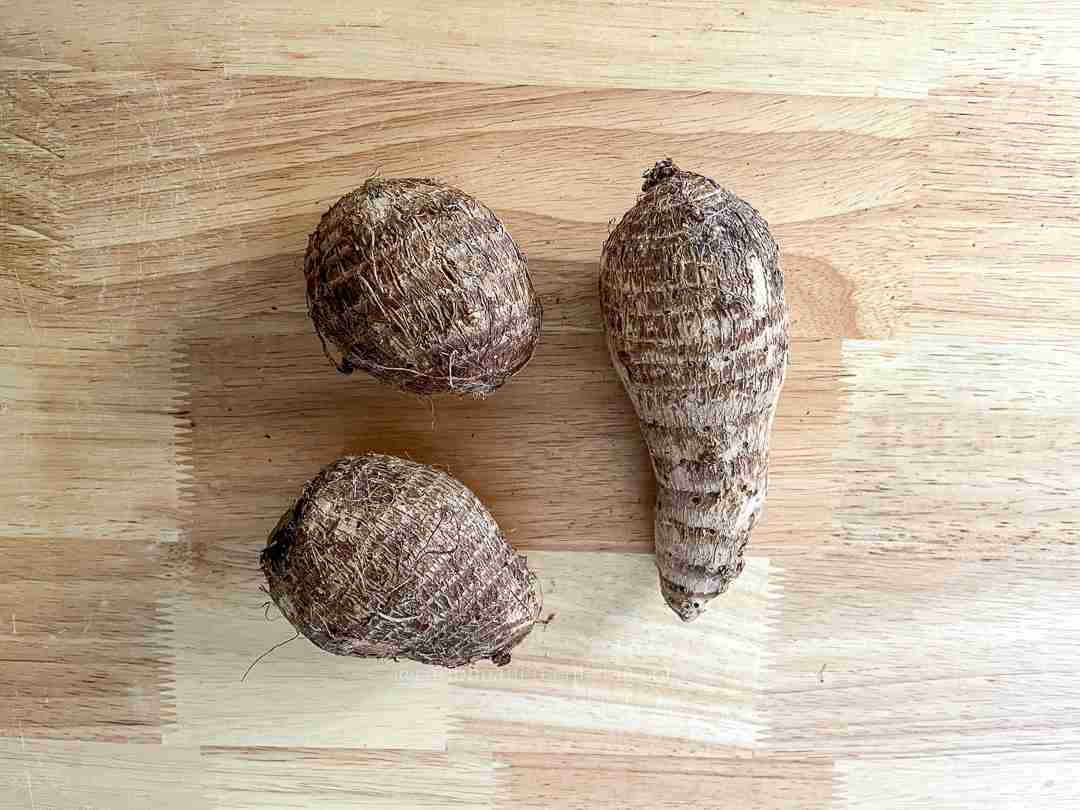
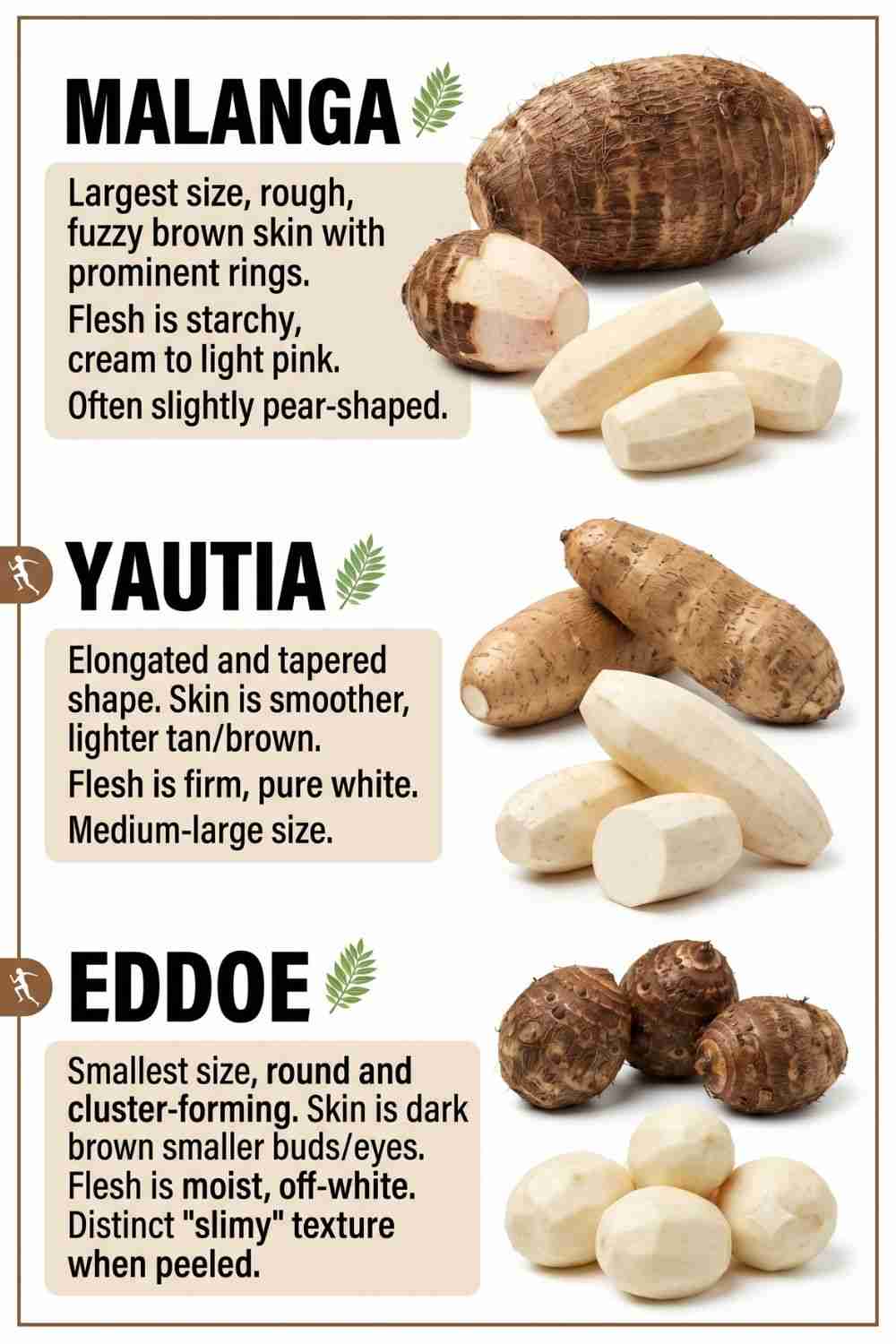
Malanga is one of the most popular root vegetables throughout the Caribbean. It has rough brown skin and white flesh that becomes tender and fluffy when cooked. The flavor is mild and slightly earthy, making it easy to pair with meats, seafood, and vegetables.
Malanga is often:
- Boiled and served as a side dish
- Mashed as an alternative to potatoes
- Added to soups and stews
- Used in fritters and purees
Many people appreciate malanga because it remains firm while cooking but develops a soft, creamy interior.
What Is Yautia?
Yautia is closely related to malanga and is sometimes called cocoyam or tannia, depending on the region.
The skin is often rough and hairy, while the flesh may be white, yellow, pink, or purple depending on the variety.
Compared to malanga, yautia tends to have:
- A slightly creamier texture
- A more pronounced nutty flavor
- Higher moisture content
Yautia is commonly used in:
- Caribbean soups
- Sancocho
- Root vegetable stews
- Fritters
- Purees
Because it breaks down more easily during cooking, yautia can help naturally thicken soups and stews.
What Is Eddoe?
Eddoe is the smallest of the three root vegetables and is commonly found throughout the Caribbean, Africa, and parts of Asia.
It has brown, hairy skin and white flesh that remains relatively firm after cooking.
Eddoe is known for:
- A stronger earthy flavor
- Firm texture
- Excellent performance in stews
Many cooks enjoy eddoe because it holds its shape well during long cooking times.
It is often:
- Boiled whole
- Added to stews
- Roasted
- Served alongside meat dishes
Which One Is Best for Soup?
All three work well in soup, but they behave differently.
Choose Malanga If:
- You want a hearty texture
- You prefer a mild flavor
- You want pieces that hold together
Choose Yautia If:
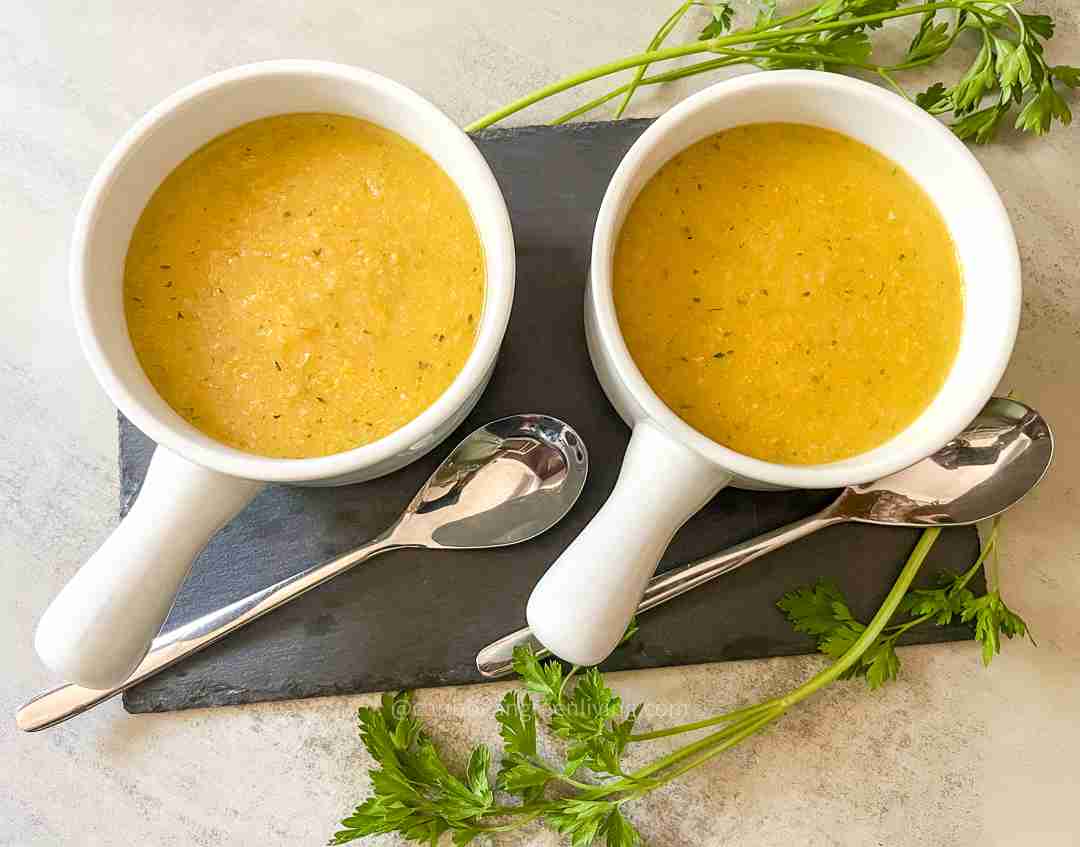
- You want a creamier soup
- You like a slightly nutty flavor
- You want natural thickening
Choose Eddoe If:
- You want distinct chunks in your soup
- You enjoy stronger earthy flavors
- You prefer vegetables that stay firm during cooking
Why Do These Root Vegetables Cause Itchy Hands?
Malanga, yautia, and eddoe contain naturally occurring compounds that may irritate sensitive skin when peeled.
Some people experience:
- Itching
- Mild skin irritation
- Tingling sensations
If you have sensitive skin, wear food-grade gloves while peeling and cutting these root vegetables. This simple step can make preparation much more comfortable.

How to Store Malanga, Yautia, and Eddoe
Whole Roots
Store in a cool, dry place away from direct sunlight.
For best quality, use within a few days of purchase.
Many Caribbean cooks notice that these root vegetables can begin deteriorating quickly after bringing them home from the market. If possible, cook them within 24 to 48 hours for the freshest flavor and texture.
Peeled Roots
Cover with cold water and refrigerate for up to 24 hours.
Frozen
Peel, cut into pieces, blanch briefly, and freeze in airtight containers or freezer bags.
Frequently Asked Questions
Are Malanga and Yautia the Same?
No. They are closely related but have different textures, flavors, and appearances.
Is Eddoe the Same as Taro?
Not exactly. Eddoe and taro belong to the same plant family but are different varieties.
Which Root Vegetable Is Best for Mashing?
Malanga is often preferred because it develops a fluffy, creamy texture when cooked.
Can You Substitute One for Another?
Yes. In most Caribbean soups, stews, and side dishes, malanga, yautia, and eddoe can be substituted for one another, although the final texture may vary.
Final Thoughts
Malanga, yautia, and eddoe each bring something unique to the Caribbean kitchen. Malanga offers a mild flavor and fluffy texture, yautia contributes creaminess and richness, while eddoe delivers firm texture and earthy depth.
Learning how each one cooks will help you choose the right root vegetable for your favorite soups, stews, and traditional Caribbean meals.