
How to Desalt Codfish for Cooking (Step-by-Step)
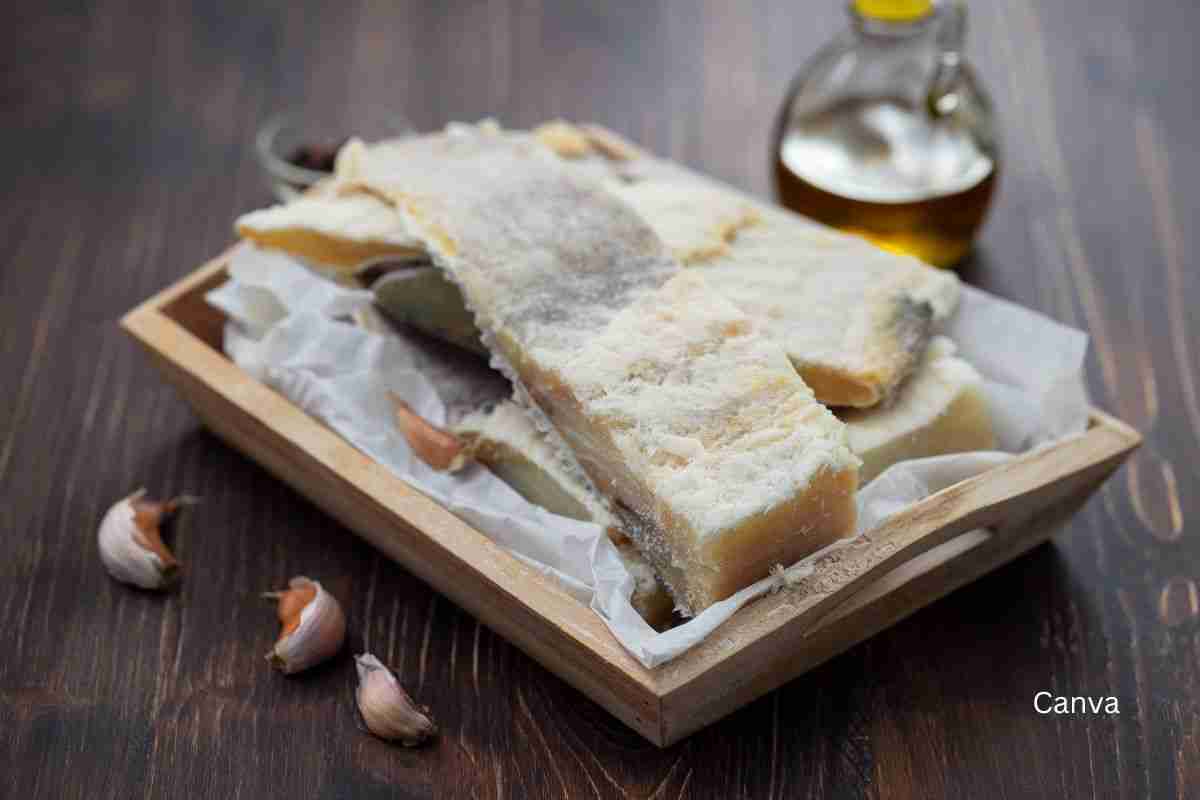
Salted codfish, also called salt cod, saltfish, bacalao, or morue, is a staple in Caribbean kitchens, used in everything from crispy fritters to saltfish sautéed with onions and peppers. Before cooking, desalting removes excess salt and rehydrates the flesh.
How long should you soak salt cod? Depending on its thickness and how heavily it is salted, soaking can take anywhere from overnight to 48 hours, with regular changes of cold water. Keep the fish refrigerated throughout soaking, and follow the package instructions when available.
This guide explains how to desalt codfish using a refrigerated soak or a faster stovetop method, how to check its saltiness with a cooked sample, and how to prepare it for your favorite Caribbean recipes.
Why Is Salted Cod So Salty?
Salted cod is preserved using a heavy curing process. Before refrigeration, people packed the fish in salt and dried it to extend its shelf life for months.
This process:
- Draws out moisture
- Firms the flesh
- Intensifies flavor
- Makes long storage possible
However, before cooking, remove the excess salt and rehydrate the fish. Proper soaking restores moisture and improves texture while reducing saltiness to a manageable level.
How to Desalt Codfish Properly
There are two main ways to desalt codfish: a refrigerated soak and a faster stovetop method. The time needed depends on the thickness of the fish and how heavily it has been salted. Follow the package instructions when available.
Method 1: Refrigerated Overnight Soak (Recommended)
An overnight soak gives you more control over saltiness while helping preserve the fish’s texture.
- Rinse off the surface salt. Gently rinse the salted cod under cold running water.
- Place it in a large bowl. Choose a bowl large enough for the fish and with plenty of water.
- Cover with cold water. Make sure every piece is fully submerged.
- Cover and refrigerate. Allow approximately 8–24 hours for thinner pieces. Thick or heavily salted pieces may need up to 48 hours.
- Change the water regularly. Drain and replace it with fresh cold water every 6–8 hours. Keep the fish refrigerated between changes.
- Cook a small sample before tasting. Take a piece from the thickest section and cook it thoroughly. It should taste pleasantly seasoned, not overwhelmingly salty. If necessary, continue soaking in fresh water and check again.
Soaking removes excess salt and rehydrates the flesh, but it does not cook the fish. Once desalted, drain the cod and prepare it as your recipe directs.
Best for:
- Fritters (accras)
- Saltfish and avocado
- Rice dishes
- Stews

Extended Soak for Thick or Heavily Salted Pieces
Thick pieces of salt cod may need a longer soak than thin fillets. If a cooked sample still tastes too salty after an overnight soak:
- Continue soaking in fresh cold water, allowing up to 48 hours total, or follow the package instructions.
- Change the water every 6–8 hours.
- Keep the fish covered and refrigerated throughout.
- Cook another small sample from the thickest section, then taste again.
Use the fish’s saltiness—not the clock alone—to judge when it is ready.
Method 2: Gentle Simmering Method (Faster Option)
If you’re short on time, gently simmer the cod in fresh water to remove excess salt while cooking. This method works best for thinner pieces; thick, heavily salted fillets benefit from soaking first.
White vinegar is optional. If you like, add it for flavor—not to remove or neutralize salt. Fresh water and water changes do the desalting.
Step-by-Step
- Rinse the cod. Gently rinse under cold running water to remove surface salt.
- Cover with fresh water. Place the fish in a large pot and add enough cold water to cover it generously.
- Add vinegar if desired. Use 1 tablespoon of white vinegar for a subtle acidic note.
- Heat gently. Bring the water to a gentle simmer, then reduce the heat. Avoid a vigorous boil, which can affect the fish’s texture.
- Simmer and check. Start checking thinner pieces after about 10 minutes. Cooking time varies with thickness; the fish should reach 145°F before tasting.
- Test the saltiness. Remove a small piece, let it cool briefly, and taste. Foam on the water does not tell you whether enough salt has been removed.
- Repeat only if needed. If the fish is still too salty, drain carefully, add fresh water, and return to a gentle simmer. Check frequently to avoid unnecessary cooking.
- Drain and prepare. Once the saltiness is balanced, drain and let the fish cool just enough to handle. Remove any skin and bones, then flake or pat dry as your recipe requires.
Because simmering also cooks the cod, account for that when adding it to your final dish. For recipes where you want firmer, more intact pieces, start with the refrigerated soaking method.
How to Know When It’s Ready
After soaking, the cod should feel softer and more hydrated, but texture alone cannot tell you whether enough salt has been removed. The most useful check is to cook a small sample before tasting.
- Cut a small piece from the thickest part of the fish.
- Cook it thoroughly in plain, unsalted water.
- Let it cool briefly, then taste.
The fish should taste pleasantly seasoned, not overwhelmingly salty. If it is still too salty, continue soaking in fresh cold water in the refrigerator, then test again. Smell is not a reliable way to judge saltiness.
Common Mistakes When Desalting Codfish
- Soaking at room temperature. Keep the fish covered and refrigerated throughout soaking, including between water changes.
- Not changing the water. Replace the soaking water regularly so the fish can continue releasing excess salt.
- Relying only on soaking time. Thickness and curing vary. Use the recommended timing as a starting point, then check a cooked sample.
- Boiling too aggressively. Use a gentle simmer for the stovetop method to help preserve the fish’s texture.
- Tasting uncooked fish. Desalting does not cook the cod. Always cook your sample thoroughly before tasting.
- Overlooking skin and bones. Check carefully before flaking or adding the fish to your dish—even pieces labeled boneless deserve a quick inspection.
- Adding salt too early to the finished dish. Desalted cod retains some salt. Taste the dish before adding salt, bouillon, or salty seasoning blends.

After Soaking: Next Steps
Once the cod is desalted to your liking:
- Drain and pat dry. Discard the soaking water and gently blot the fish with paper towels.
- Check for skin and bones. Remove any remaining skin and carefully check for bones.
- Prepare it for your recipe. Leave the fish in pieces or cook and flake it, depending on the dish.
- Cook promptly or store properly. If you aren’t using it right away, refrigerate or freeze it.
Soaked cod still needs cooking. You can simmer it before flaking or cook it directly in a recipe that provides enough cooking time. For salads and other dishes assembled without further cooking, cook the cod first. If you used the simmering method to desalt it, the fish may already be fully cooked.
How to Store Desalted Codfish
Refrigerating
Drain the fish, pat it dry, and place it in a covered, airtight container in the refrigerator at 40°F or below. Plan to cook it promptly after desalting, especially after an extended soak; soaking time already counts as refrigerated handling time.
For cooked cod, refrigerate within two hours and use within 3–4 days. ask.fsis.usda.gov
Freezing
If you won’t use the desalted fish promptly:
- Gently pat it dry to remove surface moisture.
- Divide it into portions so you can thaw only what you need.
- Pack it in freezer-safe bags or airtight containers, removing as much air as possible.
- Label with the date and whether the fish is cooked or uncooked.
- Use within 1 month for best quality.
- Thaw in the refrigerator before using.
Previously frozen cod can be cooked and frozen again if it has been thawed and handled safely. Repeated freezing may affect its texture. ask.fsis.usda.gov
Ready to cook? Explore our salted cod recipes for fritters, salads, and more Caribbean favorites.
Where to Buy Salted Codfish
Look for salted codfish at Caribbean and Latin grocery stores, Mediterranean markets, some Asian supermarkets, and larger supermarkets with international or seafood sections.
It may be labeled salt cod, salted codfish, bacalao, or morue. Products labeled “saltfish” may contain other types of fish, so check the ingredient label if you want cod specifically.
Choose intact packaging, check the date, and follow the product’s storage instructions. Some products require refrigeration even before opening. Salted fish varies in moisture and appearance, so use the label’s preparation directions as your starting point.
Tools for Desalting Codfish
A few basic kitchen tools make the process easier:
- Large glass bowl or stainless steel bowl: Choose one with enough room for the fish and plenty of soaking water.
- Cover or lid: Keeps the bowl covered while soaking in the fridge.
- Large pot: For the gentle simmering method or cooking a small sample.
- Fine-mesh strainer or colander: For draining and gently rinsing the fish.
- Paper towels: For blotting away surface moisture.
- Food thermometer: For checking that the fish reaches 145°F when cooking.
- Freezer-safe bags or airtight containers: For storing portions you won’t use immediately.
Frequently Asked Questions
How long should you soak salt cod before cooking?
Thin pieces may need about 8–24 hours, while thick or heavily salted pieces may require up to 48 hours. Follow the package instructions when available, keep the fish refrigerated, and change the water every 6–8 hours. Cook a small sample before tasting to decide whether it needs more soaking.
How do you know when enough salt has been removed?
Cook a small piece from the thickest section in plain, unsalted water, let it cool briefly, and taste. It should taste pleasantly seasoned, not overwhelmingly salty. If needed, continue soaking in fresh water in the refrigerator. Texture and smell cannot reliably tell you how much salt remains.
Can you desalt saltfish without soaking it overnight?
Yes. For thinner pieces, gently simmering in fresh water can be a faster option. Drain and replace the water if a cooked sample still tastes too salty. Thick, heavily salted pieces benefit from soaking first, since repeated simmering can affect their texture.
Do you need vinegar to desalt codfish?
No. Fresh water and water changes remove the excess salt. Vinegar is optional if you like its flavor, but it doesn’t neutralize the salt or replace soaking.
Do you have to boil salt cod after soaking?
You do not have to boil it separately if it will cook thoroughly in your recipe. However, soaking does not cook the fish. For salads and other dishes that receive no further cooking, cook the cod before adding it.
Can you soak salt cod at room temperature?
No. Keep the fish covered in the refrigerator throughout soaking, including between water changes. Use fresh cold water each time you refill the bowl.
Why is my salt cod still too salty?
It may need more soaking time, more frequent water changes, or more water. Thick pieces take longer to desalt than thin ones. Continue soaking in fresh cold water in the refrigerator, then check another cooked sample before preparing the full dish.
Can you soak salt cod for too long?
Yes. Excessive soaking can leave the fish bland and affect its texture. Follow the package directions and check a cooked sample rather than automatically choosing the longest soaking time.
Can you freeze salt cod after desalting?
Yes. Drain it, pat it dry, divide it into portions, and pack it in freezer-safe bags or airtight containers. Remove excess air and label each portion with the date and whether it is cooked or uncooked. Use within one month for best quality, and thaw in the refrigerator.
Are salt cod and saltfish the same thing?
Salt cod is one type of saltfish. “Saltfish” is a broader name that can include other salted fish, so check the ingredient label if your recipe specifically calls for cod.
Ready to Cook with Your Desalted Saltfish?
Preparing saltfish takes a little planning, but the steps are simple: use fresh water, keep the fish refrigerated during soaking, and cook a small sample before checking its saltiness.
Once it’s ready, use it in crispy accras, saltfish sautéed with onions and peppers, or another Caribbean favorite. Taste your finished dish before adding extra salt—the cod may bring all the seasoning you need.


