
How to Season Haitian Legim (Fix Bland or Watery Legim)
If you’ve ever made a pot of Haitian legim (légim), you know how wonderful the kitchen smells when you start cooking seasoned meat, garlic, scallions, thyme, and Haitian epis.
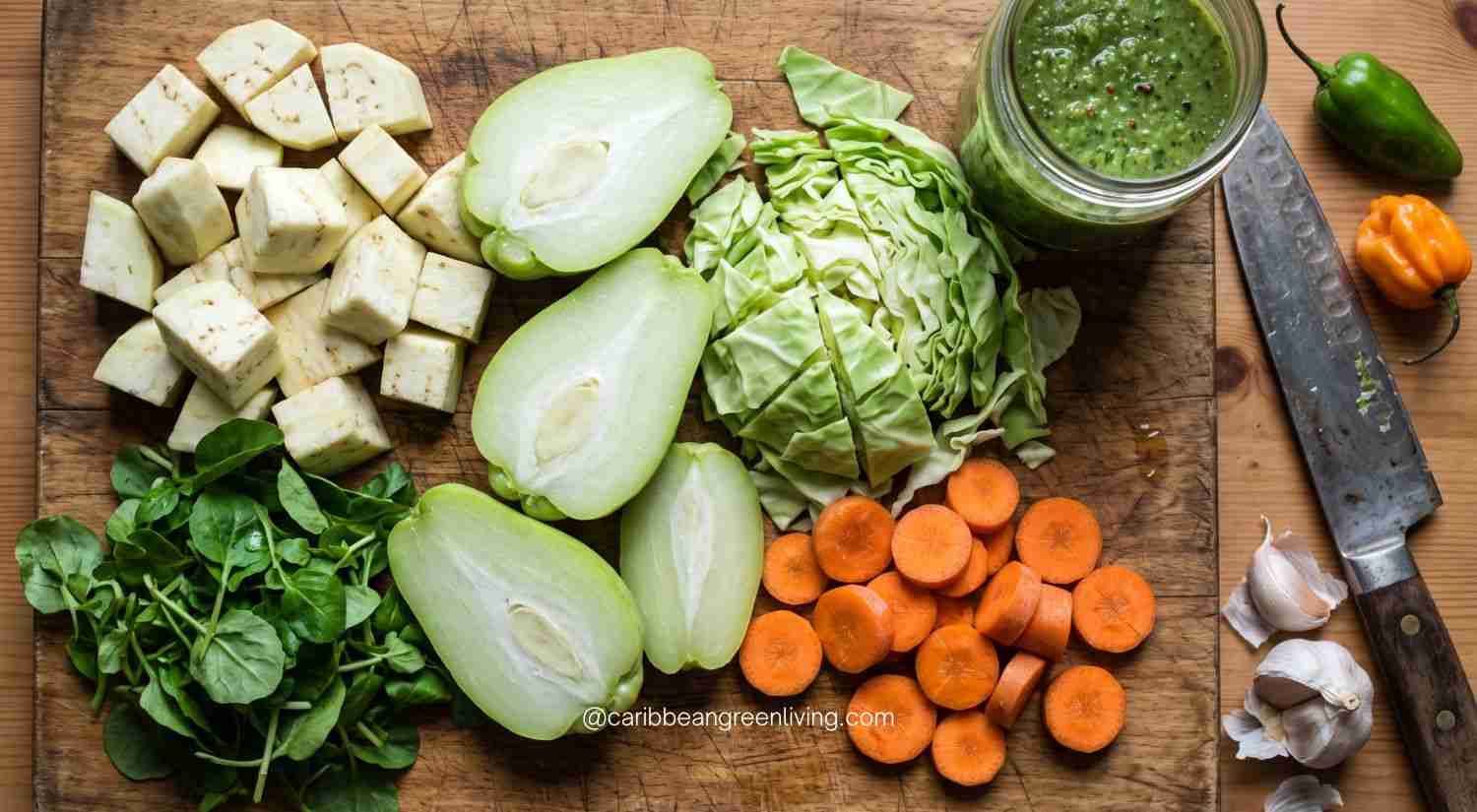
Then come the vegetables: eggplant, chayote (christophine), cabbage, carrots, and whatever else your family likes.
But sometimes, after all that cooking, the finished legim doesn’t taste as flavorful as you expected. The vegetables are tender, the meat is cooked, and the stew looks beautiful, yet something seems missing.
The solution isn’t necessarily another bouillon cube or more salt. Often, the secret to flavorful Haitian legim is building and adjusting the seasoning as you cook.
As vegetables soften, they release moisture, and their flavors blend with the meat and seasonings. Depending on how much liquid you add and how long you cook, the finished stew may need a little reduction or a final seasoning adjustment.

Here’s how I approach seasoning Haitian legim in three practical stages.
The Three Stages of Seasoning Haitian Legim
| Stage | When | What to use | Why it matters |
|---|---|---|---|
| 1. Build the foundation | Preparing and cooking the meat | Haitian epis, garlic, thyme, black pepper, citrus, and other preferred seasonings | Develops the savory flavor of the meat and cooking juices |
| 2. Season the vegetables | Cooking the eggplant, chayote, cabbage, and carrots | Thyme, cloves, onion or shallots, hot pepper, and other aromatics | Allows the vegetables to absorb and contribute flavor |
| 3. Adjust the finished legim | After the vegetables soften and the mixture comes together | Salt, black pepper, additional epis, herbs, or a little citrus | Balances the finished stew after the ingredients have cooked together |
These stages aren’t strict rules. Haitian families prepare legim in different ways, and the cooking sequence depends on the meat, vegetables, and household traditions.
The important thing is to taste and adjust as you go.
Stage 1: Build Flavor with Well-Seasoned Meat
For meat-based Haitian legim, the first layer of flavor often begins with the protein.
Beef, pork, and other meats can be seasoned with Haitian epis, garlic, thyme, black pepper, sour orange juice, or lime. Some cooks also use cloves, hot pepper, or their preferred seasoning blend.
For deeper flavor, marinate the meat ahead of time. Let the meat rest in Haitian epis, garlic, thyme, sour orange juice, and other seasonings so the flavors have time to develop. Whenever possible, marinate the meat overnight in the refrigerator for a richer, more flavorful result. Even a few hours can make a noticeable difference.
Brown the Meat When Appropriate
Browning can develop additional savory flavors, especially when preparing beef or pork in a heavy-bottomed pot.
However, browning isn’t required for every version of Haitian legim. Some traditional preparations begin by simmering seasoned meat until tender, then using its cooking liquid to flavor the vegetables.
Don’t discard flavorful cooking juices. They can become an important part of the finished stew.
Be Mindful of Salt
Start with a reasonable amount of salt, especially if you’re using salted meat, bouillon, or prepared seasonings.
You can always adjust the seasoning later, but reducing a heavily salted cooking liquid can make the finished dish too salty.
Stage 2: Cook the Vegetables and Build Flavor
The vegetables are essential to the texture and flavor of Haitian legim, but they don’t all need to be cooked the same way.
Eggplant is cooked separately until tender and then mashed, while vegetables such as chayote (christophine), carrots, and cabbage are cut or sliced into smaller pieces. These vegetables are cooked before being combined with the mashed eggplant and seasoned meat.
Cook and Mash the Eggplant
Peel the eggplant and cut it into manageable pieces. Place the pieces in a pot and add enough water to cover them.
Cook until the eggplant is completely tender and easy to mash. Drain off excess cooking liquid as needed, then mash the eggplant until it reaches your preferred consistency.
The mashed eggplant helps create the soft, rich texture that makes Haitian legim so satisfying.
Prepare the Chayote, Carrots, and Cabbage
While the eggplant cooks, prepare the remaining vegetables.
- Chayote (christophine): Peel and cut into small pieces.
- Carrots: Peel and slice or dice into small pieces.
- Cabbage: Shred or slice into manageable pieces.
Cook these vegetables until tender, using the method and seasonings called for in your recipe. They should soften enough to blend into the finished stew while still contributing their own flavors and textures.
Build Flavor with Aromatics
As the vegetables cook, aromatics help develop the characteristic flavor of Haitian legim.
Fresh thyme: Adds an earthy, herbal flavor that complements the vegetables and meat.
Whole cloves: Contribute a warm, distinctive aroma. Use sparingly because their flavor can become overpowering.
Scotch bonnet or habanero pepper: Adds fruity pepper flavor and, depending on how it is used, heat. A whole, unpierced pepper generally provides less heat than a chopped pepper, but it can still release some heat.
Onions and shallots: Add sweetness and savory depth as they cook.
Garlic and Haitian epis: Reinforce the savory foundation established when seasoning the meat.
You can add these aromatics according to your preferred cooking method. There is no need to avoid ground seasonings entirely; simply make sure they don’t burn.
The goal is to develop flavor in the vegetables before combining them with the mashed eggplant and meat.
Stage 3: Combine the Vegetables, Meat, and Seasonings
Once the eggplant is mashed and the remaining vegetables are tender, it’s time to bring everything together.
Combine the mashed eggplant with the cooked chayote, carrots, cabbage, seasoned meat, and flavorful cooking juices.
Stir gently to distribute the ingredients and allow the mixture to simmer so the flavors come together.
This final stage is especially important because the finished legim may need additional seasoning after all the ingredients have been combined.
1. Adjust the Consistency
The mashed eggplant helps bind the vegetables and meat into a thick, cohesive stew.
If the mixture contains too much liquid, simmer uncovered over medium-low heat, stirring occasionally to prevent sticking.
If it becomes too thick, add a little warm water or unsalted cooking liquid.
The goal is a moist, well-combined legim, not a watery vegetable soup.
2. Taste and Adjust the Epis
After the vegetables and meat are combined, taste the legim.
If the flavor needs more depth, stir in a small amount of Haitian epis. Allow the epis to cook into the mixture for several minutes so the fresh garlic, onions, and herbs blend with the other ingredients.
Add a little at a time rather than overwhelming the stew with additional seasoning.
3. Balance the Salt and Spices
Check the salt level before adding bouillon, prepared seasonings, or additional salt.
Remember that the meat and its cooking juices may already contain salt.
If the legim needs more flavor but not more salt, consider adding black pepper, thyme, garlic, or a salt-free seasoning blend.
The goal is to complement the natural flavors of the vegetables rather than cover them up.
4. Add Acidity Only If Needed
A little sour orange or lime juice can help brighten the flavor of a rich legim.
However, if the meat was already seasoned with citrus and the finished stew tastes balanced, additional acidity may not be necessary.
Taste first and make small adjustments.
5. Allow the Flavors to Come Together
Once the seasoning and consistency are balanced, let the legim simmer gently for several minutes.
Stir occasionally so the mashed eggplant doesn’t stick to the bottom of the pot.
This final simmer allows the vegetables, meat, aromatics, and cooking juices to come together into a rich, flavorful Haitian legim.
Use Aromatics to Develop Flavor
Aromatics play an important role in Haitian legim, adding depth and richness to the seasoned meat and vegetables. While the eggplant cooks separately, ingredients such as thyme, cloves, hot peppers, onions, garlic, and Haitian epis help build flavor in the rest of the dish.
- Fresh parsley: Adds a fresh, slightly peppery herbal flavor that complements the meat, vegetables, and other aromatics. It can be added during cooking to build flavor or toward the end for a brighter, fresher taste.
- Fresh thyme: Adds an earthy, herbal aroma that complements the meat and vegetables.
- Whole cloves: Provide a warm, distinctive flavor. A few cloves go a long way, so use them sparingly.
- Scotch bonnet or habanero pepper: Adds a fruity aroma and varying levels of heat. A whole, unpierced pepper generally releases less heat than a chopped pepper, but handle it carefully to prevent it from breaking.
- Onions and shallots: Add sweetness and savory depth as they soften.
- Garlic and Haitian epis: Build a flavorful foundation and can be adjusted as the meat and vegetables cook.
- Ground spices and seasonings: Black pepper and other preferred seasonings can enhance the dish. Add them at the appropriate stage and avoid scorching them over high heat.
The key is to layer the aromatics throughout the cooking process, allowing the meat, vegetables, and seasonings to develop flavor before everything is combined with the mashed eggplant.

Allow the Vegetables to Soften Properly
Properly cooked vegetables are essential to the texture and flavor of Haitian legim.
The eggplant should be cooked separately in enough water to cover it until completely tender. Drain off excess liquid as needed, then mash it to your preferred consistency.
Meanwhile, cook the chopped or sliced chayote, carrots, and cabbage until tender. These vegetables should soften while retaining enough texture to contribute to the finished dish.
Once the vegetables are ready, combine them with the mashed eggplant, seasoned meat, and cooking juices. Allow everything to simmer together so the flavors blend.
The goal is a rich, well-seasoned legim with tender vegetables and a thick, cohesive consistency—not an overly watery stew.
Troubleshooting Common Haitian Legim Seasoning Problems
Why Does My Haitian Legim Taste Bland?
If your legim tastes bland, first check whether it needs more salt. If the salt level is already balanced, the stew may need additional aromatics.
Try adding a small amount of Haitian epis, fresh thyme, parsley, garlic, or black pepper. Allow the seasonings to cook into the stew for several minutes before tasting again.
A little sour orange or lime juice may also brighten the flavor, especially if the stew tastes heavy.
If the legim contains too much liquid, simmering it uncovered can help concentrate the existing flavors.
Tip: Add seasonings gradually and taste between adjustments. More seasoning isn’t always the answer.
Why Is My Haitian Legim Too Watery?
Excess liquid can come from the water used to cook the eggplant, the cooking juices from the meat, or moisture released by the other vegetables.
To correct watery legim:
- Drain excess water from the cooked eggplant before mashing.
- Avoid adding unnecessary liquid when combining the ingredients.
- Simmer the finished legim uncovered over medium-low heat until some of the excess moisture evaporates.
- Stir occasionally to prevent the mashed eggplant from sticking to the bottom of the pot.
The finished stew should be moist and well combined without having excessive liquid pooling around the vegetables.
Why Does My Haitian Legim Taste Bitter?
Bitterness can develop when garlic, spices, or other aromatics burn during cooking. Too many cloves can also produce an overpowering flavor.
Eggplant may occasionally contribute bitterness, depending on the variety and its condition, although peeling it is a common preparation method for Haitian legim.
If the bitterness is mild, adding more cooked, unseasoned vegetables may help balance the overall flavor.
If ingredients have burned, avoid scraping the scorched layer from the bottom of the pot into the stew. Transfer the unburned portion to a clean pot when possible.
How Do I Fix Haitian Legim That Is Too Salty?
Legim can become too salty when seasoned meat, bouillon, salted ingredients, and additional salt are combined without tasting along the way.
If the finished stew is too salty:
- Avoid adding more bouillon, salted broth, or prepared seasonings containing sodium.
- Add more unsalted cooked vegetables, if available.
- If the stew is very thick, add a small amount of water or unsalted broth, then adjust the consistency as needed.
- Taste again before making further adjustments.
Adding unsalted ingredients helps reduce the salt concentration throughout the finished dish. A potato or chayote does not selectively absorb salt.
What If My Haitian Legim Is Too Thick?
If the legim becomes too thick, stir in a small amount of warm water or unsalted cooking liquid.
Add the liquid gradually so the stew doesn’t become watery.
Allow it to simmer briefly, then taste and adjust the seasoning if necessary.
Does Haitian Legim Need Bouillon?
No. Haitian legim can be delicious and well seasoned without bouillon cubes.
Haitian epis, garlic, onions, thyme, parsley, cloves, peppers, and properly seasoned meat all contribute flavor. The cooking juices from the meat also help create a rich, savory foundation.
However, bouillon is commonly used in many Haitian kitchens, and some families prefer its familiar flavor.
If you choose to use bouillon, consider the sodium content and adjust the amount of additional salt accordingly.
You can also use a salt-free seasoning blend to add herbs and spices without increasing the sodium level.
The most important thing is balance. Bouillon should complement the meat, vegetables, and aromatics rather than overpower them.
Bringing It All Together
The secret to flavorful Haitian legim is seasoning the ingredients thoughtfully throughout the cooking process.
Start with well-marinated meat, preferably seasoned ahead of time to develop a richer flavor. Cook the eggplant separately until tender, then mash it. Prepare the chayote, carrots, and cabbage in smaller pieces, allowing them to cook with the appropriate seasonings.
When everything is combined, taste the stew and make any final adjustments to the epis, herbs, salt, or consistency.
These small steps help create a rich, comforting Haitian legim in which the meat, vegetables, and seasonings work together.
Serve with fluffy Haitian white rice and your favorite accompaniments, such as avocado or pikliz. Depending on your family’s preferences, legim may also be enjoyed with black bean sauce (sos pwa nwa).
For the complete preparation, visit our Haitian Legim recipe. You can also explore our guides to Haitian epis, eggplant, chayote, and Caribbean herbs and seasonings for more practical cooking tips.

My Personal Tips for Making Flavorful Haitian Legim
Over the years, I’ve learned that making delicious Haitian legim isn’t just about following a recipe. It’s about choosing the right vegetables, combining their flavors, and letting the ingredients develop a rich, savory sauce.
Here are some of my favorite cooking tips for making Haitian legim with more flavor, texture, and variety.
1. Use Homemade Parsley Paste for More Flavor
Instead of adding only fresh parsley, I prefer using my homemade parsley paste. It adds a more concentrated blend of herbs and aromatics, giving the legim a richer flavor.
A little parsley paste can make a noticeable difference, especially when combined with Haitian epis, garlic, thyme, and scallions.
2. Try Japanese Eggplant for a Different Texture
When using traditional large eggplants, I cook them separately until tender and mash them before combining them with the other vegetables.
Japanese eggplant is different. Its tender skin and delicate flesh make it easy to incorporate directly into the vegetable mixture.
Simply cut the Japanese eggplant into small pieces, leaving the skin on, and cook it with the chayote, carrots, and cabbage. There’s no need to boil and mash it separately.
This creates a slightly different texture while still allowing the eggplant to blend beautifully with the other vegetables.
3. Add Leafy Greens for More Flavor and Texture
A few leafy greens can transform the flavor and texture of Haitian legim.
Spinach: A handful of spinach adds color, tenderness, and a mild earthy flavor. Spinach also naturally contains sodium, although the amount in a small handful is modest.
Watercress: One of my favorite leafy vegetables to add is watercress. Its slightly peppery, fresh flavor brings another dimension to the stew.
Dandelion greens: These greens have a distinctive, pleasantly bitter flavor. Slice them thinly before adding them so they blend more easily with the other vegetables.
I especially enjoy combining leafy greens with eggplant and chayote. Together, they create a flavorful vegetable mixture with wonderful texture.
The result is a delicious sauce you can enjoy with white rice and Haitian bean sauce (sos pwa), while adding a variety of vegetables and nutrients to the meal.
4. Use Bell Peppers and Red Onion Sparingly
Red, orange, and yellow bell peppers add color and a gentle sweetness to Haitian legim. Red onion also contributes a naturally sweet flavor as it cooks.
I like using these ingredients, but I don’t add too much. Their sweetness should complement the eggplant, chayote, cabbage, and other vegetables rather than overpower them.
A small amount is enough to create balance.
5. Add Thinly Sliced Scallions
Scallions are another excellent way to build flavor.
I like adding thinly sliced scallions to the vegetable mixture. They provide a mild onion flavor that works especially well with garlic, parsley paste, thyme, and Haitian epis.
6. Use Fresh Tomatoes Instead of Tomato Paste
I prefer fresh tomatoes over tomato paste when making Haitian legim.
I dice the tomatoes and cook them until they soften and develop into a thick, reddish sauce before adding the other vegetables.
This creates a flavorful foundation with natural sweetness and acidity. It also allows the tomatoes to blend into the dish without overwhelming the other ingredients.
7. Choose Regular Carrots Instead of Baby Carrots
I prefer regular whole carrots over packaged baby-cut carrots.
Peel and slice or dice the carrots into small pieces so they cook evenly with the other vegetables.
Regular carrots give me more control over the size and texture of the pieces.
8. Choose a Good Cooking Oil
The cooking oil also contributes to the overall flavor and texture of Haitian legim.
Depending on what I have available, I use good-quality olive oil, coconut oil, avocado oil, or grapeseed oil.
Each oil has its own characteristics. Coconut oil can contribute a subtle coconut flavor, while avocado and grapeseed oils have milder profiles.
Choose an oil that complements your preferred seasonings and cooking method.
9. Marinate the Meat for Deeper Flavor
One of my most important tips is to marinate the meat ahead of time.
Haitian epis, garlic, thyme, black pepper, and other seasonings need time to develop their flavors around the meat.
Whenever possible, I recommend marinating the meat overnight in the refrigerator. This creates a more flavorful foundation for the entire pot of legim.
If you prefer not to use lemon juice or vinegar in your marinade, a good lemon pepper seasoning blend can provide citrus notes and additional flavor. Check whether the blend contains salt before adding other salty seasonings.
10. Never Blend Haitian Legim in a Blender
I strongly discourage this cooking shortcut.
Do not put the cooked vegetables in a blender to make Haitian legim.
Blending can turn the vegetables into an overly smooth purée and eliminate the distinct textures that make this dish special.
Traditional Haitian legim is about tender, well-combined vegetables, not a completely liquefied mixture.
Mash the cooked eggplant with a potato masher, and let the other vegetables soften and blend naturally as they cook.
The finished legim should have body and texture, with a rich sauce that brings all the ingredients together.
The Secret Is in the Combination
What makes Haitian legim special to me is how the ingredients work together.
Eggplant and chayote provide a wonderful foundation. Carrots, cabbage, fresh tomatoes, herbs, and leafy greens add layers of flavor, while well-marinated meat and its cooking juices bring everything together.
When prepared with care, these ingredients create a rich, comforting vegetable stew that pairs well with white rice and sos pwa.
It’s also a wonderful way to incorporate a variety of vegetables into one satisfying meal.


