
The Ultimate Guide to Making the Perfect Tomato Sauce
Who doesn’t like a good tomato sauce? A rich and flavorful tomato sauce is the heart of many classic dishes, from pasta to pizza and beyond. Whether you’re using fresh tomatoes at peak ripeness or the convenience of canned tomatoes, the right technique, fresh herbs, spices, and quality olive oil will elevate your sauce to restaurant-quality. The key is balancing acidity, sweetness, and depth of flavor while incorporating heat and aromatics to create a well-rounded sauce. Adding a kick with Noubess Hot and Spicy Sauce takes it to another level. Here’s how to make the perfect tomato sauce from scratch.
Ingredients for the Perfect Tomato Sauce
This recipe is all about creating a flavorful foundation you can customize. Let’s dive deeper into the ingredients and explore some tips to make your tomato sauce sing:
Base Ingredients:
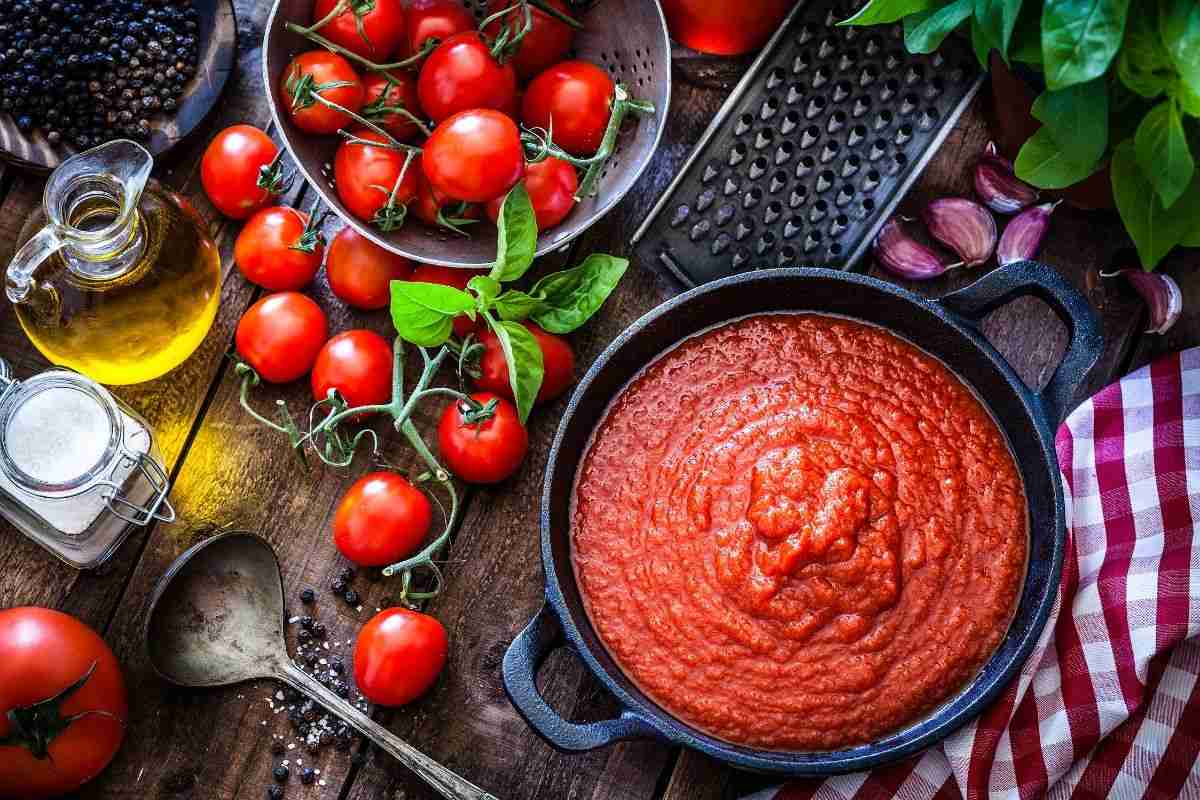
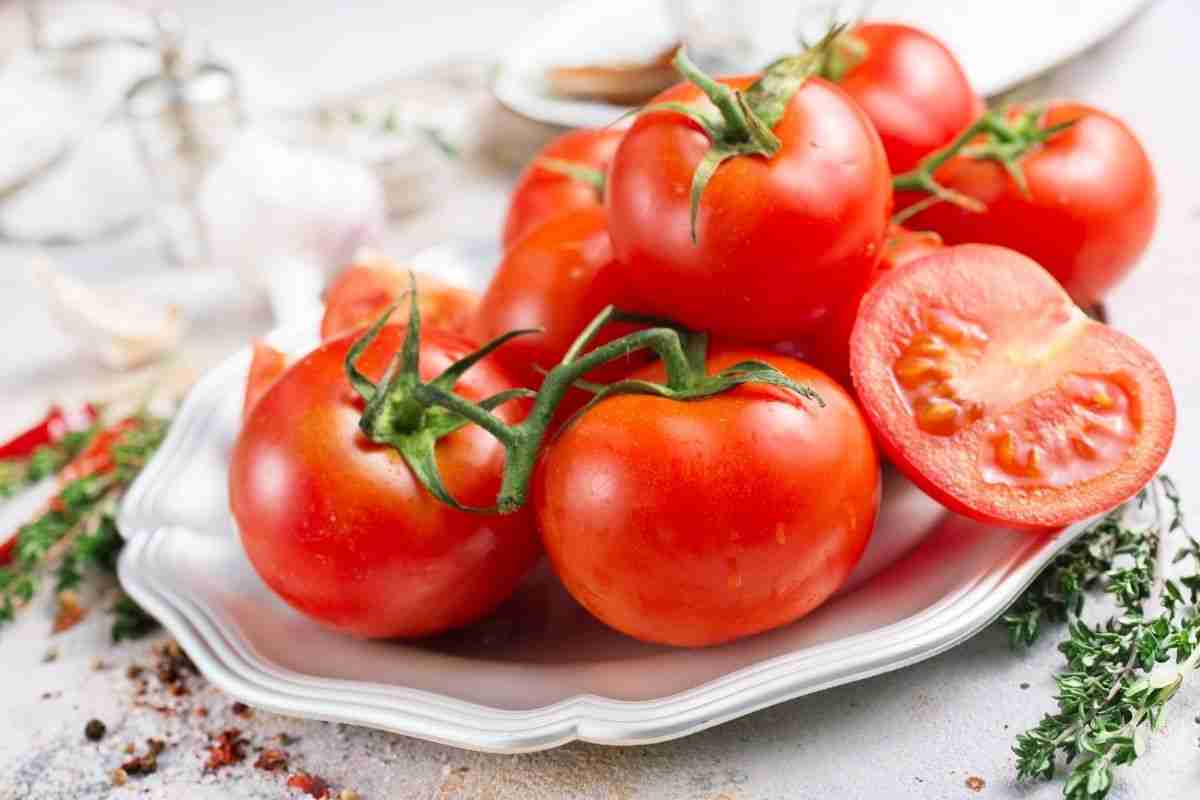
- Fresh ripe tomatoes (2 lbs) or canned whole peeled tomatoes (28 oz) – The star of the show! Fresh tomatoes bring natural sweetness and acidity, while canned tomatoes provide convenience and consistency. San Marzano tomatoes are known for their sweetness and lower acidity, making them a great choice. Feel free to experiment with different varieties to find your favorite flavor profile.
- Tomato puree (optional, adjust to taste) – This concentrated tomato product adds richness and body to the sauce.
- Extra virgin olive oil (2 tbsp) – Your healthy fat of choice! Extra virgin olive oil adds a touch of fruitiness, but any high-heat oil will work.
- Garlic cloves (3-4, minced) – A no-brainer for Italian flavors. Infuses the sauce with a deep, aromatic flavor. Roast the cloves for a deeper, sweeter garlic character.
- Small onion (finely chopped, 1) – Adds a mild sweetness and enhances the depth of the sauce.
- Carrot (1 small, finely grated or diced, optional) – Naturally sweetens the sauce and balances acidity without adding sugar. Sautéing it with the onions coaxes out its sweetness without burning, creating a mellow foundation for the brighter tomato flavors.
- Salt (1 tsp, adjust to taste) – The secret weapon of any kitchen! Enhances all the flavors and balances the acidity of the tomatoes.
- Black pepper (½ tsp) – Adds a subtle heat and enhances the overall seasoning.
- Sugar (½ tsp, optional) – Helps balance the acidity of the tomatoes if needed.
Herbs & Spices:
- Dried oregano (1 tsp) – Offers a slightly bitter, earthy flavor that complements the tomatoes.
- Dried basil (1 tsp) or fresh basil leaves – Adds a fresh, slightly sweet herbal note.
- Red pepper flakes (½ tsp, optional) – Provides a gentle heat for those who like a bit of spice.
- Fresh thyme or parsley (1 tsp, optional) – Adds a touch of herbal complexity and freshness.
- Rosemary (½ tsp, optional) – Adds a touch of earthiness and depth, pairing well with rich tomato-based dishes.
- Bay leaf (1, optional) – Enhances the depth of flavor and adds a subtle bitterness to balance the sauce.
Special Kick:
- Noubess Hot and Spicy Sauce (1-2 tbsp, adjust to preferred spice level) – Introduces a bold, fiery depth and an extra layer of complexity to the sauce.
Tools and Equipment Needed
To make the perfect tomato sauce, having the right tools and equipment will make the process easier and more efficient:
- Large saucepan or Dutch oven – Ideal for simmering the sauce evenly without burning.
- Cutting board and sharp knife – Essential for chopping onions, garlic, carrots, and fresh tomatoes.
- Wooden spoon or silicone spatula – Helps stir the sauce without scratching the pan.
- Blender or immersion blender (optional) – For those who prefer a smooth sauce.
- Fine mesh strainer (optional) – Useful for removing seeds and skins from fresh tomatoes.
- Measuring spoons and cups – Ensures precise seasoning and ingredient amounts.
- Ladle – Makes it easy to serve and store the sauce.
- Storage containers or jars – For storing leftover sauce in the fridge or freezer.
Tips for Saucy Success:
- Don’t Brown the Base: Resist the urge to caramelize the onions and carrots if using. You want them softened and translucent, not browned, to avoid a bitter flavor in the final sauce.
- Simmering is Key: Patience is a virtue! Let the sauce simmer for at least an hour and a half, allowing the flavors to develop and meld. The longer it simmers, the thicker and more complex it will become.
- Straining vs. Blending: The choice is yours! Straining removes tomato skins and herbs for a smoother texture. A food mill creates a silky-smooth sauce, while a blender gives you a completely homogenous consistency.
- Freeze It! Homemade tomato sauce freezes beautifully. Portion it out into containers and freeze for delicious homemade goodness whenever you crave it.
With these tips and a little experimentation, you’ll be a tomato sauce pro in no time!
Check out the recipe below for instructions on hoe to make the perfect homemade tomato sauce.
Tips for Making Chunky Tomato Sauce
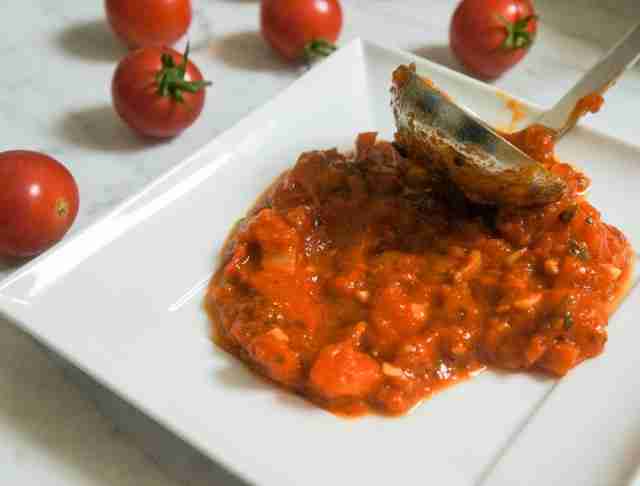
If you prefer a hearty, rustic-style tomato sauce with a chunky texture, here are some helpful tips:
- Use Diced Tomatoes: Instead of blending or crushing the tomatoes, chop them into small but noticeable pieces. If using canned tomatoes, opt for diced rather than pureed or whole peeled varieties.
- Skip the Blender: Avoid using an immersion or standard blender at the end. Instead, use a wooden spoon to gently mash the tomatoes as they cook.
- Cook with Large Tomato Chunks: Cut fresh tomatoes into large pieces and allow them to break down naturally while simmering.
- Add Vegetables for Extra Texture: Consider adding diced bell peppers, zucchini, or mushrooms to enhance the chunkiness and add more depth to the sauce.
- Reduce Simmering Time: A shorter simmering time will help retain some of the tomatoes’ original shape and texture.
- Sauté Ingredients Separately: Cook onions, garlic, and carrots first, then add them to the sauce to keep their texture more distinct.
- Finish with Fresh Tomatoes: Stir in additional diced fresh tomatoes at the end of cooking to preserve a bright, fresh texture and taste.
Preservation Methods for this Easy Tomato Sauce Recipe
The two best methods for preserving tomato sauce depend on how long you want to store it and your comfort level in the kitchen:
- Freezing: This is the simplest and fastest method, perfect for short-term storage.
- Pros: Easy, requires no special equipment, defrosts quickly.
- Cons: Not ideal for long-term storage (3-4 months recommended), takes up freezer space.
- Canning: This method involves sterilizing jars and processing the sauce in a boiling water bath to create a shelf-stable product.
- Pros: Longer shelf life (up to 1 year), doesn’t require freezer space.
- Cons: Requires more time and specific equipment (canning jars, water bath canner), involves following safety guidelines for proper canning techniques.
Choosing the Best Method:
- Short-term storage (up to 4 months): Freeze your tomato sauce in airtight containers or freezer bags.
- Long-term storage (up to 1 year): Can your tomato sauce using a water bath canner and following proper canning safety guidelines. You can find many resources online and in libraries for safe canning practices.
How to Use Tomato Sauce
Tomato sauce’s versatility is what makes it a kitchen staple. Here are some ideas to get your creative juices flowing:
Classic Pairings:
- Pasta: The most obvious use! Toss cooked pasta with your sauce for a simple yet satisfying meal. Experiment with different pasta shapes and add your favorite protein or vegetables.
- Pizza: Homemade or store-bought crust is transformed with a layer of delicious tomato sauce. Pile on your favorite toppings and bake for a pizzeria-worthy pizza at home.
Soups and Stews:
- Minestrone: Add depth and richness to this classic vegetable soup with a generous helping of tomato sauce.
- Lentil Soup: Earthy lentils become even more comforting when simmered in a flavorful tomato base.
- Chili: A hearty chili gets its tangy kick from a base of tomato sauce. Add your favorite beans, meat (optional), and spices for a crowd-pleasing dish.
Creative Canvas:
- Shakshuka: This North African dish features eggs poached in a flavorful tomato sauce, perfect for a unique and delicious breakfast.
- Eggs in Purgatory: Another egg dish, this Italian recipe involves simmering eggs in a spicy tomato sauce for a quick and satisfying meal.
- Baked Eggplant Parmesan: Layer thinly sliced eggplant with tomato sauce and cheese for a vegetarian twist on a classic.
- Stuffed Peppers: Bell peppers become delightful flavor bombs when stuffed with a mixture of rice, vegetables, and tomato sauce.
- Vegetable Noodles: Spiralized zucchini, butternut squash, or sweet potato noodles become a healthy base for your favorite tomato sauce.
- Sauces for Meat: Use your tomato sauce as a base for simmering meatballs, chicken breasts, or sausages, creating flavorful and easy weeknight meals.
Beyond the Recipe:
- Tomato Dipping Sauce: Doctor up your tomato sauce with a touch of olive oil, fresh herbs, and a squeeze of lemon juice for a delicious dipping sauce for bread or vegetables.
- Braising Liquid: Use tomato sauce as a base for braising meats or vegetables, adding moisture and flavor as they cook low and slow.
Remember, this is just a starting point! With a jar (or pot) of homemade tomato sauce on hand, the possibilities are endless.
Additional Tips:
- Experiment with different herbs – Sage and marjoram can add unique flavors that complement different dishes.
- For a richer sauce – Let it simmer longer to deepen the flavors and create a more concentrated consistency.
- Use a Parmesan rind – Simmering a rind in the sauce adds umami and a subtle cheesiness.
- Add a splash of red wine – Enhances the depth and complexity of the sauce, especially when cooking meat-based dishes.
Your Perfect Tomato Sauce Awaits:
This recipe provides a fantastic base for countless culinary creations. Use it as a vibrant sauce for pasta, add it to stews and soups for depth of flavor, or get creative and use it in unexpected ways. With its rich flavor and versatility, this tomato sauce is sure to become a staple in your kitchen.
Bonus Tip: This sauce freezes beautifully! Portion it out into containers and freeze for delicious homemade tomato sauce whenever you need it.
This simple yet flavorful tomato sauce, enhanced by the spicy depth of Noubess Hot and Spicy Sauce, is a game-changer. Whether you like it smooth or chunky, mild or spicy, this versatile sauce will become a staple in your kitchen. Enjoy!
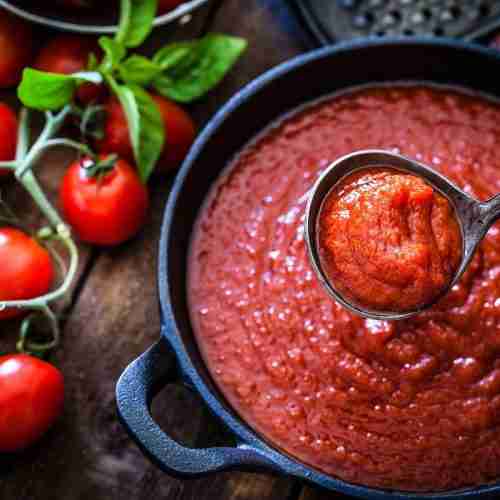
The Perfect Tomato Sauce
Equipment
- Large saucepan or Dutch oven
- Food Mill
- Storage containers or jars
Ingredients
Base Ingredients:
- 2 lbs fresh ripe tomatoes or one 28-ounce can of whole peeled tomatoes
- 2 tbsp extra virgin olive oil
- 3-4 garlic cloves minced
- 1 small onion finely chopped
- 1 tsp salt adjust to taste
- ½ tsp black pepper
- ½ tsp sugar optional, to balance acidity
Herbs & Spices:
- 1 tsp dried oregano
- 1 tsp dried basil or a handful of fresh basil leaves
- ½ tsp red pepper flakes optional for extra heat
- 1 tsp fresh thyme or parsley optional for extra depth
Special Kick:
- 1-2 tbsp Hot and Spicy Sauce adjust to preferred spice level
Instructions
Preparing the Tomatoes
- If using fresh tomatoes, blanch them in boiling water for 30-60 seconds, then transfer to an ice bath. Peel off the skins, remove the seeds (optional), and chop finely or blend for a smoother sauce.
Sautéing the Base
- Heat the extra virgin olive oil in a large saucepan over medium heat. Add the chopped onions and sauté until they turn translucent, about 3-5 minutes. Stir in the minced garlic and cook for another 30 seconds until fragrant.
Cooking the Tomatoes
- Add the fresh or canned tomatoes to the pan, breaking them apart with a wooden spoon. Stir in salt, black pepper, and sugar (if using). Let the sauce simmer on low heat for about 30 minutes, stirring occasionally.
Adding Herbs & Spices
- Stir in oregano, basil, and thyme. If using fresh basil, add it toward the end of cooking to preserve its fresh flavor.
Infusing Heat with Noubess Hot and Spicy Sauce
- For a bold and fiery depth, add 1-2 tablespoons of Noubess Hot and Spicy Sauce. Stir well and let the flavors meld together for another 5-10 minutes.
Blending (Optional)
- For a smooth sauce, use an immersion blender directly in the pan or transfer to a blender and blend until desired consistency is reached.
Final Touches
- Taste and adjust seasoning if needed. Drizzle a little more extra virgin olive oil for added richness before serving.
Notes
Serving Suggestions
Toss with pasta and freshly grated Parmesan cheese. Use as a base for homemade pizza. Serve over grilled vegetables or meat dishes. Store in an airtight container in the refrigerator for up to 5 days or freeze for longer storage.Tips for Making Chunky Tomato Sauce
If you prefer a hearty, rustic-style tomato sauce with a chunky texture, here are some helpful tips:- Use Diced Tomatoes: Instead of blending or crushing the tomatoes, chop them into small but noticeable pieces. If using canned tomatoes, opt for diced rather than pureed or whole peeled varieties.
- Skip the Blender: Avoid using an immersion or standard blender at the end. Instead, use a wooden spoon to gently mash the tomatoes as they cook.
- Cook with Large Tomato Chunks: Cut fresh tomatoes into large pieces and allow them to break down naturally while simmering.
- Add Vegetables for Extra Texture: Consider adding diced bell peppers, zucchini, or mushrooms to enhance the chunkiness and add more depth to the sauce.
- Reduce Simmering Time: A shorter simmering time will help retain some of the tomatoes’ original shape and texture.
- Sauté Ingredients Separately: Cook onions, garlic, and carrots first, then add them to the sauce to keep their texture more distinct.
- Finish with Fresh Tomatoes: Stir in additional diced fresh tomatoes at the end of cooking to preserve a bright, fresh texture and taste.
Nutrition
Please keep in mind that nutritional information is a rough estimate and can vary greatly based on the products used.
Nutrition info is automatically generated and provided as a courtesy and as an estimate only.
Originally published on October 20, 2014, April 4, 2024. Revised and republished.


