Green Beans Benefits + Haitian Cooking Guide
Green beans may not get the same attention as kale, avocados, or sweet potatoes, but they quietly do a lot of heavy lifting in the kitchen. They are affordable, easy to cook, widely available year-round, and packed with nutrients that support everyday health.
Whether you call them green beans, string beans, or French beans, these crisp vegetables deserve more credit than they usually get.
In Caribbean kitchens, green beans are often sautéed with garlic, tomatoes, onions, herbs, or cooked alongside stews and roasted meats. They add freshness, texture, and color to a meal without making it feel heavy. One common dish
And honestly? In a time when grocery prices are climbing, green beans are one of those practical vegetables that still give you a lot for your money.

Table of Content
What Are Green Beans?
Green beans are immature pods from the common bean plant. Unlike dried beans, green beans are eaten whole, pod and all.
They are known for their crisp texture, mild flavor, and versatility. You can roast them, steam them, sauté them, stir-fry them, or add them to soups and casseroles.
Common varieties include:
- String beans
- French green beans (haricots verts)
- Flat Romano beans
- Yellow wax beans
Nutritional Benefits of Green Beans
Green beans are naturally low in calories but rich in nutrients your body needs daily.
One cup of cooked green beans contains:
- Fiber
- Vitamin C
- Vitamin K
- Vitamin A
- Folate
- Potassium
- Plant compounds and antioxidants
These nutrients support immune health, digestion, bone strength, and heart health. Green beans also contain antioxidants like flavonoids and carotenoids that help protect cells from oxidative stress.
How to Buy and Store Green Beans
Fresh green beans taste best when they are firm, vibrant, and crisp.
When shopping for green beans, look for:
- bright green color
- smooth skin
- firm texture
- beans that snap easily when bent
Avoid green beans that look:
- limp
- wrinkled
- overly soft
- spotted or discolored
In many Caribbean households, fresh green beans are preferred because they hold their texture better during cooking and absorb seasoning more naturally.
How to Store Fresh Green Beans
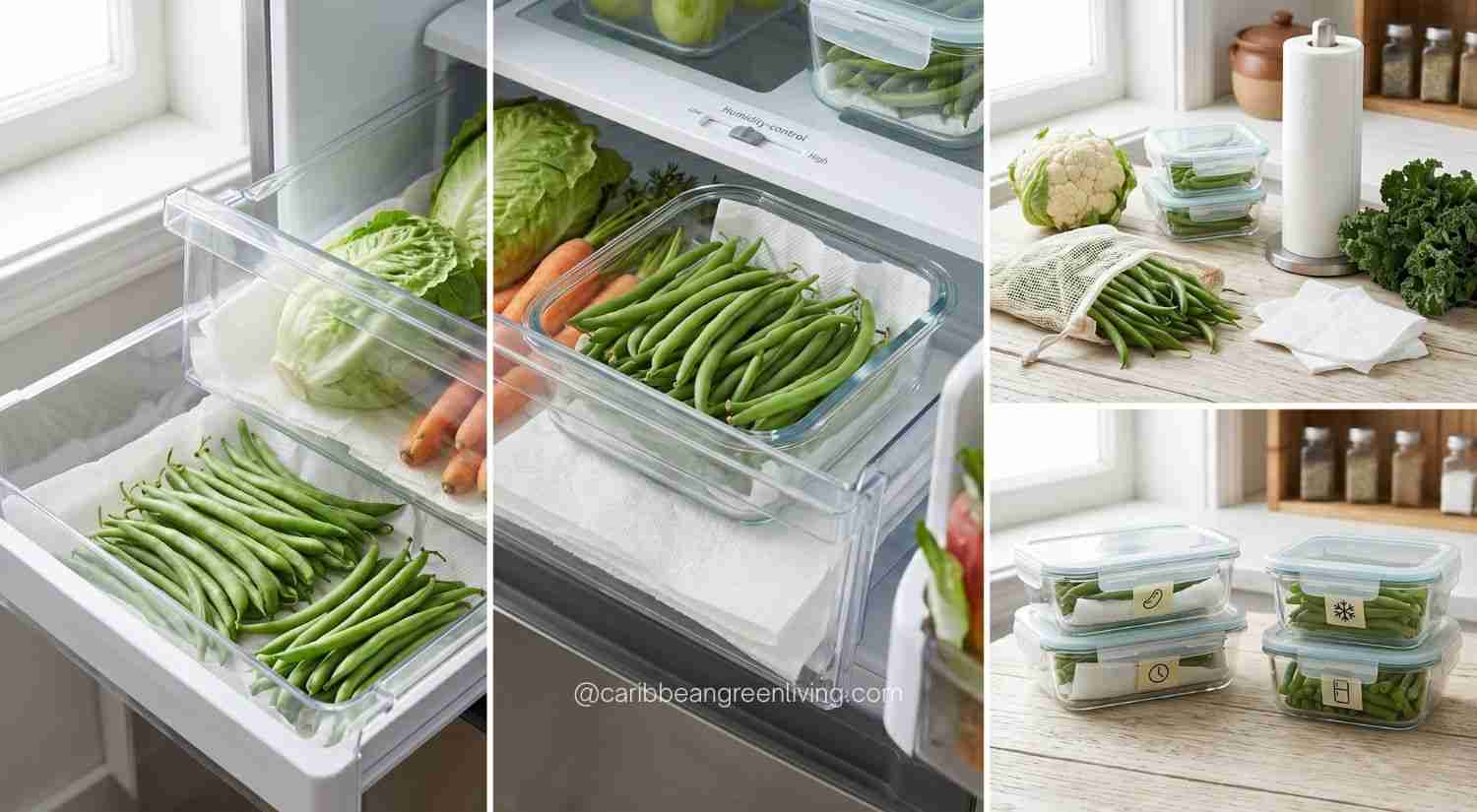
Fresh green beans should be stored unwashed in the refrigerator inside a breathable produce bag or container lined with paper towels.
They usually stay fresh for about:
- 5 to 7 days in the refrigerator
Wash them only when ready to cook to avoid excess moisture buildup.
If you buy green beans in bulk, you can also:
- trim them ahead of time
- blanch briefly
- freeze for later use
This helps reduce food waste and makes meal prep easier during busy weeks.
Fresh vs Frozen vs Canned Green Beans
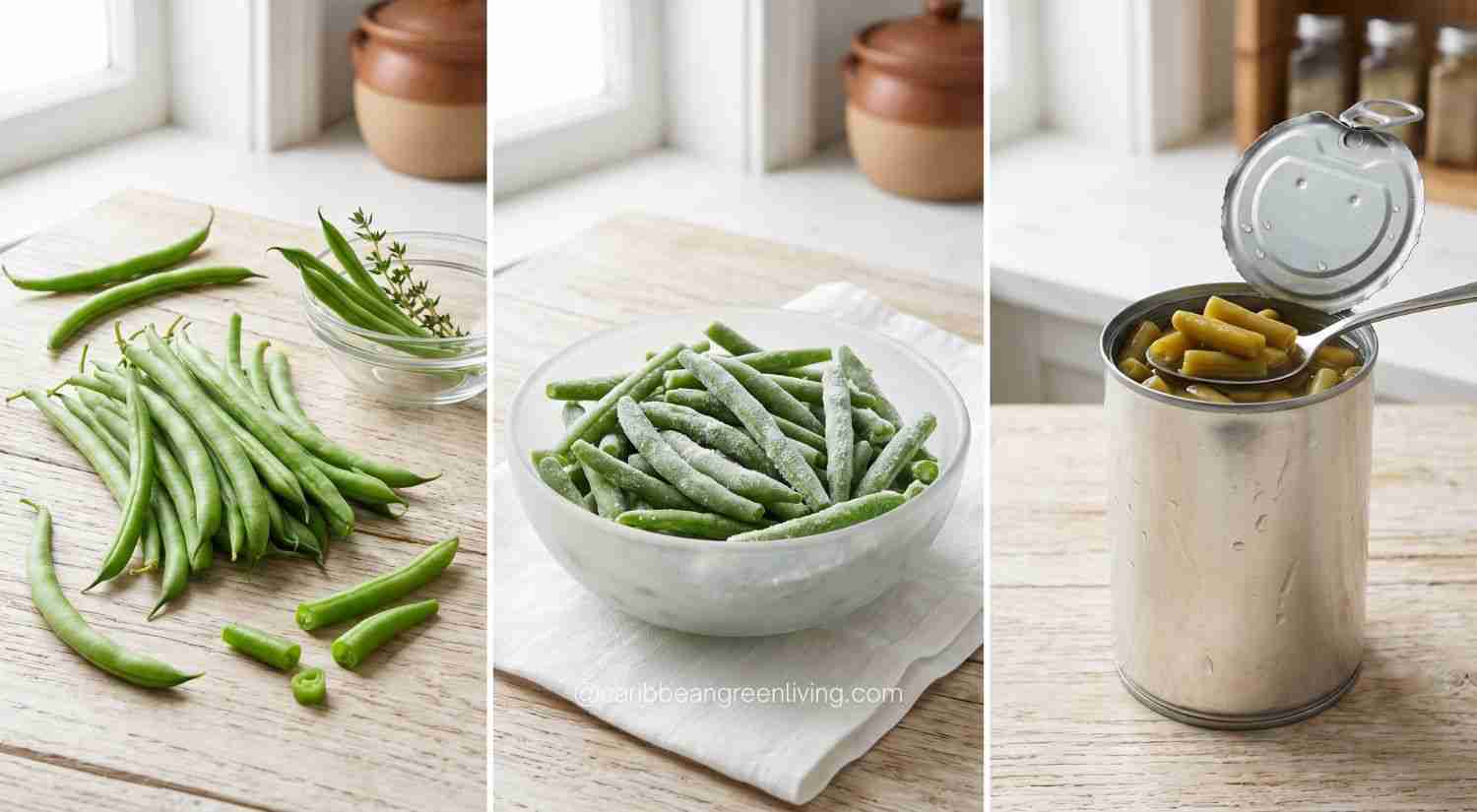
Each type of Green bean has its place depending on your schedule, budget, and cooking style.
Fresh Green Beans
Fresh green beans usually provide the best texture and flavor. They stay slightly crisp when cooked and absorb seasonings beautifully in sautéed dishes, soups, and stews.
Many Haitian cooks prefer fresh green beans because they taste cleaner and hold up better in traditional dishes like legim or beef with green beans.
The downside is that they require more prep work:
- washing
- trimming
- cutting
- cleaning carefully
Still, many home cooks believe the flavor is worth the extra effort.
Frozen Green Beans
Frozen green beans are convenient and budget-friendly.
They are typically frozen shortly after harvesting, which helps preserve nutrients. Frozen green beans work well in:
- soups
- quick stir-fries
- casseroles
- meal prep
However, they can become softer faster during cooking and may release extra moisture.
Canned Green Beans
Canned green beans are the quickest option and can be useful for emergency pantry meals or fast side dishes.
However, they are usually much softer in texture and often contain added sodium.
If using canned green beans:
- rinse them before cooking
- avoid overcooking
- add fresh herbs and aromatics for flavor
For many Caribbean-style dishes, fresh green beans still provide the best overall taste and texture.
1. Green Beans Help Support Digestion
Fiber is one of the biggest reasons to eat more green beans.
A fiber-rich diet helps:
- Support regular bowel movements
- Feed beneficial gut bacteria
- Promote fullness after meals
- Support stable blood sugar levels
Many people do not eat enough fiber daily, and green beans are an easy way to increase intake without drastically changing your meals.
If your meals tend to feel heavy or overly starchy, adding green beans can help balance the plate. Think about a complete plate with rice, roasted or grilled meat, plantains, and a side of green beans; that is a nourishing meal.
2. Green Beans Can Help With Weight Management
Green beans are low in calories yet satisfying thanks to their fiber and water content.
That combination helps you stay fuller longer without needing overly large portions.
This matters because sustainable eating habits are not about starving yourself or following extreme diets. They are about building meals that are filling, balanced, and realistic.
Green beans pair especially well with:
- Roasted chicken
- Fish
- Rice dishes
- Ground provisions
- Stir-fries
- Grain bowls
They bulk up meals naturally without adding excessive calories.
3. Green Beans Support Heart Health
Green beans contain potassium and antioxidants that support cardiovascular health. Potassium helps balance sodium levels in the body and supports healthy blood pressure. Meanwhile, antioxidants help protect cells from oxidative damage linked to inflammation and chronic disease.
No vegetable is a magic cure, but regularly eating vegetables like green beans is part of a heart-supportive eating pattern.
4. Green Beans Contain Nutrients That Support Bone Health
Vitamin K plays an important role in bone metabolism and calcium regulation. Green beans provide a good source of vitamin K, which may help support bone density over time when combined with an overall nutrient-rich diet.
This becomes more important as we age, especially for women.
5. Green Beans Support Eye Health
Green beans contain carotenoids such as lutein and beta-carotene. These compounds help support eye health and may help protect against age-related vision issues over time.
Foods rich in colorful plant compounds matter because they help reduce oxidative stress throughout the body — not just in the eyes.
6. Green Beans Are Budget-Friendly and Easy to Cook
This is the part more people should talk about. Healthy eating has to be practical.
Green beans are:
- Affordable
- Easy to find
- Quick to prepare
- Freezer-friendly
- Versatile across cuisines
Fresh, frozen, or even canned green beans can work depending on your budget and schedule. Frozen green beans are especially useful for busy weeks because they cook quickly and reduce food waste.
How Green Beans Are Used in Haitian Cuisine
In Haitian cooking, green beans are commonly used as a fresh vegetable side dish, added to soups, or cooked into hearty vegetable stews like legim. While frozen and canned options exist, most Haitians prefer buying green beans fresh from the market or grocery store.
Fresh green beans simply taste better. They keep their texture, absorb seasoning well, and hold up beautifully when sautéed or simmered in sauces and stews.
Personally, I always prefer fresh over frozen or canned. Yes, cleaning fresh green beans takes more time and patience, but the flavor and texture are worth it. Fresh green beans also give you more control over the final dish because they are less watery and do not turn mushy as quickly during cooking.
Sautéed with Epis
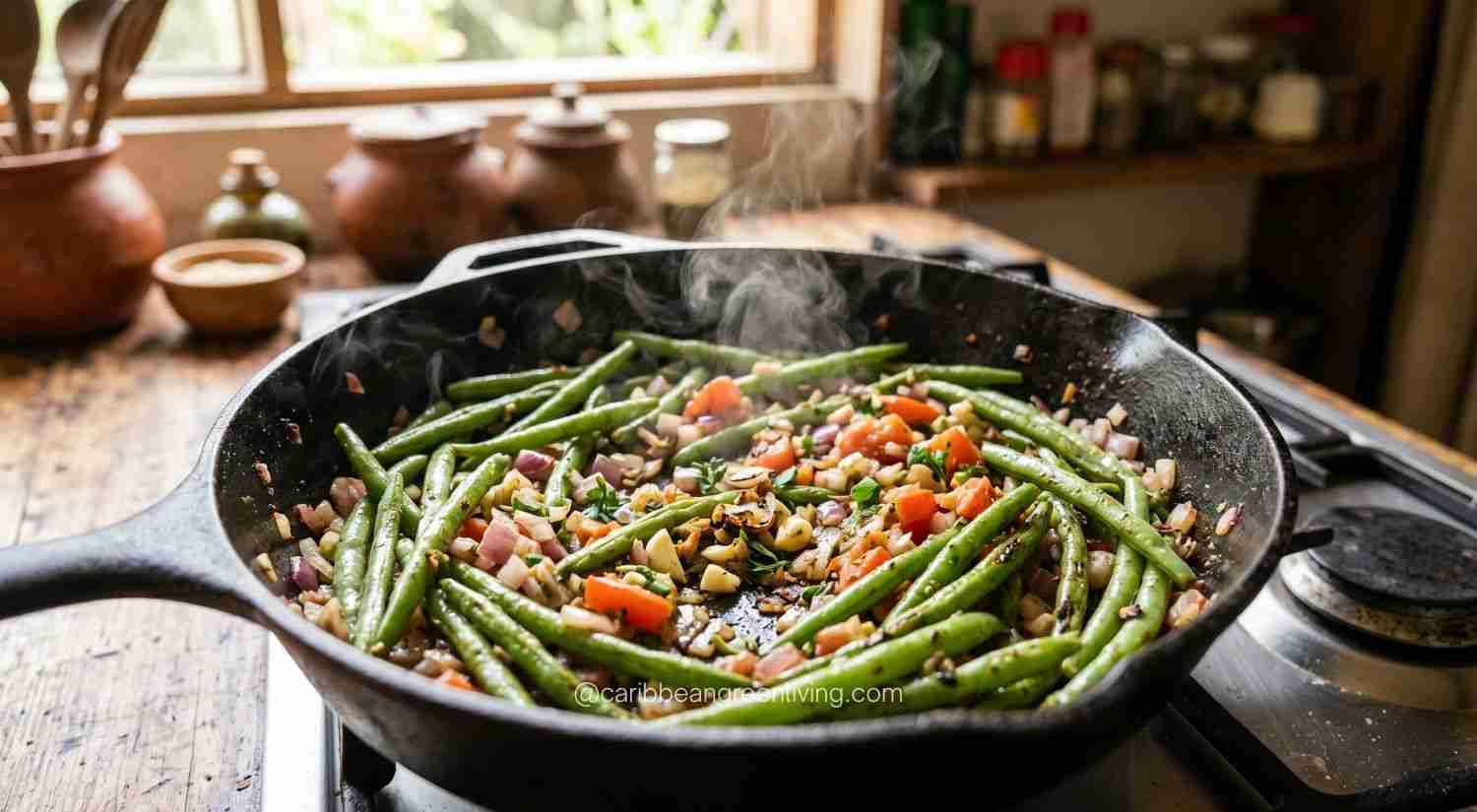
One of the simplest ways green beans are prepared in Haitian kitchens is by sautéing them with Epis, the Haitian seasoning blend made with herbs, garlic, peppers, onions, and aromatics.
The green beans are usually:
- trimmed and cleaned
- lightly boiled or steamed until slightly tender
- sautéed with epis, onions, garlic, and sometimes tomatoes
This method creates a flavorful side dish that pairs well with rice, meat, fish, or fried plantains. Some cooks also add thyme, parsley, or a small amount of tomato paste for deeper flavor.
Added to Haitian Soups
Green beans are also commonly added to Haitian soups, especially vegetable-based soups and bouillon-style dishes.
They add:
- texture
- color
- freshness
- extra nutrients
Because green beans cook relatively quickly, they are usually added toward the middle or end of cooking so they stay tender without becoming overly soft.
Used in Haitian Legim (Vegetable Stew)
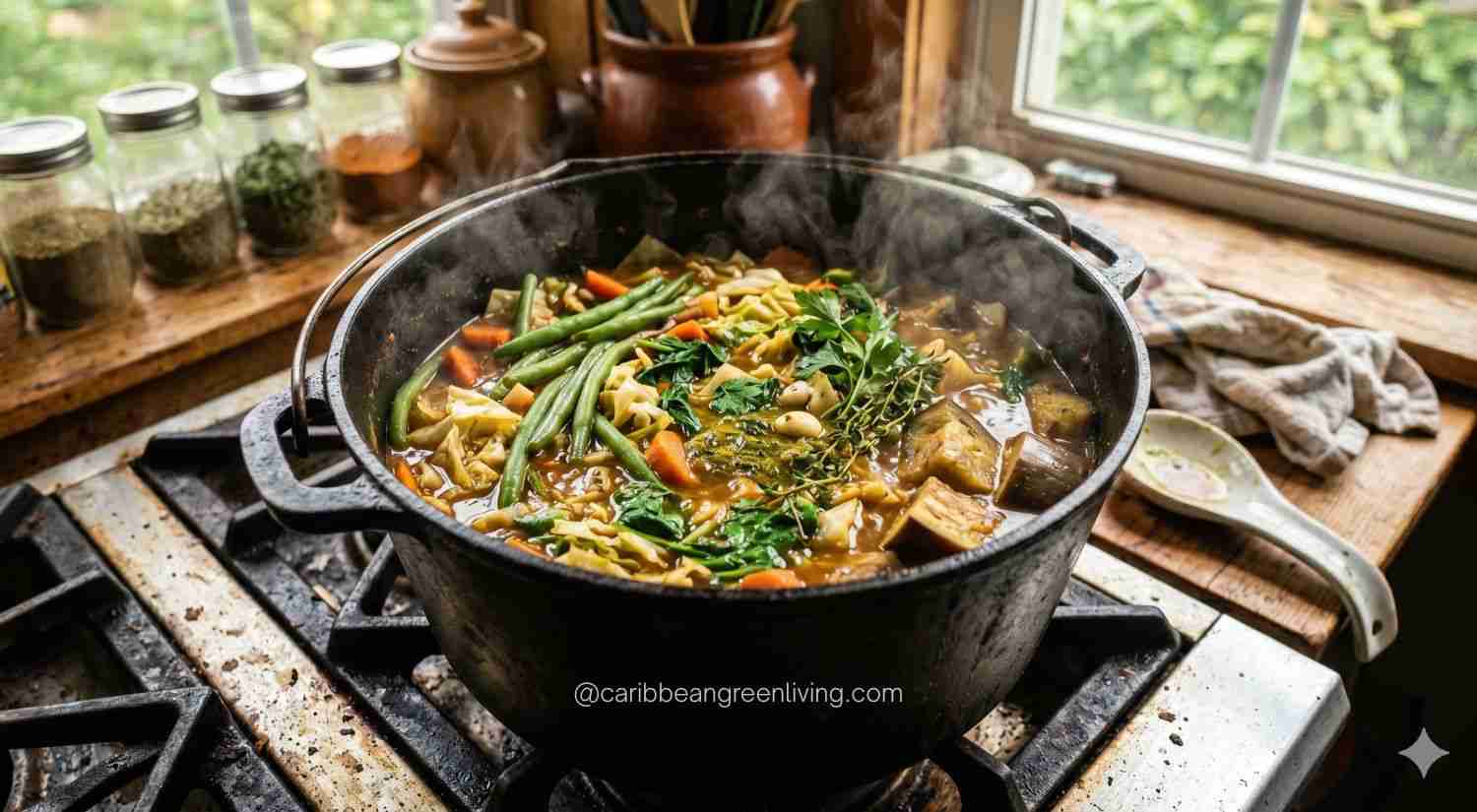
Green beans are often included in Haitian legim, a thick vegetable stew traditionally made with eggplant, chayote, cabbage, carrots, spinach, and other vegetables.
In Haitian legim, green beans help balance the texture of softer vegetables while adding freshness and color to the stew. They absorb the epis and seasonings beautifully without overpowering the dish.
Legim is one of the best examples of how Haitian cooking turns simple vegetables into deeply flavorful comfort food.
Haitian Beef and Green Beans
One popular way green beans are used in Haitian cooking is in a simple yet flavorful beef-and-green-bean dish, often served for lunch or dinner.
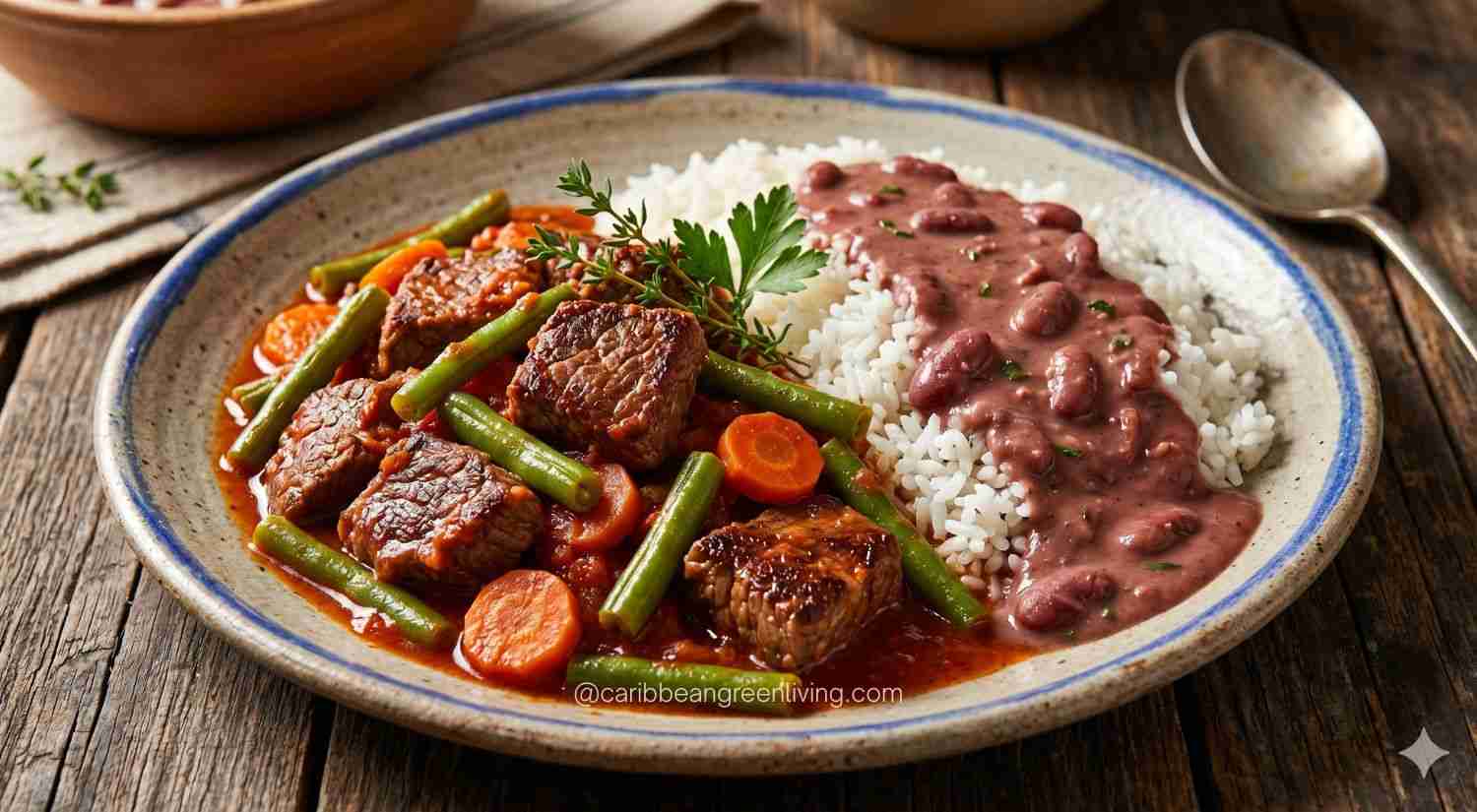
The dish is usually made with marinated beef stew meat seasoned with epis, garlic, herbs, and spices. The beef is first cooked until tender, then lightly pan-fried to create a rich crust and deeper flavor before being combined with a tomato-based sauce.
Fresh green beans and carrots are then added to the sauce. The carrots bring sweetness and color, while the green beans add texture and freshness to the dish.
It is a practical everyday meal because it cooks relatively quickly and pairs well with staple sides like:
- white rice with sos pwa
- rice and beans
- plantains
- salad or avocado
This type of meal reflects the heart of Haitian home cooking with simple ingredients layered with seasoning, texture, and flavor without needing complicated techniques.
Cleaning Fresh Green Beans the Traditional Way
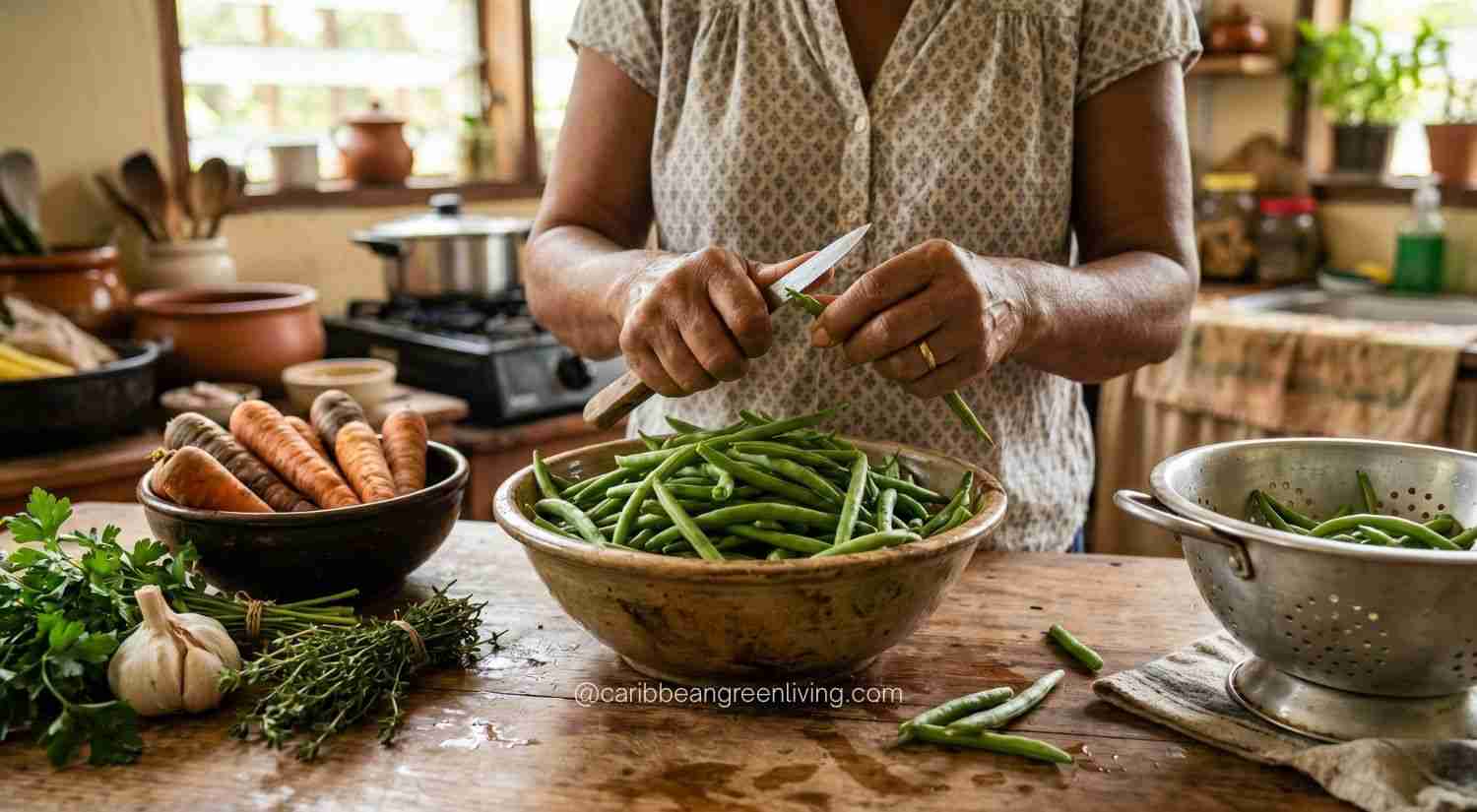
Preparing fresh green beans takes a little work, but it is part of the cooking process that many Caribbean households are familiar with.
Fresh green beans are usually:
- rinsed thoroughly
- trimmed at both ends
- sometimes cut into smaller pieces
- checked for tough strings if necessary
It is not difficult, but it does require patience, especially when preparing a large batch for soup or stews.
Still, many people prefer the freshness, flavor, and texture of fresh green beans over canned varieties, which can taste overly soft or salty.
Best Ways to Cook Green Beans
Green beans taste best when they still have a little bite and freshness.
Simple cooking methods include:
- Sautéing with garlic and olive oil
- Roasting with herbs
- Stir-frying with onions and peppers
- Steaming and topping with lemon juice
- Cooking with tomatoes and fresh herbs
- Adding to soups and stews
One mistake people make is overcooking them until they become dull and mushy. Green beans should still have texture.
Easy Ways to Add Green Beans to Meals
Here are simple ways to use more green beans during the week:
- Add them to sheet pan dinners
- Toss them into rice dishes (add carrots and peas)
- Serve them with grilled fish
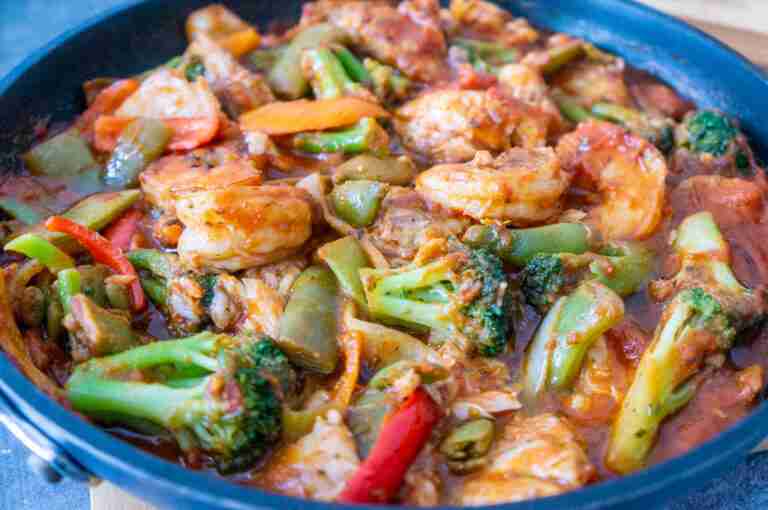
- Mix them into vegetable stir-fries
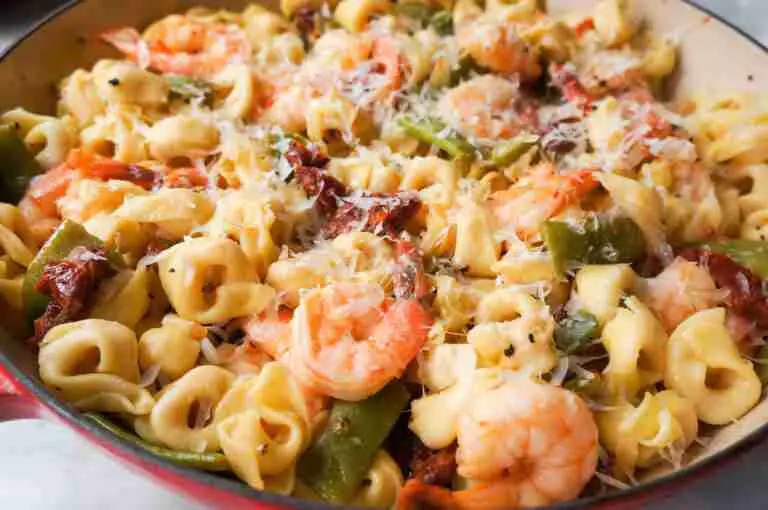
- Add them to pasta dishes
- Pair them with roasted meats
- Include them in meal prep bowls
They work especially well with garlic, onions, thyme, parsley, butter, olive oil, tomatoes, and citrus.
Green Bean Recipe Ideas
You can also try:
- Garlic green beans
- Roasted green beans with herbs
- Green beans with tomatoes and onions
- Green beans with almonds
- Caribbean-style sautéed string beans
- Green bean stir-fry with peppers
- Green beans with garlic butter


Frequently Asked Questions
Are green beans healthy?
Yes. Green beans are rich in fiber, vitamins, antioxidants, and minerals while remaining low in calories.
Are canned green beans still healthy?
Yes, although fresh or frozen usually retain their texture better. If using canned green beans, rinse them to reduce excess sodium.
Can green beans help with digestion?
Their fiber content helps support digestion and regular bowel movements.
Are green beans good for weight loss?
Green beans can support weight management because they are filling, low in calories, and high in fiber.
What is the healthiest way to cook green beans?
Light steaming, sautéing, roasting, or stir-frying helps preserve flavor and texture without overcooking them.
Final Thoughts
Green beans may not be trendy, but they are one of the most practical vegetables you can keep in your kitchen.
They are nutritious, affordable, versatile, and easy to add to everyday meals. Sometimes the healthiest foods are not exotic superfoods; they are the reliable ingredients that consistently show up on your plate and help you eat better over time.
And green beans absolutely fit into that category.
Additional Nutrition Resources
For additional nutrition information about green beans, these resources may be helpful:
- WebMD Green Beans Health Benefits
- Healthline Guide to Green Beans
- Medical News Today: Green Beans Nutrition Facts and Benefits
Originally published June 8, 2023. Revised and updated with health benefits and a cooking guide.