A Sustainable Autumn: Gardening and Caribbean Cuisine
Autumn is a season of transition, a time for reflection and renewal. As the leaves change color and temperatures drop, it’s the perfect opportunity to embrace nature and foster a sustainable lifestyle. Let’s explore how to incorporate sustainable gardening practices, enjoy the health benefits of Caribbean cuisine, and even grow your own herbs indoors.
Sustainable Gardening for Autumn
- Composting: As leaves fall, collect them to create nutrient-rich compost for your garden. Composting helps reduce waste and improves soil health.
- Cover Cropping: Plant cover crops like winter rye or legumes between rows of vegetables to prevent soil erosion, enrich the soil, and attract beneficial insects.
- Succession Planting: To extend your growing season, plant cool-weather crops like kale, spinach, and radishes for a continuous harvest.
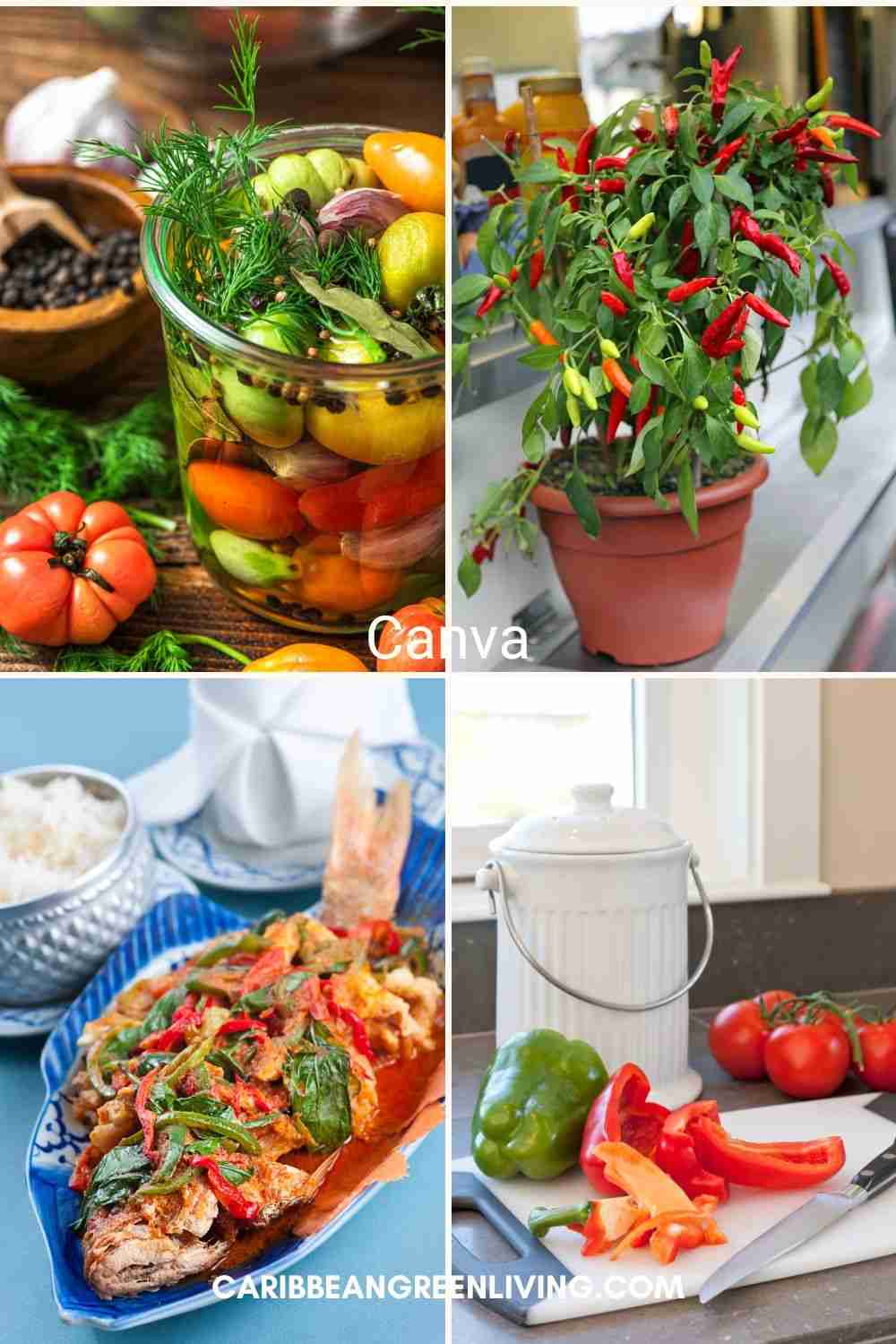
- Harvesting and Preserving: Preserve your fall harvest by canning, freezing, or pickling. This not only reduces food waste but also ensures a supply of fresh produce throughout the year.
Indoor Herb Gardening
Indoor herb gardening is a great way to enjoy fresh herbs year-round, regardless of the weather outside. Here are some popular herbs that can be easily grown indoors:
- Basil: Basil is a versatile herb that can be used in a variety of dishes, from pasta sauces to pesto.
- Mint: Mint is a refreshing herb that can be used in cocktails, teas, and desserts.
- Parsley: Parsley is a classic herb that can be used in soups, salads, and sauces.
- Thyme: Thyme is a flavorful herb that can be used in poultry, meat, and vegetable dishes.
- Rosemary: Rosemary is a hardy herb that can be used in a variety of dishes, from roasted meats to Mediterranean-inspired dishes.
To grow herbs indoors, you’ll need a sunny location, well-draining soil, and regular watering. You can use pots or containers of various sizes, depending on the herbs you want to grow. With a little care, you can enjoy a fresh supply of herbs throughout tamahe year.
The Health Benefits of Caribbean Cuisine
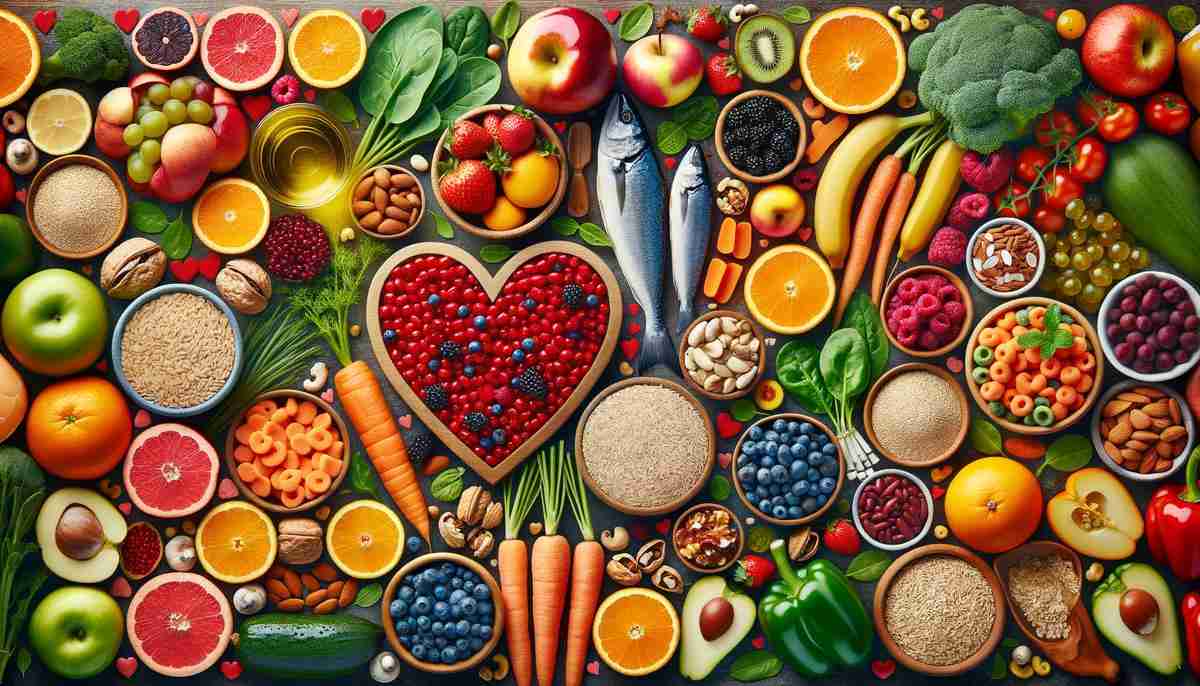
Traditional Caribbean cuisine has long been recognized for its rich flavors and nutritional value. Many of these dishes are rooted in centuries-old recipes that have been passed down through generations, incorporating ingredients that are both delicious and beneficial for health.
Caribbean cuisine often features an abundance of fresh fruits and vegetables, rich in vitamins, minerals, and antioxidants. Lean proteins like fish, poultry, and legumes are also common, providing essential nutrients and supporting heart health. Healthy fats, such as coconut oil, offer benefits like boosting metabolism and supporting weight management. And Caribbean spices, like turmeric, ginger, and allspice, have anti-inflammatory and antioxidant properties, promoting overall health and well-being.
Modern Interpretations of These Dishes with a Focus on Healthy Ingredients
Modern chefs have embraced Caribbean cuisine, reinterpreting classic dishes with a focus on health and sustainability. These modern interpretations often incorporate healthier ingredients and cooking techniques, while still maintaining the vibrant flavors that Caribbean cuisine is known for.
For example, traditional jerk chicken may be grilled or roasted instead of fried, and the marinade may be adjusted to reduce sugar and sodium. Fish dishes may feature a variety of fresh, sustainable seafood options, and vegetable-based sides may be incorporated to increase fiber and nutrient content.
By exploring modern interpretations of Caribbean cuisine, you can enjoy delicious and healthy meals that are inspired by centuries-old traditions. Whether you’re a seasoned cook or just starting out, there are plenty of ways to incorporate Caribbean flavors into your own kitchen.
Conclusion
By embracing sustainable gardening practices, enjoying the health benefits of Caribbean cuisine, and incorporating local and seasonal produce, you can create a more sustainable and fulfilling lifestyle. Let’s celebrate the beauty of autumn and the rich cultural heritage of Caribbean cuisine, while taking steps to protect our planet for future generations.