Escape to Nature’s Haven: Explore 5 Hidden Eco-Paradises in the Caribbean
Embracing the natural wonders and rich culture of the Caribbean offers a chance to connect with its vibrant ecosystems and traditions. Whether it’s contributing to coral reef conservation or savoring local flavors, each experience enriches your understanding of this beautiful region.
The Caribbean, renowned for its sun-kissed beaches and vibrant culture, also harbors a collection of lesser-known eco-gems that cater to travelers seeking sustainable and immersive experiences. These hidden paradises offer unique opportunities to connect with nature, support local communities, and contribute to conservation efforts.
1. Dominica: The Nature Island
Dominica, often dubbed the “Nature Island,” is a hiker’s paradise with lush rainforests, cascading waterfalls, and volcanic landscapes. The island’s commitment to sustainable tourism is evident in its diverse range of eco-adventures, from hiking the challenging Waitukubuli National Trail to diving in crystal-clear waters. Visitors can also explore geothermal wonders like Boiling Lake and immerse themselves in the island’s rich indigenous culture.

Tips for Responsible Travel:
- Support local businesses: Choose locally owned accommodations and restaurants.
- Respect the environment: Stay on designated trails, avoid littering, and minimize water usage.
- Participate in eco-tours: Opt for guided tours that support conservation initiatives.
2. Grenada: Spice Island Paradise
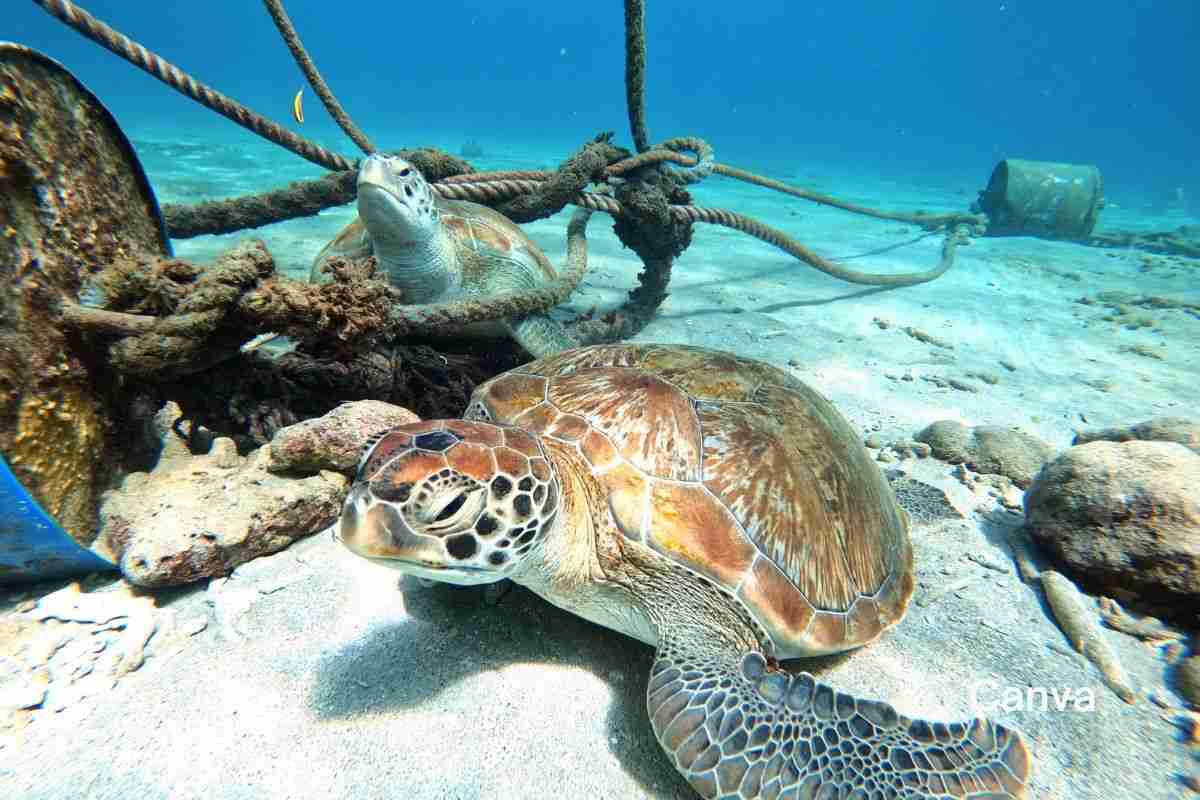
Grenada, known as the “Spice Island,” offers a harmonious blend of natural beauty and cultural richness. The island’s focus on renewable energy and sustainable practices is evident in its eco-lodges, organic farms, and marine conservation efforts. Visitors can explore the underwater world, snorkel with sea turtles, or hike through lush rainforests.
Tips for Responsible Travel:
- Choose eco-friendly accommodations: Opt for hotels and resorts that prioritize sustainability.
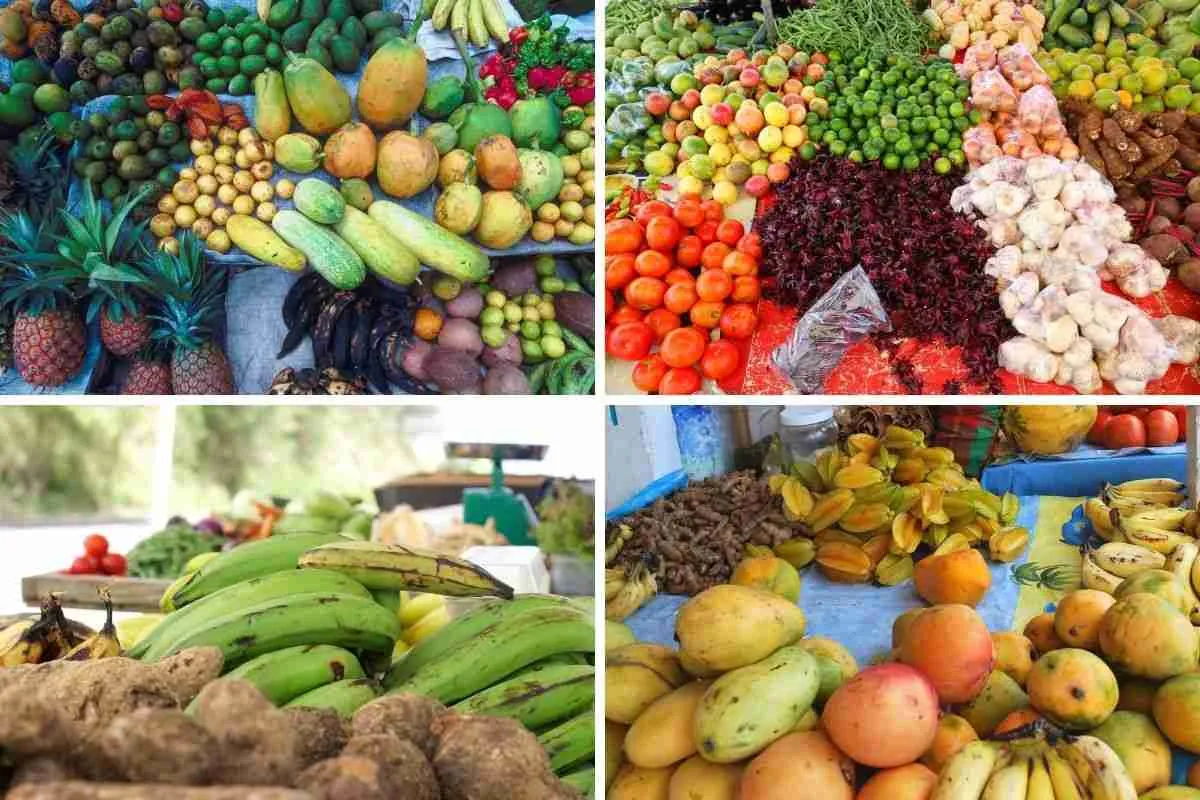
- Support local farmers: Purchase fresh, organic produce from local markets.
- Dive responsibly: Adhere to marine conservation guidelines and avoid touching coral reefs.
3. Bonaire: A Diver’s Dream
Bonaire, a Dutch Caribbean island, is a world-renowned diving destination with pristine coral reefs and abundant marine life. The island’s strict environmental regulations have helped preserve its underwater ecosystems. Visitors can explore diverse dive sites, encounter colorful fish and sea turtles, and participate in coral reef restoration projects.
Tips for Responsible Travel:
- Dive responsibly: Avoid touching or disturbing marine life.
- Use reef-safe sunscreen: Protect the delicate marine ecosystem.
- Support local conservation organizations: Donate to or volunteer with organizations dedicated to marine conservation.
4. Saba: The Unspoiled Queen
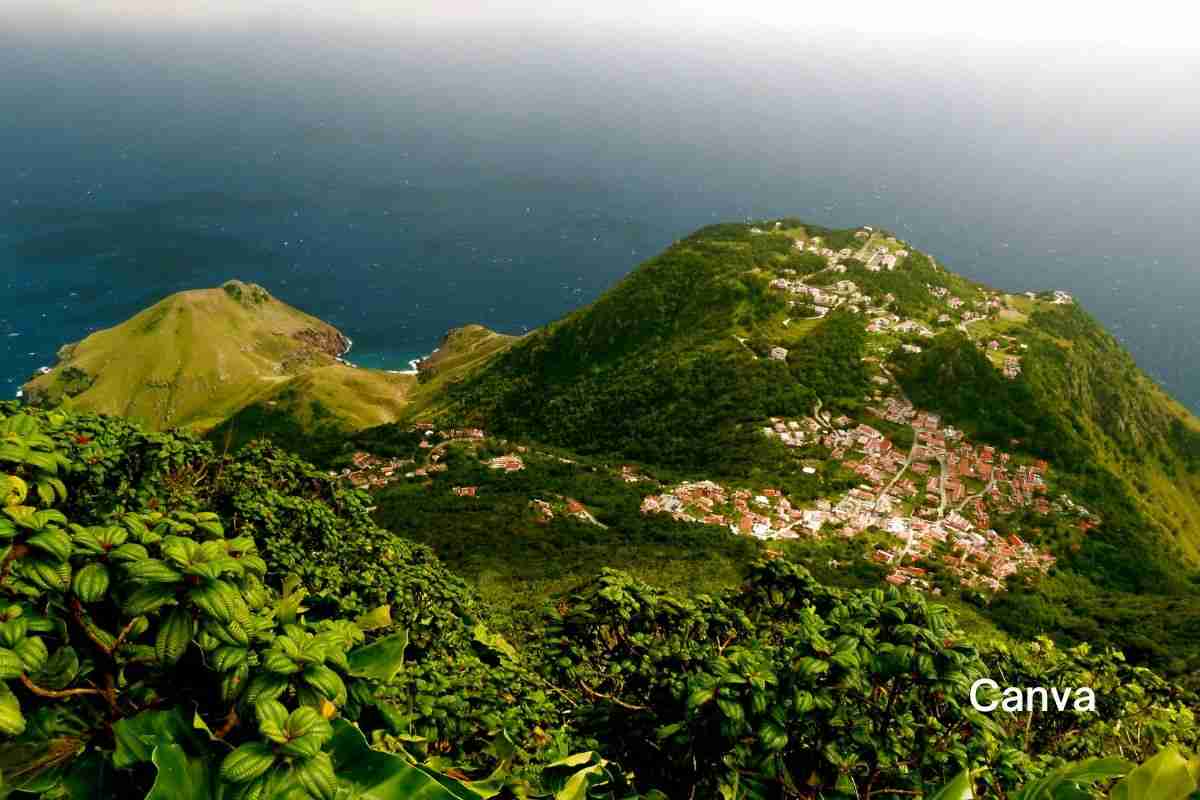
Saba, a small Dutch Caribbean island, is a hiker’s paradise with stunning mountain peaks and lush cloud forests. The island’s commitment to ecotourism ensures that its pristine environment remains intact. Visitors can hike to the summit of Mount Scenery, explore underwater caves, or simply relax on pristine beaches.
Tips for Responsible Travel:
- Hike responsibly: Stay on designated trails and avoid littering.
- Support local businesses: Purchase souvenirs from local artisans.
- Minimize your impact: Pack out what you pack in.
5. Los Roques National Park, Venezuela:
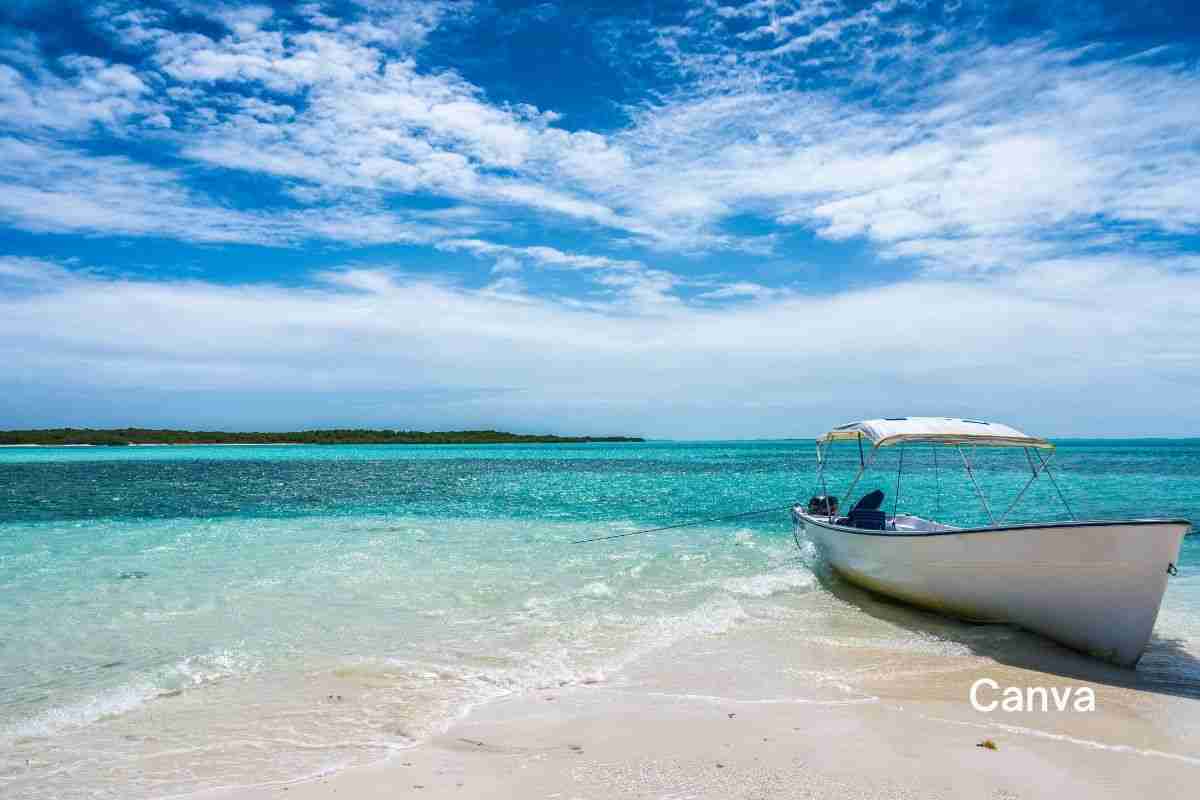
Los Roques National Park, a remote archipelago off the Venezuelan coast, is a pristine paradise with white-sand beaches, crystal-clear waters, and abundant marine life. The park’s strict conservation measures have helped protect its delicate ecosystem. Visitors can snorkel, dive, fish, or simply relax on the unspoiled beaches.
Tips for Responsible Travel:
- Respect marine life: Avoid touching or feeding marine animals.
- Minimize your impact: Dispose of waste responsibly.
- Support local communities: Purchase locally made products and services.
By choosing these hidden eco-paradises, travelers can contribute to the preservation of the Caribbean’s natural beauty and support sustainable tourism initiatives.
1. Protecting Coral Reefs
Protecting coral reefs in the Caribbean is a rewarding way to connect with nature and contribute positively to the environment. The region’s coral reefs, though endangered, serve as crucial protectors for coastlines and attract numerous visitors. Participating in coral reef conservation can be an eye-opening aspect of a memorable vacation.
Here are some opportunities to engage in coral reef protection:
- Bonaire: Participate in coral restoration discovery dives and activities within Bonaire National Marine Park.
- Cayman Islands: Volunteer with the Seafire Guardians at the Kimpton Seafire Resort + Spa to work on coral nursery trees.
- Bahamas: Join educational programs led by the Bahamas Reef Environment Educational Foundation, where you might even adopt a coral fragment. Explore the underwater world with snorkel tours around the Coral Reef Sculpture Garden.
- British Virgin Islands: Participate in turtle tagging excursions through Cooper Island Beach Club.
By engaging in these initiatives, you’ll support the Caribbean’s natural beauty while gaining an enriching experience.
2. Enjoying Local Cuisine at Eco-Conscious Restaurants
Immerse yourself in the flavorful world of Caribbean cuisine by selecting family-owned restaurants that champion eco-conscious dining. Savor dishes crafted from freshly caught seafood, ripe tropical fruits, and vegetables picked at their peak—all sourced from the local area. You get to indulge in authentic flavors and contribute to the sustainability of the island.
Eco-conscious eateries reduce the carbon footprint by:
- Avoiding long-distance transportation of ingredients
- Supporting the local economy
- Forming a network with local suppliers such as fishermen and farmers
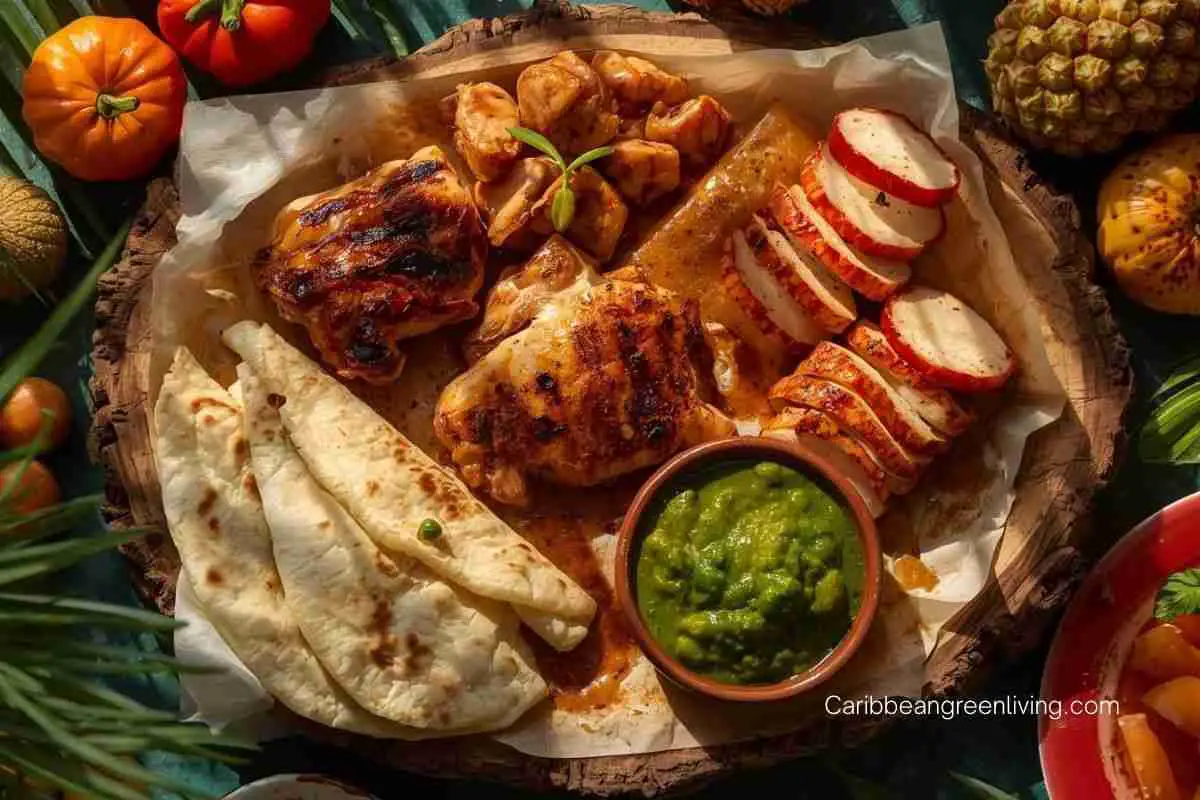
Dining at these restaurants isn’t just about food; it’s about experiencing the traditions and stories behind each dish. As you enjoy a grilled snapper or jerk chicken, you’ll be participating in a cultural celebration that has been nurtured over generations. It’s a chance to connect with the essence of the Caribbean islands, understanding the importance of sustainable practices that preserve both the environment and their rich culinary heritage.
Look for establishments known for their commitment to eco-conscious operations—perhaps they use renewable energy, minimize waste, or operate organic gardens. Each meal becomes a shared experience of flavors and philosophies that mirror your commitment to responsible tourism. Consider taking a cooking class or food tour to explore these culinary wonders further. By embracing the local, you’ll be making a positive impact on the community and environment while treating yourself to a feast of the senses that speaks to the vibrant Caribbean spirit.
Source
- Amadeus. Travel Trends 2022: Active Ecotourism. Amadeus IT Group; 2022.
- Bahamas Reef Environment Educational Foundation. Coral Reef Conservation Programs. BREEF; 2022.
- Bonaire National Marine Park. Coral Restoration Activities. STINAPA Bonaire; 2022.
- Cooper Island Beach Club. Turtle Tagging Excursions. Cooper Island Eco-Lodge; 2022.
- Kimpton Seafire Resort + Spa. Seafire Guardians Coral Restoration Program. Kimpton Hotels; 2022.