The Dishes That Raised Us: Caribbean Comfort Food and Cultural Traditions
Let’s be real — Caribbean Comfort food or Caribbean food hits different. It’s more than just ingredients simmering in a pot. It’s memory. It’s music. It’s love. It’s stories passed down with a wooden spoon in hand and the smell of epis in the air.
Every Caribbean child, especially those raised in Haitian or French / Latin / West Indian Caribbean homes, has that one dish. The one that wraps you in warmth the second you smell it cooking. The one you’d ask for when you were sick, homesick, or just soul-sick. It might’ve been served after Sunday service, during a celebration, or quietly at the end of a long week when love showed up in the form of food.
Let’s talk about those dishes — the ones that raised us.
A Spoonful of Culture in Caribbean Comfort Food
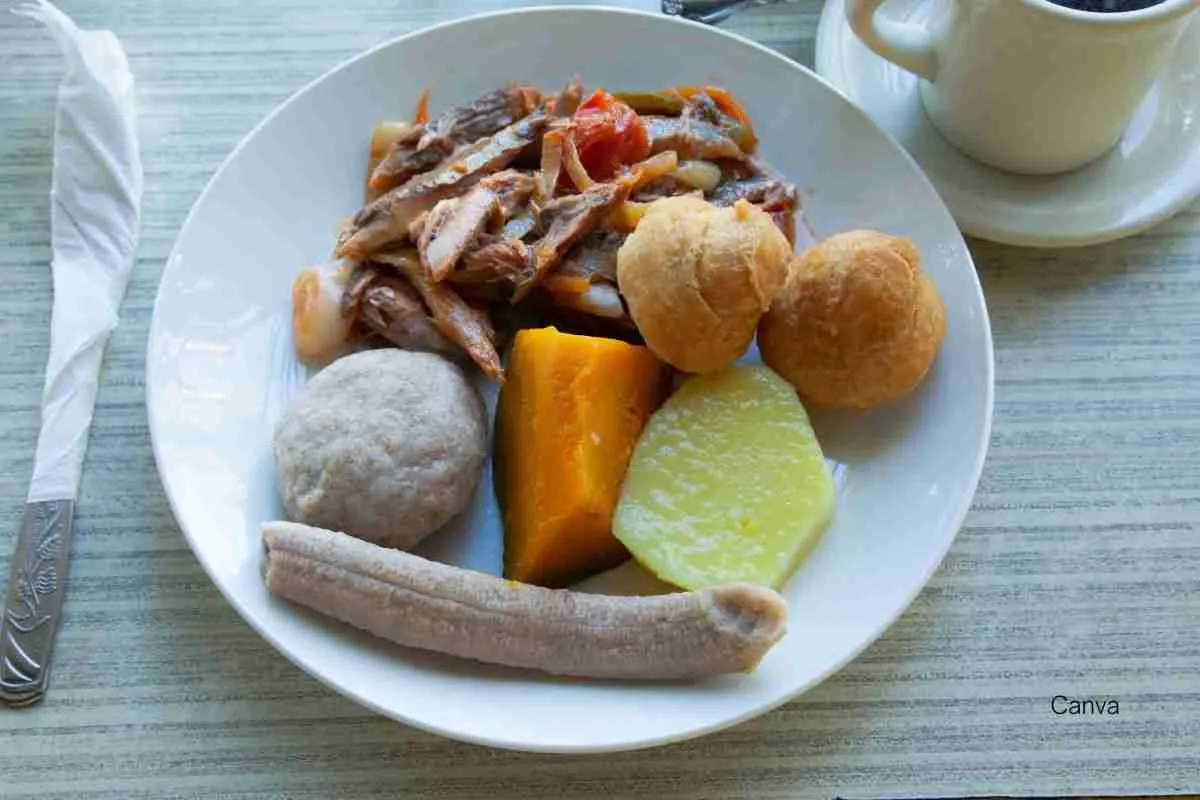
In Haitian homes, bouyon is one of those healing, heart-filling meals. A one-pot wonder made with yams, plantains, dumplings, meat or fish, and flavored with epis and fresh herbs — it’s food that reminds you of care and comfort.

And let’s not forget legim — our beloved Haitian vegetable stew (or meat-and-vegetable stew, depending on what’s in your kitchen that day). It’s our version of a classic stew: hearty, rich, and flexible. You can go with all veggies or mix in seafood, meat, or poultry. The magic is in how we season it — fresh ingredients, common Caribbean herbs and spices, and always a generous sprinkle of love. Legim is that golden dish we never get tired of, because you can make it a hundred different ways, and it still tastes like home.

Over in the French Caribbean islands like Martinique or Guadeloupe, you might find colombo, a fragrant curry stew that’s bold, deeply seasoned, and passed down like a family secret. Served with rice, it’s both a grounding meal and a cultural bridge to the island’s Indian and African roots.

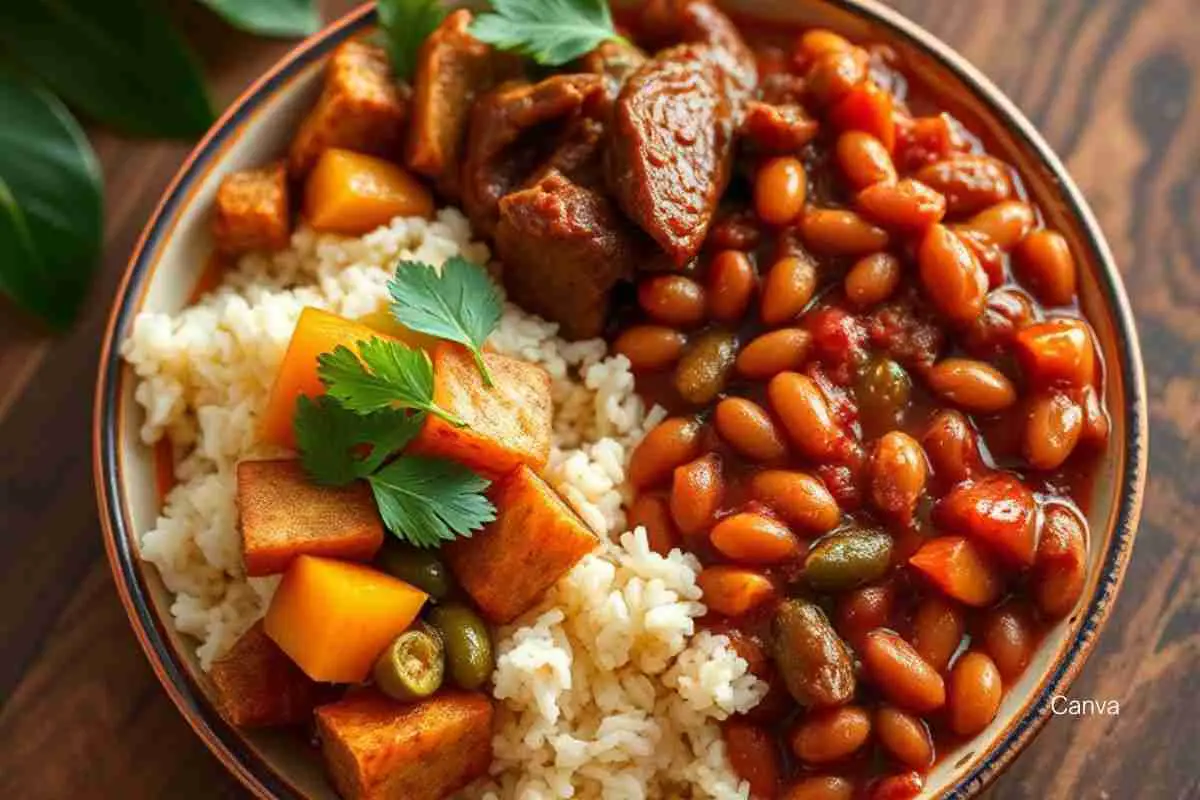
And then there’s diri kole ak pwa (rice and beans). Humble, nourishing, and universal across the Caribbean, it’s often the foundation of the meal — but it holds the flavor of home like nothing else.

Cooking Wasn’t Always Just About the Food
Our parents and grandparents didn’t just teach us how to season. They taught us how to feel. That patience, pride, and presence belong in every pot. That cooking from scratch is an act of love — even when money was tight or time was short.
And for many of us? Our kitchen journey started not with a fancy stove, but with a recho — a humble charcoal stove that taught us more than just cooking.
Lighting that charcoal felt like a survival challenge straight out of scout camp. You had to fan the flames just right, protect them from the wind, and learn when the coals were hot enough to get the pot going.
Monitoring it felt like your life depended on it — and in a way, it did. Not just for food, but for learning responsibility, resilience, and resourcefulness. These moments, smoky and sometimes frustrating, left their mark on us. They taught us to be grateful, to adapt, and to never take anything — not even a flame — for granted.
These aren’t just cooking memories. They’re life lessons, deeply imprinted in us, shaping how we move through the world, how we cook, and how we love.
Carrying the Flavor Forward
Now, whether you’re still living in the Caribbean or part of the diaspora, you carry those flavors with you. Maybe you can make your Haitian epis in a blender now instead of using a mortar and pestle. Perhaps you use chicken bouillon or Maggie sparingly or switch to low-sodium. It doesn’t matter.
The flavor evolves, but the love stays the same.
So take a moment this week to revisit a comfort dish. Call a parent or auntie for that recipe you never wrote down. Or teach it to someone younger. Because these aren’t just meals — they’re memories. And when we cook them, we honor the people and places that made us.
What’s your comfort food?
I’d love to hear about the dish that raised you. Hit reply to our latest newsletter, or drop a comment below and tell me what’s bubbling in your pot these days.