Zero-Waste Caribbean Cooking: Stretch Ingredients, Save Money, Keep Flavor
Zero-waste Caribbean cooking isn’t a trend. It’s how we’ve always cooked. Long before sustainability became a hashtag, Caribbean kitchens were built on necessity, respect for ingredients, and deep flavor intelligence. You didn’t throw food away, not because it was fashionable to “reduce waste,” but because everything had value.
Bones. Skins. Peels. Fat. Leftovers. Flavor lived everywhere. This guide highlights how Caribbean cooking naturally stretches ingredients, especially rendered fats, without sacrificing flavor or the grocery budget.
Let’s break it down.

Zero-Waste Isn’t a Trend, It’s Caribbean Common Sense
In traditional Caribbean households:
- Yesterday’s rice becomes today’s fried rice
- Bones turn into soup and broth
- Overripe fruit becomes juice, porridge, or dessert
- Cooking fat is saved, not dumped
Waste wasn’t cute. Waste was disrespectful to the food, the labor, and the money spent bringing it home.
1. Is Caribbean cooking naturally zero-waste?
Yes. Caribbean cooking has always emphasized using every part of an ingredient, including bones, fat, peels, and leftovers, to build flavor and avoid waste.
2. What does zero-waste cooking mean in a Caribbean kitchen?
It means stretching ingredients across multiple meals, reusing cooking fat and bones, and turning scraps and leftovers into flavorful dishes instead of throwing them away.
3. Why is saving fat important in Caribbean cooking?
Rendered fat adds deep flavor to rice, beans, vegetables, and stews while reducing the need for store-bought oils.
4. Can zero-waste cooking still taste good?
Yes. Caribbean cooking proves that reusing ingredients like bones, fat, and leftovers actually increases flavor rather than reducing it.
5. What are common zero-waste practices in Caribbean homes?
Saving cooking fat, making broth from bones, repurposing leftovers, and cooking with vegetable scraps are all common Caribbean practices.
1. Save the Fat (Duck, Chicken, Pork — All of It)
Rendered fat is flavor currency in Caribbean cooking.
- Duck fat: roasted vegetables, rice, eggs, and grilled ribs/meat
- Chicken fat (or schmaltz: cooking fat essential in Ashkenazi Jewish cuisine): sautéing onions, garlic, and herbs.
- Pork fat: beans, rice, stews
Instead of opening a new bottle of oil every time, you use what the food already gives you. Less waste and more
flavor. This is exactly why saving duck fat matters; it’s practical, not fancy.
1. Is it safe to reuse duck fat for cooking?
Yes, duck fat can be safely reused if it is strained, stored properly, and not overheated or burned. It is even sold at some supermarkets.
2. How many times can you reuse duck fat?
Duck fat can usually be reused several times as long as it remains clean, smells fresh, and is properly refrigerated.
3. What dishes are best for reused duck fat?
Duck fat works well for roasting vegetables, cooking rice, sautéing aromatics, and frying eggs.
4. Can you reuse chicken or pork fat the same way as duck fat?
Yes. Chicken fat (schmaltz) and pork fat can also be reused and are commonly used in Caribbean dishes such as beans, stews, and vegetables.
5. When should cooking fat be discarded?
Cooking fat should be discarded if it smells rancid, looks dark or cloudy, or has been overheated repeatedly.

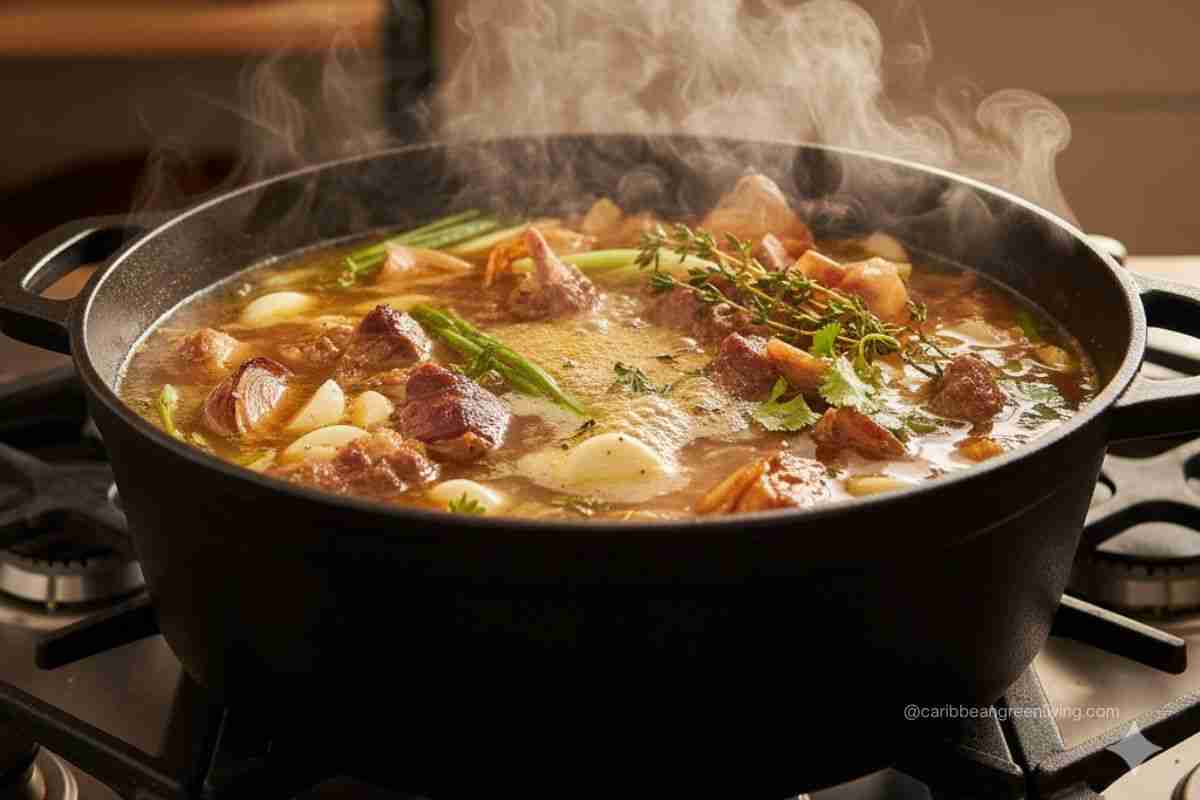
2. Bones Are Not Trash — They’re Broth
Caribbean soups and stews exist because bones exist. It is a good idea to save and freeze:
- Poultry carcasses
- Beef bones
- Fish heads and frames
When you’re ready, simmer them with:
- Onion skins
- Garlic, scallions, leeks, and tips ends
- Herb stems
That broth becomes the foundation for soups, rice, beans, sauces, and stews. It is a flavor you didn’t pay extra for.
1. Why are bones important in Caribbean cooking?
Bones add depth, richness, and nutrients to soups, stews, rice, and sauces, making them essential in Caribbean cuisine.
2. What bones can be used to make Caribbean broth?
Poultry carcasses, beef bones, and fish heads or frames are all commonly used for Caribbean broth.
3. Can vegetable scraps be added to broth?
Yes. Onion skins, garlic ends, celery ends, and herb stems are often added to broth for extra flavor.
4. How long should Caribbean broth be simmered?
Most broths are simmered gently for 45 minutes to several hours, depending on the type of bones used.
5. What should not be added to broth?
Avoid bitter vegetables, heavily seasoned scraps, or spoiled ingredients, as they can affect the flavor.
3. Vegetable Scraps Still Have a Job
Before tossing anything, ask one question:
Can this still cook?
- Onion skins: how about broth?
- Celery ends: this is perfect for stock.
- Carrot peels: how about roasting or broth?
- Herb stems: seasoning bases or even stock.
Even cabbage cores and broccoli stems can be thinly sliced and sautéed. Caribbean cooking wastes nothing with potential.
4. Overripe Fruit Is a Gift, Not a Problem
In a Caribbean kitchen:
- Soft bananas: make fritters or porridge, and don’t forgetthe topping for French toast or crepes
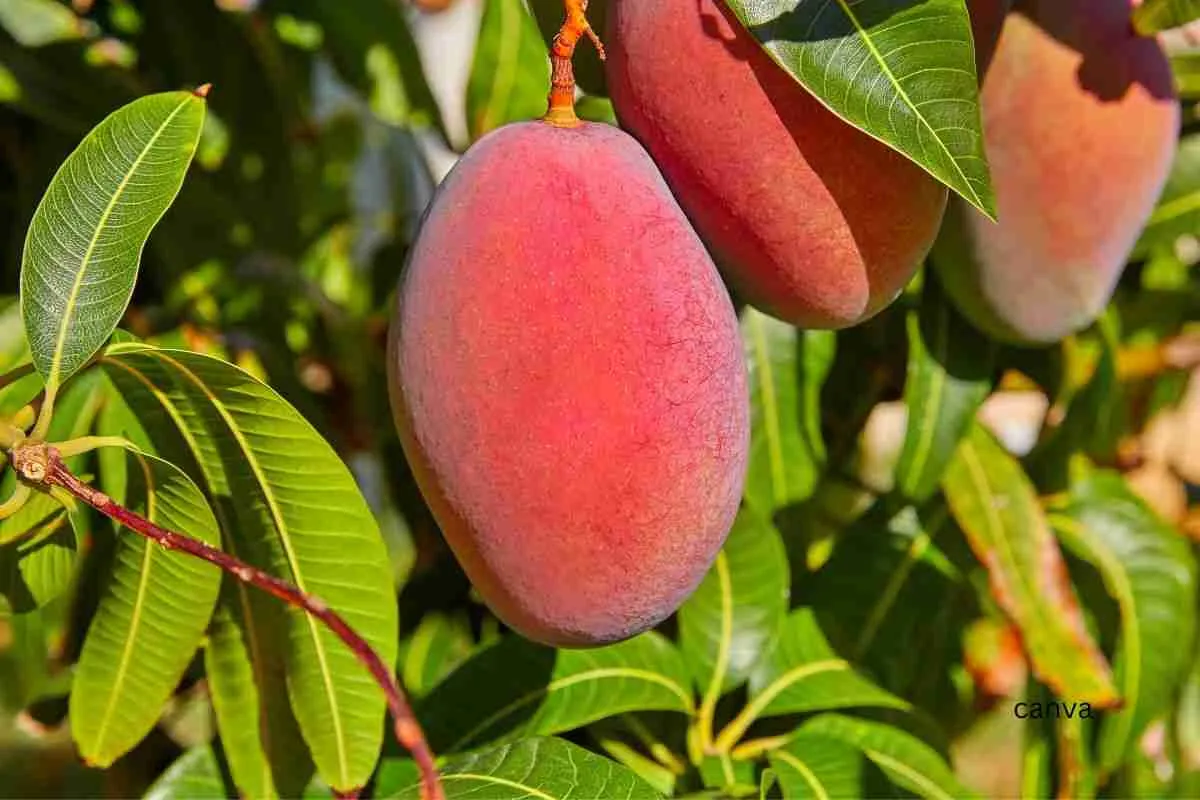
- Overripe mango: juice, sauce, or chutney, and delicious ice cream
- Pineapple cores: boiled for juice and great for detox
- Citrus peels: infused syrups or natural cleaners
If fruit is sweet and soft, it’s ready, not ruined.
5. Leftovers Are Ingredients, Not Afterthoughts
This is where zero-waste cooking truly shines.
- Rice: make fried rice, rice balls, soup thickener
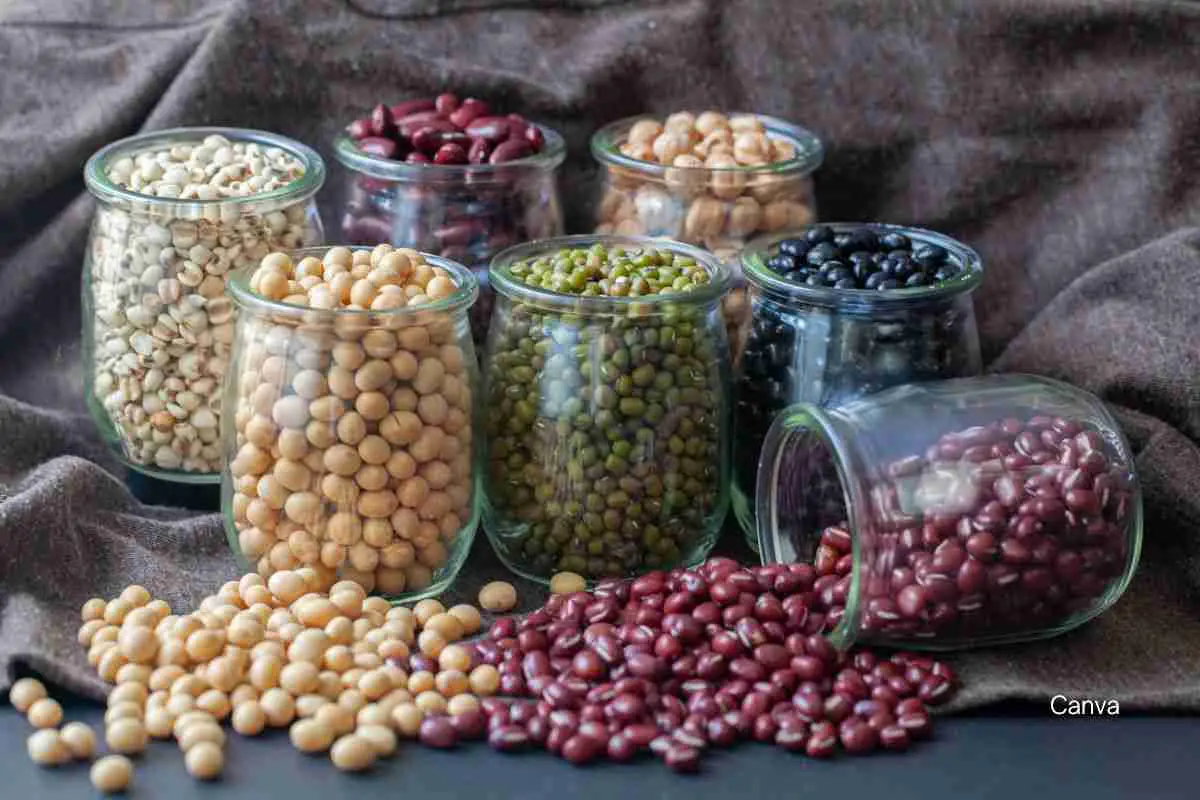
- Beans: make bean soup, chili-style dishes, or mix with rice or grains
- Roasted vegetables: make omelets, wraps, grain bowls
- Cooked meat: make sandwiches, stews, rice dishes
Leftovers aren’t the sad ending of a meal. They’re the starting point of the next one.
1. How long can leftover rice and beans be safely stored?
Cooked rice and beans can be stored in the refrigerator for up to 4 days when properly cooled.
2. What can you make with leftover Caribbean rice?
Leftover rice can be turned into fried rice, rice balls, soup thickeners, or mixed into stews.
3. How are leftovers used in Caribbean cooking?
Leftovers are treated as ingredients and repurposed into new meals rather than reheated and served the same way.
4. Is meal prep common in Caribbean cooking?
Yes. Caribbean kitchens often cook large batches of base ingredients that are stretched across several meals.
5. What ingredients are best for zero-waste meal prep?
Cooked beans, rice, roasted meats, and seasoning bases like epis are ideal for zero-waste meal prep.
6. One Base, Many Meals (The Caribbean Way)
This is the backbone of waste-free Caribbean cooking.
Examples:
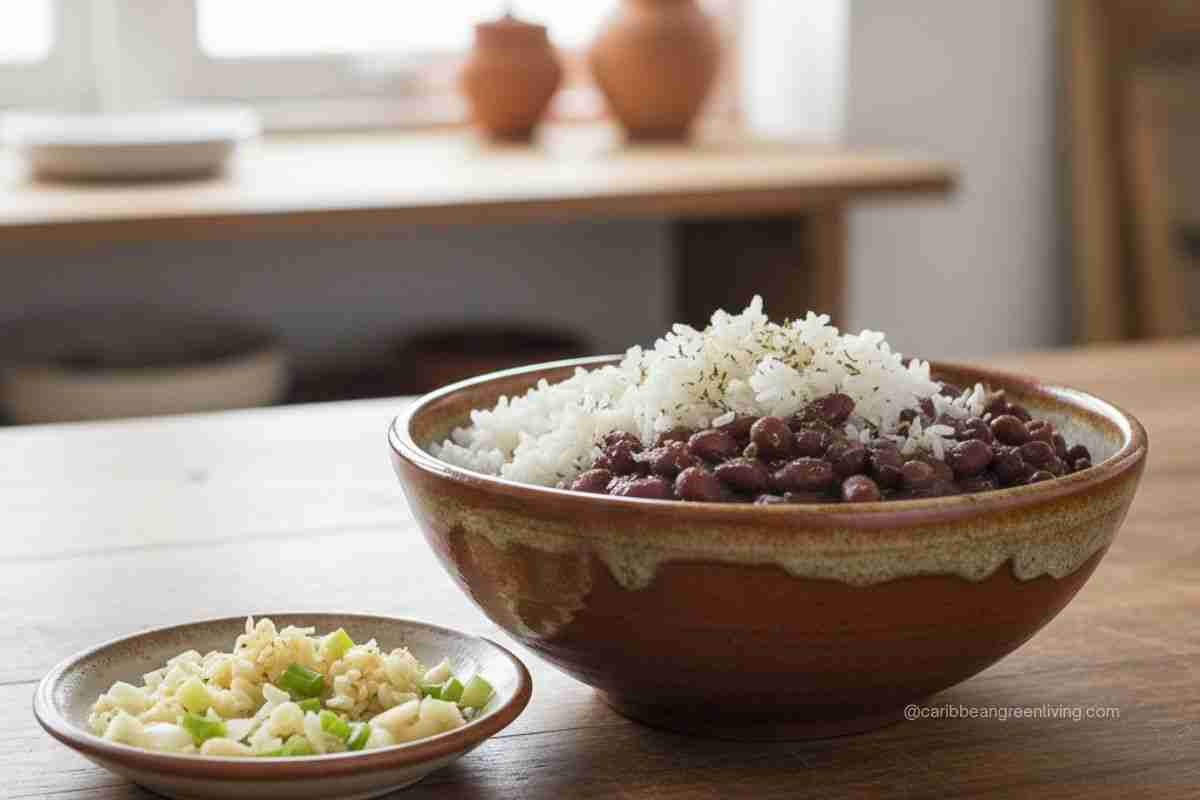
- Haitian epis: perfect for chicken, fish, beans, vegetables, and even soups and grains
- Cooked beans: perfect with rice, soup, and even a salad.
- Roasted proteins: create multiple meals across the week
Cook once, stretch wisely, and eat well.
How This Fits into Zero-Waste Caribbean Cooking
Saving and reusing cooking fat is zero-waste cooking in action:
- You honor the whole ingredient
- You rely less on store-bought oils
- You build deeper flavor without increasing cost
It’s not trendy. It’s smart.
Final Thoughts: Waste Less, Cook Better
Zero-waste Caribbean cooking isn’t about perfection.
It’s about paying attention:
- To what you already have
- To what still holds value
- To how food can work harder for you
When you waste less, you cook better. And Caribbean kitchens have always known that.