How to Use Parsley: Storage Tips, Cooking Ideas, and Caribbean Uses
If you’re wondering how to use parsley in everyday cooking, you’ll be surprised by just how versatile this fresh herb can be. Parsley adds brightness, color, and fresh flavor to countless dishes, making it one of the most useful herbs to keep on hand. In Caribbean cooking, parsley is often used in seasoning blends, soups, stews, marinades, rice dishes, bean recipes, and fresh salads.
Too often, parsley is treated as nothing more than a garnish. In reality, it plays an important role in building flavor and balancing richer ingredients. Its fresh, slightly peppery taste can help lighten hearty dishes while adding depth and color to everyday meals. Whether blended into green seasoning, mixed into a marinade, stirred into beans and grains, or sprinkled over roasted vegetables, parsley brings freshness to every bite.
In this guide, you’ll learn how to use parsley, the different varieties available, what it tastes like, how to store it properly, and practical ways to incorporate it into Caribbean-inspired cooking.
What Is Parsley?
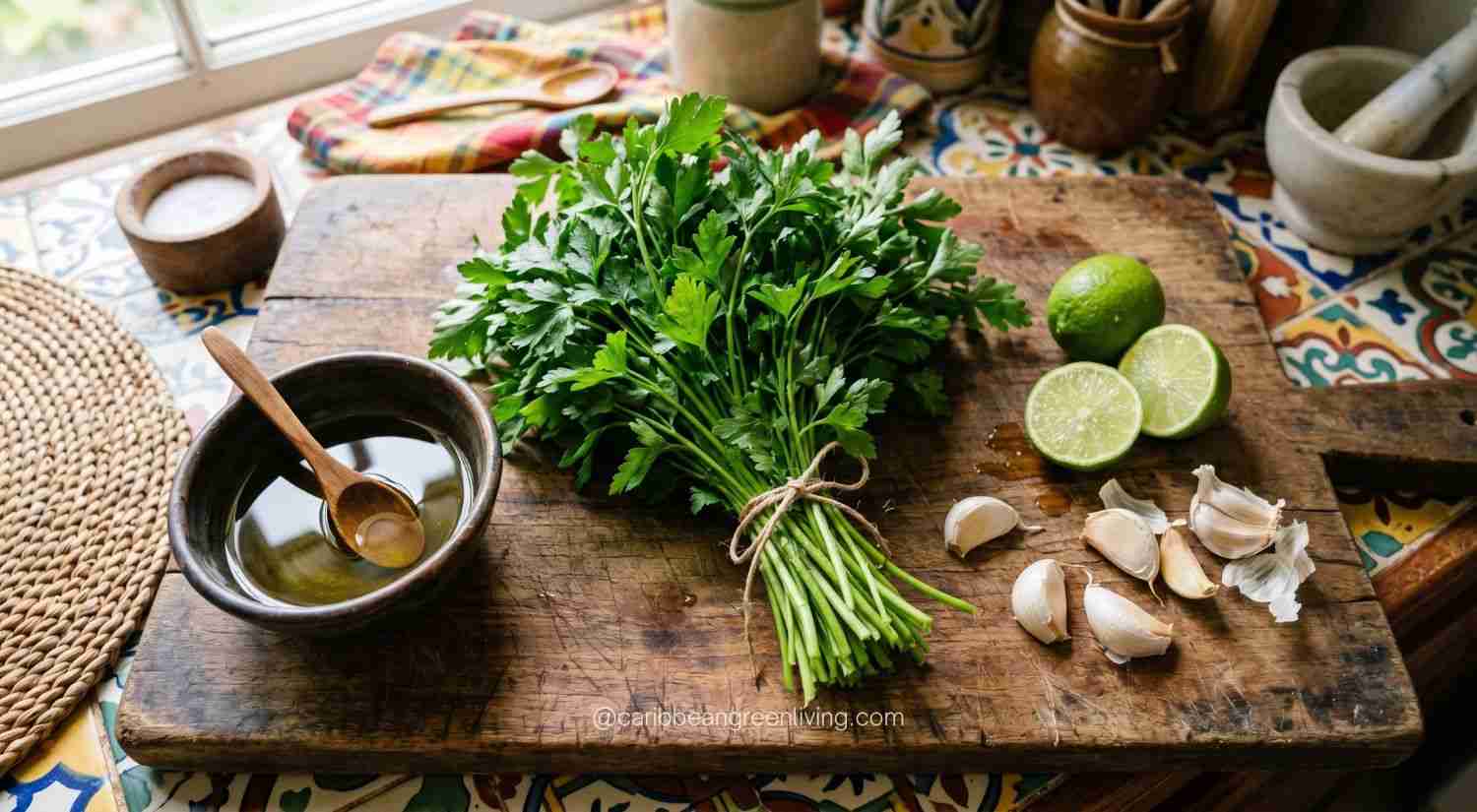
Parsley is a leafy herb commonly used in cooking around the world. It belongs to the same plant family as celery, cilantro, dill, and carrots. The leaves are tender, aromatic, and easy to chop into both cooked and fresh dishes.
Parsley is usually sold in bunches in the produce section and is available fresh, dried, or sometimes frozen in herb blends. Fresh parsley is the best choice when you want a stronger flavor, better color, and more versatility in the kitchen.
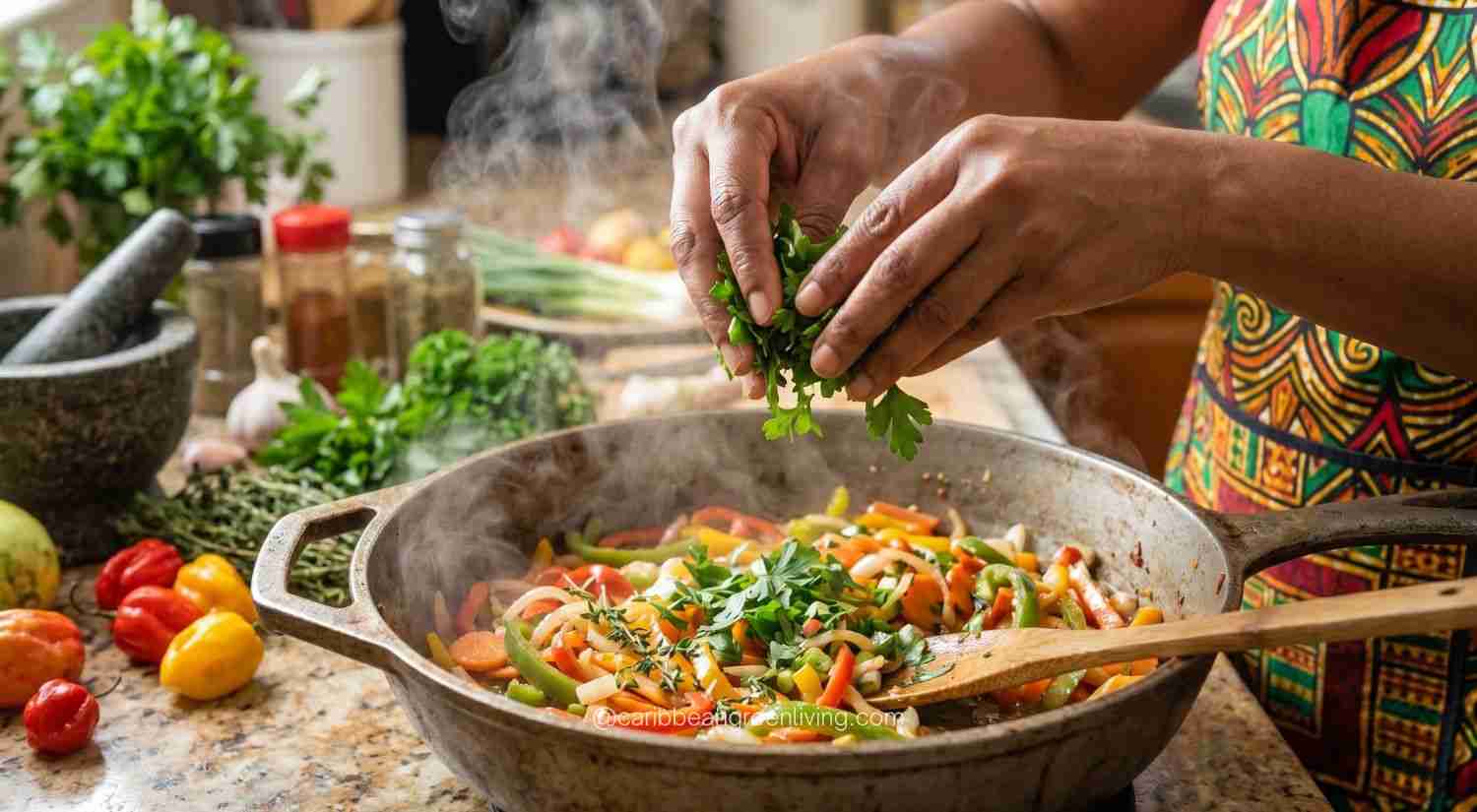
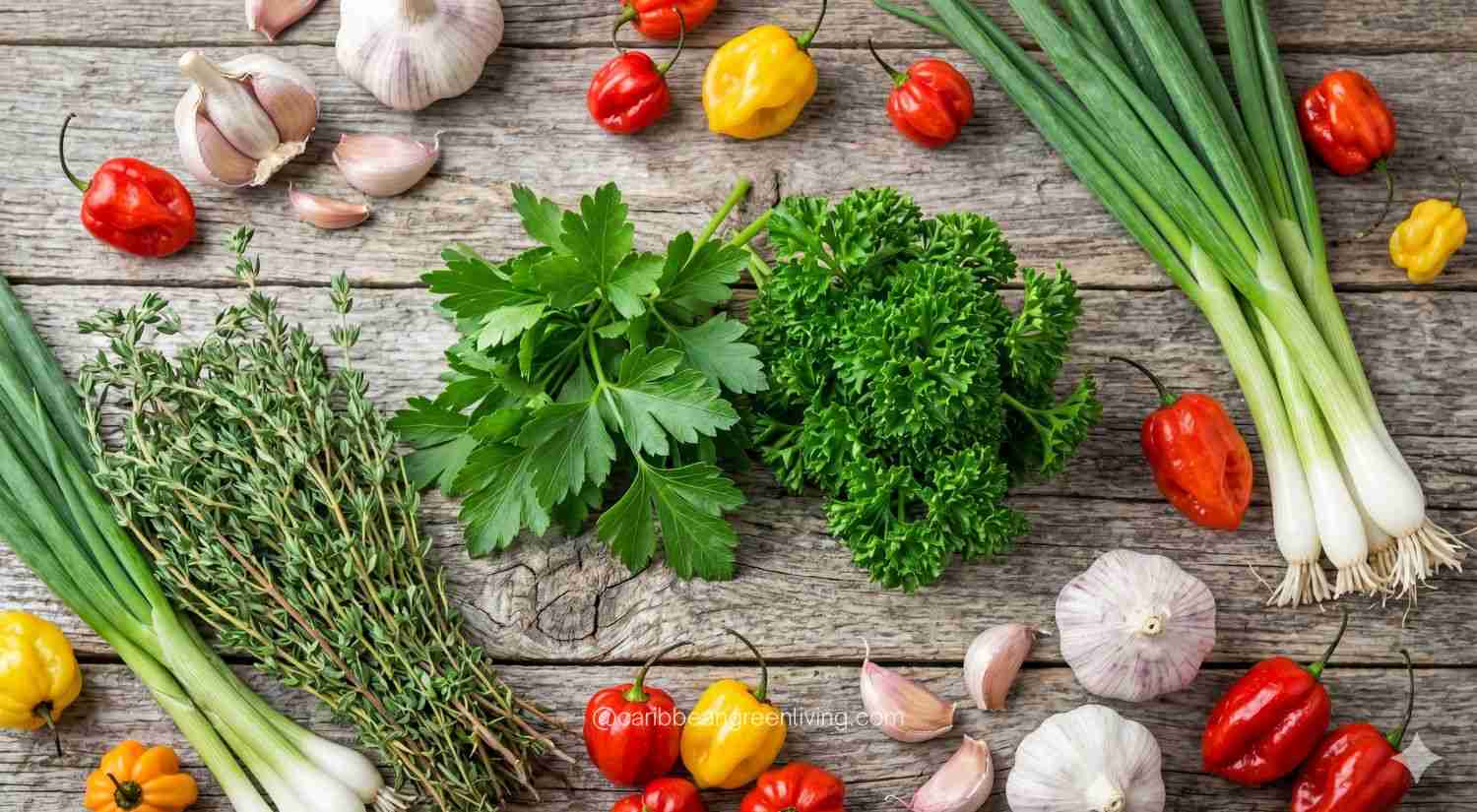
In Caribbean cooking, parsley is often used with other aromatics such as thyme, scallions, garlic, onions, and peppers to build a flavor base for savory dishes. Hence, the famous Haitian Epis blend.
What Does Parsley Taste Like?
Parsley has a clean, grassy, slightly peppery flavor with a mild bitterness. It is fresh without being overpowering, which is why it works well in both raw and cooked recipes.
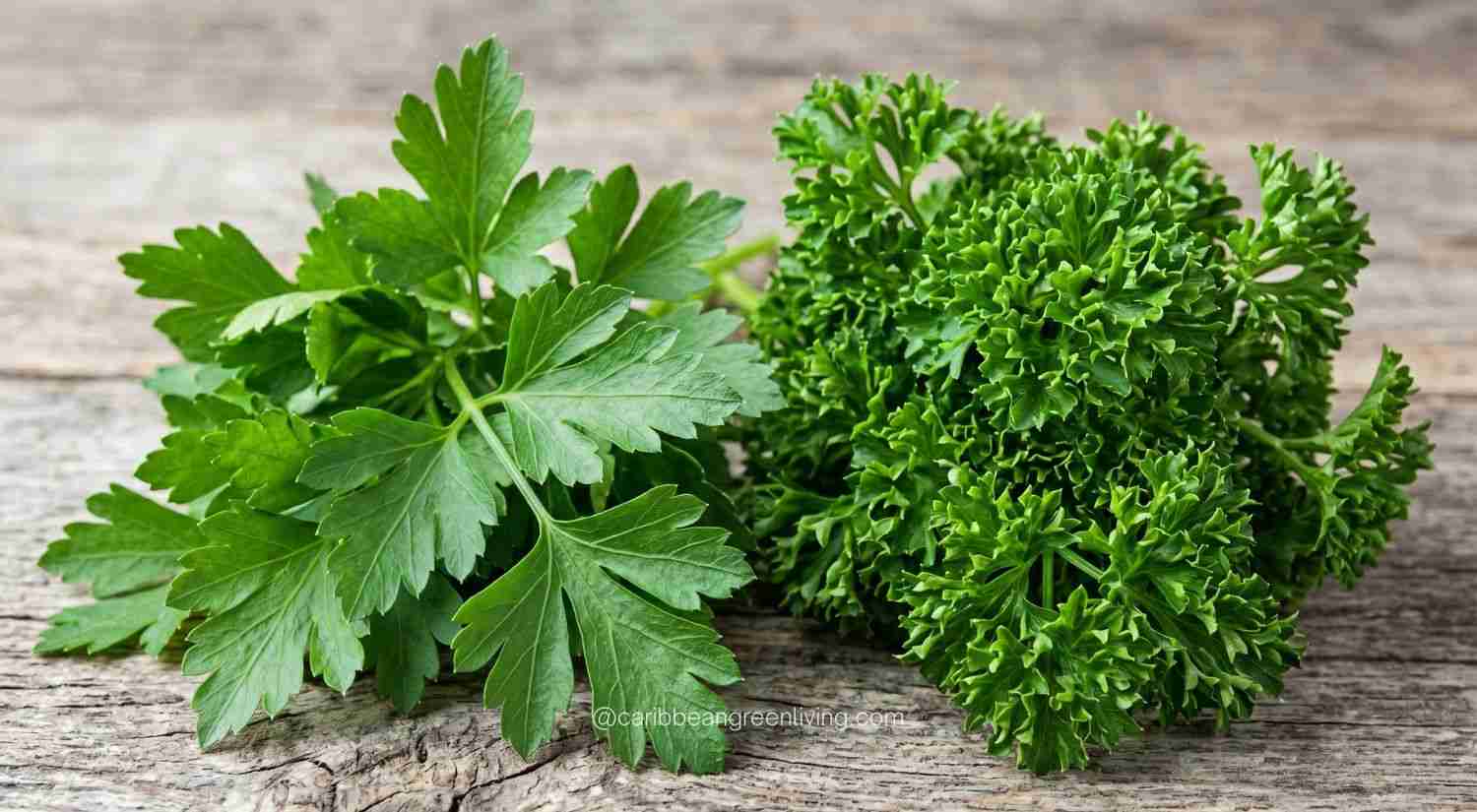
Flat-leaf parsley tends to have a stronger, deeper flavor. Curly parsley is milder and often more decorative. Both can be used, but if you are cooking seriously and not just throwing green confetti on a plate, flat-leaf parsley usually gives better flavor.
Types of Parsley (Flat-Leaf vs Curly)
Flat-Leaf Parsley
Flat-leaf parsley, sometimes called Italian parsley, has broad, flat leaves and a stronger flavor. It is easier to wash, easier to chop, and better for cooking. This is usually the best parsley to use in seasoning blends, marinades, soups, and rice dishes.
Curly Parsley
Curly parsley has tightly ruffled leaves and a milder taste. It is often used as a garnish, but it can still be added to salads, herb mixes, and cooked dishes. It is pretty, but flat-leaf parsley usually wins when flavor matters most.
How to Choose Fresh Parsley
Choosing fresh parsley at the grocery store or farmers market makes a big difference in both flavor and how long the herb will last at home. Fresh parsley should look vibrant, smell clean, and feel firm. Avoid bunches that appear wilted or have signs of spoilage, as they won’t keep well or provide the best flavor.
When shopping for parsley, look for:
- Bright green leaves that are vibrant and evenly colored.
- Crisp, firm stems that stand upright rather than feeling limp or rubbery. Check for brown spots.
- No yellow or brown leaves, which are signs the herb is beginning to age.
- No slimy, mushy, or wilted spots, especially near the stems or inside the bunch.
- A fresh, clean, herbaceous aroma. Parsley should smell bright and earthy, never sour or musty.
If you’re choosing among several bunches, pick the one with the freshest-looking leaves and the least moisture trapped in the packaging. Excess moisture can cause parsley to spoil more quickly once you bring it home.
Tip: If possible, buy parsley with the stems still attached rather than pre-chopped. Whole bunches stay fresh longer and give you more flexibility for cooking, storing, and freezing.
Why Parsley Works So Well in Caribbean Cooking
Parsley fits naturally into Caribbean cuisine because it pairs well with bold ingredients without competing for attention. It supports the flavor rather than trying to steal the whole show.
It works especially well with:
- garlic
- thyme
- scallions
- onions
- celery
- chives
- butter
- olive oil
- potatoes
- beans
- fish and seafood
- chicken
- eggs
- tomatoes
- cucumbers
- hot peppers
- lime or lemon juice
- olive oil or neutral oils
- beans and rice
- poultry and seafood
- soups and stews
In many Caribbean kitchens, parsley is part of the herb-and-aromatic rhythm that helps food taste layered and alive. It is not always the star, but it helps make the dish feel complete.
How to Use Parsley in Cooking
Parsley can be used in more ways than most people realize.
1. Use Parsley in Seasoning Blends
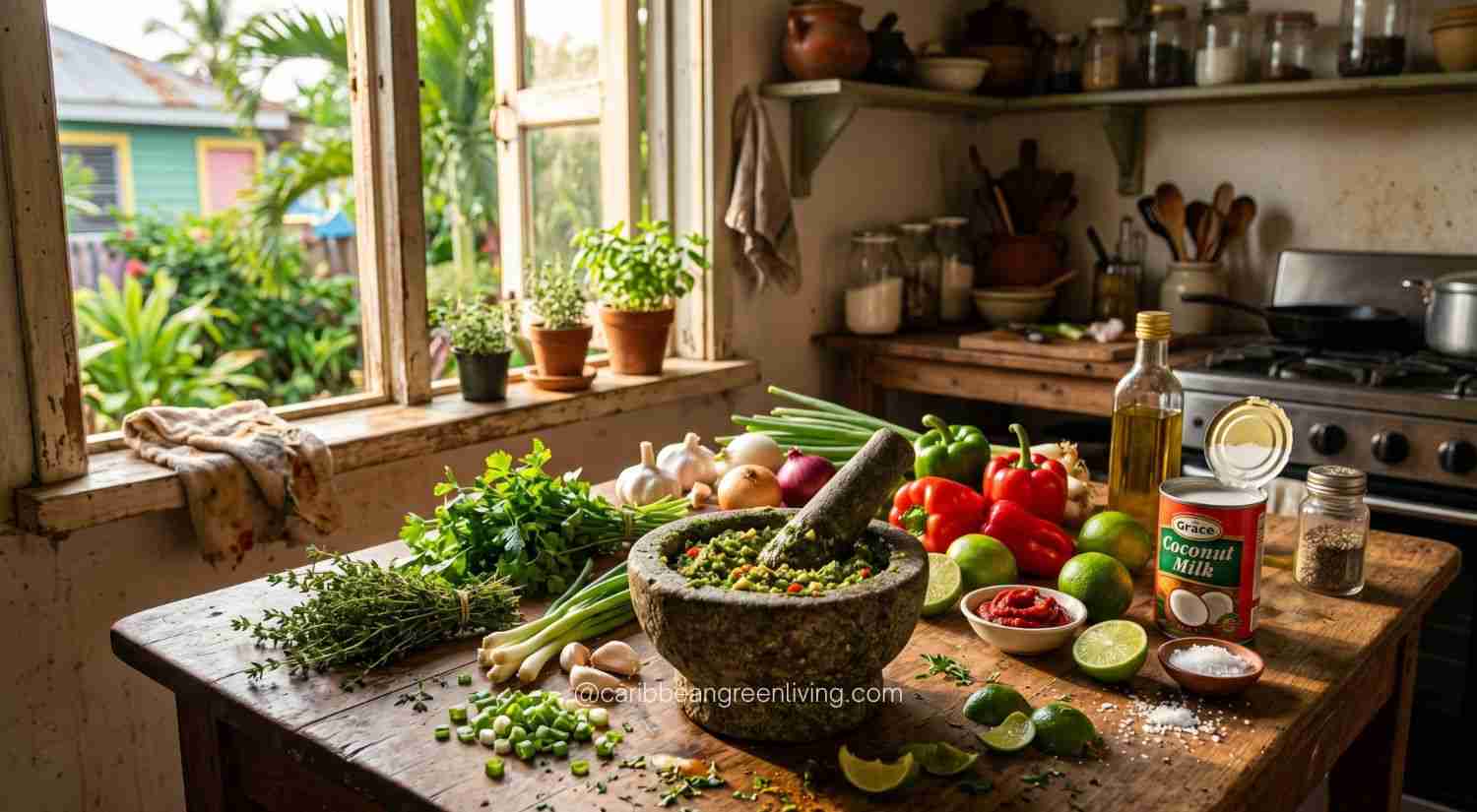
Parsley adds freshness and body to blended seasoning bases. When mixed with scallions, garlic, thyme, onions, and peppers, it creates a bright, savory marinade for meat, fish, or vegetables. This savory blend in Haitian cuisine is called Epis.
2. Add Parsley to Soups and Stews
Add chopped parsley near the end of cooking to bring freshness to heavier dishes. It works well in vegetable soups, chicken soups, bean stews, and brothy meals.
3. Use Parsley in Rice and Beans
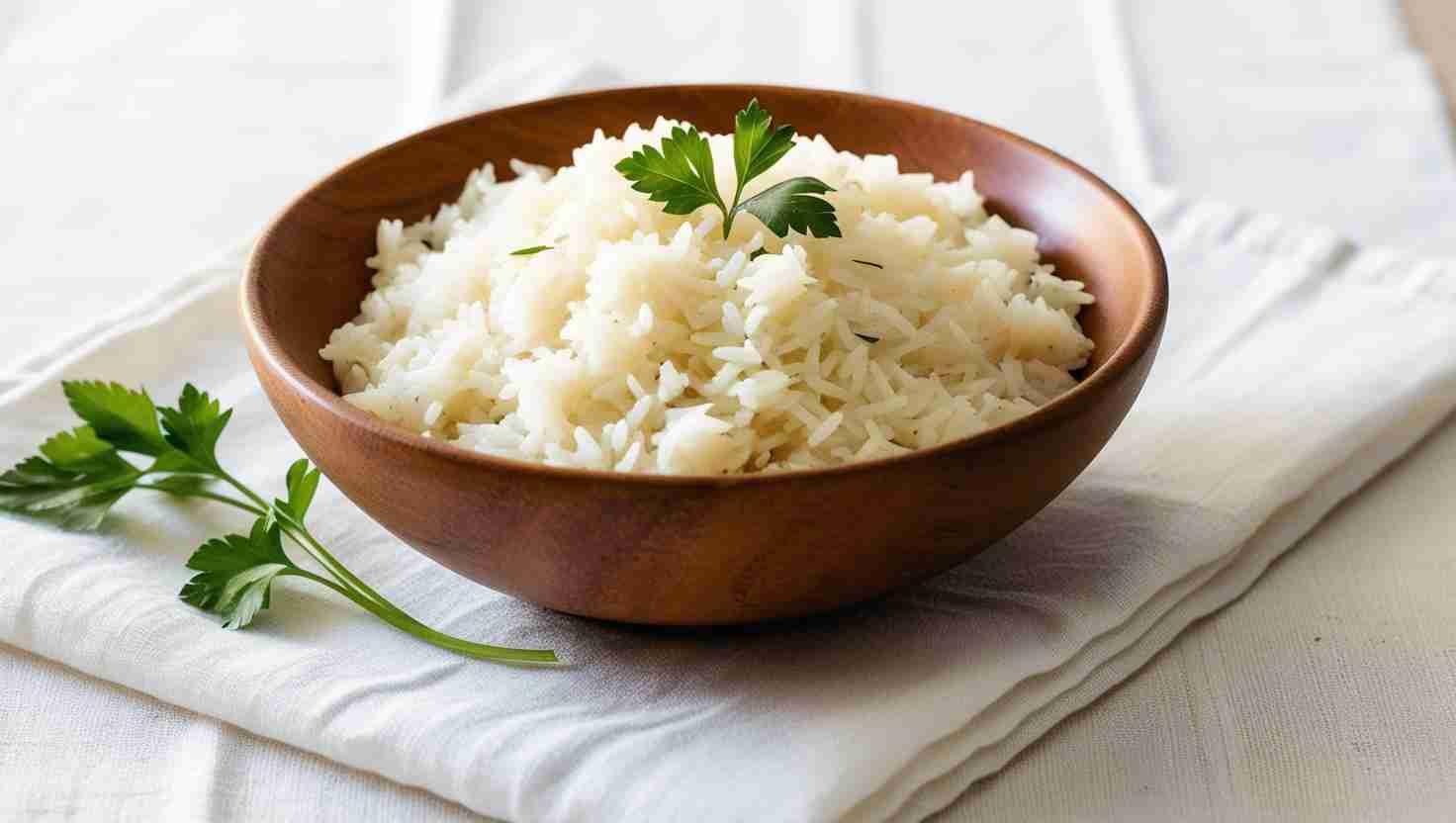
Stir chopped parsley into cooked rice, quinoa, bulgur, or couscous to freshen the flavor and add color. This works especially well when the dish includes beans, citrus, or sautéed onions. It is usually part of a bouquet garni when added to rice and beans.
4. Fresh Parsley for Salads and Garnish
Parsley is excellent in mixed green salads, grain salads, potato salads, and chopped vegetable salads. It gives a clean, bright finish without overpowering the other ingredients.
5. As a Finishing Herb
A handful of chopped fresh parsley added just before serving can wake up roasted vegetables, sautéed mushrooms, pan-cooked fish, eggs, and simple chicken dishes.
6. In Sauces and Dressings
Parsley can be mixed into vinaigrettes, herb sauces, yogurt-based sauces, and citrus dressings. It pairs especially well with lemon, garlic, olive oil, and black pepper.
Many home cooks to this day will use a mortar and pestle to crush fresh garlic, parsley, and black pepper as a finishing touch to their dish. It is a way to bring all the ingredients back to life and create an appetizing meal.
How to Prep Parsley
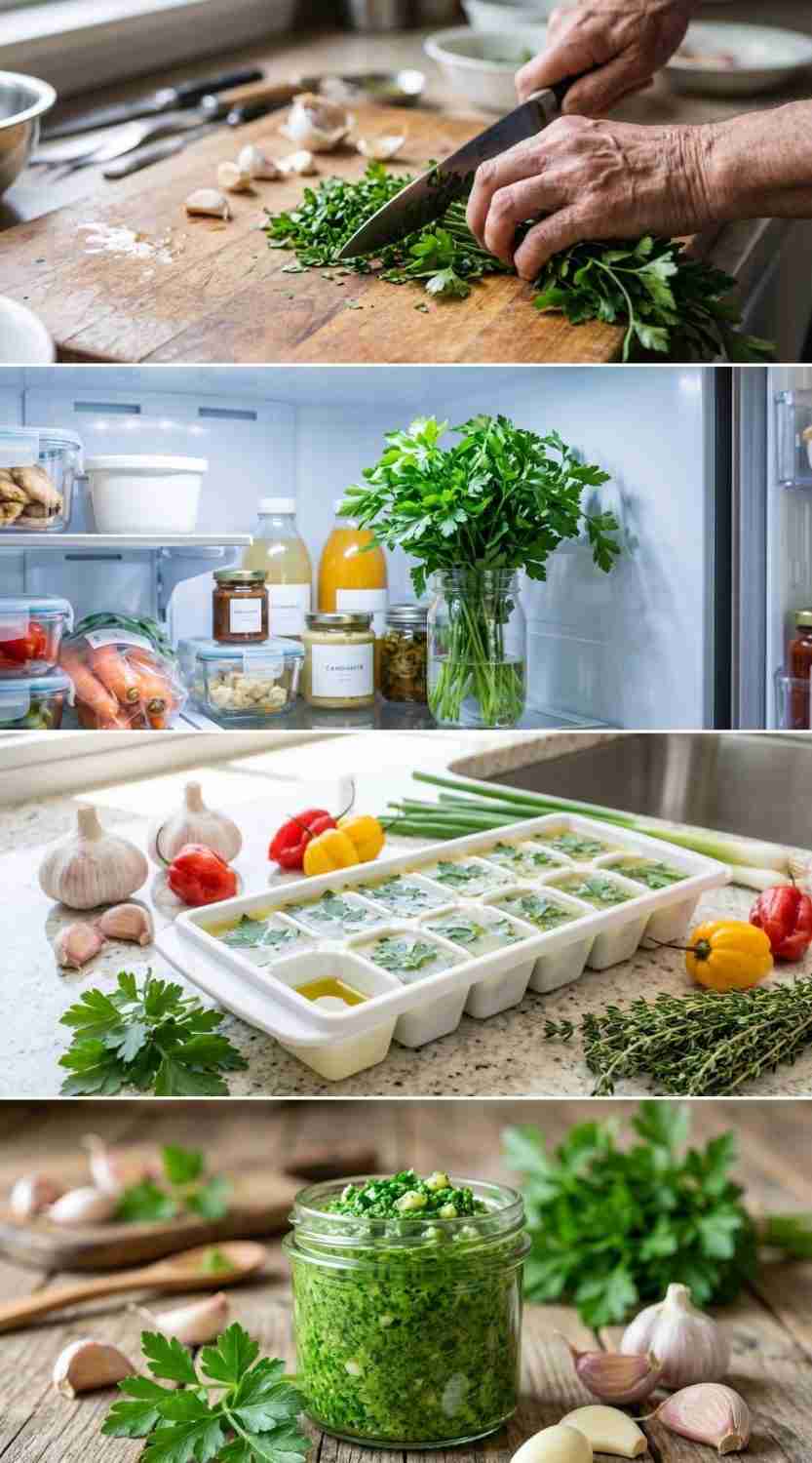
Before using parsley, give it a proper rinse. Herbs can carry grit, and nobody wants crunchy dirt in their rice. That is not rustic. That is just annoying.
Here is the easiest way to prep parsley:
- Remove any yellow or damaged leaves.
- Rinse the bunch well in room-temperature or cold water.
- Shake off excess moisture or pat dry with a towel.
- Trim the thick ends of the stems.
- Chop the leaves and tender stems.
Tender stems can absolutely be used. They carry flavor, too. You do not need to strip every leaf off like you are preparing parsley for a royal inspection.
How to Store Fresh Parsley (Keep It Fresh Longer)
Parsley can wilt quickly if it is not stored properly, but it lasts much longer with a little care.
Method 1: Jar Storage in the Fridge
- Trim the ends of the stems
- Place the bunch upright in a jar with a little water
- Loosely cover the top with a plastic bag
- Store in the refrigerator
- Change the water every couple of days
Method 2: Wrapped in a Damp Paper Towel
- Wash and dry the parsley well
- Wrap it loosely in a slightly damp paper towel
- Place it in a storage bag or container
- Keep it in the refrigerator
Method 3: Freeze for Later
If parsley is starting to fade, do not let it die a slow death in the refrigerator.
You can:
- chop and freeze it in small bags
- freeze it in olive oil in ice cube trays
- blend it with other herbs for a ready-to-use seasoning base
Frozen parsley is best for cooked dishes, not fresh garnish.
Can You Dry Parsley?
Yes, but dried parsley is much milder than fresh parsley. It works best when added to soups, sauces, and seasoning mixes. It will not give the same brightness as fresh parsley, so if the recipe depends on parsley for freshness, use fresh parsley.
Dry parsley when:
- you have extra bunches to preserve
- you want to make homemade herb blends
- you need a pantry backup
Parsley Nutrition
Parsley is more than a flavor herb. It also contains nutrients that support a balanced diet. It is commonly associated with vitamins K, C, and A, as well as antioxidants.
That said, let’s be honest: nobody is eating one tablespoon of parsley and becoming immortal. But using fresh herbs regularly is one smart way to add more plant-based flavor and nutrients to your meals without extra heaviness.
Many people enjoy parsley tea as a naturally caffeine-free herbal beverage. It contains antioxidants, along with vitamins A, C, and K, making it a popular choice for those looking to incorporate more herbs into their daily routine. Parsley tea is often used to help reduce occasional bloating, support the body’s natural fluid balance through its mild diuretic properties, and promote overall kidney and urinary tract health.
Parsley vs Cilantro (What’s the Difference?)
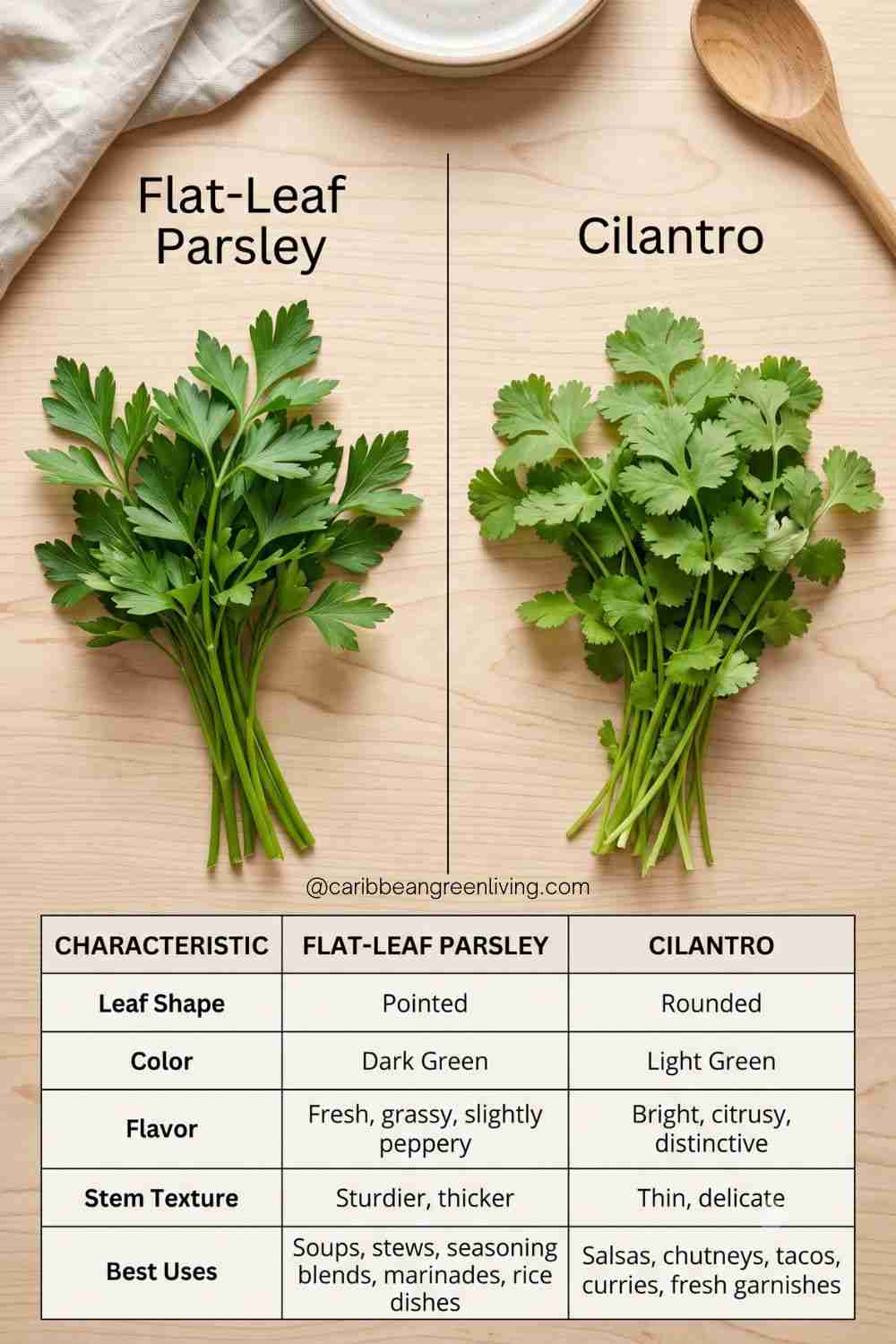
Parsley and cilantro are often confused because they can look similar, especially flat-leaf parsley. But they taste very different.
Parsley tastes fresh, grassy, and mild. Cilantro has a sharper, more distinctive flavor that people either love or avoid like unpaid bills.
If a recipe calls for parsley, do not automatically swap in cilantro unless you know the dish can handle the change. In Caribbean cooking, both herbs have their place, but they are not interchangeable in every recipe.
Easy Ways to Use Up Extra Parsley
If you have leftover parsley, here are simple ways to avoid waste:
- Blend it into green seasoning
- Stir it into the soup
- Add it to scrambled eggs
- Mix it into rice or beans
- Make an herb dressing
- Toss it into a salad
- Freeze it for later
- Add it to vegetable patties or savory fillings
Fresh herbs are too expensive to buy and then ignored in the bottom drawer until they turn into sadness.
Parsley in a Practical Caribbean Kitchen
Parsley belongs in a Caribbean kitchen because it supports the way many dishes are built: from flavor first. It adds freshness, depth, and balance to meals that use aromatics, herbs, and slow-developed seasoning. Whether you are cooking rice, blending a marinade, finishing a soup, or refreshing leftovers, parsley helps bring the dish together.
It is simple, affordable, easy to use, and worth keeping on hand.
Caribbean Recipes Using Fresh Parsley
Once you have a fresh bunch of parsley in your kitchen, the next question is usually: What should I make with it? Fortunately, parsley is one of the most versatile herbs in Caribbean cooking. It adds freshness, color, and flavor to everything from seasoning blends and marinades to soups, stews, rice dishes, and salads.
Here are some of my favorite ways to use fresh parsley in Caribbean-inspired recipes:
Haitian Epis
Fresh parsley is one of the key ingredients in Haitian Epis, the aromatic green seasoning that forms the flavor base for countless Haitian dishes. Blend it with scallions, garlic, thyme, onions, peppers, and oil to create a versatile marinade for meats, poultry, seafood, vegetables, and rice.
Caribbean Green Seasoning
Green seasoning combines fresh herbs and aromatics into a flavorful paste used throughout the Caribbean. Parsley adds brightness and helps balance stronger herbs like thyme and scallions, making it perfect for seasoning chicken, fish, pork, beef, and vegetables.
Haitian Spaghetti
A sprinkle of chopped parsley adds fresh color and flavor to this comforting breakfast favorite. Stir it in just before serving or use it as a garnish to brighten the rich tomato-based sauce.
Curry Goat
Fresh parsley complements the bold spices in curry goat without overpowering them. Use it in the seasoning blend or sprinkle chopped parsley over the finished dish for a fresh finish.
Crockpot Chicken Quarters
Parsley pairs beautifully with garlic, thyme, onions, and paprika in slow-cooked chicken recipes. Add chopped parsley near the end of cooking or use it as a garnish before serving.
Crockpot Whole Chicken with Epis
Since Epis already contains fresh parsley, this recipe is an excellent example of how the herb builds layers of flavor from the inside out. Finish the chicken with additional chopped parsley for extra freshness.
Salted Mackerel with Onions and Fresh Herbs
Parsley adds freshness that balances the rich, savory flavor of salted mackerel. Toss it with onions, peppers, and fresh herbs for a bright, flavorful dish.
Caribbean Root Vegetable Soup
Fresh parsley adds color and a clean finish to hearty soups made with malanga, yautia, eddoe, or other Caribbean ground provisions. Stir it in just before serving for the best flavor.
Caribbean Conch Recipes
Whether preparing conch stewed, sautéed, or fried, parsley complements seafood beautifully. Use it in marinades, herb sauces, or as a fresh garnish.
National Dishes of the Caribbean Islands
Many traditional Caribbean recipes include parsley as part of their seasoning base. Explore popular dishes from across the islands and discover how this versatile herb helps build authentic Caribbean flavors.
Bulgur Wheat with Caribbean Flavors
Fresh parsley brightens cooked bulgur wheat and pairs well with beans, vegetables, and Caribbean herbs, making it an easy addition to healthy everyday meals.
Warm Cabbage Salad
Parsley adds freshness and vibrant color to warm cabbage dishes. Sprinkle chopped parsley over the salad just before serving for extra flavor.
Fresh Cucumber Salad
Combine chopped parsley with cucumbers, onions, citrus juice, and olive oil for a refreshing side dish that pairs well with grilled meats, seafood, or Caribbean-inspired meals.
Tip: Don’t stop with these recipes. Fresh parsley also works beautifully in rice and beans, roasted vegetables, scrambled eggs, herb butters, homemade vinaigrettes, and simple pasta dishes. Keeping a bunch of parsley in your refrigerator makes it easy to add fresh flavor to everyday meals while reducing food waste.
FAQ About Parsley
How do you use parsley?
Parsley can be used in many ways, both fresh and cooked. Add it to seasoning blends, soups, stews, rice dishes, salads, sauces, and marinades. It also works well as a finishing herb to brighten dishes just before serving.
How do you store parsley?
Store fresh parsley in the refrigerator to keep it from wilting. You can place it upright in a jar with a little water and loosely cover it, or wrap it in a slightly damp paper towel and keep it in a container or bag. Proper storage helps parsley stay fresh longer.
Can you freeze parsley?
Yes, parsley freezes well. Chop it and store it in small portions or freeze it with oil in ice cube trays. Frozen parsley is best used in cooked dishes rather than as a garnish.
How long does parsley last?
Fresh parsley can last from a few days up to a week or more, depending on how it is stored. Keeping it properly refrigerated and hydrated will help extend its freshness.
Can you eat parsley raw?
Yes, parsley can be eaten raw. It is often added to salads, herb mixes, and fresh dishes for its bright, clean flavor.
Is parsley used in Caribbean cooking?
Yes. Parsley is often used in seasoning blends, soups, stews, marinades, rice dishes, and fresh herb mixtures in Caribbean cooking.
What is the best type of parsley for cooking?
Flat-leaf parsley is usually the best choice for cooking because it has a stronger flavor and is easier to chop and mix into dishes.
Fresh parsley vs dried parsley: which is better?
Fresh parsley is better when you want a bright, fresh flavor. Dried parsley has a milder taste and works best in cooked dishes where the herb is not the main flavor.
What dishes can you make with parsley?
Parsley works well in herb blends, green seasoning, soups, rice dishes, salads, sauces, roasted vegetables, and simple chicken or seafood recipes.
Common Mistakes When Using Parsley
Examples:
- Using too much dried parsley instead of fresh.
- Adding parsley too early during cooking.
- Throwing away the tender stems.
- Letting parsley wilt in the refrigerator.
- Confusing parsley with cilantro.
How Parsley Is Used in Caribbean Cooking
Across the Caribbean, parsley is much more than a garnish. It is one of the fresh herbs that helps build the rich, layered flavors found in everyday home cooking. While each island has its own traditions, parsley is commonly combined with garlic, onions, scallions, thyme, peppers, and citrus to season meats, seafood, vegetables, rice, and soups. It is an essential herb in Caribbean cooking.
Parsley in Haitian Cooking
Parsley is one of the most important herbs in Haitian cuisine and is a key ingredient in Haitian Epis, the country’s signature seasoning base. Blended with scallions, garlic, onions, thyme, peppers, oil, and citrus, Epis is used to marinate meats, poultry, seafood, and vegetables before cooking.
Beyond Epis, parsley is commonly used in:
- Bouillon (Haitian vegetable and meat soup)
- Soup Pois (Sauce Pois) and other bean-based dishes
- Stews and braised meats
- Rice dishes prepared with beans or vegetables
- Chicken recipes, from fried to stewed
- Fish and seafood dishes, where it adds freshness and balances rich flavors
In Haitian cooking, parsley is rarely the star of the dish. Instead, it works alongside other herbs and aromatics to create the deep, savory flavors that define many traditional recipes.
Parsley in Jamaican Cooking
In Jamaican kitchens, parsley is often included in green seasoning, a fresh herb blend used to season meats, poultry, seafood, and vegetables. While thyme, scallions, garlic, and Scotch bonnet peppers dominate the flavors, parsley adds freshness and helps round out the seasoning.
It is commonly used in:
- Green seasoning
- Jerk marinades
- Chicken and fish dishes
- Soups and hearty stews
- Rice and peas
- Vegetable side dishes
Fresh parsley is often added near the end of cooking or used as a garnish to brighten bold, spicy dishes.
Parsley in Trinidad & Tobago Cooking
Parsley is frequently used in the island’s fresh herb blends and marinades. Combined with garlic, chadon beni (culantro), thyme, onions, and peppers, it helps create flavorful seasoning pastes for everyday cooking.
You’ll often find parsley in:
- Green seasoning
- Marinades for chicken, beef, pork, and seafood
- Stews and braised dishes
- Vegetable recipes
- Rice dishes and savory side dishes
Although culantro is one of the signature herbs of Trinidad & Tobago, parsley is often used alongside it to add color, freshness, and balance.
Parsley in Dominican Cooking
In Dominican cuisine, parsley is commonly used with sofrito, a flavorful blend of herbs, vegetables, and seasonings that forms the base of many meals. It pairs naturally with cilantro, garlic, onions, bell peppers, oregano, and other aromatics.
Parsley is often added to:
- Sofrito
- Rice dishes
- Beans
- Chicken and poultry recipes
- Stews and braised meats
- Fresh salads and vegetable dishes
Like many Caribbean cuisines, Dominican cooking relies on fresh herbs to build flavor from the very beginning of the cooking process rather than simply adding herbs as a garnish at the end.
No matter which Caribbean island you’re cooking from, parsley is one of the herbs that quietly ties everything together. Whether blended into a seasoning base, stirred into a pot of soup, mixed with rice and beans, or sprinkled over grilled fish, it adds freshness, balance, and vibrant flavor that complements the bold seasonings found throughout Caribbean cuisine.
Final Thoughts
Parsley may not get the same attention as thyme, scallions, or hot peppers, but it deserves far more respect than a last-minute garnish. It is one of those ingredients that quietly improves everything when used well. In Caribbean cooking, that matters.
Keep a bunch in the fridge, learn how to store it properly, and start using it in more than just decorative sprinkles. Your food will taste fresher, your seasoning bases will feel more balanced, and your kitchen will waste less. That is a win.
Sources: